


Start With a North Star
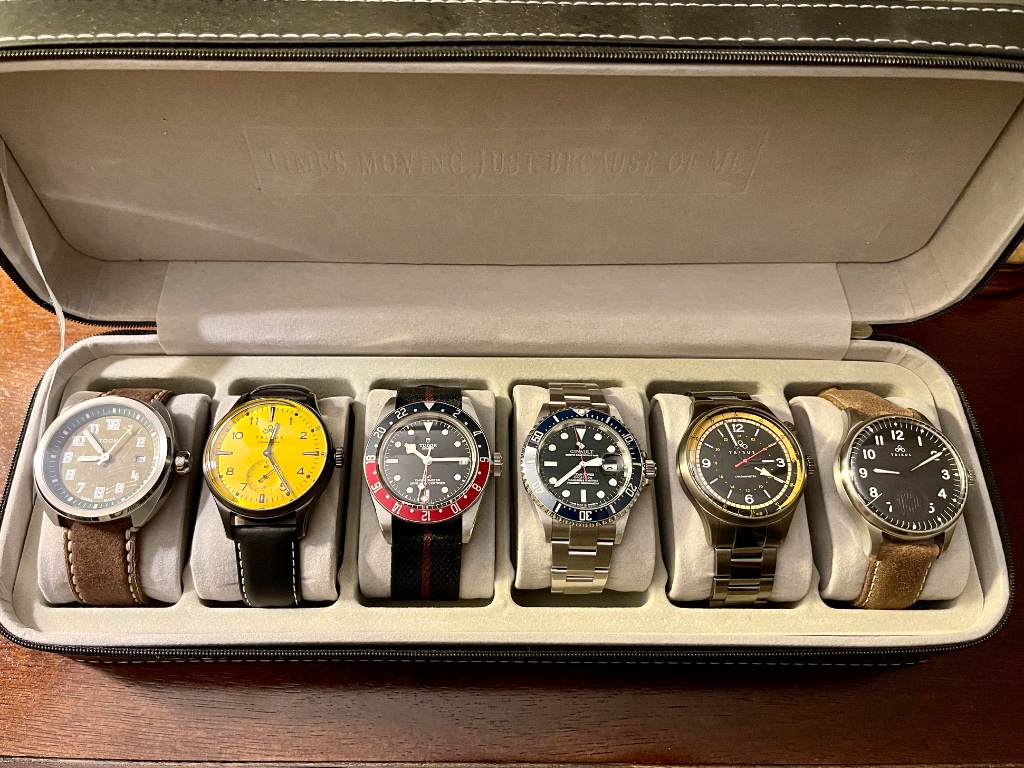
Every enduring collection begins with intention. Before you chase references, ask what you want your watches to do, and say. Are you building a functional toolset (field, diver, GMT, dress, chronograph)? Or a tightly edited lineup around one theme, like compact field watches from Hamilton and Mitch Mason, or retro divers from Baltic and Venezianico? A North Star trims noise and prevents that drawer of almost-right pieces we all accumulate.
Pick two or three pillars to start. A reliable everyday watch. A water-ready diver. Something with travel utility or personality, a GMT, a quirky microbrand limited run, or a svelte dress piece. The goal isn’t quantity; it’s cohesion: watches that complement, not compete.
Movements Shape Personality (and Ownership)
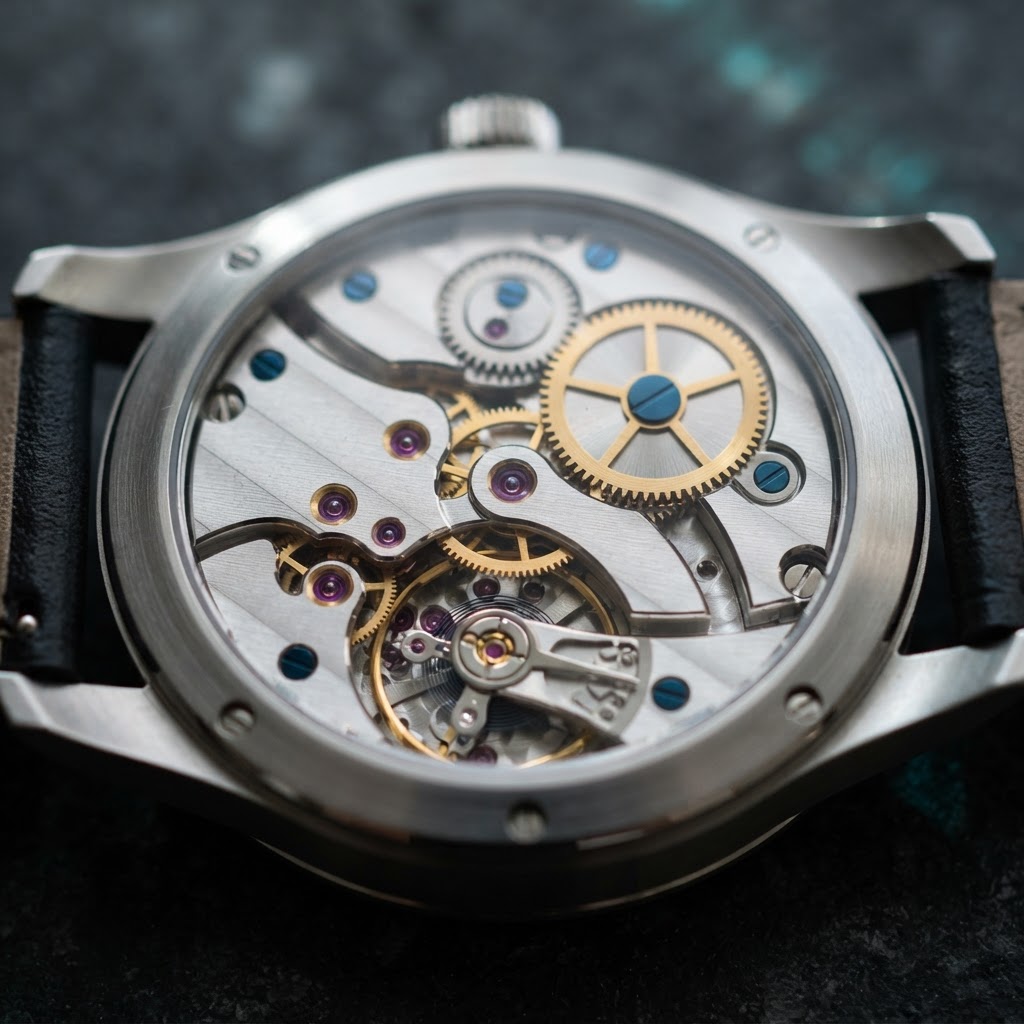
The caliber under the dial sets much of a watch’s character. A hand-wound Hamilton Khaki Field Mechanical with the H-50 movement invites a daily ritual; you feel connected to time as you wind. Automatic workhorses like the ETA 2824-2 and its modern counterpart, the Sellita SW200-1, are dependable, widely serviceable, and found in countless independents from Formex to Farer. Farer’s GMTs often run the Sellita SW330-2, a caller-style movement with independent 24-hour hand, great for tracking family or colleagues abroad.
Japanese options remain unbeatable values. Seiko’s 6R35 offers a generous 70-hour reserve in pieces like the Prospex SPB line (think SPB143). Miyota’s 9039 delivers a slim profile and reliable accuracy in microbrands from Baltic (Aquascaphe) to Mitch Mason (Chronicle). If you travel frequently, the Miyota 9075 “true GMT” (local-jump hour set) is a breakthrough at approachable prices. And don’t sleep on quartz where it fits your life: Citizen’s Eco-Drive eliminates battery swaps and makes a fantastic grab-and-go.
Ownership math matters. A simple three-hander is cheaper to service than a chronograph. A movement common across brands (SW200, NH35, 9039) means easier parts and more watchmakers willing to touch it. If vintage tempts you, budget for a service immediately, and find a watchmaker before you buy the watch.
Fit and Proportions Over Millimeters
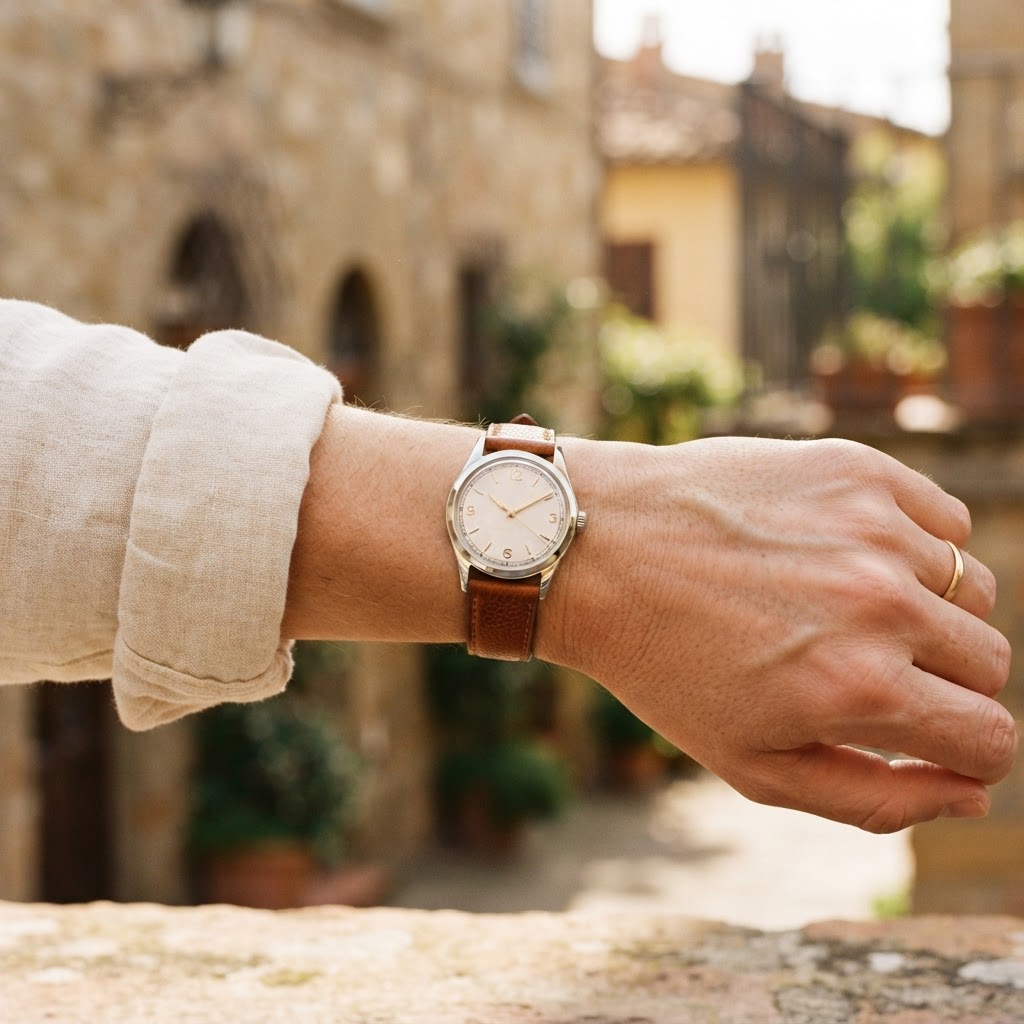
Dimensions on a spec sheet mislead without context. Case diameter matters less than lug-to-lug and thickness. A 38–40 mm sweet spot suits many wrists, but a well-shaped 41 can wear smaller and a slabby 38 can feel large.
- Lug-to-lug under 48 mm keeps most watches balanced.
- Case thickness under 12 mm improves cuff glide, especially on bracelets.
- Lug shape, case curvature, and bezel width change the on-wrist footprint.
Try on if you can. If not, measure a watch you already love and use those numbers as a template. The Seiko SPB143 is a masterclass here, moderate diameter, modest lug-to-lug, and a case that disappears on the wrist. Formex’s Essence improves wear with a cleverly contoured case and bracelet with quick micro-adjust.
Materials, Finishing, and the Daily Grind
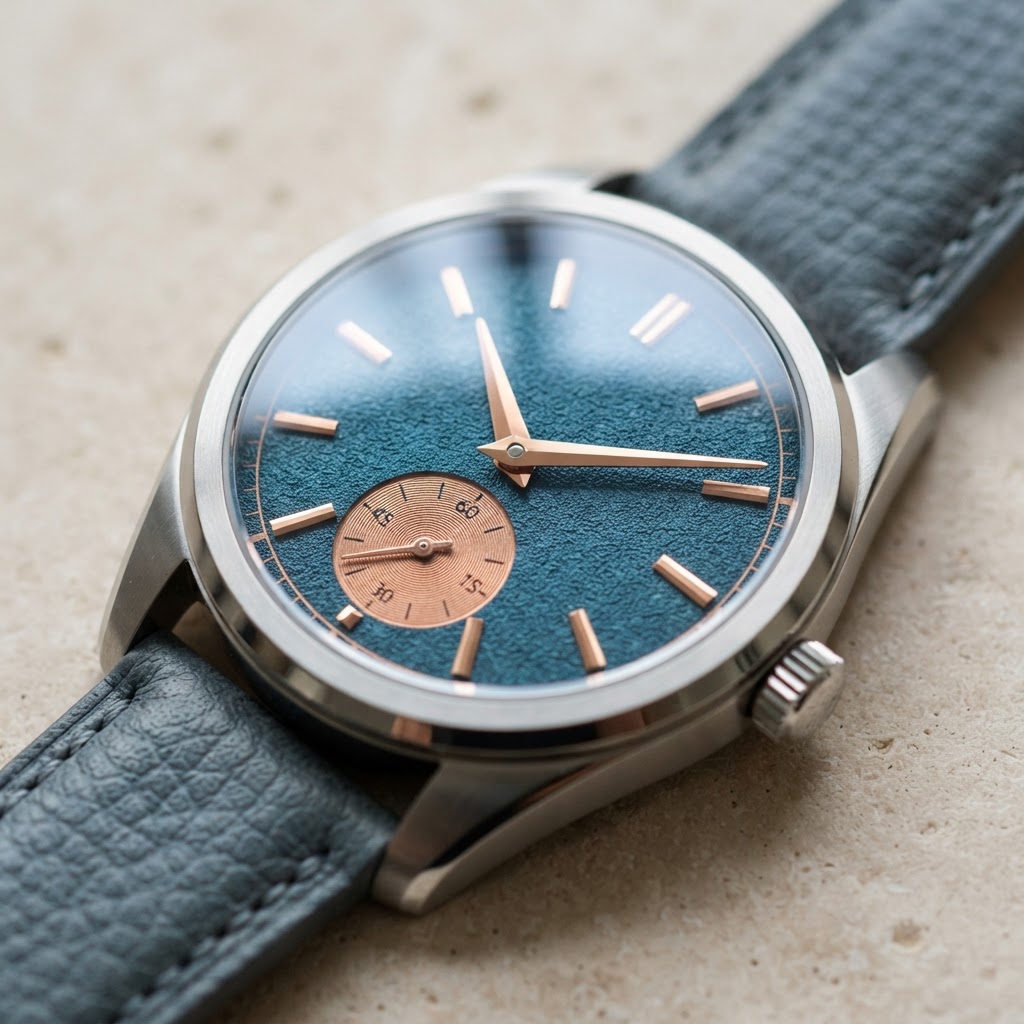
Case finishing is the quiet luxury you feel every day. Sharp transitions, even brushing, and crisp bevels speak to care at the factory. Look for:
- Sapphire crystal with effective anti-reflective treatment inside.
- Bracelets with solid end links, a secure clasp, and on-the-fly micro-adjust (Formex leads in this space; even microbrands are catching up).
- Drilled lugs for easy strap changes and practical 20 mm or 22 mm lug widths.
- Quality lume (Super-LumiNova on many European and microbrand pieces, Seiko’s proprietary Lumibrite on Prospex).
Dials separate great from good. Clean printing, well-applied indices, and consistency across batches matter. Microbrands like Baltic and Farer have set the bar with thoughtful textures, color palettes, and restrained typography.
Buy With Intention, New, Pre-Owned, or Vintage
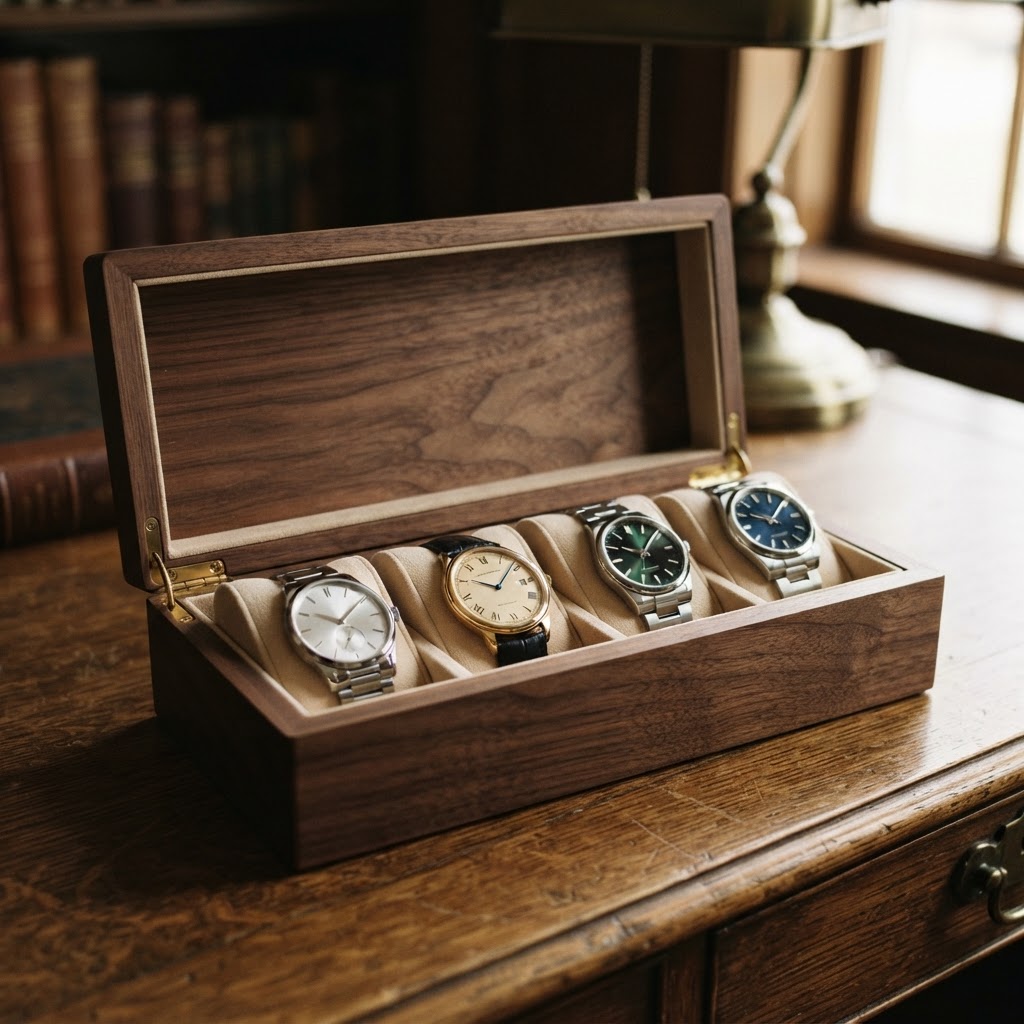
There’s no single right path to acquisition, but a few habits pay dividends:
- Research the reference. Forums and reviews surface long-term pain points (bracelet stretch, crown tubes, alignment issues) that don’t appear in press photos.
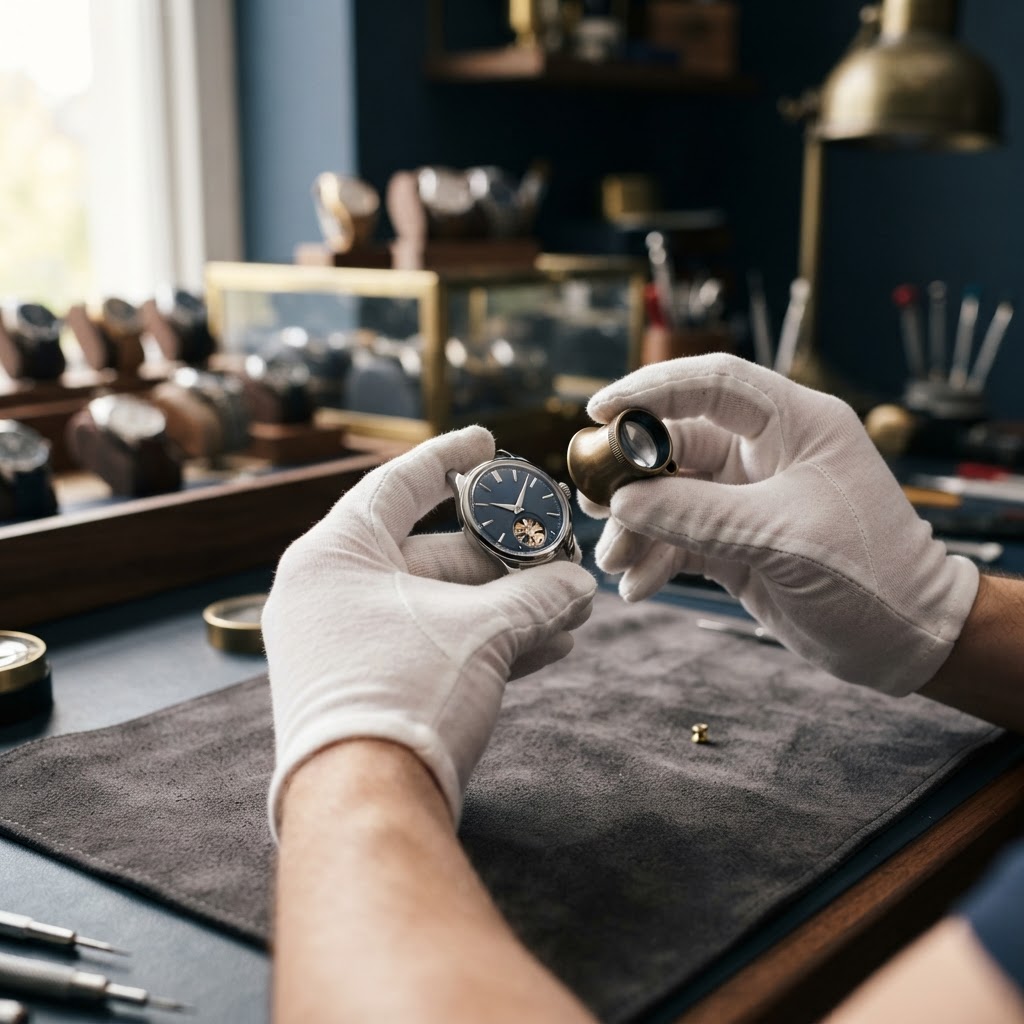
- Ask for caseback and movement photos on pre-owned. Check for tool marks, moisture, and rotor rub. Service records are gold; absent that, budget proactively.
- Water resistance is not permanent. If you plan to swim, have gaskets pressure-tested yearly. Vintage divers can be daily joys, but they’re not pool toys unless freshly sealed, and even then, proceed with caution.
- Buy the seller. Whether it’s a trusted dealer, a brand-direct drop, or a forum listing, the counterparty’s reputation is as important as the watch.
Box and papers can help on resale, but don’t let the lack of a hang tag stop you from buying the right watch at the right price.
The Microbrand Renaissance, Curated
We are living in a golden era for independents. Baltic’s Aquascaphe (Miyota 9039) nails the mid-century diver brief with honest proportions. Farer’s Lander GMT charms with color and a traveler’s soul. Formex marries tool-watch utility with engineered bracelets and COSC options across the Essence and Reef lines. Venezianico’s Nereide brings Venetian flair to robust casework. Mitch Mason offers compact, field-forward designs that punch above their size. NEUTRA leans into clean, mid-century minimalism with tasteful restraint. Add Seiko and Citizen for breadth and depth, Hamilton for Swiss heritage at fair prices, and you’ve built a rich playground without going near five figures.
The advantage here isn’t just cost; it’s community. Many of these brands are accessible, founders answer emails, prototypes tour enthusiast groups, and iterations reflect collector feedback.
When Icons Call (And How to Answer)

Sometimes a watch is bigger than spec sheets. The Hamilton Khaki Field Mechanical is a rite of passage: hand-wound, legible, with military lineage. Seiko’s SPB14x family rekindles the brand’s 62MAS diver DNA. Citizen’s Promaster divers offer ISO-certified readiness with bulletproof Eco-Drive reliability. Not every icon needs to be a grail; often, it becomes the watch you wear most because it simply works.
If you chase an icon, ensure it serves a role in the rotation. The best “statement” piece is still one you reach for on a Wednesday morning without thinking.
Straps: Your Secret Cohesion Tool
Straps are the tune-up that makes a collection sing. A Baltic Aquascaphe on a beads-of-rice bracelet feels heritage; swap to FKM rubber and it becomes a weekend tool. A Hamilton Khaki on leather leans vintage; on a NATO it’s summer-ready. Keep a core kit, tapered bracelet, neutral leather, rubber in black or navy, and one fun texture (sailcloth, suede). Quick-release spring bars make role changes effortless.
Maintenance and the Long Game
Plan for service the way you plan for tires on a car. Mechanical watches often run 5–10 years between services, depending on wear and environment. Chronographs and vintage pieces may need more attention. Keep gaskets fresh if you swim. Wipe cases and bracelets with a soft cloth; rinse divers after saltwater. A little care compounds into decades of delight, and better value if you ever decide to sell.
Building a Rotation That Tells Your Story
A cohesive collection is more than checked boxes; it’s a narrative. The field watch that saw your first big hike. The diver that marked a promotion. The GMT that crossed its first ocean with you. As pieces rotate in and out, protect the story. Photograph casebacks before a service, keep a strap you wore on a special day, jot down the seller’s note. These small rituals turn watches into keepers.
And when you’re ready for fresh perspective, lean on fellow collectors. Over a coffee, at a meetup, or through a trusted club, you’ll find the kind of candor and shared experience that keeps this hobby grounded, and joyful. Around here, that’s exactly the spirit we aim to cultivate: discovering what’s next, refining what’s already great, and helping each other hold onto the keepers.