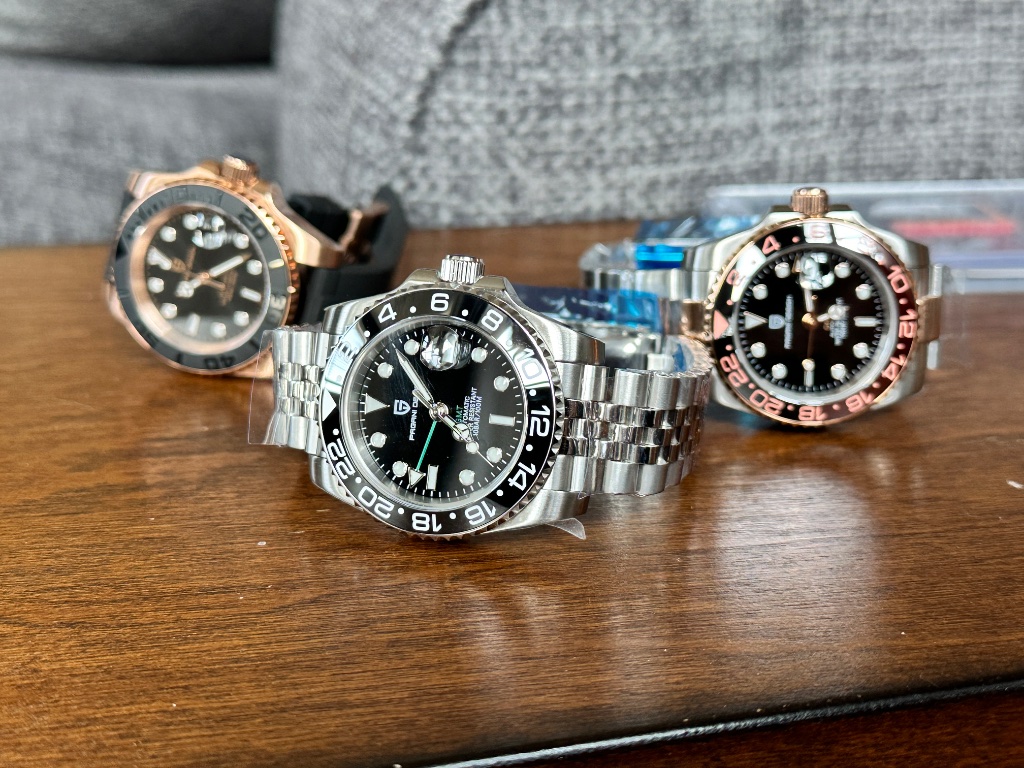

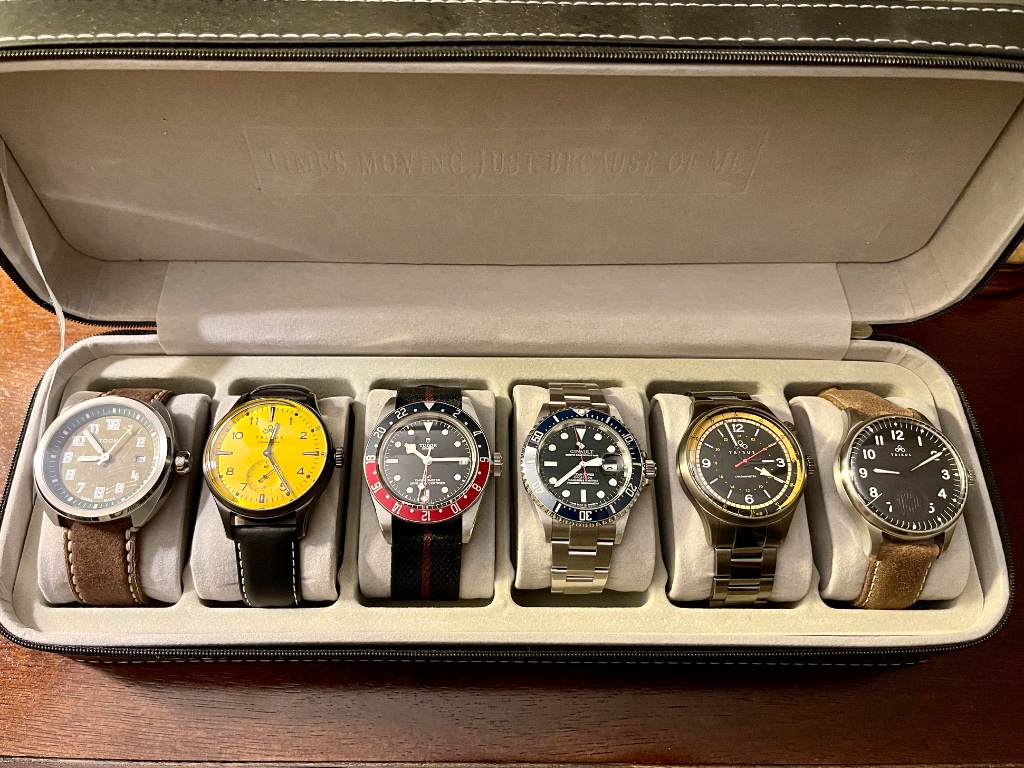


For many collectors, the first stage of enthusiasm is wonderfully measurable. We compare power reserves, jewel counts, case diameters, water resistance ratings, and movement names with the seriousness of engineers. There is nothing wrong with that; specifications are part of the language of horology. But the longer you spend with watches, the more you realize that a great watch is rarely defined by numbers alone.
A watch can have an impressive movement and still leave you cold. Another can carry a humble caliber and somehow feel perfect every time it touches the wrist. Learning to tell the difference is one of the most rewarding parts of collecting.
The spec sheet is the beginning, not the verdict
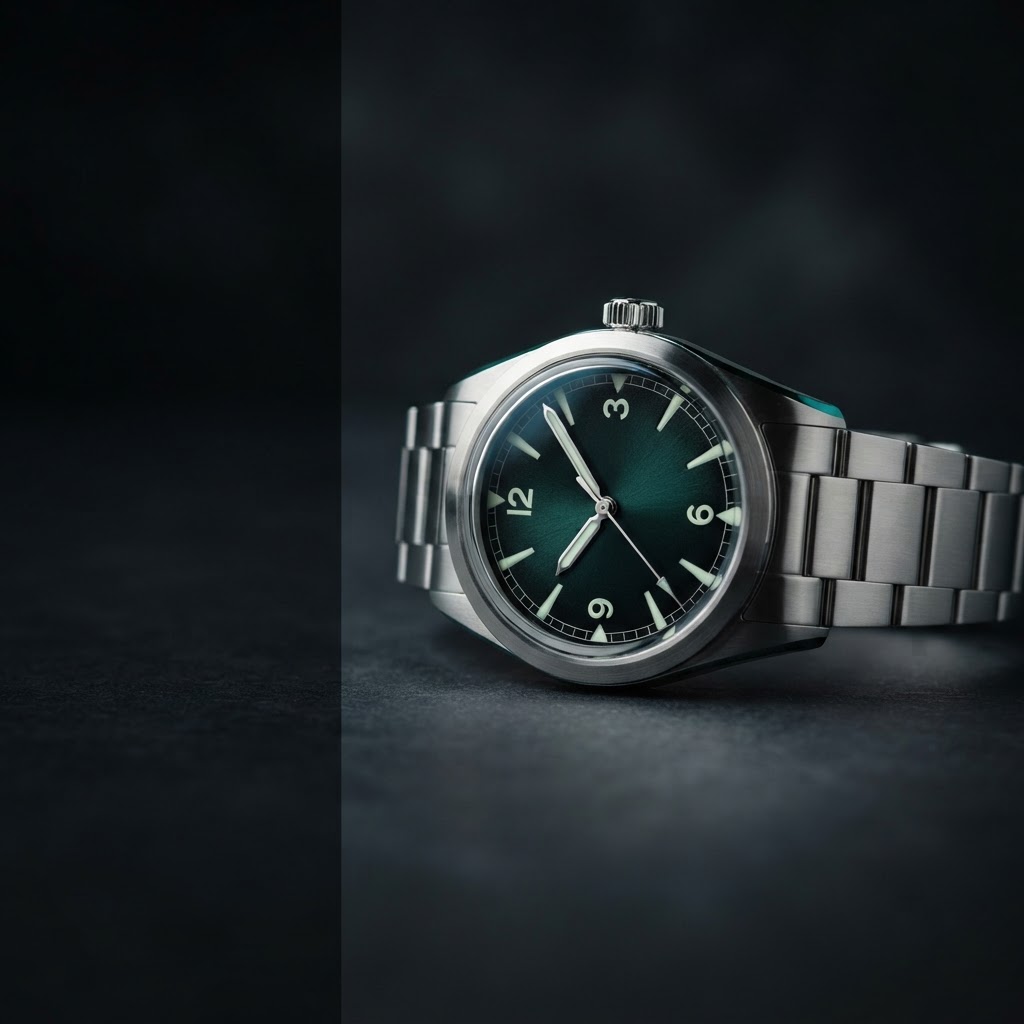
Beginners are often taught to shop by movement hierarchy: Swiss above Japanese, in-house above outsourced, mechanical above quartz. Reality is more nuanced. A Hamilton Khaki Field Mechanical with the H-50 movement offers strong value and real heritage, but so does a Seiko 5 Sports powered by the reliable 4R36. A Farer with a Sellita SW221-1 may deliver sharper finishing and more personality than a technically respectable watch from a bigger brand. A Citizen with a high-accuracy quartz caliber can be a more satisfying daily companion than a mechanical watch that spends its life needing regulation.
The lesson is simple: movement matters, but context matters more.
Collectors should look beyond the headline spec and ask better questions. How well is the movement regulated? How does the winding feel? Is the crown action crisp or gritty? Does the brand decorate or modify the caliber in a meaningful way, or simply advertise a familiar name? A Miyota 9039 in a well-executed case can be a joy. A Sellita SW200-1 can feel ordinary in one watch and excellent in another, depending on assembly, quality control, and overall design coherence.
In other words, the movement is the engine, but it is not the entire car.
Design integrity is what keeps a watch interesting
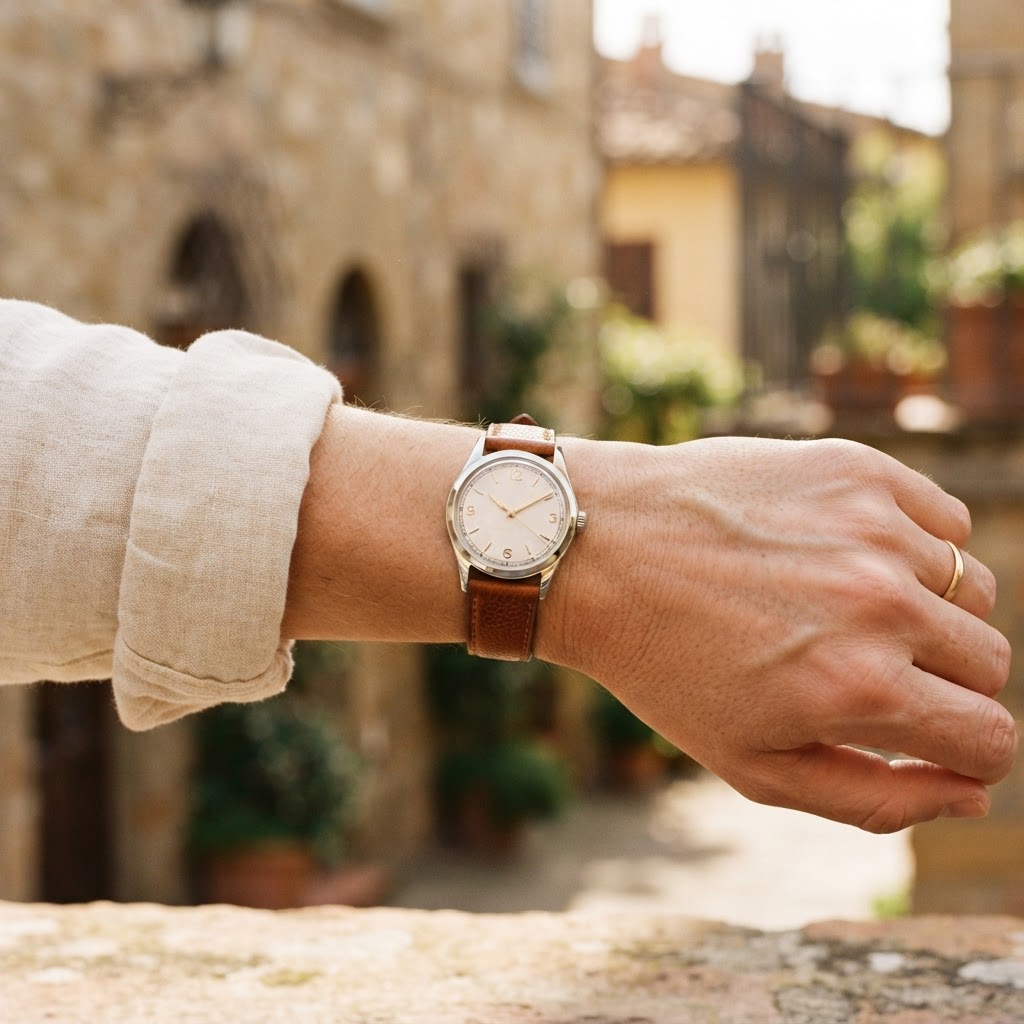
A watch reveals itself slowly. At first glance, color and size get your attention. Over time, proportions and design discipline are what keep you engaged.
This is where seasoned collectors often separate themselves from casual buyers. They are not merely asking whether a watch looks good in a product photo. They are asking whether it has a point of view.
Take the Baltic MR01. Its appeal is not built on brute specifications. It wins through restraint, proportion, and a genuine understanding of classic dress-watch language. Or consider the way Farer uses color: bold, yes, but never random. The best Farer pieces feel authored. Formex, by contrast, tends to impress through architectural case work, suspension systems, and modern finishing. Venezianico has built attention with textured dials and a distinctly Italian sense of drama, while brands like Mitch Mason and NEUTRA show how microbrands can offer originality without drifting into gimmickry.
When evaluating design, ask yourself whether every element belongs. Do the hands suit the dial? Does the bezel match the personality of the case? Are the numerals legible and well-scaled? Does the bracelet feel like part of the watch, or an afterthought? A coherent design often ages better than a flashy one.
Wearability tells the truth faster than marketing ever will
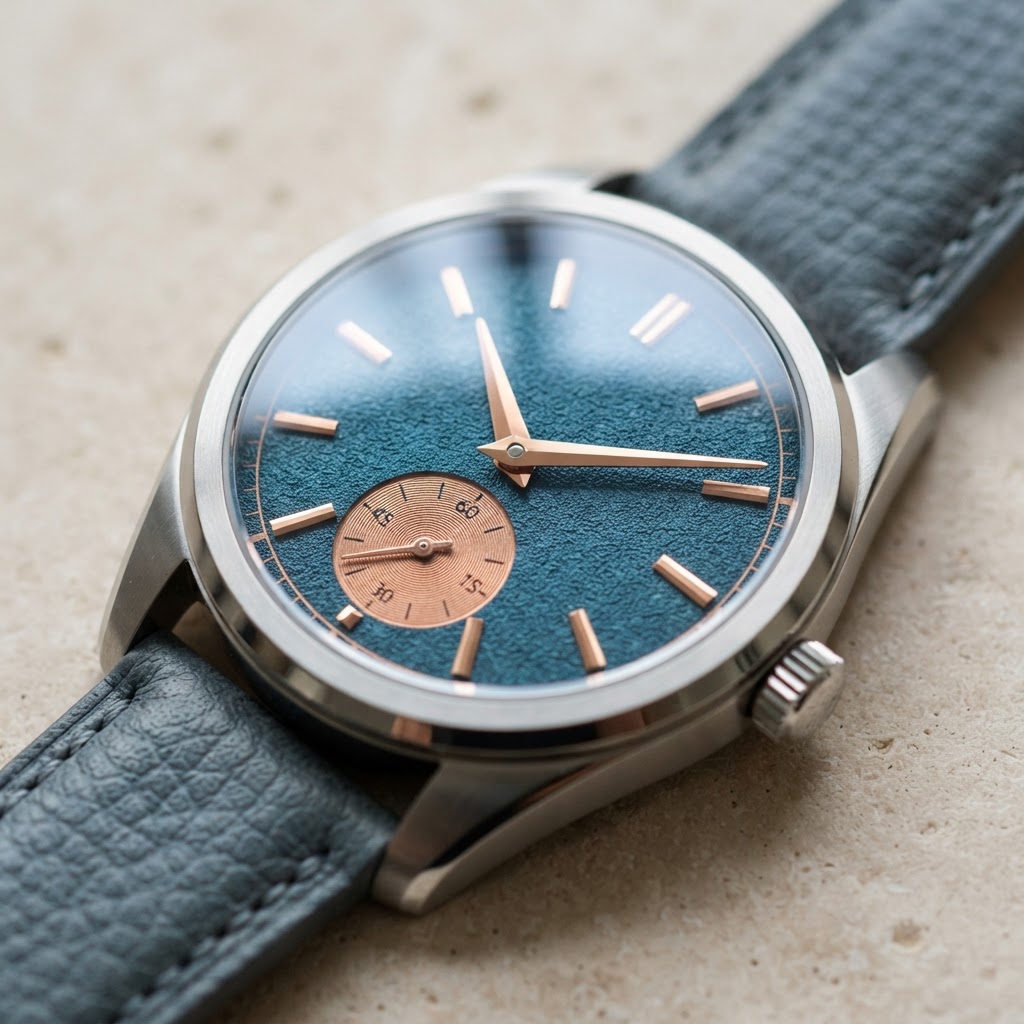
A watch is not a render, a review score, or a spreadsheet. It is an object you live with.
That means wearability should be taken seriously. Diameter is only the beginning. Lug-to-lug length, thickness, case shape, bezel width, and bracelet articulation all matter enormously. A 39mm watch can wear larger than a 41mm one if the lugs are long and rigid. A diver that looks manageable online may feel top-heavy because the case is thick and the bracelet lacks taper.
This is one reason watches like the Seiko SPB143 have earned respect: the dimensions work in practice. Hamilton field watches often wear honestly because their cases are simple and balanced. Formex has gained a loyal following in part because details like clasp comfort and micro-adjustment improve day-to-day ownership in ways that spec sheets rarely capture.
Practical collector wisdom: always study side profiles, not just frontal shots. Look at how the mid-case is shaped, how far the caseback protrudes, and whether the end links drop sharply enough for smaller wrists. If possible, try to learn the effective wearing profile from owners rather than advertisements. Comfort is one of the least glamorous topics in watch collecting, and one of the most important.
Finishing and tactile quality separate good from memorable
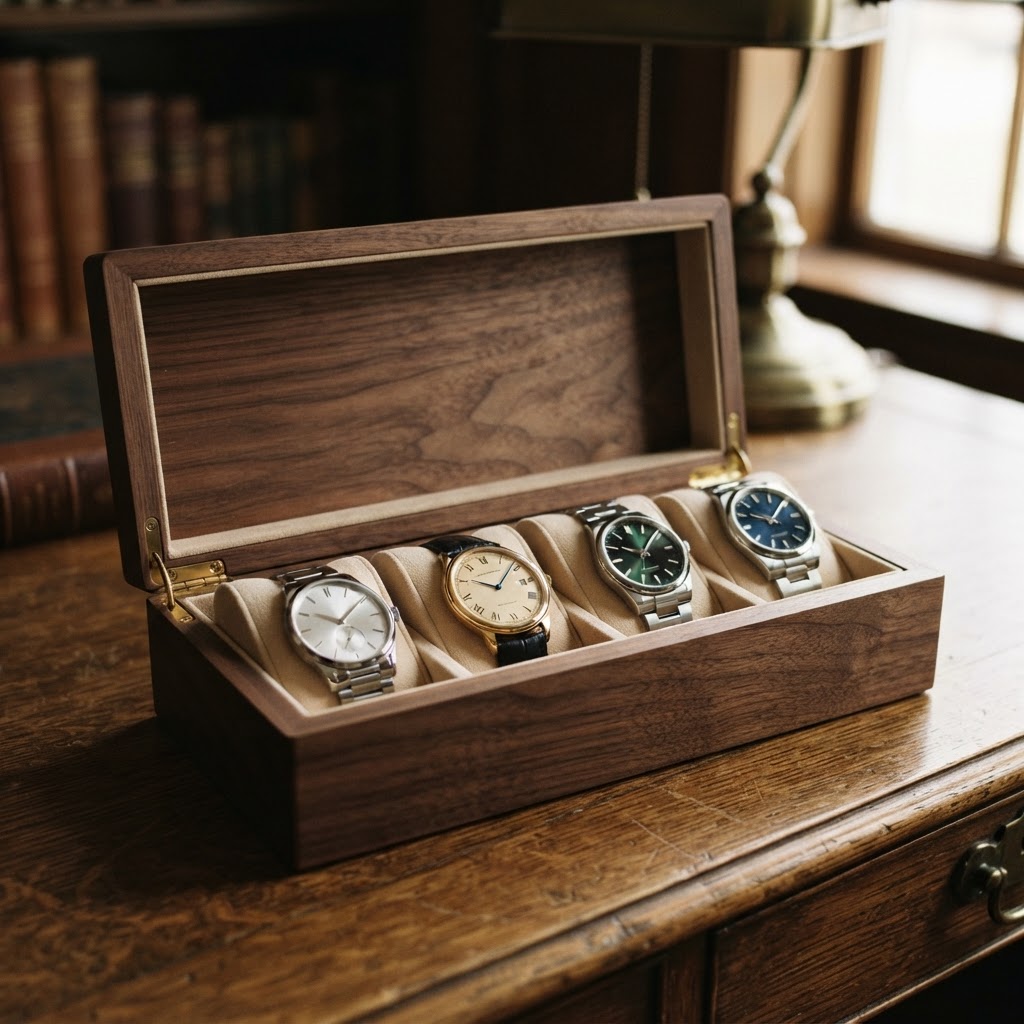
Many watches look excellent in isolation. Fewer feel excellent in the hand.
Tactile quality is where the illusion either holds or breaks. Rotate the bezel. Wind the crown. Close the clasp. Observe the sharpness of the dial printing, the evenness of lume application, the transition between brushed and polished surfaces. These details tell you how much care a brand has invested.
Seiko has long built its reputation on strong visual value, but anyone who has handled enough Seikos knows quality can vary widely from one line to another. Citizen often surprises people here, especially in watches that feel more solid and refined than their price suggests. Baltic has earned admiration for making vintage-inspired pieces that feel considered rather than costume-like. Farer tends to stand out on dial execution and color depth. Formex frequently punches above its segment in case and bracelet finishing.
This is also where microbrands can be especially compelling. Without legacy overhead, some allocate more of the price directly into materials and finishing. But the reverse can also be true: beautiful photography can conceal mediocre bracelet quality or rough crown threading. The safest approach is to slow down and seek owner impressions focused on real handling, not just launch excitement.
Think about ownership over years, not just the first week
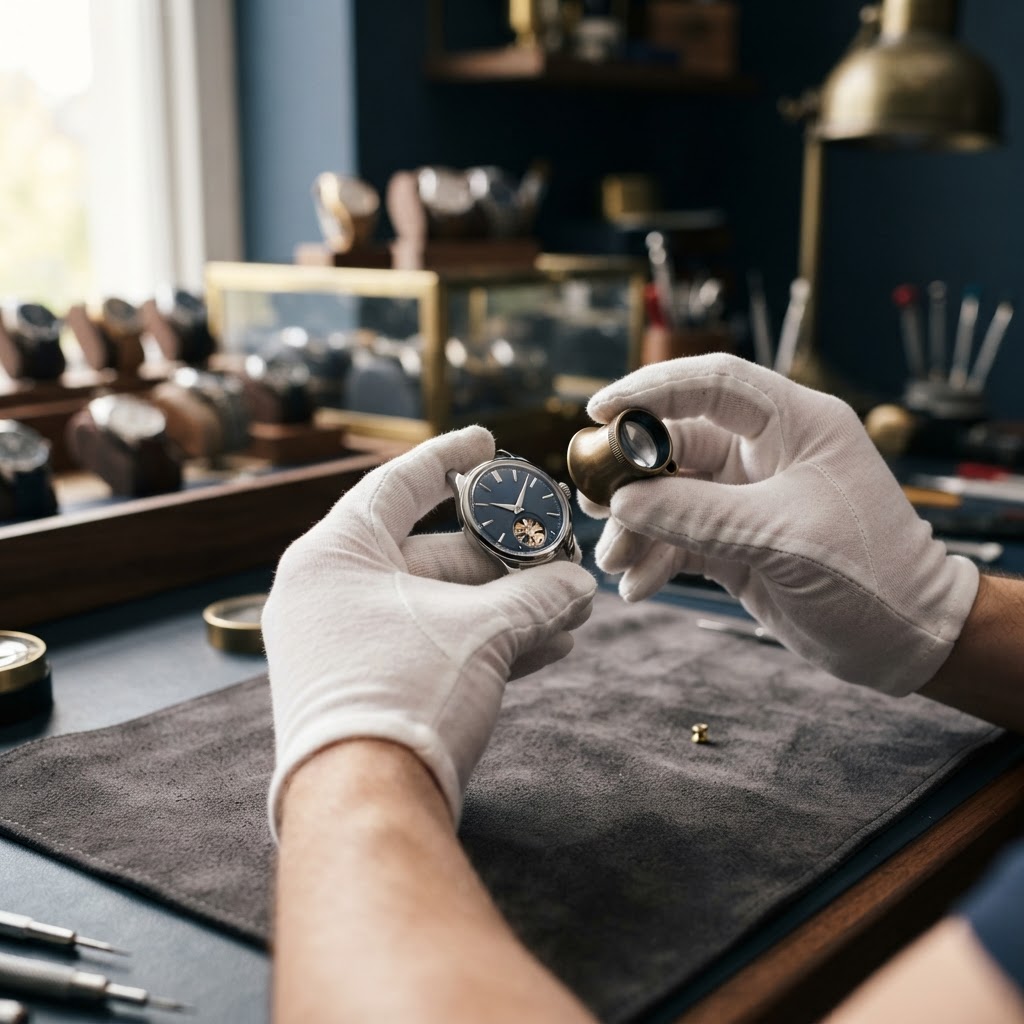
A wise purchase is not only about the honeymoon period. It is about how the watch fits into your life after the novelty fades.
Serviceability matters. A watch using a Sellita SW200-1, Miyota 9039, or Seiko NH35 offers reassurance because parts and watchmaker familiarity are widespread. That does not automatically make proprietary or less common calibers a bad choice, but it should make you ask better questions. Can the brand support the watch long term? Is there a clear warranty process? Does the company communicate well when issues arise?
This is particularly relevant with microbrands. Some, like Farer and Formex, have built strong reputations for customer support and consistency. Others may create attractive limited runs without a mature service infrastructure. That does not mean you should avoid smaller makers such as Mitch Mason or NEUTRA; it means you should evaluate the brand itself as carefully as the watch.
Another useful question is whether you are buying for ownership or for validation. Resale value has become a distracting force in modern collecting. It can be helpful to understand the market, but it is a poor substitute for personal judgment. The watches that endure in a collection are usually the ones that continue to feel right, not merely the ones other people approve of.
The best watch is the one that keeps speaking to you
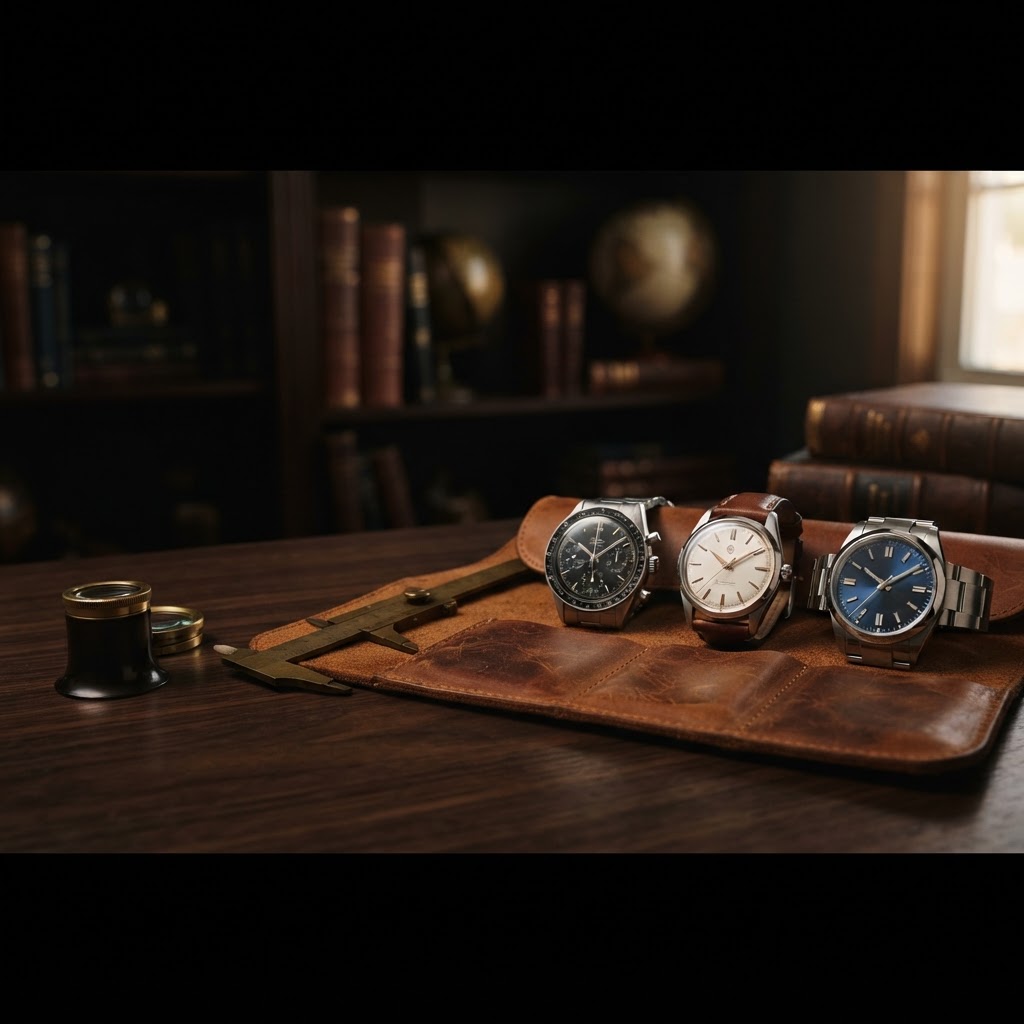
At a certain point, collecting becomes less about chasing the objectively best watch and more about recognizing your own taste with clarity. You begin to understand why one person is drawn to the utilitarian honesty of a Hamilton Khaki, another to the romantic elegance of a Baltic MR01, another to the practical excellence of a Citizen, and another to the creative confidence of a microbrand that few people outside the hobby have ever heard of.
That is not indecision. That is maturity.
The true skill in evaluating a watch is learning how to balance mechanics, design, comfort, finishing, and long-term ownership into a judgment that is both informed and personal. The more watches you handle, the less you chase noise and the more you notice substance.
And that, perhaps, is one of the great pleasures of this hobby: our taste sharpens in conversation. Sometimes the watch you overlooked makes sense only after seeing it on another collector's wrist, hearing why it matters to them, and spending a little unhurried time with it. In communities like Keeper Box, that exchange of perspective is often where real collecting begins.