


Start With Why: Defining Cohesion Beyond Price
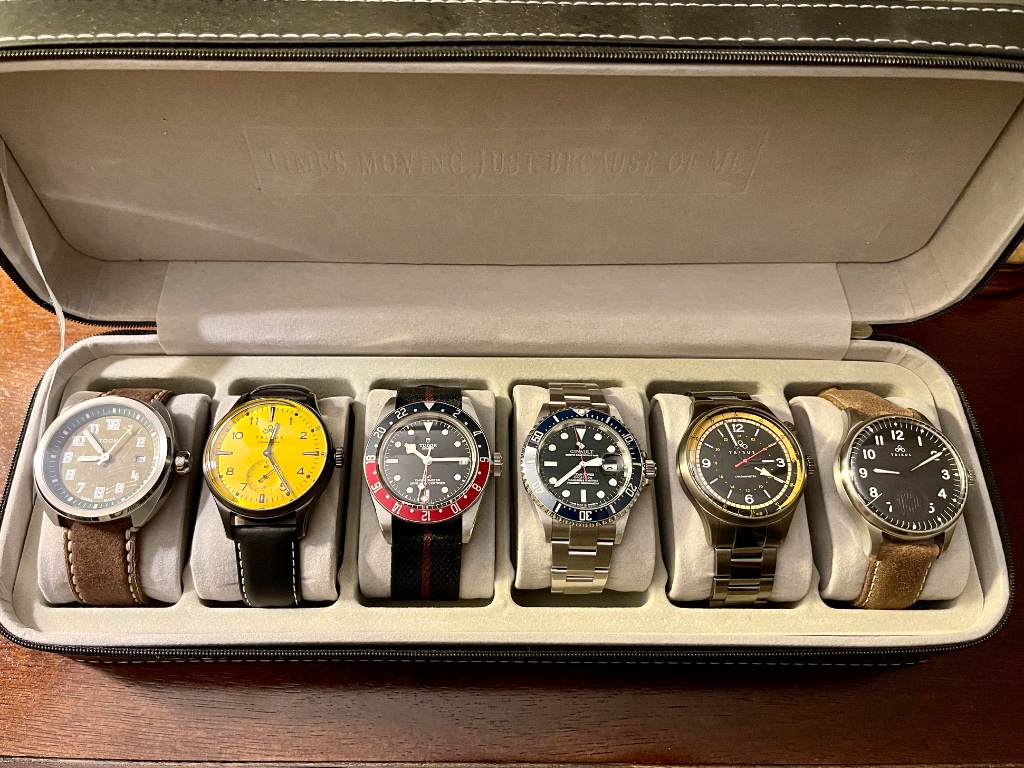
A cohesive watch collection doesn’t happen by accident. It’s the product of intent: choosing pieces that speak to a unifying set of values, function, design language, history, or wearability, rather than simply chasing hype or the next discount. The question that sharpens every decision: what role will this watch play in your life, and how does it harmonize with what you already own?
Many enthusiasts begin with the Swiss-versus-Japanese binary, or a price bracket as a compass. Price is a constraint, not a strategy. Cohesion is. Whether your anchor is everyday utility, a fascination with marine history, or a penchant for color, use that theme to filter choices, then let your budget decide where to enter the market.
The Pillars: Field, Diver, Dress, and a Wild Card
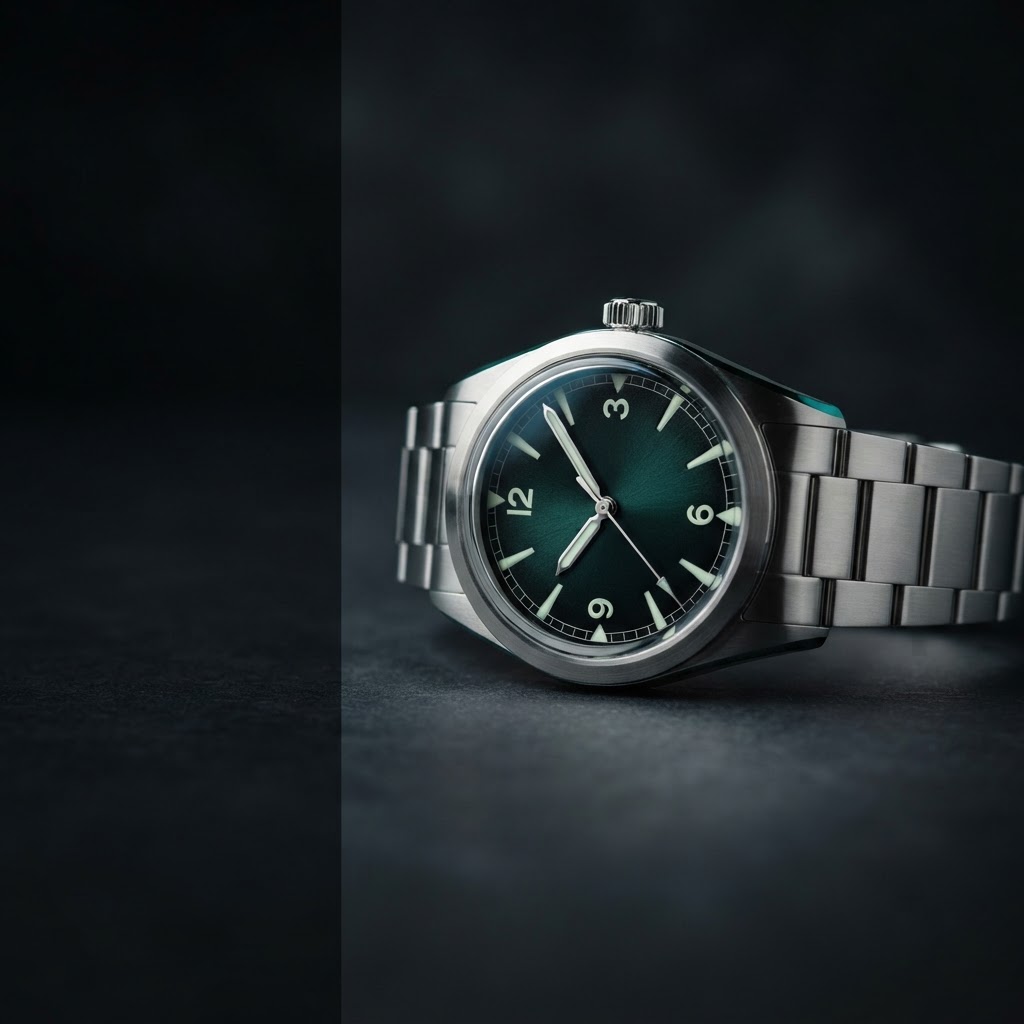
A time-tested framework starts with three functional pillars, field, diver, and dress, plus one wild card that brings personality or travel utility.
- Field: Look for robustness and legibility. The Hamilton Khaki Field Mechanical with the H-50 hand-wound caliber captures the archetype beautifully: matte dial, drilled lugs, and an 80-hour reserve that makes it a joy to wind on Monday and still tick on Thursday. Mitch Mason’s Chronicle offers a modern microbrand interpretation with Miyota 9039 smoothness in a compact case.
- Diver: A solid diver anchors your rotation and expands strap options. The cult-classic Seiko SKX007 (or the smaller SKX013) set the template; modern stand-ins include the Seiko SPB143 with 6R35, or the Formex Reef Chronometer with COSC-certified SW300 for razor precision and an excellent micro-adjust bracelet. Baltic’s Aquascaphe, running a Miyota 9039, nails vintage charm without sacrificing everyday practicality.
- Dress: This is less about formality than proportion. A slim profile and restrained dial go further than precious metals. Consider a simple hand-wound or automatic around 38–40 mm with moderate lug-to-lug. Farer’s Lander GMT (SW330-2) cleverly bridges dress and travel with colorful restraint, while brands like NEUTRA lean into minimalist mid-century cues powered by reliable Japanese automatics.
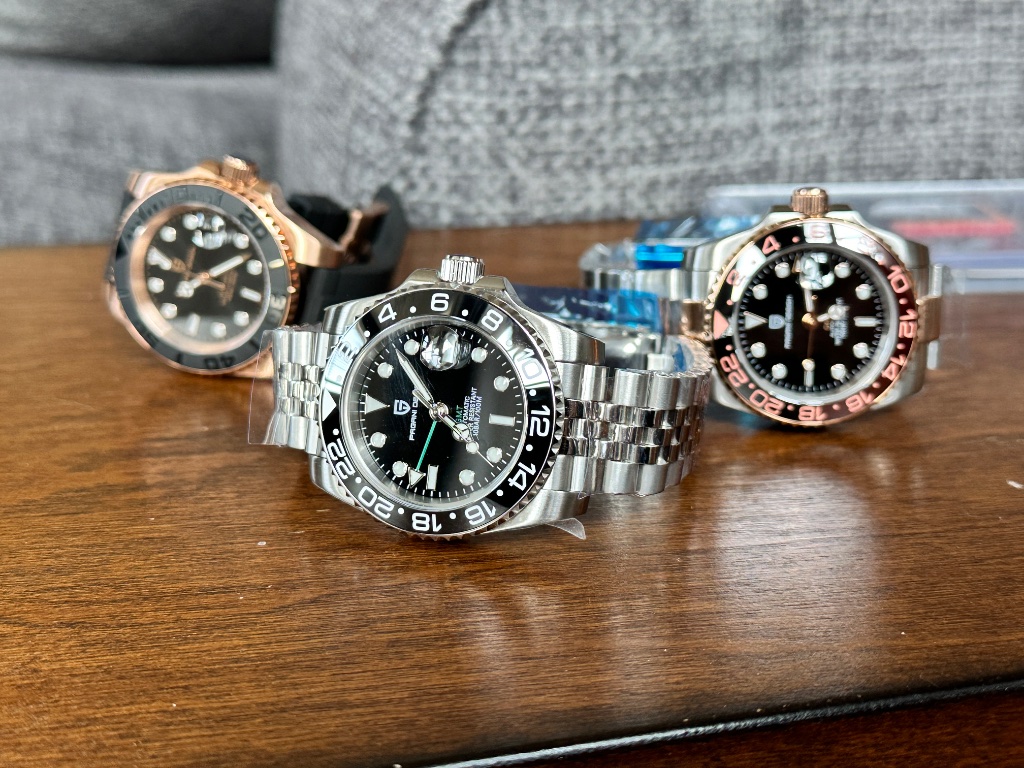
- Wild Card: This spot is pure expression. Maybe it’s a colorful ceramic-bezel GMT, a meca-quartz chronograph, or a left-field diver like the Venezianico Nereide, whose various configurations span accessible automatic calibers to Swiss-adjacent options.
Movements: Choose Serviceability Over Spec Sheets
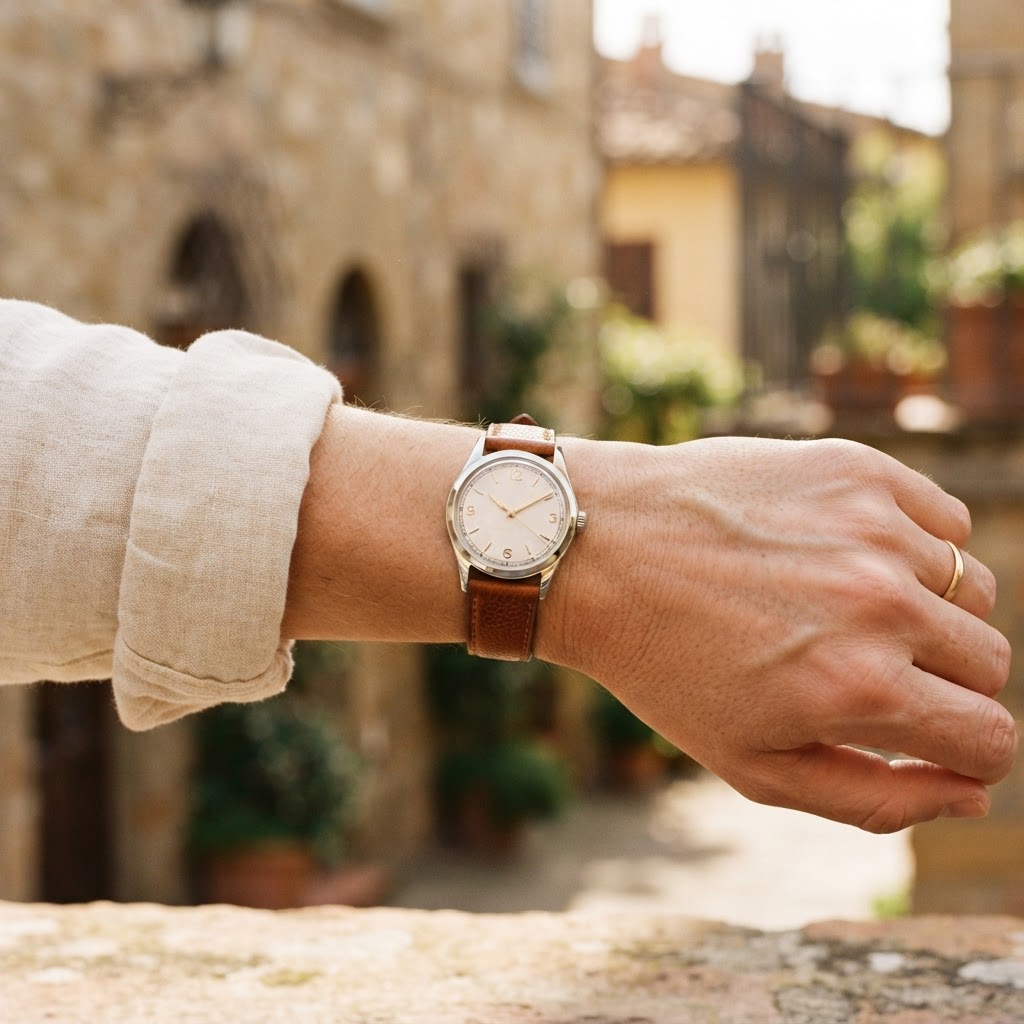
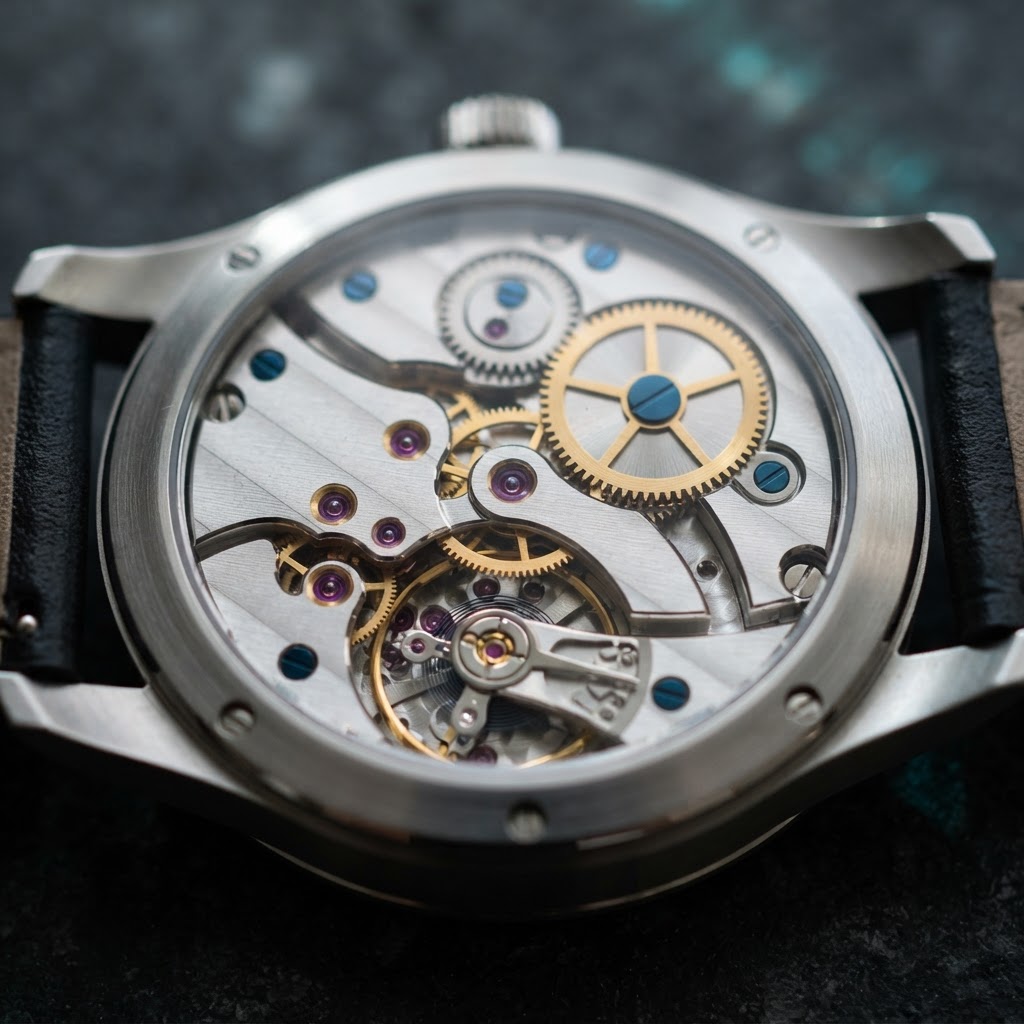
Movements anchor long-term satisfaction more than any dial flourish. If you’re new to mechanicals, familiarize yourself with three families that deliver proven reliability and service avenues:
- ETA/Sellita: The ETA 2824-2 and its near-twin, the Sellita SW200-1, are ubiquitous for a reason, easy to service, abundant parts, and good long-term accuracy when regulated. Upscale takes like the SW300 in the Formex Reef bring thinner architecture and COSC potential.
- Miyota: The 9xxx series (9039/9015) offers thin profiles, modern tolerances, and hand-winding/hacking, making them ideals for microbrands such as Baltic and Mitch Mason. They’re efficient, affordable to service, and keep collections wearable.
- Seiko: From the humble NH35/4R35 to the 6R35, Seiko’s in-house ecosystem is the heartbeat of countless micros and mainstream pieces. Parts and know-how are plentiful, and accuracy can be tuned by a competent watchmaker.
Avoid fixating on paper specs alone. A well-regulated Miyota 9039 can outperform a poorly set SW200. Prioritize brands transparent about regulation, service access, and after-sales support.
Fit Is a Complication: Ergonomics and Wearing Patterns
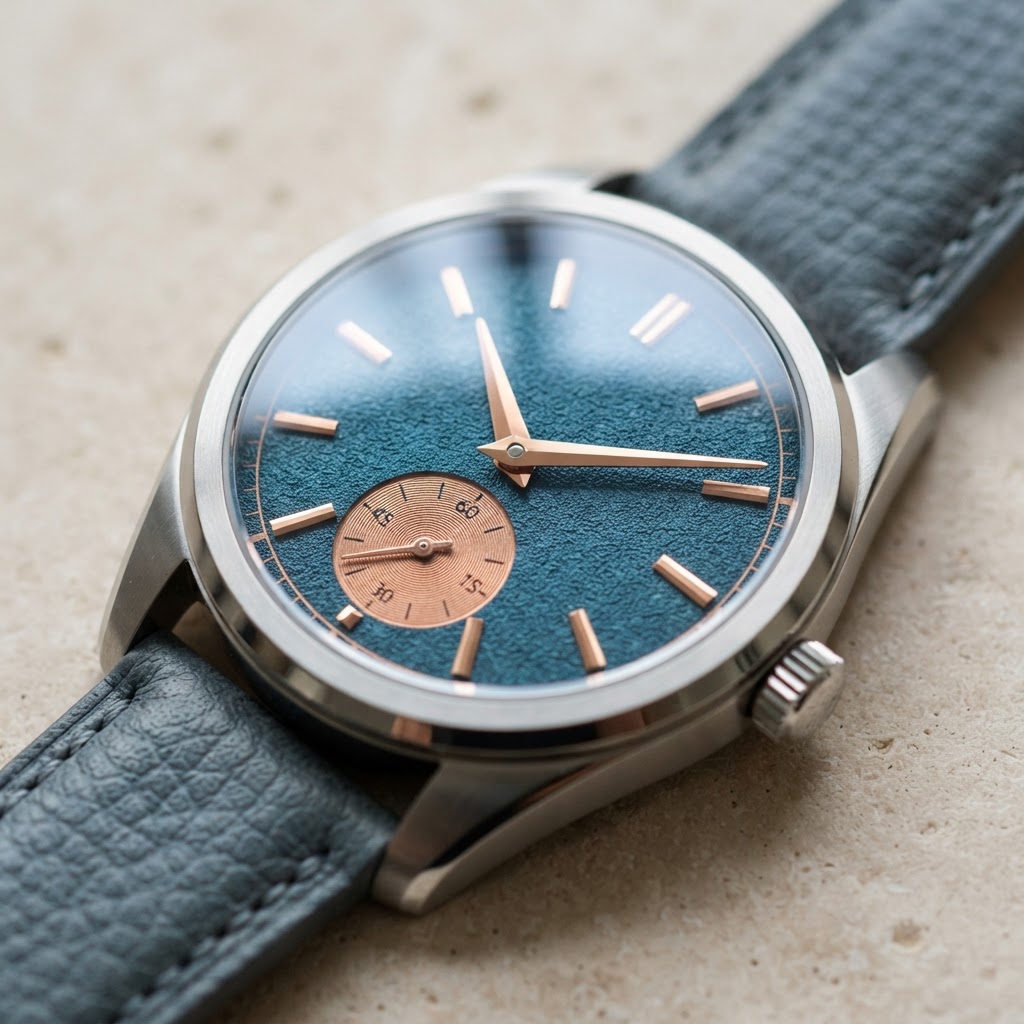
A watch can be impeccable in theory and neglected in practice if the proportions miss your wrist. Track what you wear over a few weeks; patterns emerge. If your Hamilton Khaki and Citizen Promaster Diver BN0151 (Eco-Drive) dominate wrist time because they sit flat and disappear under a cuff, let that truth guide new acquisitions.
- Case thickness: Anything north of 13 mm can feel top-heavy on smaller wrists, especially with slab sides. A Miyota 9xxx or SW300 often gives slimmer builds than NH35 or SW200.
- Lug-to-lug: Often more important than diameter. Sub-48 mm keeps more watches comfortable on average wrists. The Baltic Aquascaphe’s compact L2L is a case study in easy wear.
- Weight and balance: A diver on an engineer bracelet wears differently than on a tropic rubber. Try before you buy if possible, or at least study real-wrist photos and case-back geometry.
Stretching Your Budget: Where Value Hides
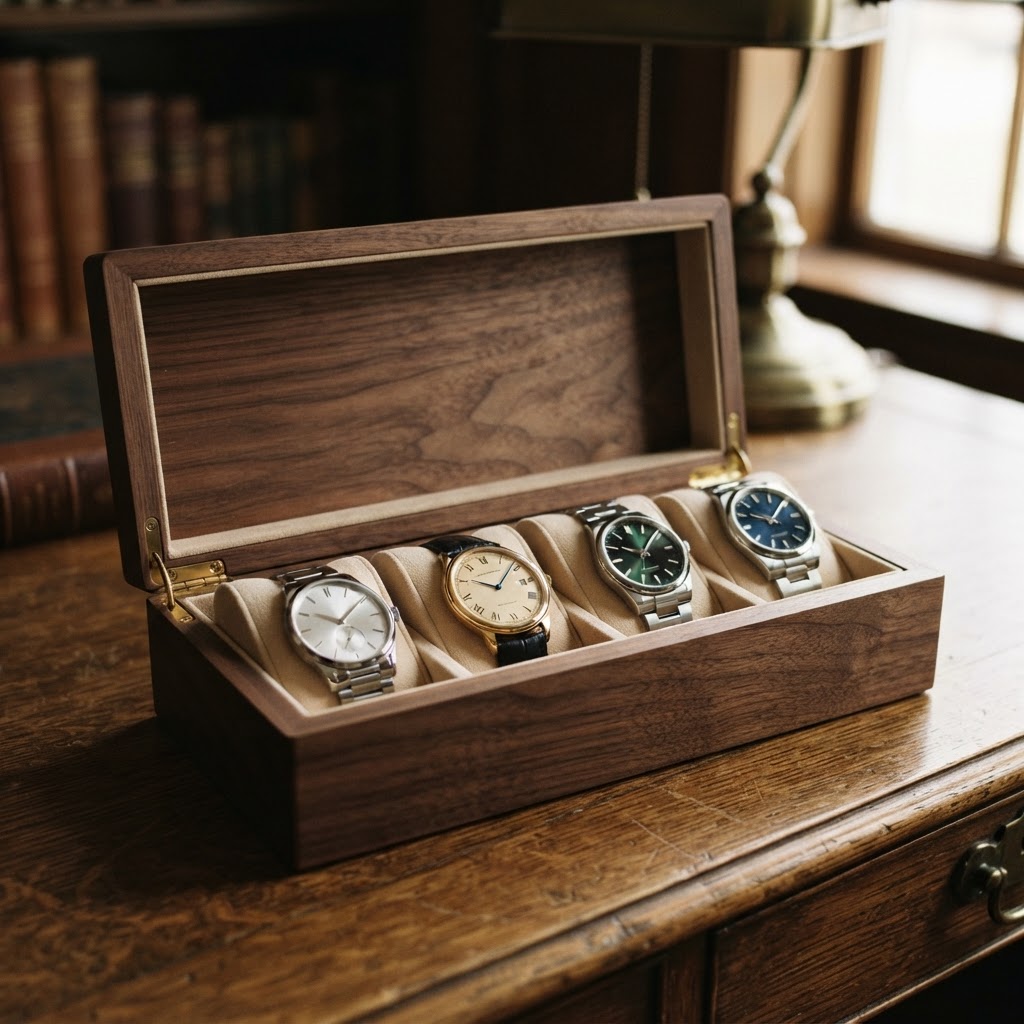
For pure utility, solar and meca-quartz deserve respect. Citizen’s Eco-Drive Promaster line is an everyday superhero, grab-and-go accuracy, no battery anxiety for years, and true ISO-rated water resistance. If mechanical soul is non-negotiable, microbrands are a value engine: Farer for color and design depth, Formex for engineering and bracelets, Baltic for neo-vintage nuance, Venezianico for Italian flair at approachable prices.
Pre-owned adds another lever. A well-kept Seiko SPB diver or a Hamilton Intra-Matic often undercuts retail by 20–30% in enthusiast marketplaces, bridging the gap to your next tier.
The Quiet Economics: Service, Warranty, and Resale
A COSC chronometer certificate may sing, but a helpful service department hums quietly for years. Investigate:
- Service intervals and costs: An SW200 overhaul might run a few hundred dollars; factor that into long-term ownership. Quartz/solar service is different, capacitor replacements are infrequent but real.
- Warranty terms: Microbrands like Formex and Farer publish clear policies and often ship with regulated movements. That confidence matters.
- Resale liquidity: Not everything needs to be a flip candidate, but healthier secondhand demand softens the cost of trying. Hamilton, Seiko Prospex, and well-regarded micros like Baltic typically move swiftly at fair prices.
Straps: The Inexpensive Cohesion Hack

A smart strap strategy makes a small collection feel both larger and more intentional. Build a core kit: a neutral leather for field/dress, a supple FKM rubber for divers, a beads-of-rice or fine-link bracelet when available, and a couple of NATO colors that echo your dials. Farer and Formex excel with quick-release bracelets; Baltic’s lug widths are strap-friendly playgrounds. The right texture can tease out a watch’s design language and tie a theme, olive drab, navy, or sand, across the box.
Editing Ruthlessly: Letting Go Is Part of Collecting
Great collections are curated, not crammed. If a piece consistently loses the morning pick, ask why. Overlap in function? Awkward wear? Dial redundancy? Move it along while the market is warm. Consolidation, trading two mid-tier pieces for one Formex Reef or upgrading your field watch to a hand-wound Hamilton, often increases satisfaction per watch.
Build for Your Life, Not the Algorithm
The best watch is the one that earns patina. If your calendar is heavy on travel, a GMT like the Farer Lander might become your true daily. If you swim, a trustworthy diver beats a fragile dress icon. If you love winding, lean into hand-cranks. Cohesion doesn’t mean monochrome; it means intention, comfort, and a through-line you can articulate.
Collectors at every budget can assemble a box that feels like them. Start with a purpose, respect ergonomics, pick serviceable movements, and treat straps as a design tool. Most of all, keep learning by wearing. The watches will tell you what the next one should be, if you’re listening.
At The Keeper Box, that listening happens together. Comparing wrist time, swapping straps, timing accuracy over a week, these are the quiet rituals that turn purchases into stories. When you’re ready for your next chapter, you’ll find good company here.