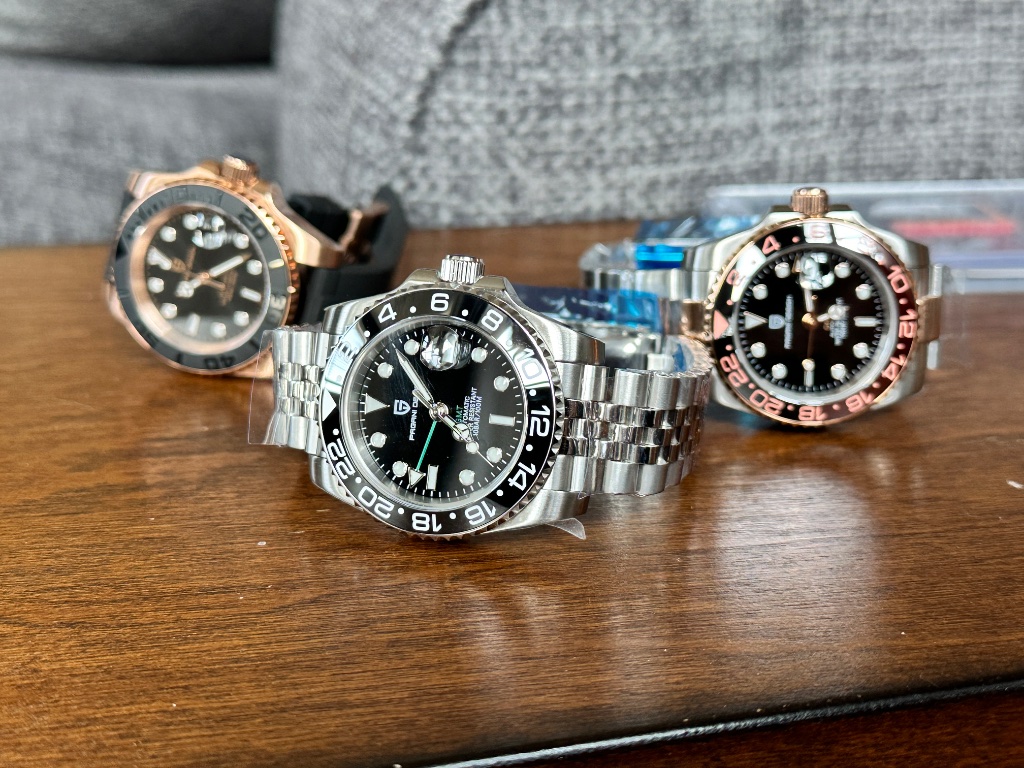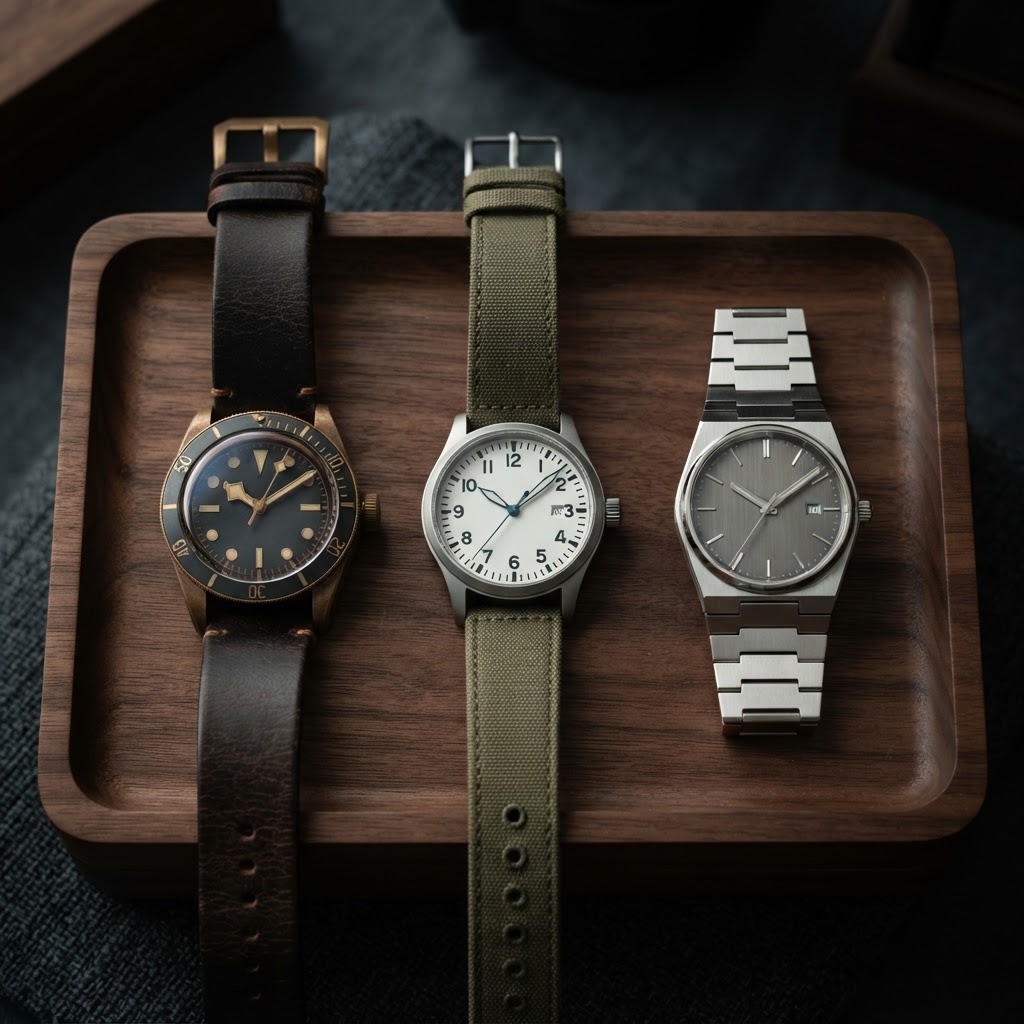

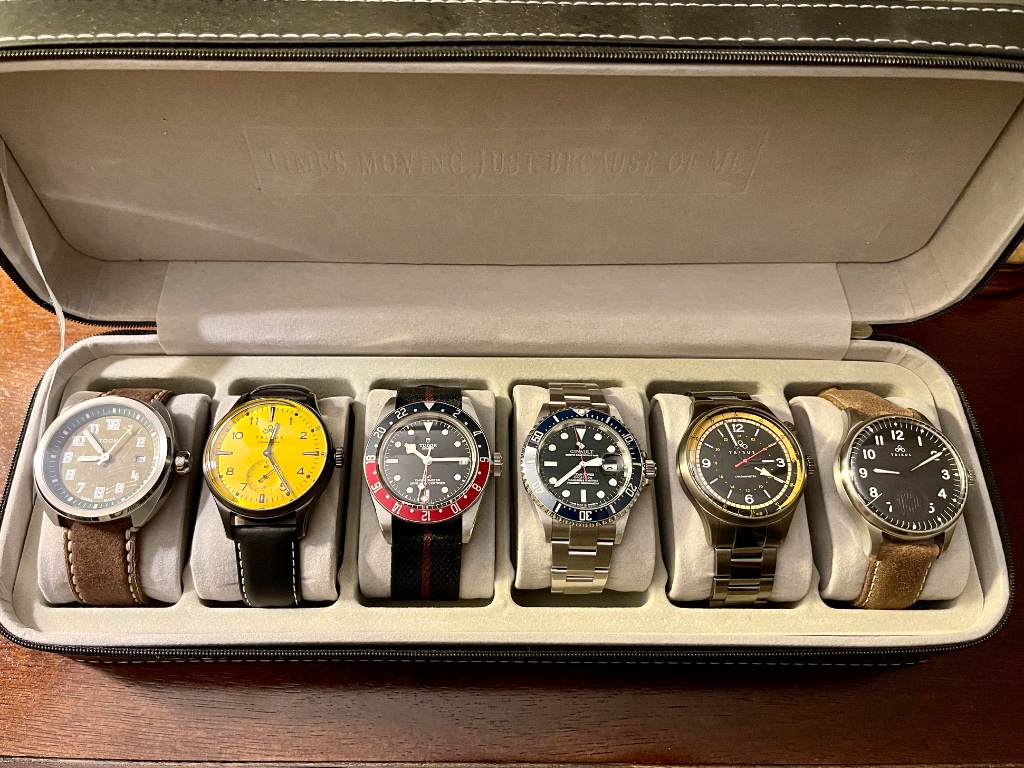


For new collectors, the spec sheet often feels like truth. Sapphire crystal, 200 meters of water resistance, automatic movement, Swiss made, surely that tells you everything you need to know. But spend enough time around watches and you learn a more interesting lesson: quality is rarely captured by bullet points alone.
A good watch reveals itself slowly. Sometimes it happens the first time you wind the crown. Sometimes it arrives when you size the bracelet and notice how gracefully the links articulate. And sometimes it becomes clear months later, when the novelty fades and the watch still feels satisfying every morning.
That is the difference between a watch that looks good on paper and one that feels convincingly made in real life.
Why Specs Are Only the Beginning
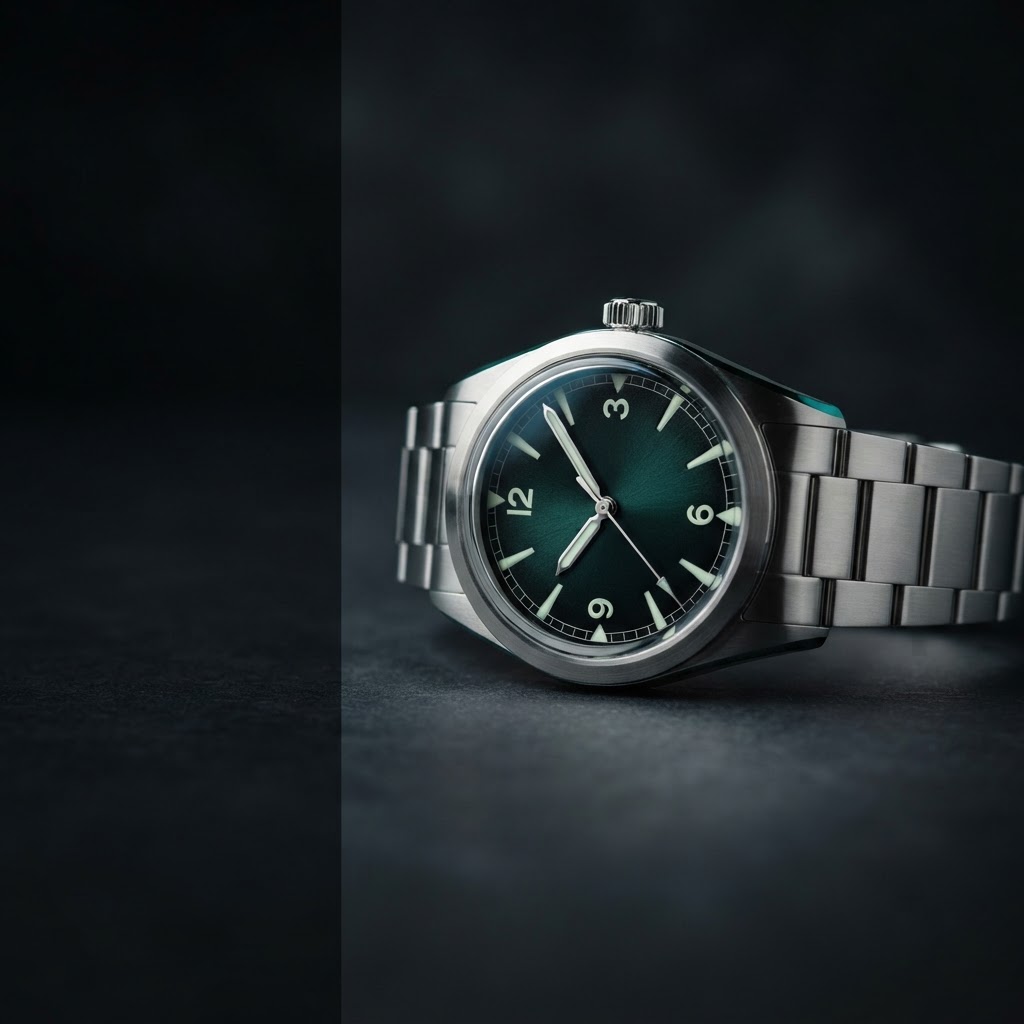
Specifications matter, of course. It is useful to know whether a watch runs a Sellita SW200, a Miyota 9039, a Seiko 6R35, or an ETA-derived caliber. It matters whether the crystal is mineral or sapphire, whether the case is steel or titanium, and whether the clasp offers real on-the-fly adjustment.
But two watches can share nearly identical specifications and feel worlds apart.
Take the Hamilton Khaki Field Automatic and a crowded field of entry-level field watches with similar dimensions and movement architecture. On paper, they may seem close. In person, Hamilton often wins through proportion, dial balance, and the sense that every component belongs to the same design language. The same is true in other categories. A Seiko SPB143 and a number of modern microbrand divers may all promise respectable water resistance, solid lume, and automatic calibers, yet the way the Seiko case catches light, or the way its dial texture shifts between gray and charcoal, speaks to something beyond raw data.
This is not about prestige. It is about coherence. Real quality is often the sum of small decisions made well.
What Your Hands Notice First
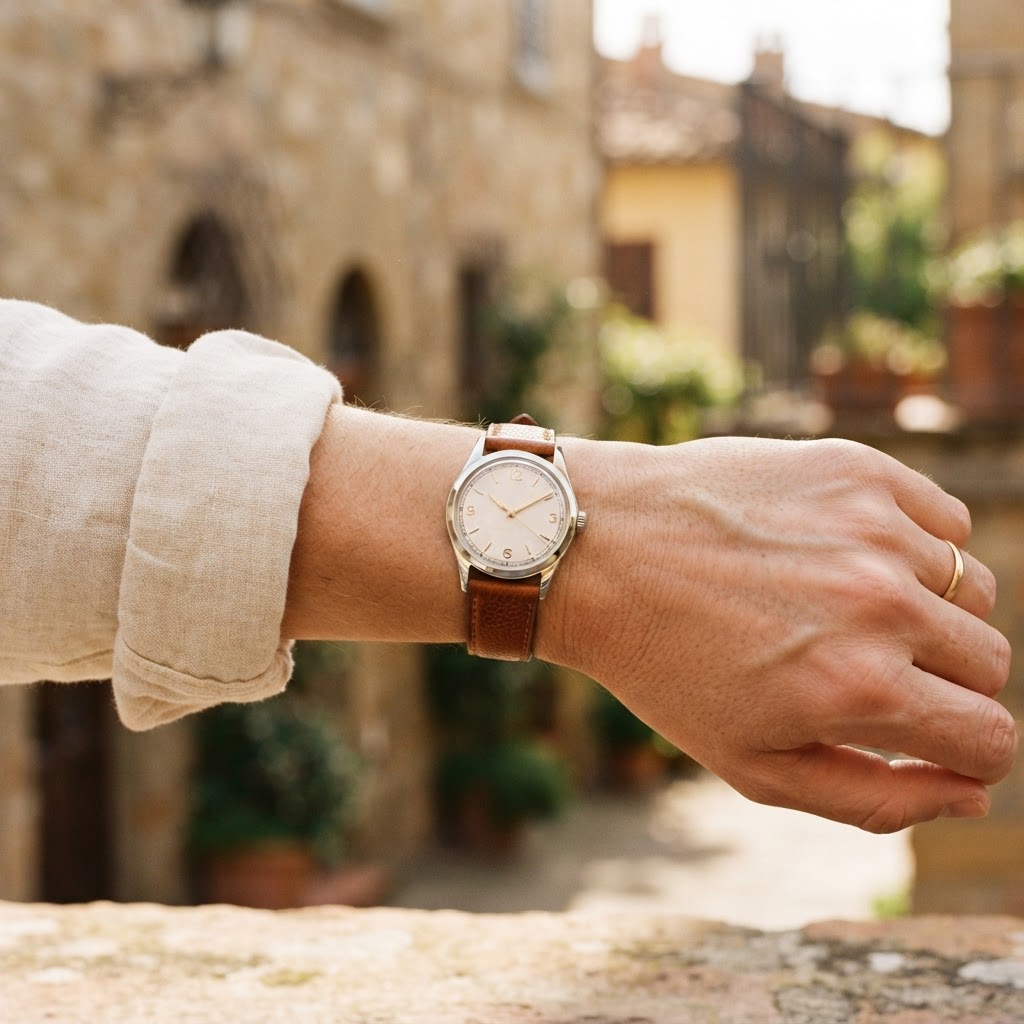
The fastest way to judge a watch is not to read about it but to handle it.
Start with the crown. Does it engage the threads cleanly? Is the winding smooth, slightly resistant in a reassuring way, or does it feel sandy and vague? A well-executed crown action tells you a great deal about tolerances and care in assembly. Formex, for example, has built a strong reputation partly because its watches often feel mechanically resolved in the hand, not just visually polished in photos.
Then move to the bracelet or strap. This is where many brands quietly separate themselves. A watch can have an excellent case and respectable movement yet disappoint the moment you feel a jangly bracelet with sharp edges or a clasp that shuts with a tinny snap. By contrast, a bracelet that drapes naturally and tapers thoughtfully can elevate the entire experience. Citizen has become especially interesting here in recent years, with several modern references showing just how much comfort and finishing can improve wearability. Farer, meanwhile, often proves that a superb strap choice and case profile can make a colorful design feel sophisticated rather than loud.
Look closely at the dial and hands. Are the indices precisely set? Is the lume neatly applied or slightly overrun at the edges? Do the hands reach where they should? Misaligned chapter rings and short minute hands are the kinds of flaws that enthusiasts spot immediately, not because they are pedantic, but because they interrupt the visual rhythm of the watch.
Microbrands have become remarkably strong in this area. Baltic has earned genuine respect by understanding restraint. The Aquascaphe, for instance, succeeds not because it shouts specifications but because it knows when to stop. The proportions, crystal profile, and vintage-minded detailing work in concert. Venezianico and Mitch Mason have also shown how younger brands can deliver finishing and design maturity that would have been difficult to imagine at their price points a decade ago.
The Movement Question, Without the Romance or the Snobbery
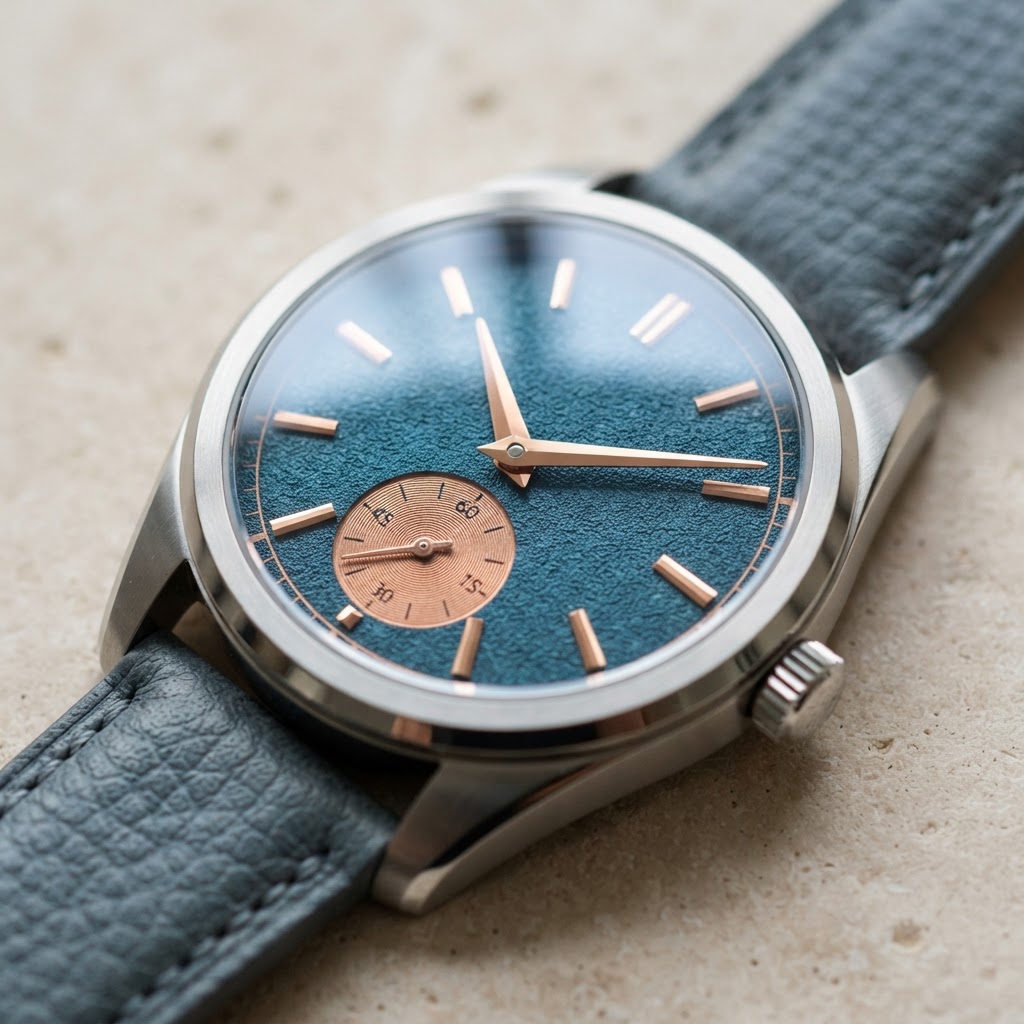
Collectors love to talk about movements, and rightly so. But movement quality is often misunderstood.
An elaborate in-house caliber is not automatically better for every owner than a dependable, easily serviced workhorse. There is real value in a Miyota 9015 or Sellita SW200 when it is properly regulated, competently installed, and backed by a brand that can support service down the line. Reliability and serviceability are forms of quality too.
This is one reason the watch world has become kinder to pragmatic movements. A beautifully regulated Miyota inside a well-designed NEUTRA or Farer can be more satisfying to own than a more exotic caliber housed in a watch with weaker ergonomics or uncertain parts support. Likewise, a Seiko movement may not always win a timing contest on paper, but many collectors remain loyal because those watches have a kind of honest durability that is hard to dismiss.
When evaluating a movement, ask a few grounded questions. How well is it regulated from the factory? Is the rotor noisy in an annoying way or simply characterful? Does the date change cleanly? Can any qualified watchmaker service it, or will ownership depend on a single brand channel? The answers matter more than whether the movement name sounds romantic in a forum post.
Design Integrity Is a Form of Quality
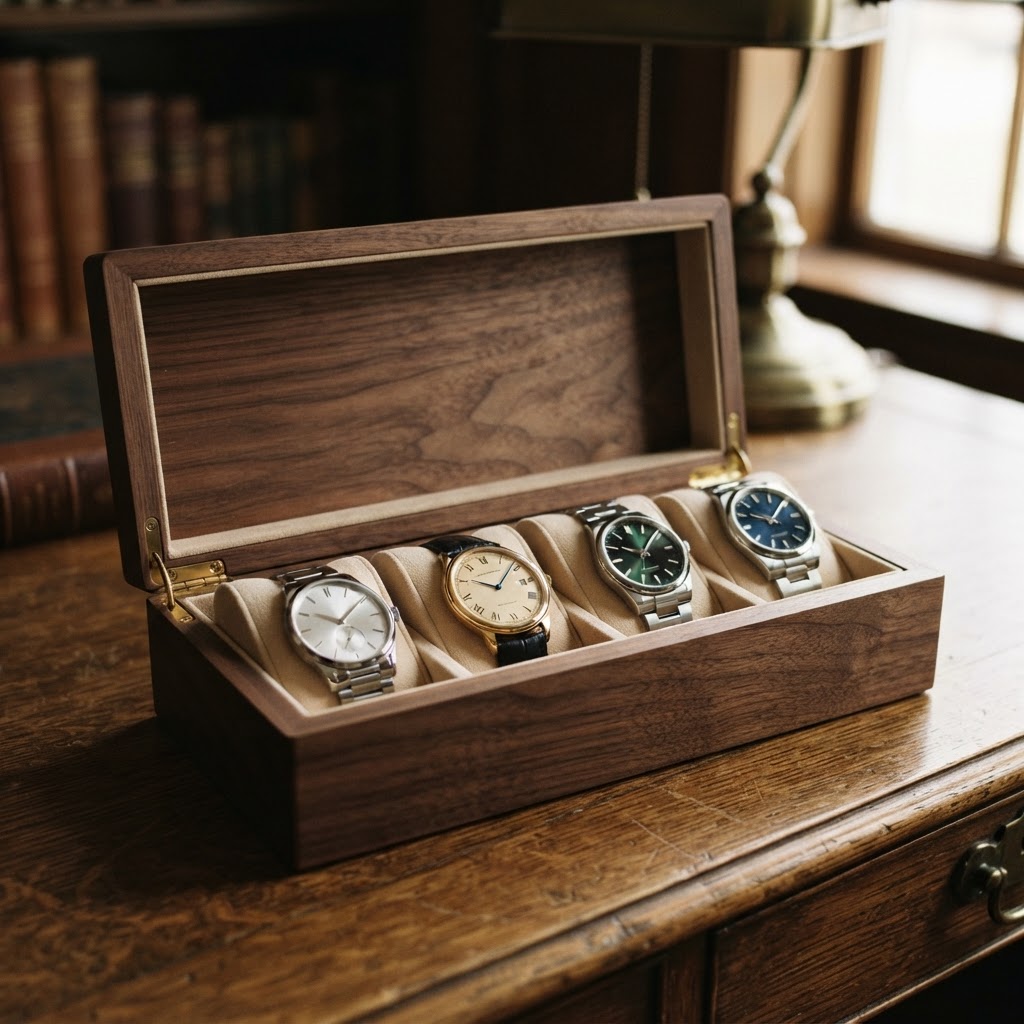
One of the clearest signs of a good watch is that it knows what it wants to be.
Some brands chase trends, integrated bracelets, vintage-faux patina, textured dials, bright travel GMT colors, without fully resolving them. Others build watches with a clear point of view. That clarity reads as quality even before you examine the finishing.
Consider a Baltic dressier chronograph, a Formex Essence, or a Hamilton field watch. These are very different pieces, but each tends to communicate a stable identity. Even when the inspirations are familiar, the execution feels intentional. That matters.
It is also where honest microbrands can shine. The best of them are not pretending to be something else. They are transparent about the movements they use, realistic about their heritage, and focused on delivering value in the places enthusiasts actually feel. A well-made watch from a young brand with integrity is far more compelling than an over-marketed watch hiding behind vague luxury language.
The Real Test Comes After the Honeymoon
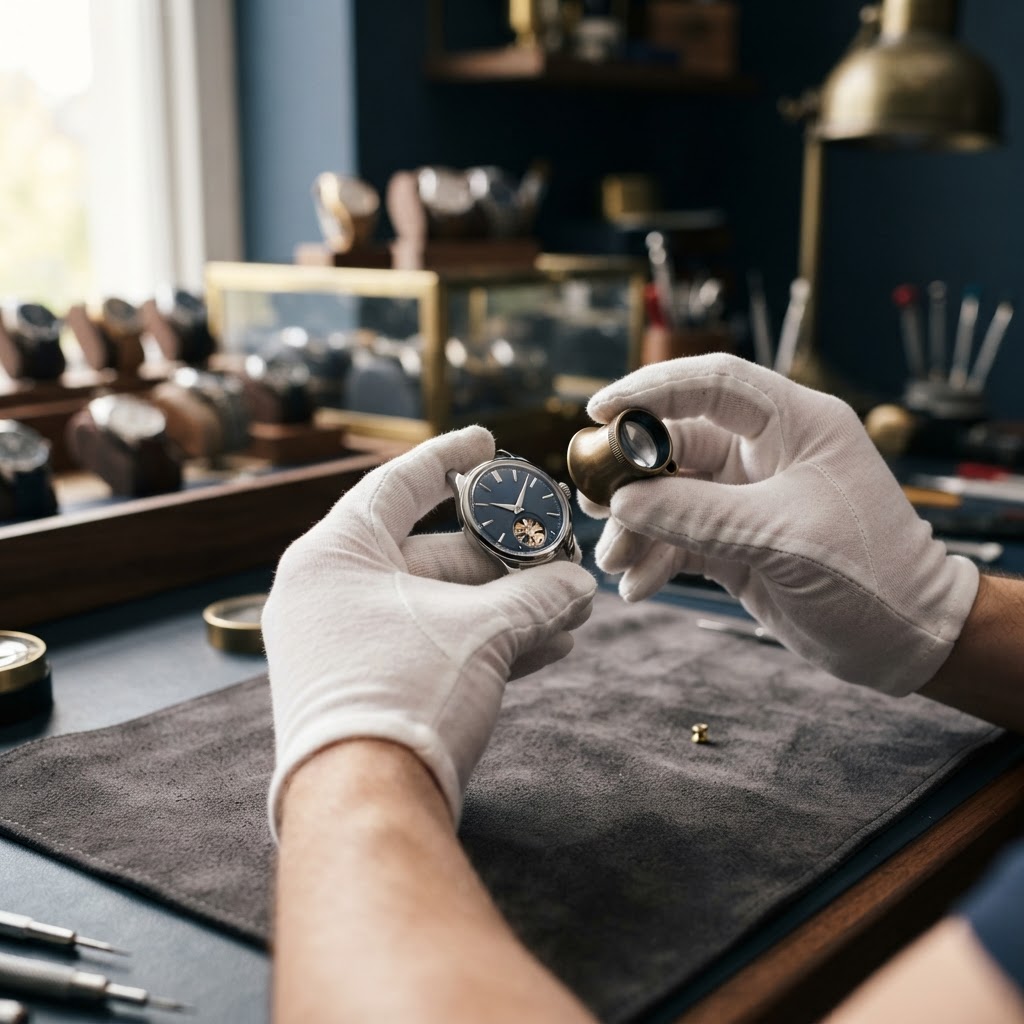
Perhaps the truest measure of quality is whether a watch grows with you.
Does it remain comfortable over a full day? Do you keep finding reasons to wear it, even after newer arrivals compete for attention? Does the finishing still please you in ordinary light, not just under a camera lens? A watch that survives the end of infatuation has usually earned its place.
Seasoned collectors know this well. The pieces that last in a collection are not always the most expensive or technically ambitious. Often they are the ones that feel complete. They ask nothing extra of you. They simply do their job with quiet confidence.
For beginners, this is liberating. You do not need to memorize every caliber family or chase consensus. Learn to observe. Wind the crown. Study the dial under natural light. Notice how the bracelet moves. Ask how the brand will support the watch five years from now.
That is how taste is built, slowly, through attention.
And in the end, that may be the greatest pleasure in collecting: discovering that quality is not a single feature but a relationship between design, mechanics, wear, and time. The more you handle watches, the more fluent you become. Conversations get better, preferences sharpen, and a simple question, "Is this a good watch?", turns into a far richer one: "Why does this one stay with me?"
That is the kind of question watch people never really tire of asking, especially in good company.