



Origins in the trenches
The story of the tool watch begins not in boutiques but in mud and wire. During World War I, soldiers increasingly strapped small pocket watches to their wrists with crude wire lugs for quick legibility under fire. These “trench watches” traded ornate decoration for luminous numerals, robust cases, and easy-to-grip crowns, priorities that would define functional timekeeping for the next century.
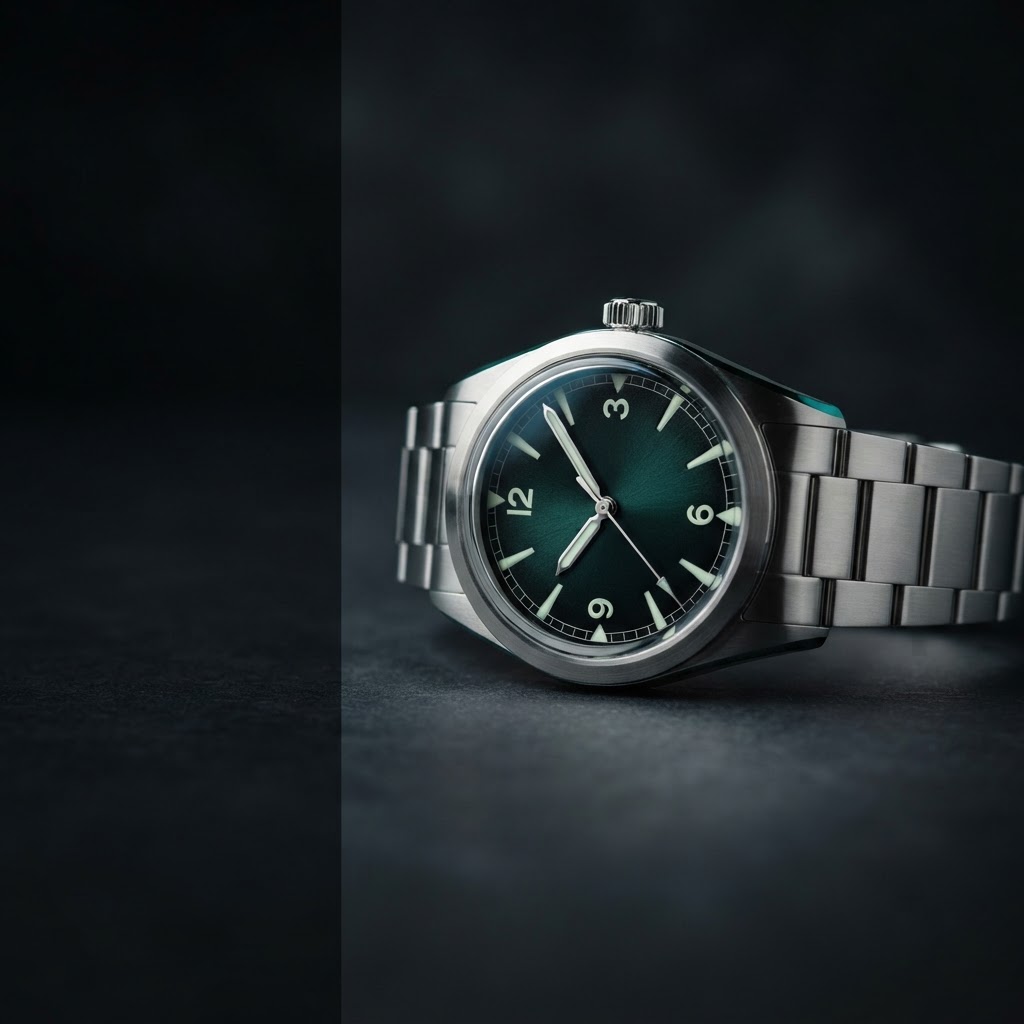
By World War II, practicality had matured into specification. The U.S. Army’s A-11 standard, built by Hamilton, Elgin, and Waltham, called for highly legible black dials, hacking seconds, and reliable, easily serviced movements. Across the Atlantic, Britain’s postwar WWW spec yielded the famed “Dirty Dozen,” including Omega, IWC, and Longines. These were tool watches in their purest form: instruments whose aesthetics were dictated by purpose. Today’s Hamilton Khaki Field directly channels this lineage, proving that good design born from necessity rarely goes out of style.
Divers take the lead
If the battlefield gave us the field watch, the ocean forged the dive icon. In the early 1950s, military and scientific diving demanded specialized gear. Blancpain’s Fifty Fathoms (1953) and Rolex’s Submariner ref. 6204 (1953/54) established the blueprint: a rotating timing bezel, luminous hands and markers, high-contrast legibility, screw-down crown, and a depth rating that inspired confidence. Zodiac’s Sea Wolf arrived in the same decade, proving that the formula resonated beyond elite circles.
The 1960s broadened the genre. Omega’s Seamaster 300, DOXA’s Sub with its decompression bezel and orange dial, and Seiko’s first professional diver, the 62MAS (1965), refined the balance between readability, robustness, and wearability. Many consider Seiko’s later SKX007 a democratic heir, ISO-rated, approachable, unfussy. And Citizen’s Promaster line (launched in 1989) underscored another crucial point in the tool-watch ethos: accessibility without compromise.
Precision under pressure: chronographs and pilots
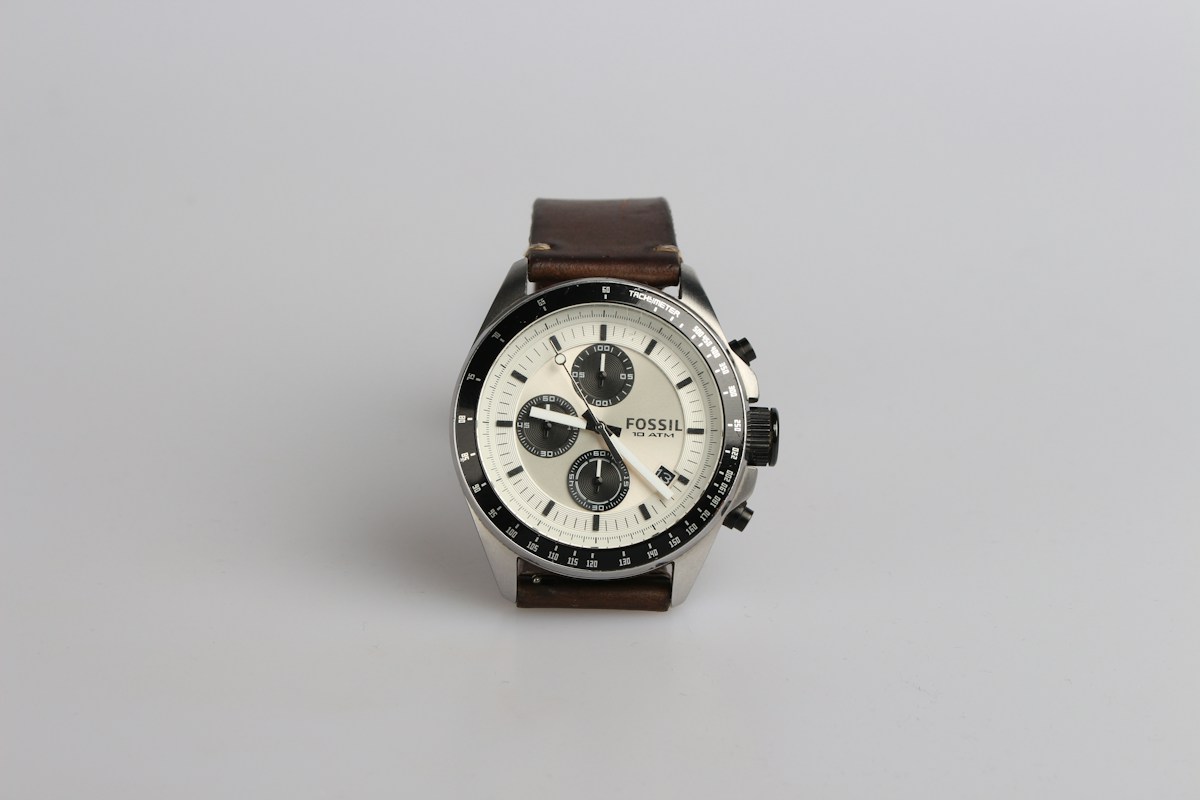
Tool watches aren’t limited to depth and dirt. The pilot’s watch, rooted in early aviation and later in WWII flieger designs, prioritized oversized crowns, high contrast, and at-a-glance reading under turbulence. Postwar, chronographs became the cockpit’s brain. The Omega Speedmaster’s leap to NASA qualification in 1965 and its lunar legacy cemented the chronograph as a scientific instrument.
Meanwhile, movement technology accelerated. The high-beat Zenith El Primero (1969) set a standard for integrated automatic chronographs. Valjoux’s cam-driven 7750 democratized timing functions and still beats inside countless modern watches. The practicality of these calibers wasn’t just about precision, it was about repairability, parts availability, and cadence of service, values collectors still weigh today.
The quartz reckoning and democratization of tools
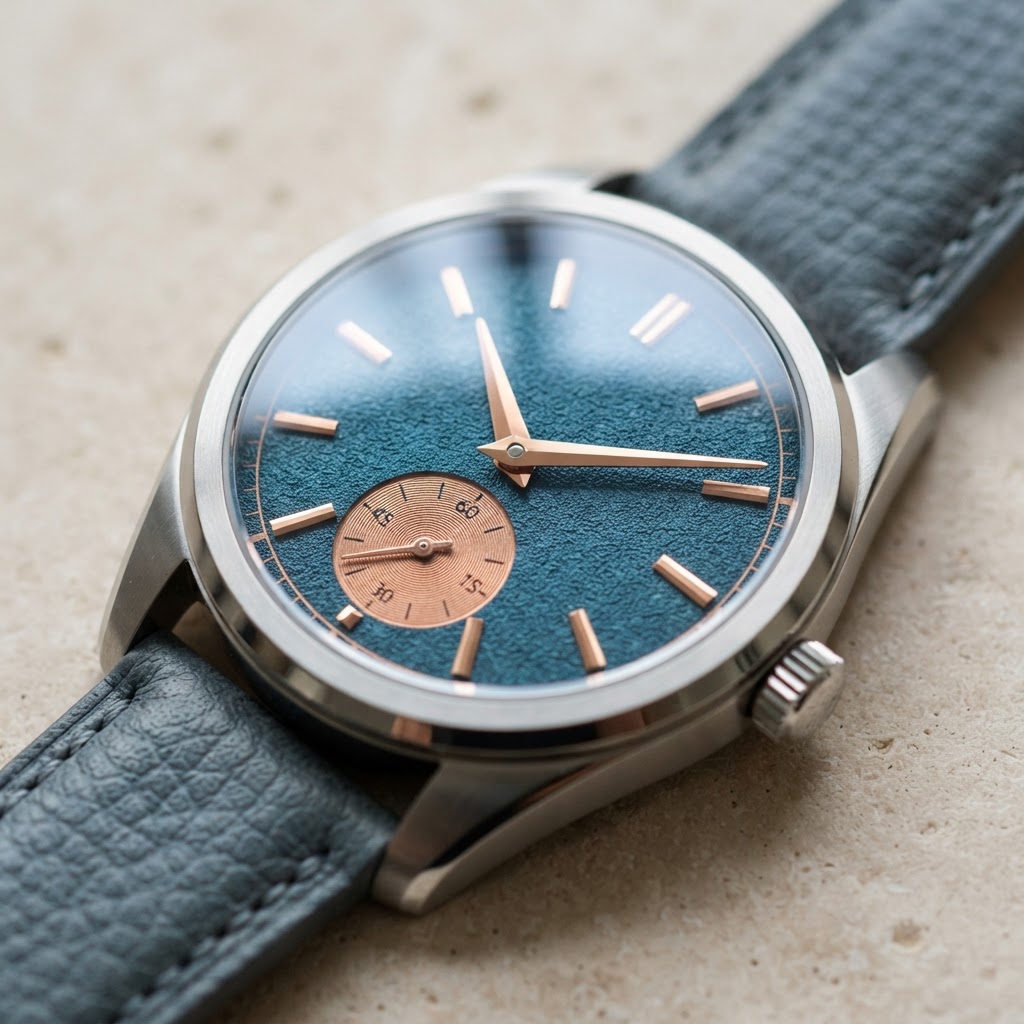
Seiko’s Astron (1969) reframed accuracy itself. Quartz watches delivered extraordinary precision, low maintenance, and affordability, toppling mechanical hegemony. Many traditional makers faltered; some disappeared. Yet the paradox of the Quartz Crisis is that it safeguarded the tool-watch ideal: functionality first. Digital dive timers, rugged field quartz, and solar innovations (think Citizen Eco-Drive) kept the tool-wearer’s needs at the center, even as the industry recalibrated.
In the mechanical resurgence that followed, two currents converged: luxury finishing for icons and a re-celebration of the honest, workmanlike watch. The latter current quietly set the stage for something new, microbrands with big ideas.
Microbrands carry the torch
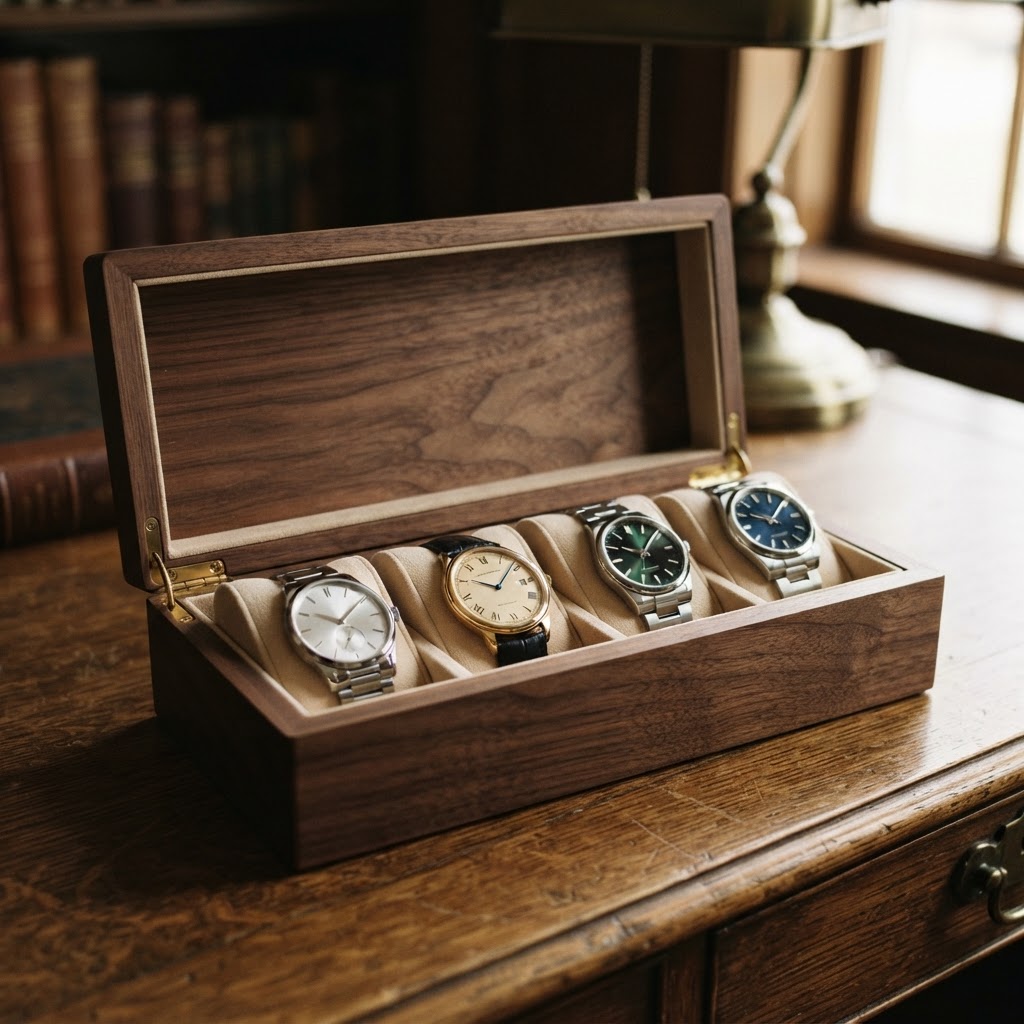
Today’s independent and microbrand scene has revived the scrappy spirit of early tool-watch innovation. Freed from the baggage of heritage (and sometimes from retail overhead), makers can iterate quickly, listen to enthusiasts, and deliver compelling value.
Baltic’s Aquascaphe channels mid-century dive proportions with modern assembly quality. Farer’s Aqua Compressor reinterprets the super-compressor aesthetic with colorful British flair. Formex, long a cult favorite for engineering-driven design, gives the Reef and Essence families quick-adjust clasps, COSC options, and modular bezels that feel delightfully overbuilt. Venezianico’s Nereide offers an Italian spin on the diver template with confident case architecture. Field-first independents like Mitch Mason’s Chronicle lean into A-11 DNA for a fresh, everyday-wearable package. Even newer players, NEUTRA among them, lean on reliable movements like the Miyota 9039 or Seiko’s NH35 to deliver what matters: accurate, serviceable, robust timekeeping.
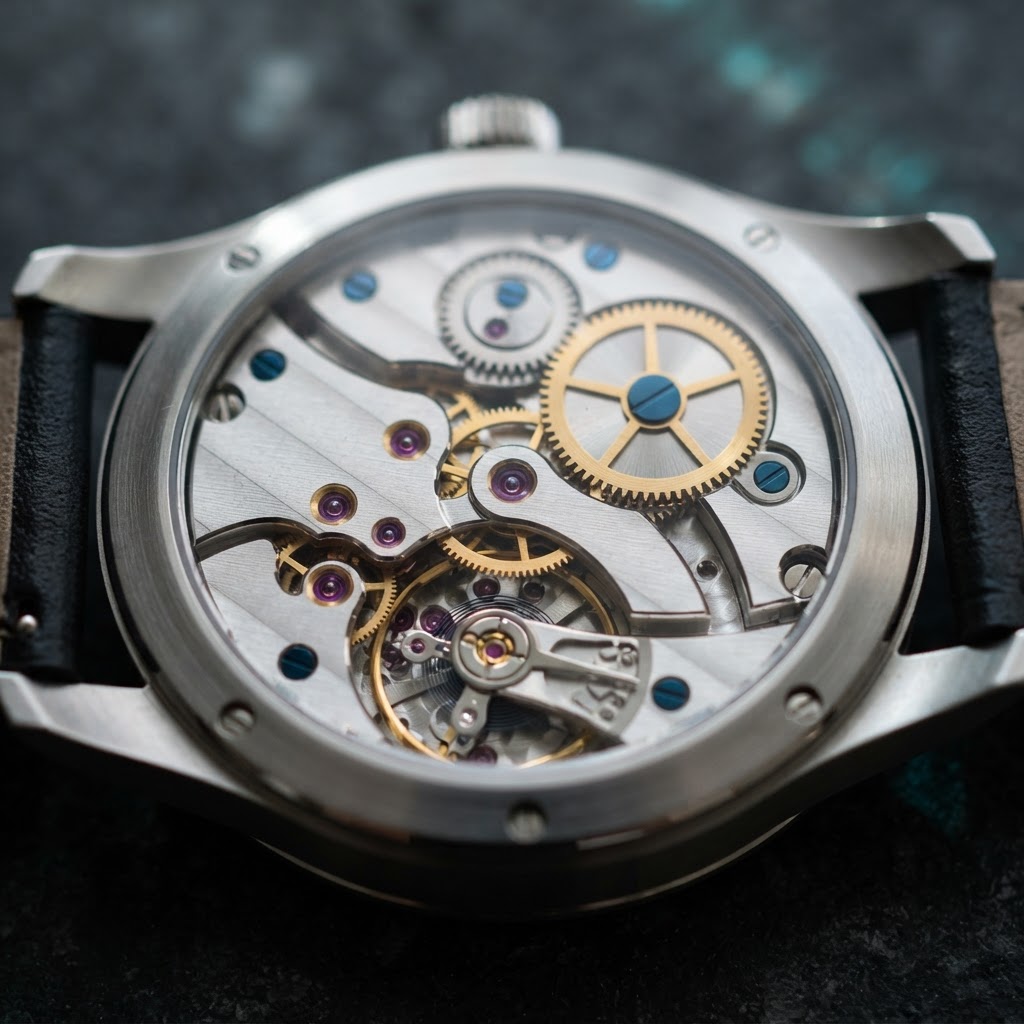
Under the hood, the supply chain tells its own story. The workhorse ETA 2824-2 and its stalwart counterpart, the Sellita SW200, are widely serviceable and familiar to any competent watchmaker. Japan’s Miyota 9015/9039 families grant thinness and efficiency; Seiko’s NH35A trades height for unbeatable ruggedness and cost-effectiveness. Tool watches succeed not just by design, but by the ecosystem that keeps them ticking for decades.
Collecting with purpose: practical wisdom
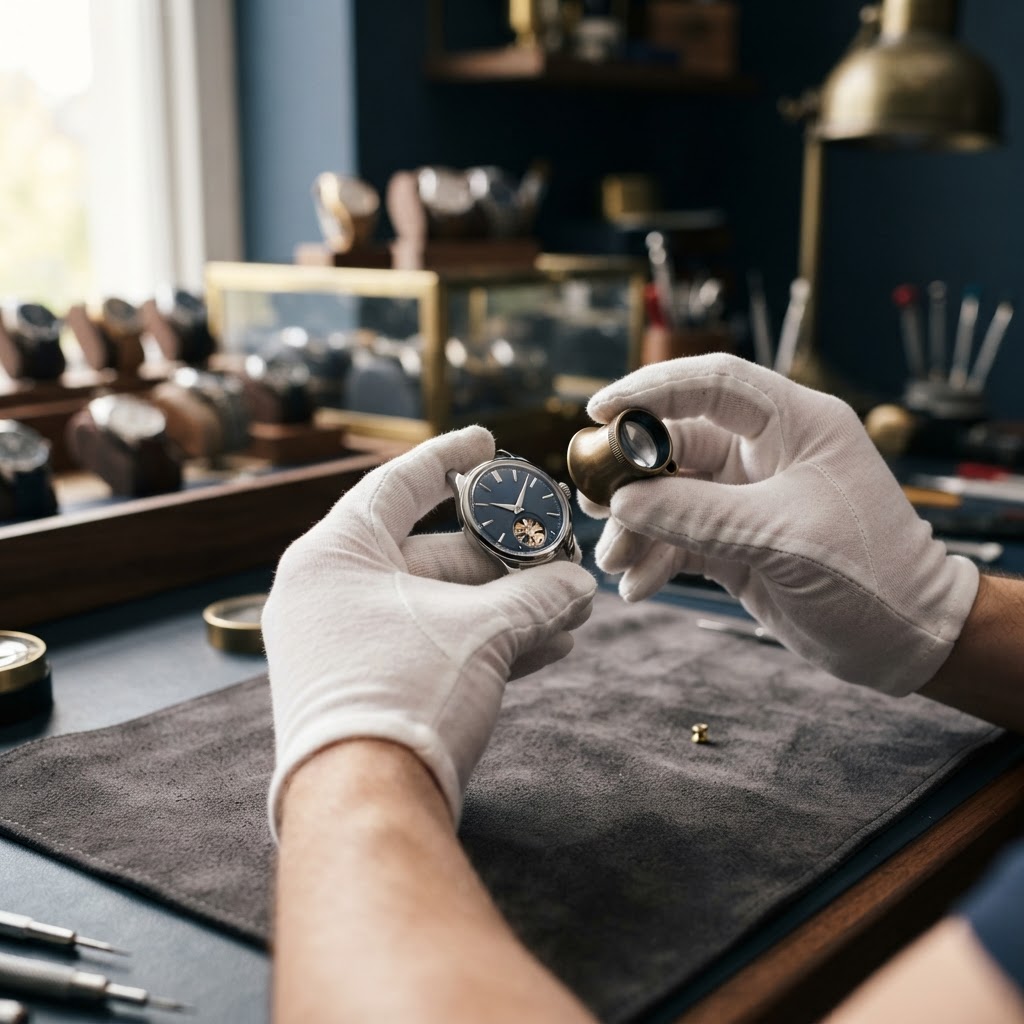
For enthusiasts, whether your first Hamilton Khaki is en route or you’re weighing a vintage Submariner, the same tool-watch principles guide smart collecting.
- Buy the brief, not just the brand. Ask: Was this watch designed to solve a real problem? A Baltic Aquascaphe with drilled lugs and a sensible bezel may serve your life better than a desk-diver with flashy specs.
- Condition over mythology. Vintage divers and fields lived hard lives. Moisture damage, over-polished cases, or mismatched hands can be costlier than the sticker suggests. Favor honest wear and coherent parts over “rare” but compromised examples.
- Serviceability is a feature. Look for movements with widely available spares (ETA/Sellita/Miyota/NH families). Ask your watchmaker about parts access before you dive in, literally and figuratively.
- Respect water resistance. Gaskets age. If you plan to swim with any watch, have it pressure-tested annually. On vintage, consider keeping water far away; a sympathetically restored DOXA Sub dial is worth more than a pool day.
- Keep what’s original, keep what’s practical. Original dials and hands carry value; unnecessary relumes can erase history. Straps and bracelets, however, are fair game, NATO, Tropic, nylon, or steel can radically transform fit and function without harming originality.
- Embrace sensible upgrades. A modern sapphire crystal on a contemporary tool watch, a ratcheting clasp for wetsuit fit, or anti-magnetic alloys can improve daily usability without betraying the spirit.
Finally, wear the watch. Tool watches are meant to work, timing a moka pot, pacing an interval run, tracking a decompression stop, or measuring a rest between lugs. Patina earned in your life is the most satisfying provenance.
Why it still matters
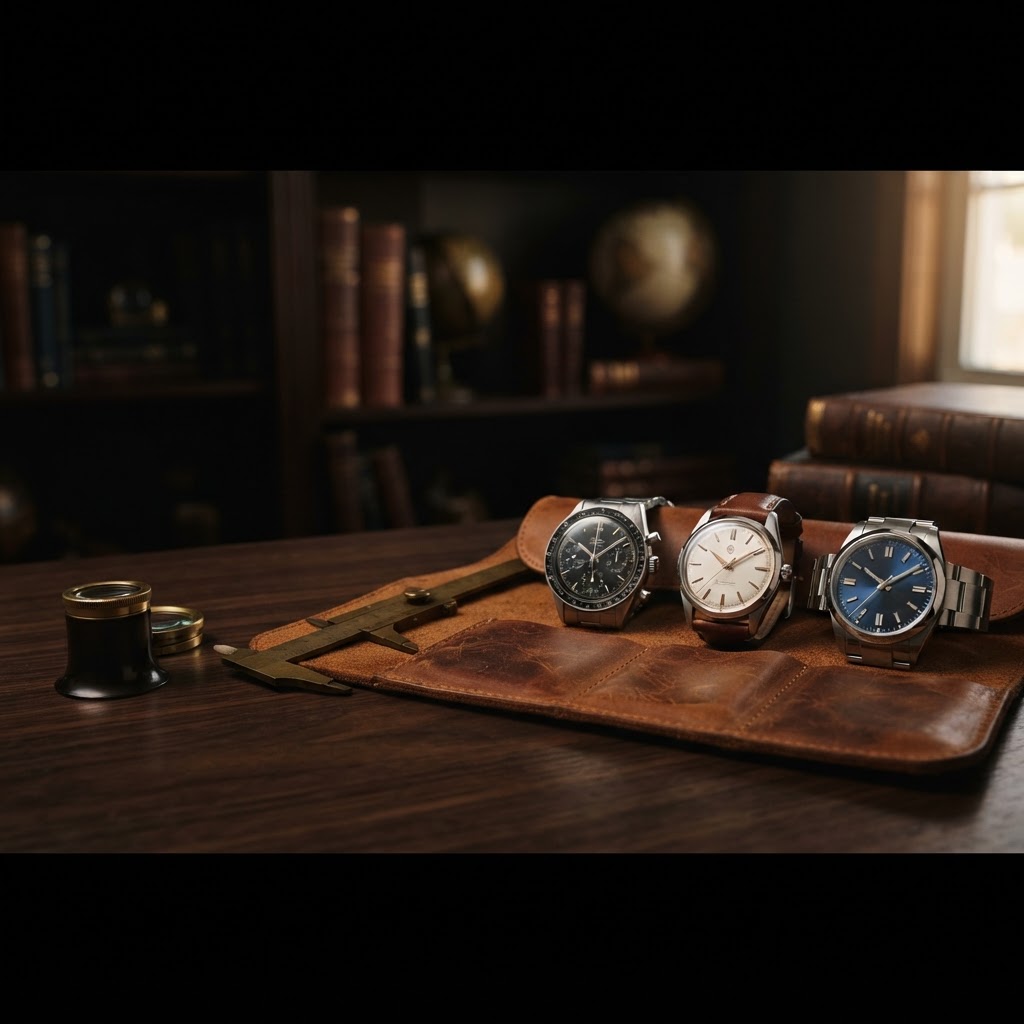
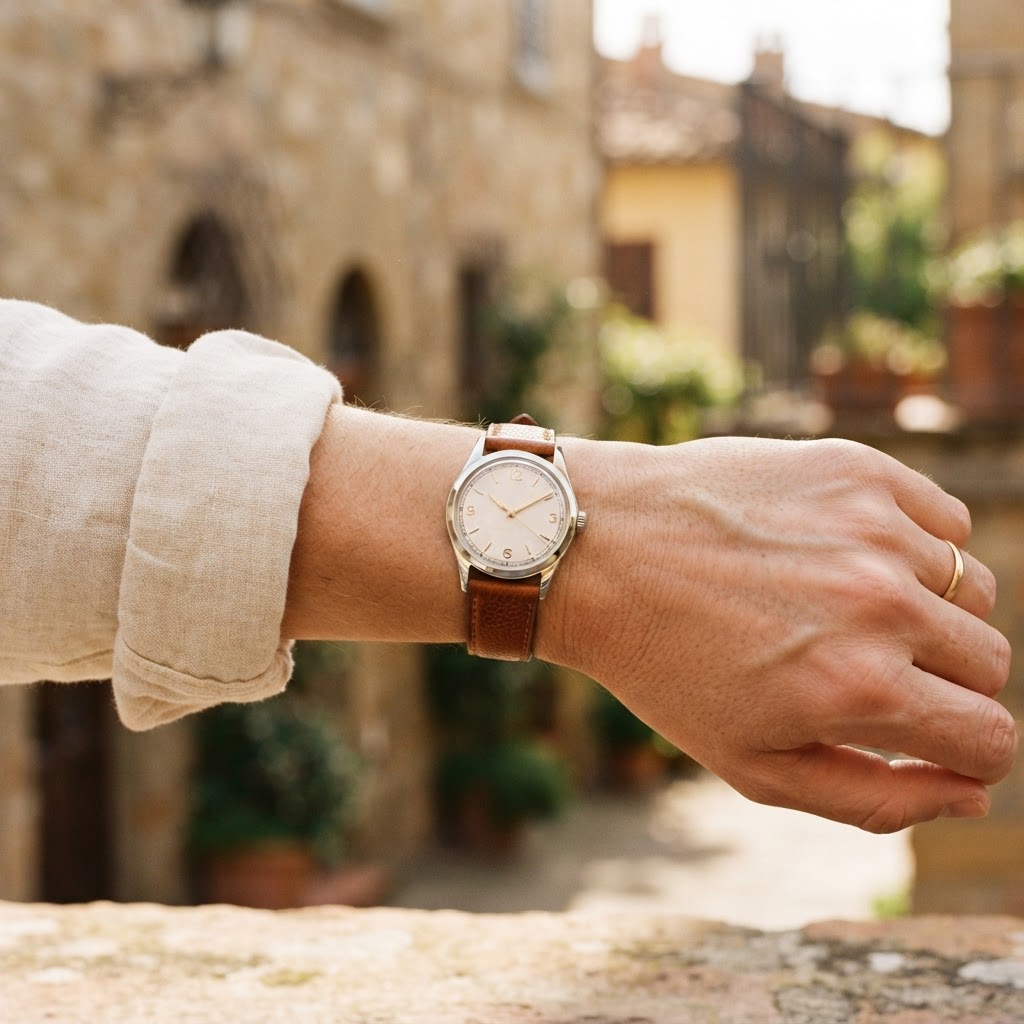
The allure of tool watches endures because they reconcile romance with reality. They connect us to explorers, divers, pilots, and engineers, and, crucially, to our own everyday missions. Whether you find that spirit in a Seiko 62MAS reissue, a Citizen Promaster beaten into comfort, a Farer with a burst of color, or a Formex machined to tolerances that make you grin, the throughline is the same: design that serves.
In a world crowded with choices, this clarity is a gift to collectors. It steers us toward watches we’ll use, cherish, and maintain. It rewards curiosity, hands-on learning, and the conversations that make this hobby more than a solitary pursuit. Around here, those conversations are our favorite part, passed from wrist to wrist, story to story, just the way we like it at The Keeper Box.


