
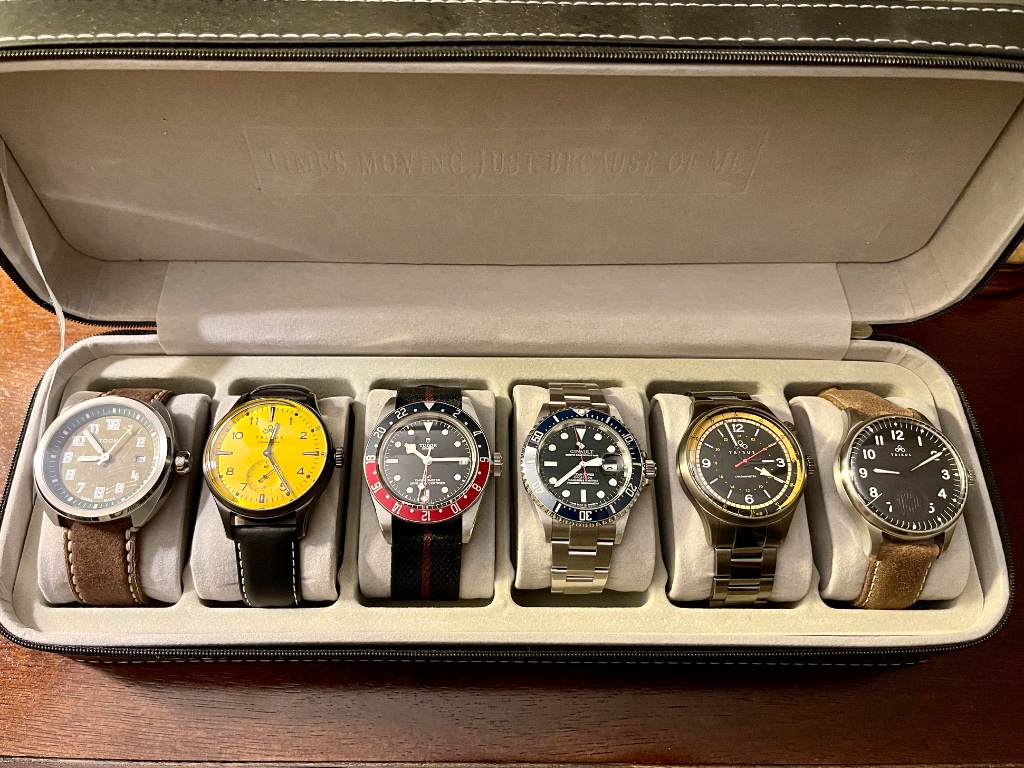

There are few themes in watch collecting as enduring as the tool watch. Long before luxury sports watches became status symbols, these were instruments first: built for pilots, divers, soldiers, racers, and engineers who needed reliable timekeeping under pressure. Their appeal was never purely aesthetic, yet that very sense of purpose is exactly what gives them lasting beauty.
For collectors, the history of tool watches offers something deeper than nostalgia. It reveals how function, necessity, and industrial ingenuity helped shape many of the most beloved designs in horology. Whether you are drawn to a weathered Hamilton field watch, a Seiko diver, or a modern microbrand reinterpretation from Farer or Formex, you are participating in a lineage that still matters.
When watches became instruments
The rise of the tool watch is closely tied to the 20th century, when wristwatches evolved from delicate personal accessories into dependable professional equipment. Pocket watches had already proven useful, but the demands of war, aviation, underwater exploration, and motorsport pushed watchmakers to create something more rugged and wearable.
Military use was especially important. During the First and Second World Wars, wristwatches demonstrated clear practical advantages over pocket watches. Legibility, durability, and ease of access became priorities. Brands like Hamilton built their reputations on supplying reliable military timepieces, and the visual language of the field watch was born: Arabic numerals, high contrast dials, luminous hands, compact cases, and no unnecessary decoration.
That formula remains remarkably powerful. A modern Hamilton Khaki Field still feels honest because its design logic is intact. Even when updated for civilian wear, it carries the DNA of an object made to serve a purpose.
The golden age of specialized watches
By the 1950s and 1960s, the tool watch had entered its great age of specialization. This was the era when watchmakers began designing around distinct environments and professions, and some of horology’s most iconic categories took shape.
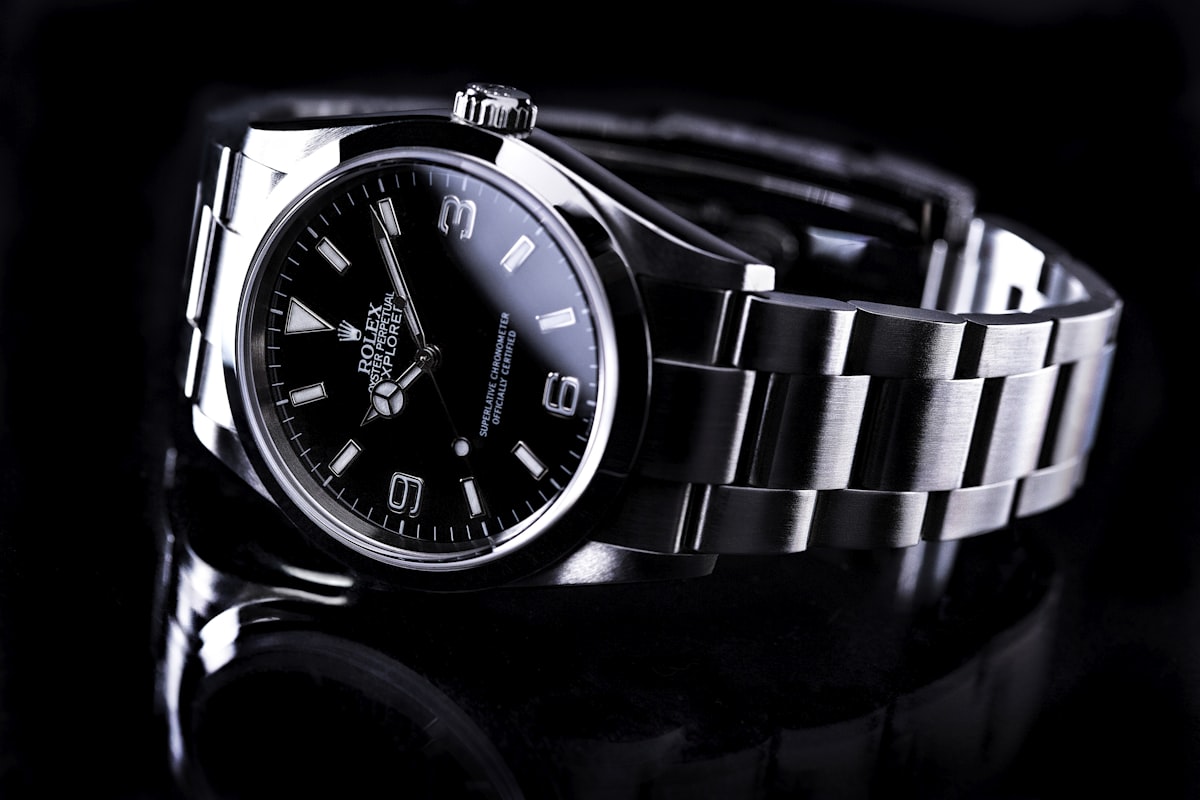
Dive watches are perhaps the clearest example. As recreational and professional diving expanded, demand grew for watches that could survive underwater pressure, remain legible in low light, and measure elapsed time safely. Blancpain’s Fifty Fathoms and the Rolex Submariner set the template, while later Seiko divers brought robust capability to a much broader audience. References like the Seiko 62MAS and the generations that followed helped define what an accessible, dependable dive watch could be.
Pilot’s watches followed another path. They emphasized oversized crowns, clear minute tracks, anti-magnetic properties, and dials that could be read instantly in a cockpit. Flieger models from German makers, along with chronographs developed for navigation and timing, showed how watch design could be shaped almost entirely by operational need.
Then came motorsport chronographs, GMT watches for the jet age, and anti-magnetic models for scientists and engineers. Each category answered a practical problem. The best of them did so with enough clarity that, decades later, even a newcomer can look at the dial and intuit what the watch was made to do.
Why utility became style
One of the paradoxes of watch history is that the most functional objects often age the most gracefully. Tool watches were not trying to be fashionable. Their forms emerged from necessity, and that tends to produce design honesty.
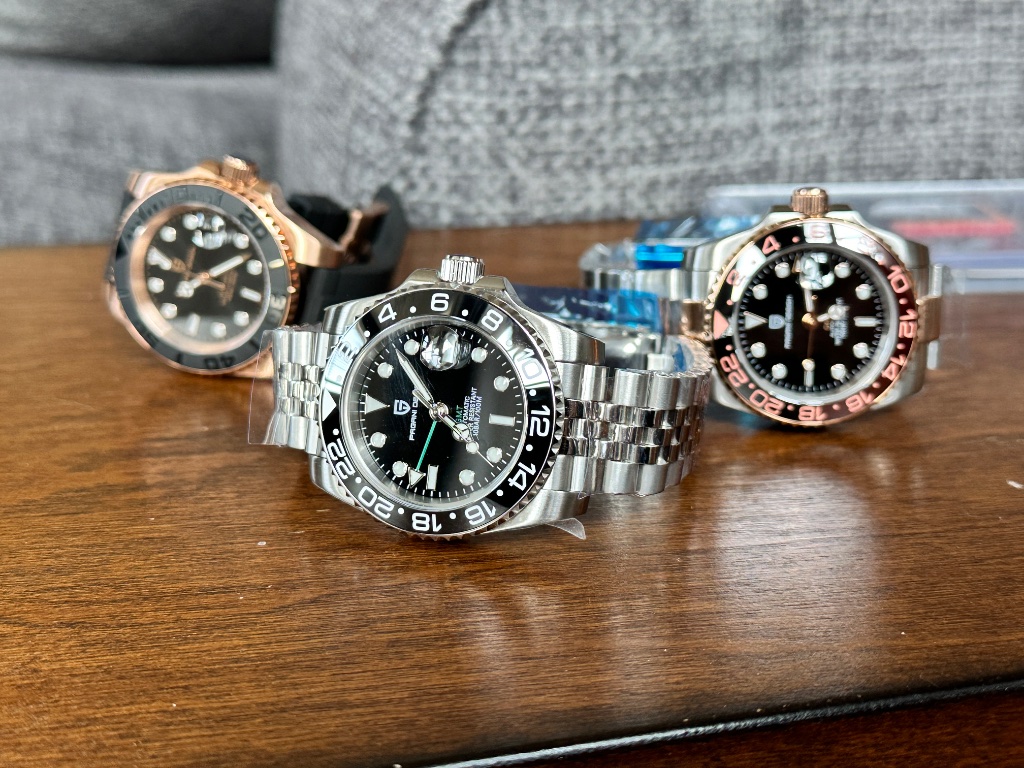
A rotating dive bezel, syringe hands, broad arrow markers, fixed bars on a military case, or a 24-hour GMT hand all communicate purpose. Over time, collectors came to appreciate these details not just as features, but as visual signatures of real-world use. The language of function became the language of style.
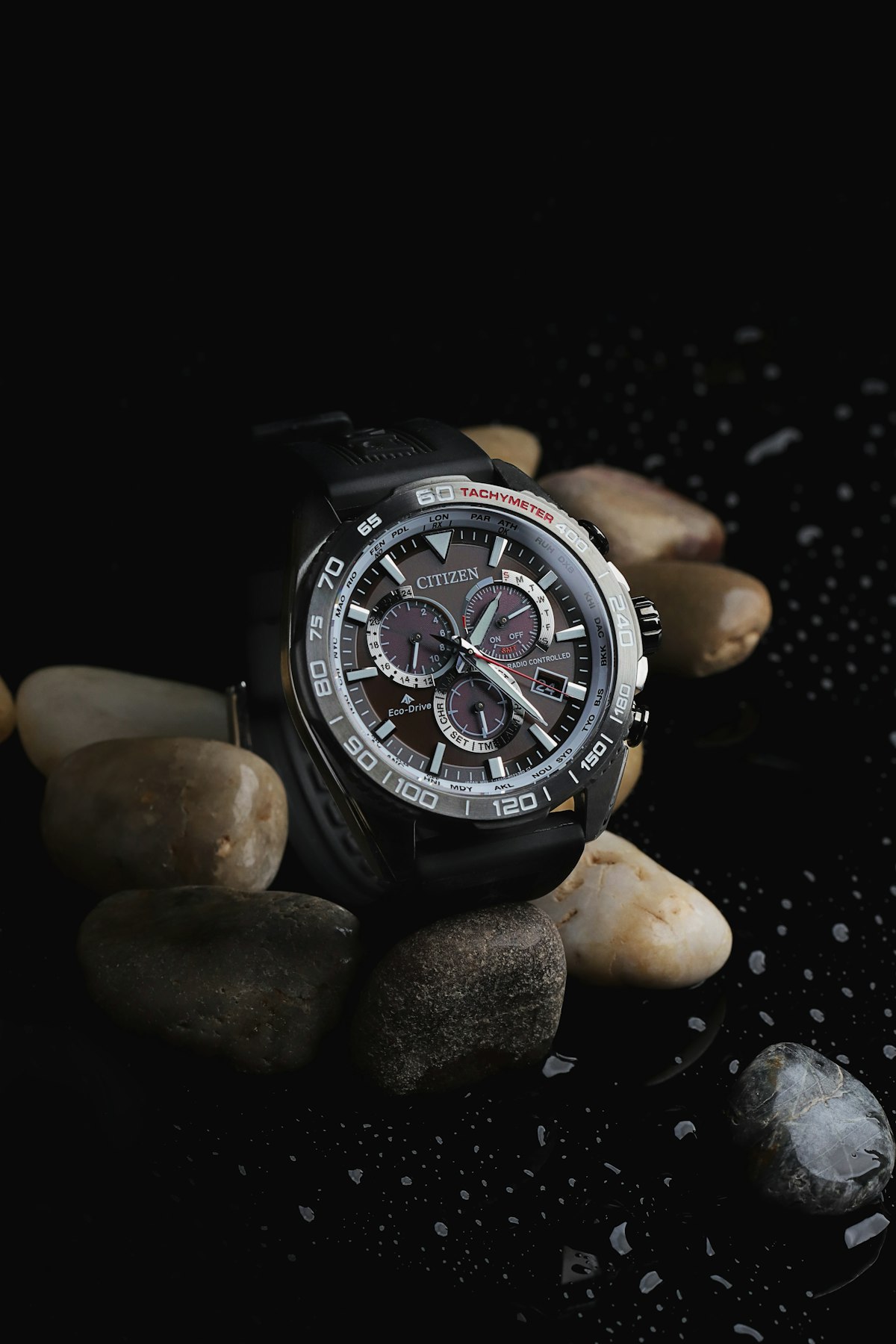
This helps explain why vintage-inspired watches feel so compelling today. A Baltic Aquascaphe, a Citizen Promaster, or a Formex field or sport model resonates because it taps into familiar design codes with restraint. Even younger brands such as Mitch Mason, NEUTRA, and Venezianico often succeed when they understand that tool-watch charm is not about copying patina or faux-aging a dial. It is about preserving coherence between form and function.
For collectors, that coherence matters. We may no longer need a mechanical watch to descend underwater or navigate a transatlantic flight, but we still recognize integrity when we see it.
The quartz era changed the meaning of “tool”
Any honest history of tool watches must acknowledge the quartz revolution. When quartz movements became widespread in the 1970s, they outperformed mechanical watches in accuracy, affordability, and convenience. If pure utility were the only criterion, many mechanical tool watches should have disappeared.
Instead, the category evolved. Citizen and Seiko proved that quartz could thrive in rugged, professional contexts, while mechanical tool watches shifted from essential equipment to objects of appreciation, ritual, and heritage. The definition of a tool watch widened. It was no longer only about what professionals wore on duty. It was also about the values embodied in the watch: durability, clarity, serviceability, and a sense of readiness.
That is one reason a modern collector might admire both a no-nonsense Seiko Prospex and a hand-wound field watch powered by a Swiss Sellita or a Japanese Miyota movement. The appeal is not merely technical. It is emotional, historical, and tactile.
What collectors should look for today
For newer enthusiasts, tool watches can be one of the best entry points into collecting because they teach you how to read a watch critically. Ask simple questions. Is the dial legible at a glance? Does the case design suit the intended use? Is the movement proven and easy to service? Do the proportions feel wearable rather than exaggerated?
This is where collector wisdom becomes practical. A watch with a well-known caliber, thoughtful lume application, strong water resistance, and balanced dimensions will often provide more lasting satisfaction than a louder piece chasing trends. Tool watches reward use, and many become more attractive with honest wear.
Seasoned collectors often return to them for the same reason. After experimenting with complications, precious metals, and hype-driven releases, there is something grounding about a watch that knows exactly what it is. A good tool watch rarely feels confused.
It is also worth paying attention to modern microbrands. Some of the most interesting interpretations of historical tool-watch design now come from smaller makers who are deeply fluent in enthusiast culture. Farer has explored color and GMT design with confidence, while brands like Baltic and Formex have shown that thoughtful engineering and strong finishing need not be reserved for the establishment. The best of these brands do not merely imitate the past; they edit it.
The enduring soul of the tool watch
The reason collectors still care about tool watches is ultimately simple: they connect the romance of history with the discipline of design. They remind us that horology was never only about ornament. At its best, it was about solving problems beautifully.
That legacy still shapes the watches we buy, wear, and discuss today. A field watch, diver, chronograph, or GMT carries with it traces of the people who once depended on such instruments in very real circumstances. To wear one now is to wear a distilled piece of human ingenuity.
In an age of infinite choice, that kind of authenticity stands out. Tool watches endure because they feel earned. And in a collecting life enriched by conversation, comparison, and shared enthusiasm, they often become the pieces that bring us back to first principles—the sort of watches that spark the best stories when passed around the table among fellow members of the Keeper Box community.