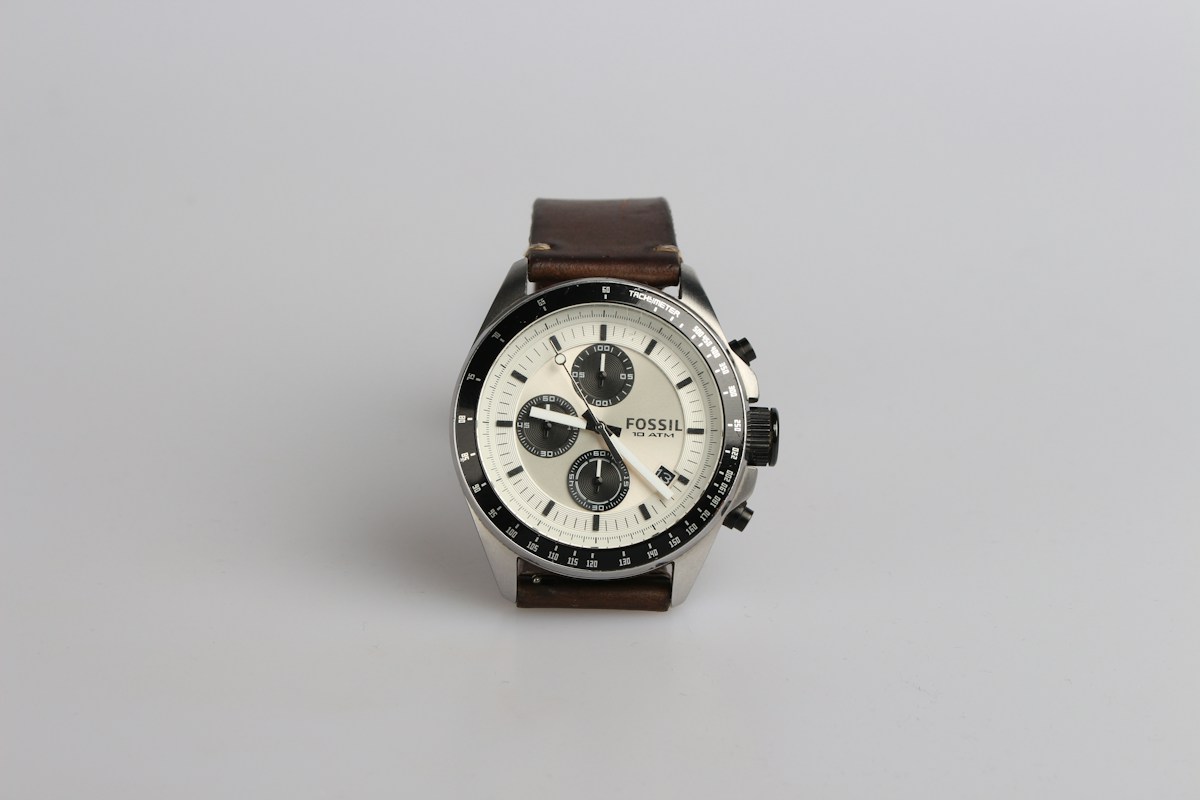
Few watch genres feel as honest as the field watch. There is no pretense in a good one. It exists to tell the time clearly, survive hard use, and disappear comfortably onto the wrist. Yet for all that apparent simplicity, the field watch carries one of the richest stories in modern horology. Its history touches war, industrial design, mass production, and the quiet pleasure collectors find in objects that do exactly what they promise.
For newcomers, the field watch is often a first serious step into collecting. For seasoned enthusiasts, it can be a return to fundamentals after years of chasing complications and precious metals. That broad appeal is part of the point: the field watch has always been democratic, and its best examples still are.
Born from necessity, not nostalgia
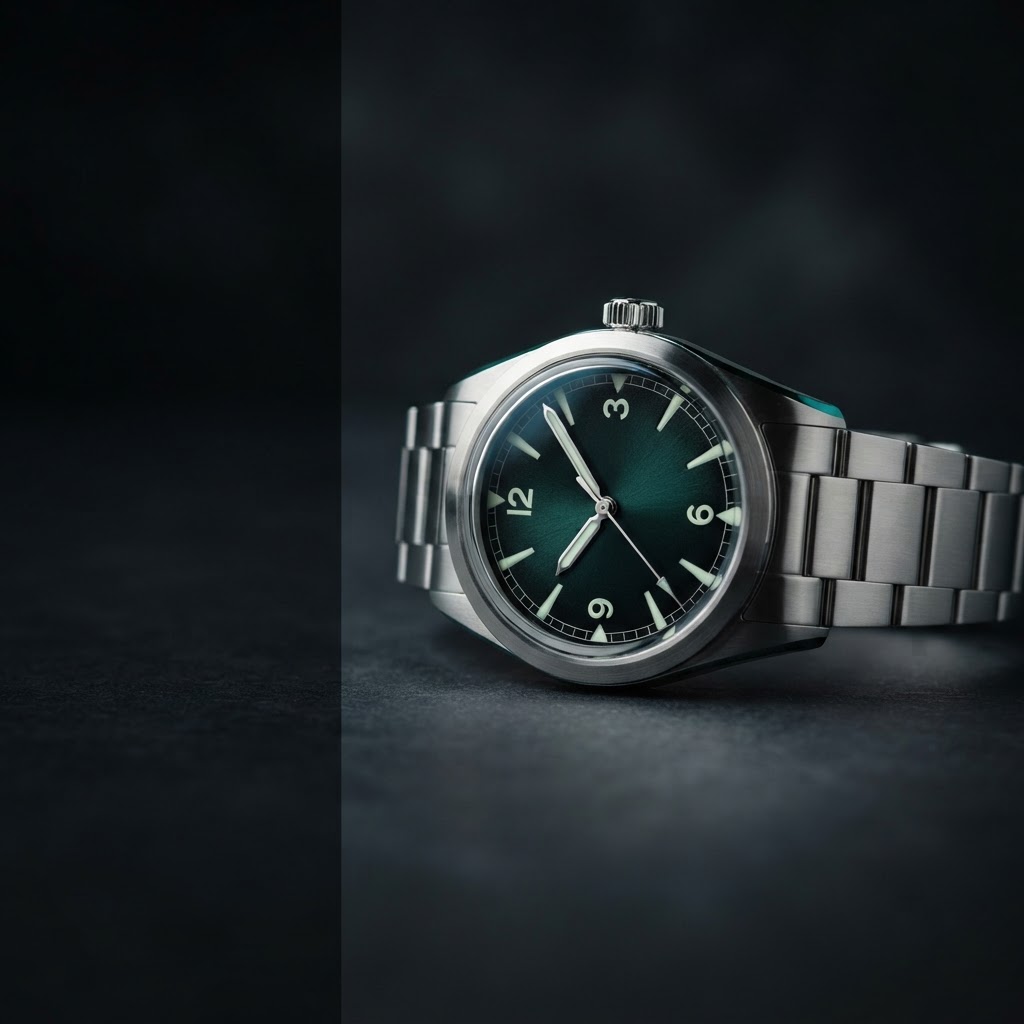
The roots of the field watch stretch back to the early 20th century, when wristwatches began replacing pocket watches in military service. In the trenches of the First World War, a soldier or officer could not afford to fumble for a pocket watch while coordinating movement or timing artillery. A watch worn on the wrist was not merely convenient; it was practical in the most literal sense.
By the Second World War, the military wristwatch had evolved into a defined instrument. In Britain, the now-famous “Dirty Dozen” watches supplied to the Ministry of Defence by brands including Omega, Longines, IWC, Jaeger-LeCoultre, and Timor established a visual language collectors still recognize instantly: black dials, luminous Arabic numerals, railroad minute tracks, central seconds, and robust hand-wound movements.
In the United States, the A-11 became equally important. Produced by brands such as Hamilton, Elgin, and Waltham, it was not luxurious, but it was reliable, legible, and standardized. Many enthusiasts call it the watch that won the war, and while that phrase is romantic, it captures something true: the A-11 proved that a military watch could be both utilitarian and beautifully proportioned.
Hamilton, Benrus, and the American field watch identity
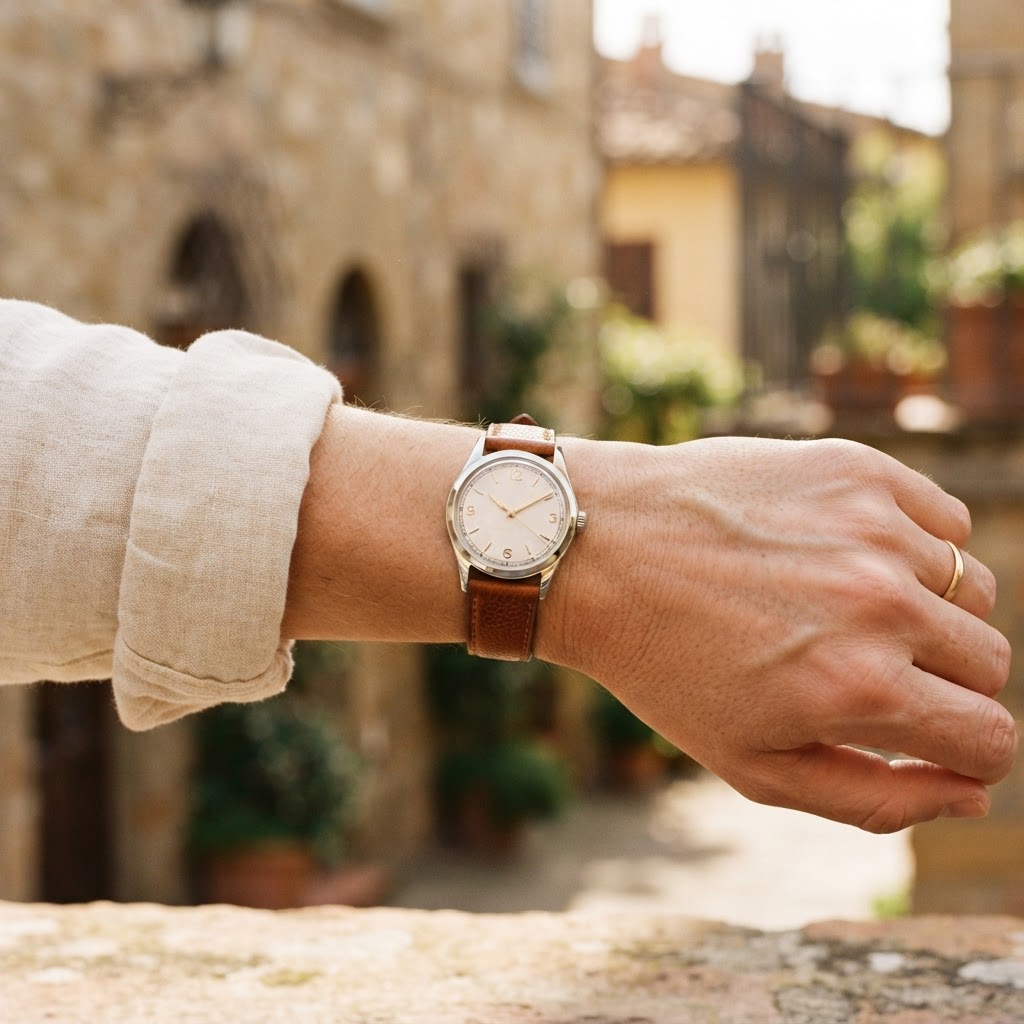
If one brand stands at the center of the American field watch story, it is Hamilton. Long before the modern Khaki line became a collector staple, Hamilton was supplying military timepieces built around clarity and ruggedness. Postwar specifications continued that lineage, eventually leading to watches like the GG-W-113, a Vietnam-era design language that still echoes through contemporary pieces.
Benrus also deserves serious attention here. Its military-issued models, especially those tied to the Type I and Type II eras, pushed the tool-watch concept in a more specialized direction. They were purpose-built objects, not lifestyle accessories masquerading as equipment. That distinction matters, because the charm of the field watch has always been rooted in authenticity.
The modern Hamilton Khaki Field Mechanical is so successful because it understands this heritage without overplaying it. At 38mm, manually wound, and straightforward in layout, it feels close to the spirit of its forebears. It is not a museum reproduction, but it does preserve the virtues that made those earlier military watches great: restraint, balance, and usefulness.
How a military tool became a civilian classic
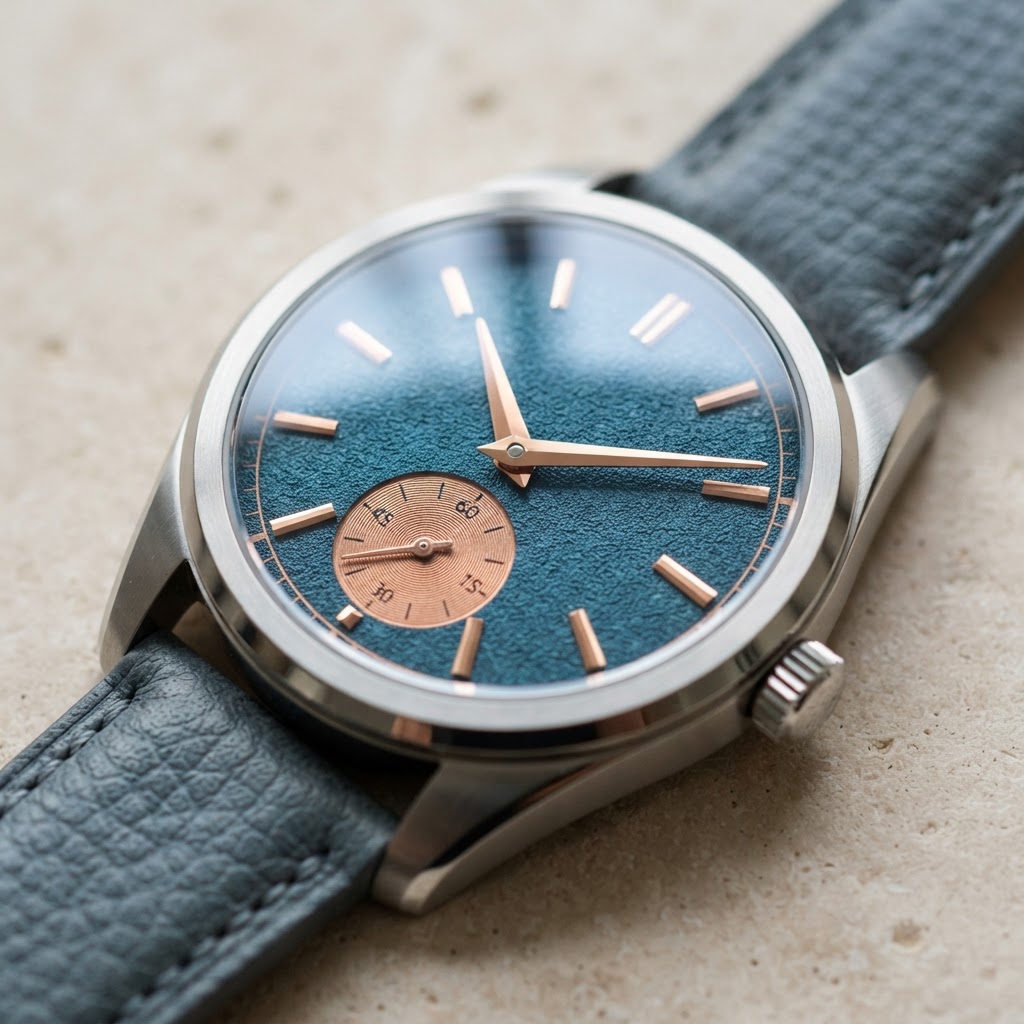
After the wars, the field watch did something many military-born designs struggle to do: it adapted beautifully to civilian life. A diver can look out of place under a cuff. A pilot’s chronograph can feel busy. But a field watch, with its compact case and clean dial, slips naturally into daily wear.
This is where the genre became truly global. Seiko helped democratize rugged everyday watchmaking with references that prioritized value and dependability, and later with the Seiko 5 line, whose no-nonsense spirit made mechanical ownership accessible to generations of enthusiasts. Citizen did much the same through practical, highly wearable models that emphasized reliability over flourish. Timex, too, deserves mention; a simple Camper may not carry the romance of a wartime original, but it keeps the idea alive.
Importantly, the field watch also survived the quartz revolution because its core purpose was never status. A quartz field watch still made perfect sense. In many ways, that resilience reinforced the category’s identity. Whether powered by a hand-wound caliber, an automatic movement, or a quartz module, a true field watch remains committed to legibility and ease of use above all else.
Why collectors keep coming back to them
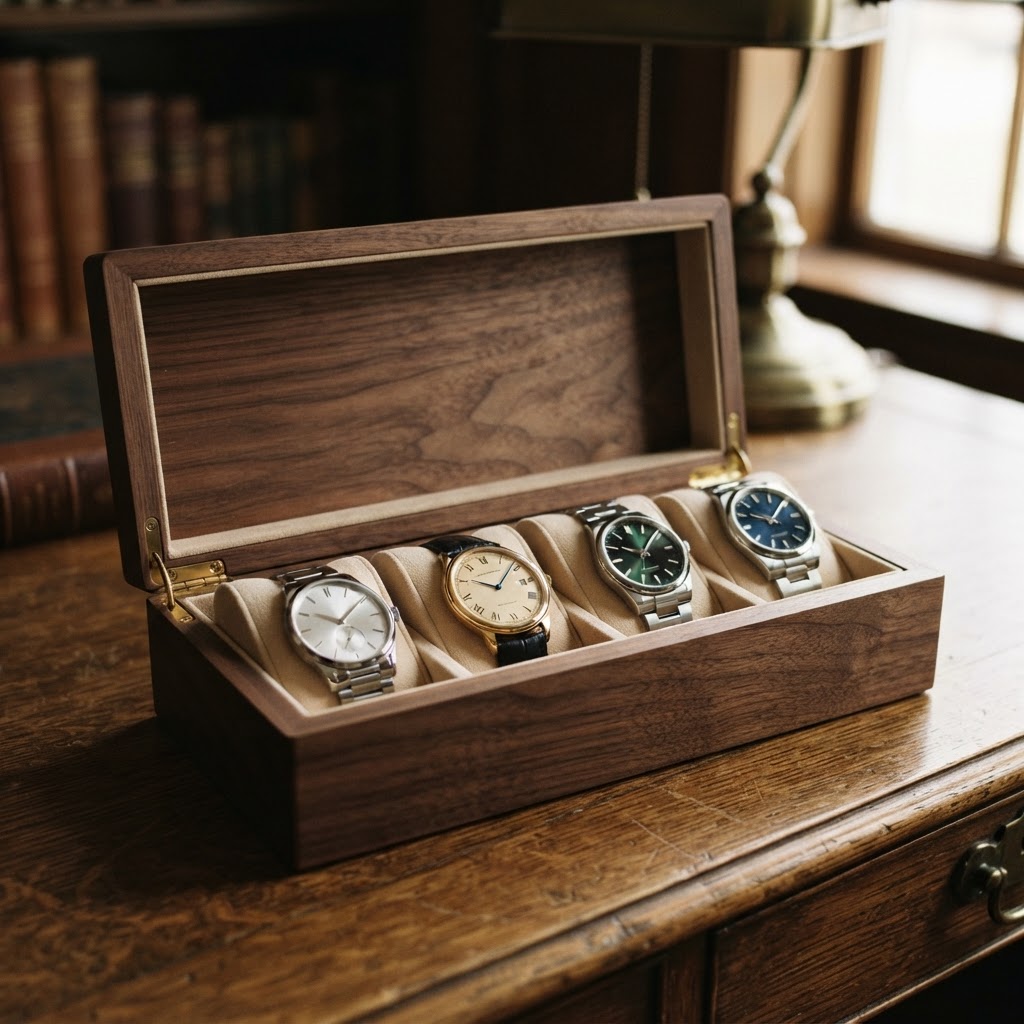
For collectors, field watches offer something increasingly rare: design discipline. Every element has to earn its place. If the numerals are too ornate, the watch loses its character. If the case is too large, it loses agility. If the faux patina becomes too theatrical, the whole thing starts feeling like costume.
This is why proportions matter so much in the category. Many of the best field watches live between 36mm and 39mm, where they retain the compact practicality of their military ancestors. It is also why so many enthusiasts appreciate brushed cases, matte dials, and simple handset choices. On a field watch, restraint is not a limitation. It is the aesthetic.
There is practical collector wisdom here as well. Field watches are often among the easiest mechanical pieces to live with long-term. Watches built around movements like the Seiko NH35, Sellita SW200, or Miyota 9039 tend to be robust, serviceable, and familiar to independent watchmakers. That makes them ideal candidates for regular wear rather than safe-bound admiration.
They also teach the eye. Spend time with a good field watch and you begin to understand typography, contrast, case finishing, and dial balance in a deeper way. In that sense, a Hamilton Khaki Field, a Marathon General Purpose Mechanical, or a well-executed CWC is not just a watch; it is an education.
The modern revival, from heritage brands to independents
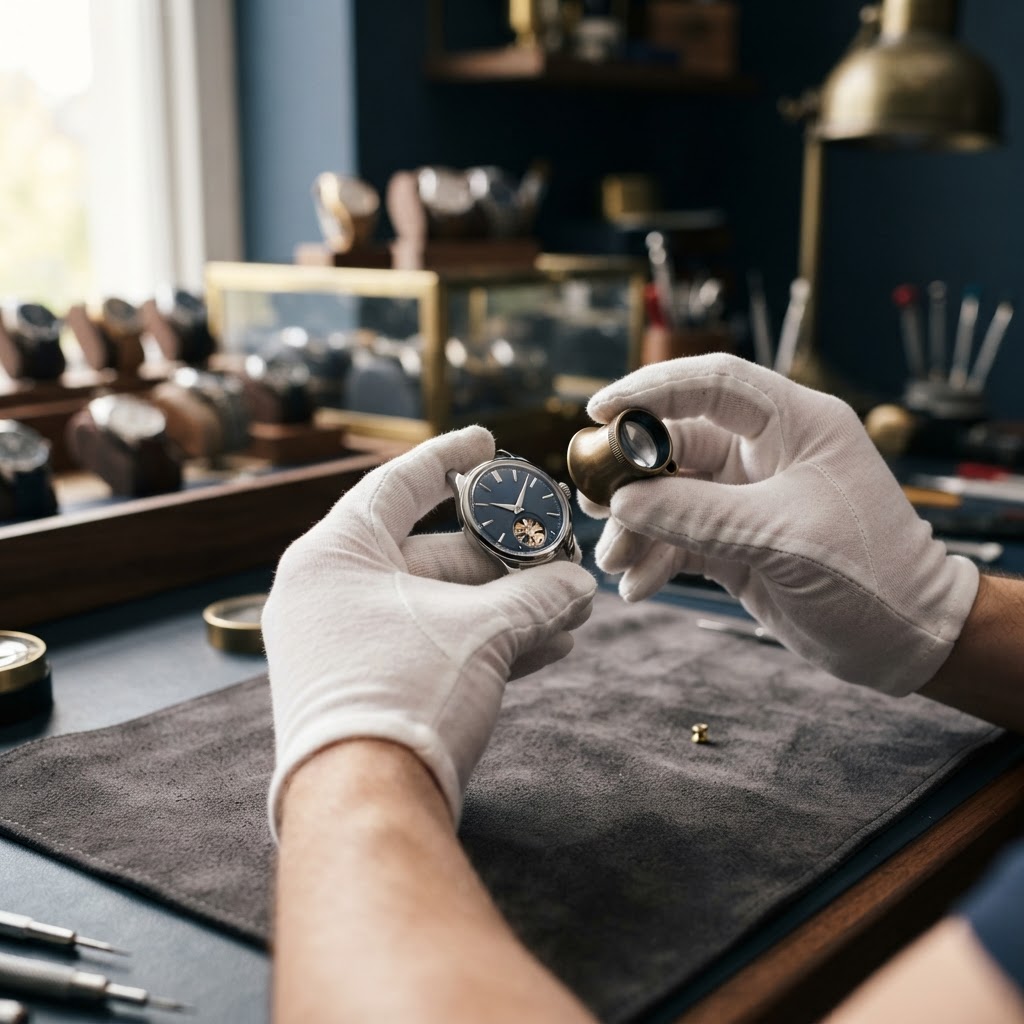
Today, the field watch is enjoying a thoughtful revival. Some brands lean directly into history, as Hamilton has done. Others reinterpret the genre with a more contemporary lens. Baltic’s Hermétique Tourer brings vintage-inflected charm and everyday versatility. Farer has explored the outdoorsy, instrument-driven side of British design with a brighter color sensibility than traditional military pieces would allow. Serica has shown how small deviations in dial and case design can create something familiar yet distinct.
Even among newer independents and microbrands, the field watch remains a proving ground. It looks simple, but it is very hard to execute well. When a small brand gets the case shape, crystal height, numerals, and lume tone exactly right, collectors notice. There is nowhere to hide in a watch this straightforward.
And perhaps that is the genre’s lasting lesson. The field watch reminds us that horology is not only about complication, rarity, or price. It is also about purpose, and about the deep satisfaction of a watch that has been refined by use across generations.
In a collecting world that can sometimes drift toward noise, the field watch remains wonderfully clear-spoken. It rewards close looking, daily wear, and a certain humility of taste. No wonder it continues to unite beginners and lifelong enthusiasts alike. It is exactly the sort of watch that starts good conversations whenever collectors gather, something we never take for granted at Keeper Box.