

There is a special kind of romance in a watch that was born to do a job. Before luxury boutiques, waitlists, and speculative resale markets, many of the most beloved wristwatches were simply instruments—built for soldiers, pilots, divers, engineers, and explorers who needed reliable timekeeping under pressure. That practical lineage is what gives the tool watch its enduring emotional charge.
For collectors, the appeal of a tool watch is not just aesthetic, though the aesthetic has become iconic: bold lume, legible dials, rotating bezels, robust cases, and bracelets or straps meant to disappear on the wrist. The deeper attraction is that these features came from necessity. A good tool watch tells a story about the moment in history that demanded it.
When Wristwatches Became Instruments
The wristwatch itself rose to prominence through utility. In the late 19th and early 20th centuries, pocket watches still dominated civilian life, but war and industrialization changed expectations. Officers in the field needed quick, one-handed access to the time. Early “trench watches” adapted pocket watch movements for the wrist, often with wire lugs and luminous numerals. They were not elegant in the classical sense, but they were efficient—and they proved the wristwatch could be more than jewelry.
Brands like Hamilton would later become closely associated with military timekeeping, particularly in the American imagination. The modern Hamilton Khaki Field line draws directly from that heritage, even if today it is worn as often with selvedge denim as with a field jacket. That is the paradox and pleasure of the modern tool watch: even when the original mission has faded, the integrity of the design remains.
As aviation matured, the pilot’s watch emerged with its own visual language. Large crowns for gloved hands, oversized cases, and highly legible dials were not stylistic flourishes. They were practical responses to cockpit conditions. In Germany, Beobachtungsuhren, or B-Uhren, became archetypes of navigational clarity. In Switzerland, brands like Longines and Zenith contributed to chronograph development that pilots and navigators relied upon. Today, a Farer chronograph or a vintage-inspired NEUTRA can channel this era without feeling derivative, because the pilot watch design language is so deeply rooted in function.
The Golden Age of Specialized Watches
The middle decades of the 20th century produced the tool watch forms collectors still obsess over. This was the era when wristwatches became increasingly specialized, and the category boundaries we now take for granted—field, dive, pilot, chronograph, GMT—began to solidify.
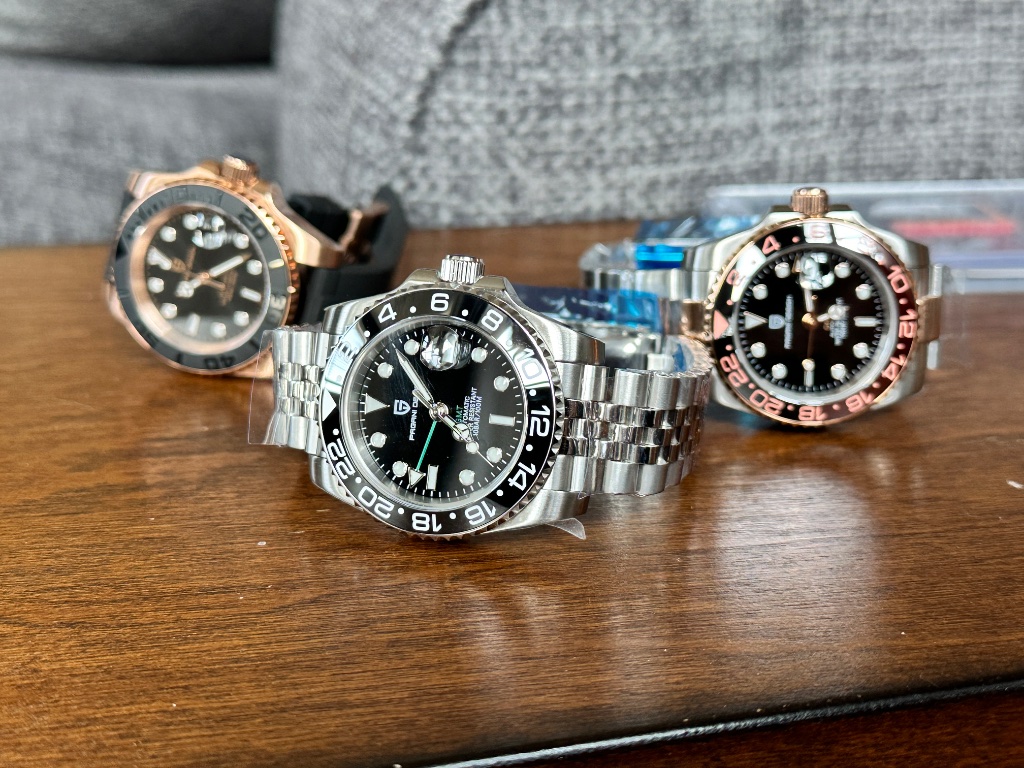
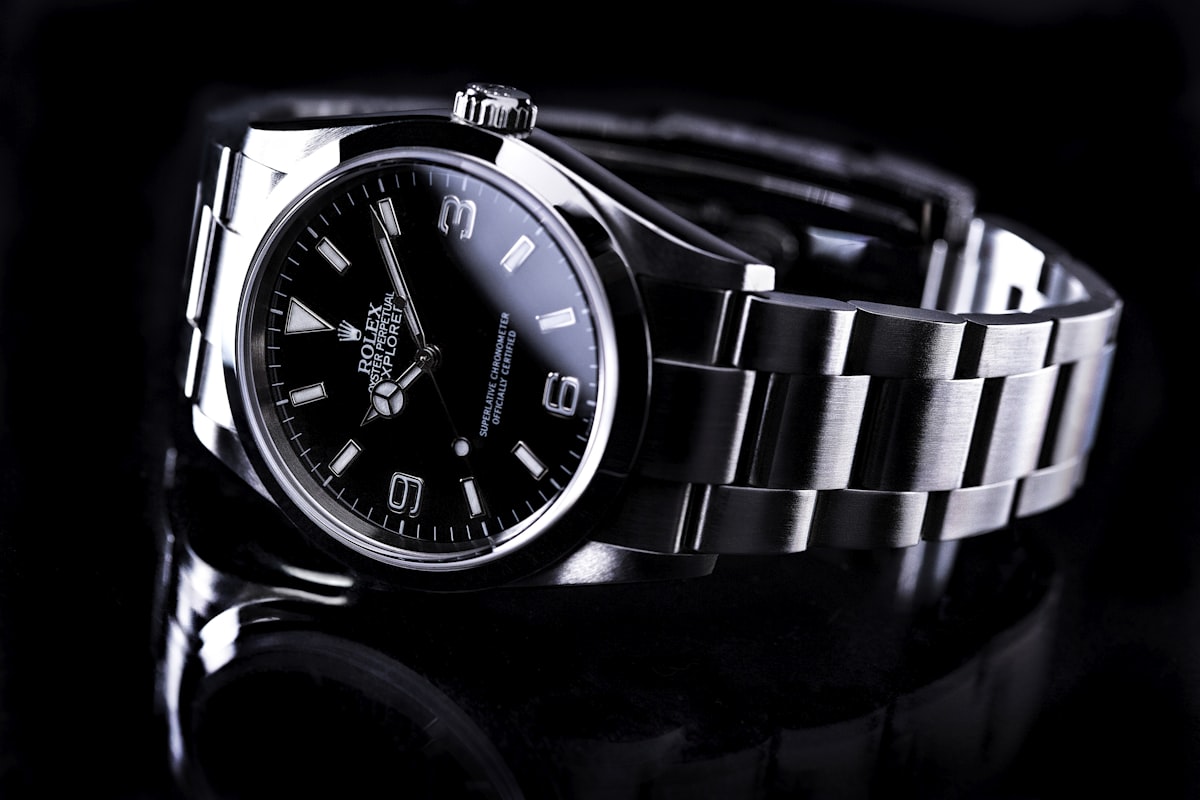
The dive watch is perhaps the clearest example. Long before every brand offered a “desk diver,” underwater timing was a genuine professional need. Blancpain’s Fifty Fathoms and the Rolex Submariner established the core formula in the 1950s: rotating bezel, luminous markers, high legibility, and water resistance that inspired confidence. Soon after, Omega’s Seamaster family and later Seiko’s dive watches broadened the field dramatically.
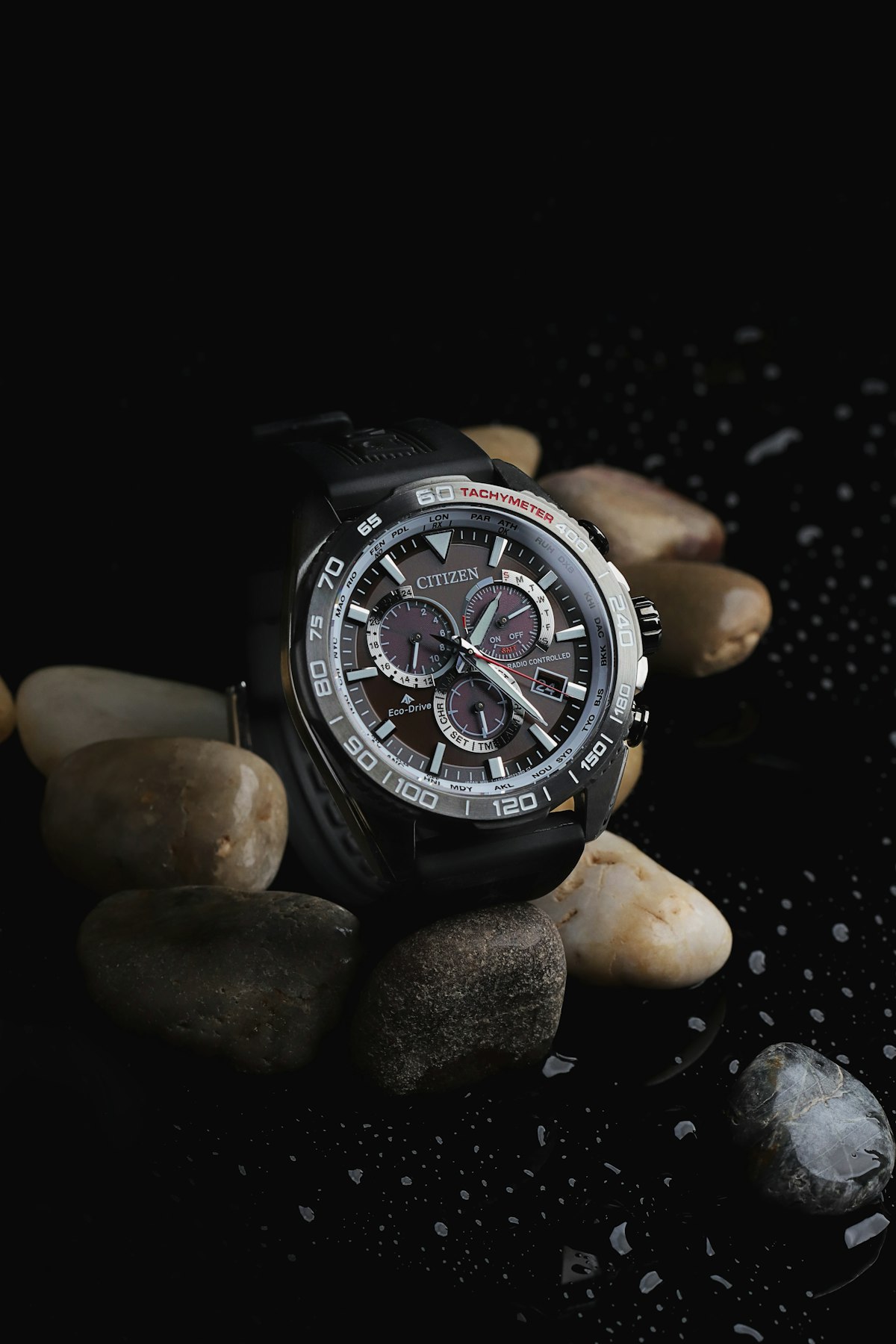
Seiko, in particular, deserves enormous credit for democratizing the tool watch. Models like the 62MAS and the later SKX007 became beloved not because they were precious objects, but because they were trustworthy. Seiko’s movements, from the workhorse 7S26 to the highly respected 6R and 8L families, helped build the brand’s reputation for practical resilience. Citizen did something similar, especially with Promaster models and the broader embrace of quartz and Eco-Drive technology. Purists sometimes romanticize mechanical calibers, but a true tool-watch mindset respects the best solution for the task—and quartz absolutely belongs in that conversation.
Chronographs followed a similar path from utility to icon. For motorsport, aviation, and industrial timing, the ability to measure elapsed time on demand was transformative. The Omega Speedmaster began as a racing chronograph and later became immortal through space exploration. The story matters, of course, but so does the watch itself: balanced dial, tactile pushers, manually wound movement. It remains one of the finest examples of form following function.
Why Tool Watches Became Style Icons
A funny thing happened on the way to pure utility: the tool watch became fashionable. Once professional diving computers, GPS systems, and digital instruments replaced analog watches in many working contexts, the mechanical tool watch might have become obsolete. Instead, it became culturally richer.
Part of the reason is honesty. Tool watches wear their purpose on the dial. A Seiko Turtle looks like a Seiko Turtle because its shape serves comfort and underwater practicality. A Formex Reef or a Citizen Promaster diver makes visual sense immediately, even to a newcomer. That coherence is deeply satisfying.
Another reason is that tool watches age well, both physically and emotionally. Scratches on a polished dress watch can feel tragic; wear on a field watch often feels earned. A faded bezel, warm lume patina, or stretched canvas strap can make a watch more personal, not less. Collectors love provenance, but just as often, they love evidence of life.
This is also why microbrands have flourished in the category. Baltic, Mitch Mason, Venezianico, and others understand that enthusiasts are not merely buying specifications. They are buying a relationship to horological history. A compressor-style case, a sandwich dial, or a no-date field layout can evoke decades of design tradition when handled with care. The best modern independents do not mimic the past lazily; they reinterpret it with better tolerances, improved materials, and thoughtful proportions.
What Collectors Should Notice
For newer enthusiasts, tool watches offer one of the best ways to learn what matters in watchmaking. Their virtues are easy to evaluate. Is the dial legible at a glance? Does the bezel action feel precise? Is the crown secure and satisfying? Do the dimensions support comfort over a full day of wear? These are not abstract luxuries; they are tangible qualities.
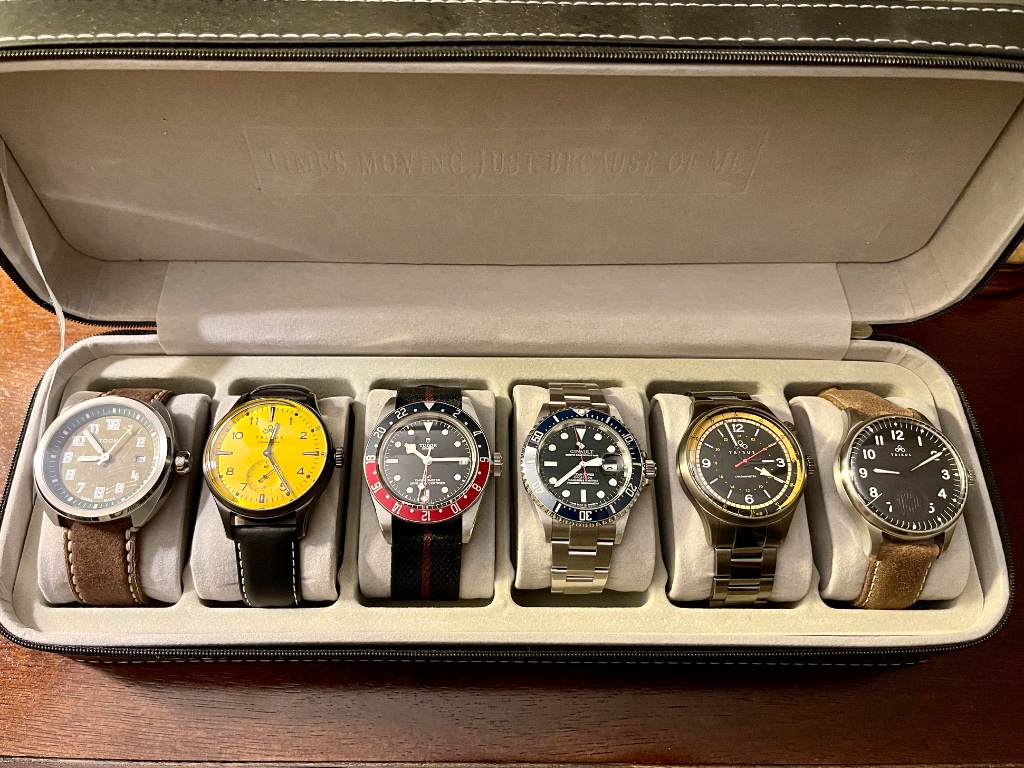
For seasoned collectors, the category remains compelling because small differences reveal philosophy. Compare a Hamilton Khaki Field Mechanical with a Seiko Alpinist and you will see two distinct interpretations of rugged versatility. Handle a Baltic Aquascaphe alongside a more aggressively modern Formex diver and the conversation shifts from nostalgia to execution. Movement choice also matters. An ETA or Sellita caliber may offer service familiarity, while a Miyota or Seiko movement may deliver rugged value and ease of ownership. None of these choices is inherently superior in every context.
A bit of collector wisdom is useful here: buy the watch whose purpose feels believable. That does not mean you need to dive with your diver or navigate by GMT hand across continents. It means the watch should feel coherent. When the design, movement, size, and finishing all support a clear identity, you are more likely to keep reaching for it.
It is also wise not to confuse heritage with nostalgia alone. A watch can reference history without being imprisoned by it. Some of today’s most interesting pieces come from brands willing to preserve the spirit of the tool watch while refining ergonomics, lume performance, anti-magnetism, or bracelet engineering. History should be a foundation, not a costume.
The Enduring Meaning of Purpose
In an age when almost everyone carries atomically synchronized time in a smartphone, the tool watch still matters because it represents a different relationship with objects. It asks for attention, rewards understanding, and connects us to a century of human ingenuity. Whether the watch is a vintage military Hamilton, a hard-used Seiko diver, a Citizen Promaster, or a modern microbrand from Baltic or Farer, its appeal comes from purpose made visible.
That is why collectors continue to return to these watches, even after exploring haute horlogerie or complicated dress pieces. Tool watches remind us that the best watch design begins with a real problem and answers it beautifully. In that balance of utility and emotion, history remains alive on the wrist.
And perhaps that is the quiet joy of collecting: not just owning objects, but joining a conversation across generations of makers and wearers. In communities built around that shared appreciation, every field watch, diver, and chronograph becomes a story worth passing on.