

A Functional Beginning
Few categories in watchmaking carry as much romance as the military watch, yet their appeal was never born from romance. It came from necessity. Before collectors debated case finishing, tropical dials, or the merits of one automatic caliber over another, soldiers needed something simpler: a reliable instrument that could be read instantly, trusted under pressure, and worn in punishing conditions.
That practical beginning is precisely why military watches matter so much to the history of horology. They did not merely reflect changing tastes; they actively shaped the visual language and engineering priorities of the modern tool watch. From field watches and pilot’s watches to dive watches and rugged everyday sports models, many of the design cues enthusiasts now consider timeless were first sharpened by military use.
To understand why a Hamilton Khaki Field feels so intuitively “right,” or why collectors admire the no-nonsense clarity of certain Seiko, Citizen, or CWC designs, it helps to look back at the military roots that set the standard.
From Pocket to Wrist
The story begins in earnest in the late 19th and early 20th centuries, when armies gradually realized that pocket watches were ill-suited to modern warfare. Coordinated maneuvers, artillery timing, and synchronized attacks required immediate access to the time. Fumbling for a pocket watch in a trench or on horseback was inefficient at best and dangerous at worst.
Early “trench watches” emerged as a practical answer. Often adapted from small pocket watches, they featured wire lugs soldered onto cases so they could be strapped to the wrist. Many had luminous numerals and hands, protected crowns, and robust enamel or metal dials designed for quick legibility. These were not luxury objects in the modern sense, but they transformed the way time was worn and used.
This transition from pocket to wrist cannot be overstated. The wristwatch gained legitimacy not through fashion, but through utility. In many ways, military need accelerated public acceptance of the wristwatch more effectively than any advertisement ever could.
Legibility Above All
If military watches established one enduring principle, it is this: a watch must be readable before it can be beautiful.
That philosophy still governs the best tool watches today. High-contrast dials, bold Arabic numerals, luminous hands, minute tracks, and restrained design all owe a debt to military requirements. A soldier glancing at a watch in low light or under stress could not afford decorative ambiguity.
The British Ministry of Defence’s “Dirty Dozen” watches from the 1940s are a perfect case study. Built by a group of manufacturers including Longines, IWC, Jaeger-LeCoultre, and Omega, these watches were united less by branding than by specification: black dials, luminous markers, small seconds, durable cases, and clear Arabic numerals. Their appeal to modern collectors lies in that singularity of purpose.
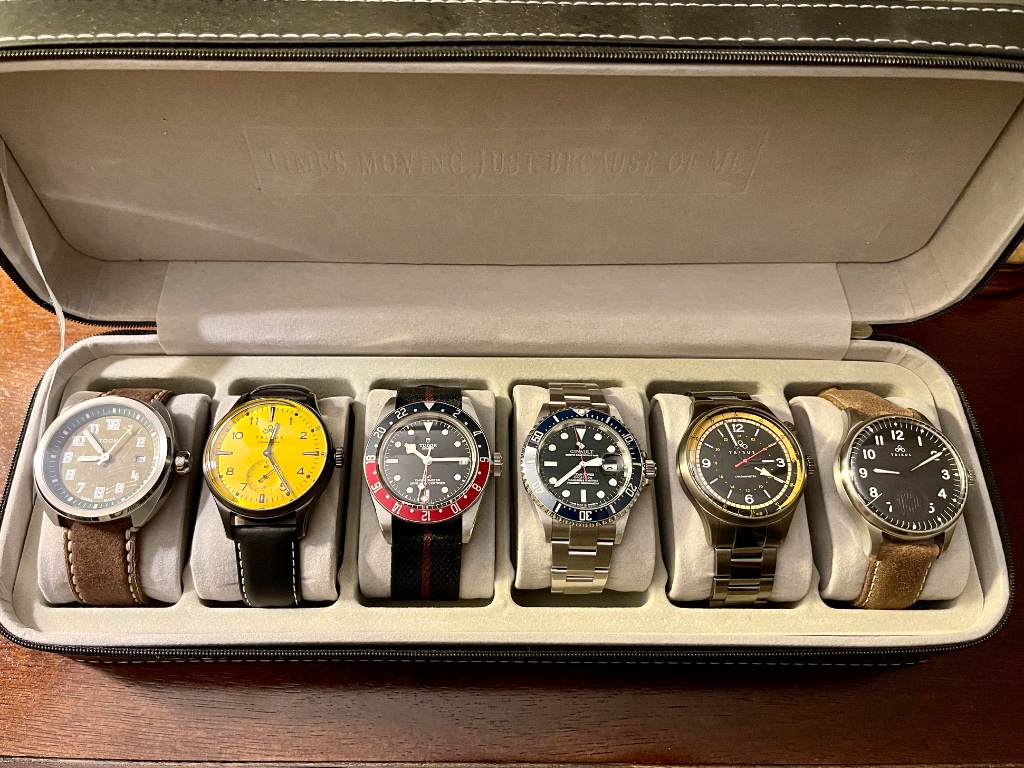
You can see the same DNA in contemporary pieces at many price points. The Hamilton Khaki Field Mechanical channels the straightforward military template with remarkable fidelity. So do watches from Marathon and CWC, both brands closely associated with military supply traditions. Even newer independents and microbrands, from Mitch Mason to NEUTRA, often borrow the disciplined dial logic first refined for service use.
Collector wisdom here is simple: when evaluating any so-called field watch, start with the dial. If it looks busy, over-designed, or harder to read than it needs to be, it probably misses the spirit of the category, regardless of how convincing the marketing may be.
Durability Becomes a Design Language
Military service also pushed watches toward better resilience. Moisture, dust, shock, magnetism, and extreme temperature changes were not theoretical concerns; they were daily threats. As a result, military specifications encouraged stronger cases, more secure crystals, improved water resistance, and movements built for dependability rather than delicacy.
This helps explain why military-derived watches often feel honest in the hand. They tend to emphasize solid case construction, purposeful crown guards or oversized crowns, matte surfaces that reduce glare, and straps that can be replaced quickly in the field. The now-ubiquitous fabric pull-through strap, often casually called a NATO, traces its popularity to military standardization and practicality.
The influence extends far beyond dedicated field watches. Dive watches, too, benefited from military and naval needs. The Blancpain Fifty Fathoms and Rolex Submariner are inseparable from civilian diving history, but they also gained legitimacy through military adoption and professional use. A rotating timing bezel, strong lume, and secure caseback are now mainstream tool-watch features partly because military environments proved their value.
For collectors, this history offers a useful lens. Durability claims are easy to print on a website; the more interesting question is whether a watch’s architecture suggests real practical thinking. A compact crown that is impossible to grip, highly polished hands that vanish in sunlight, or a bezel too slick to turn with wet fingers may reveal a watch inspired by military aesthetics rather than military function.
The Pilot’s Watch and the Age of Precision
Aviation added another layer to the military watch story. Pilot’s watches needed oversized crowns usable with gloves, large luminous displays, and highly legible minute tracks. In navigational contexts, precision and clarity became existential concerns.
German Beobachtungsuhren, or B-Uhren, are among the most recognizable examples. Produced by firms such as Laco, Stowa, A. Lange & Söhne, Wempe, and IWC, these large observation watches prioritized exact reading above all else. Their type A and type B dial layouts remain deeply influential. So influential, in fact, that countless modern brands continue to reinterpret them, from heritage specialists to newer enthusiast-driven makers.
Even watches not explicitly marketed as pilot’s pieces often inherit these values. Consider how many modern sports watches use oversized hands, expansive minute tracks, anti-reflective crystals, and crown designs intended for easier operation. The line between military requirement and mainstream good design has become remarkably thin.
Military Influence Beyond Heritage Brands
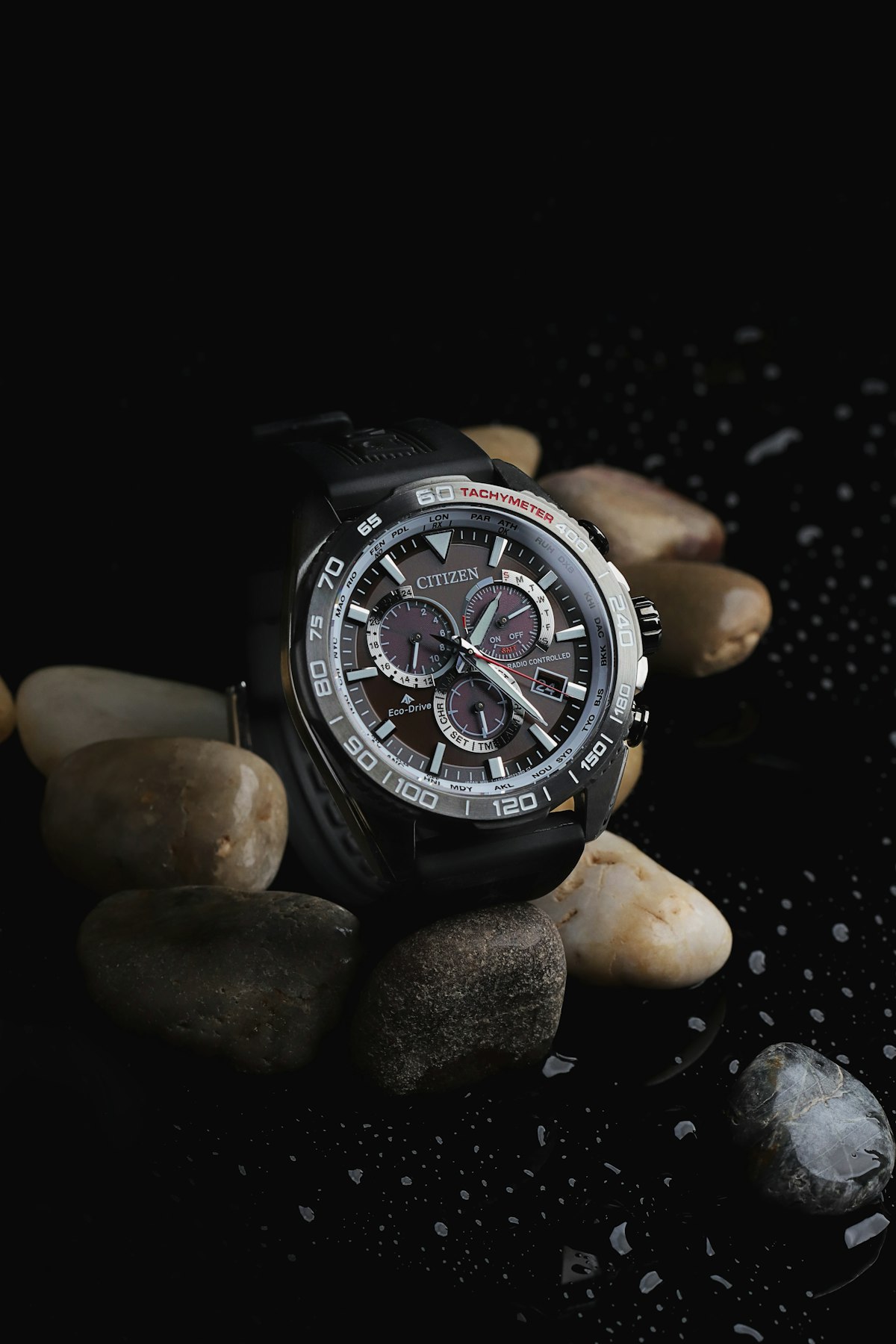
One of the pleasures of collecting today is seeing how broadly this history resonates. Seiko and Citizen, for instance, have long embraced practical, legible, robust design in watches that feel accessible rather than precious. The Seiko 5 Sports field variants and Citizen’s Promaster line may not be direct military issue pieces, but they carry the same functional ethos.
Likewise, contemporary independent brands often reinterpret military codes with impressive sensitivity. Farer can add color and personality without sacrificing clarity. Formex brings modern case engineering and everyday wearability to the tool-watch conversation. Baltic and Venezianico may approach history from different stylistic angles, yet both operate in a collector culture that still prizes function-led design descended from military precedent.
What matters is not whether a watch exactly reproduces a wartime reference. In truth, many collectors eventually outgrow pure nostalgia. The more lasting attraction is the idea that every detail has a reason.
Why Collectors Keep Coming Back
Military watches continue to fascinate because they remind us that horology is not only decorative art; it is also problem-solving. The best examples distill purpose into form. They tell a story not simply about conflict, but about adaptation, engineering, and human ingenuity under pressure.
For beginners, military-inspired watches offer an excellent entry into collecting because they are often versatile, historically rich, and easy to live with. For seasoned enthusiasts, they provide endless nuance: issued versus civilian variants, dial markings, broad arrow signatures, movement changes, fixed bars, service replacements, and the subtle differences between faithful homage and shallow imitation.
In the end, military watches shaped modern tool watch design because they had to. Their clarity, toughness, and restraint were hard-won qualities, and watchmaking has been borrowing from them ever since. Every time we strap on a crisp field watch, a purposeful diver, or a cleanly executed pilot’s piece, we are wearing the legacy of those demands.
And perhaps that is part of the enduring pleasure of collecting: discovering how a watch built for utility can still spark conversation, connection, and admiration many decades later. In a community of enthusiasts, that shared language of purpose often becomes its own kind of history.