
A utilitarian idea that outlived its original mission
Among all the familiar watch genres, few feel as honest as the field watch. Dive watches promise adventure, chronographs suggest motion and speed, and dress watches speak in a quieter, more formal voice. The field watch, by contrast, was born with almost no interest in romance at all. Its purpose was straightforward: deliver reliable time in conditions where reliability mattered more than decoration.
That unpretentious origin is precisely why collectors continue to love it. A good field watch puts legibility first, wears comfortably, and resists the temptation to overstate itself. In a hobby where complication and finishing often dominate the conversation, the field watch reminds us that the history of horology is also the history of practical problem-solving.
Before the field watch had a name
The roots of the field watch stretch back to the late 19th and early 20th centuries, when soldiers began moving from pocket watches to wristwatches. Early military campaigns made one thing clear: pulling a watch from a pocket was slower, less secure, and less useful under pressure than reading the time directly from the wrist.
By the First World War, so-called trench watches had emerged as an adaptation to modern combat. These were often small round watches with wire lugs, luminous numerals, and protective metal grilles over the crystal. They were still transitional objects, carrying some pocket-watch DNA in their dimensions and construction, but the wristwatch had proven its worth.
This period established the central principles that would define the field watch for the next century: clear Arabic numerals, high contrast, luminous hands, durable cases, and simple movements that could be serviced without drama. Beauty was not excluded, but it had to come through proportion and restraint rather than ornament.
The wars that fixed the template
If the First World War introduced the concept, the Second World War standardized it. Military procurement forced watchmakers to design to specification rather than fantasy, and that discipline sharpened the field watch into a recognizable form.
In the United States, the A-11 became one of the great functional watches of the era. Produced by brands including Elgin, Bulova, and Waltham, it is still celebrated as one of the defining military watches ever made. Black dial, stark numerals, hacking seconds for synchronization, modest case size, and absolute clarity: nearly every modern field watch owes something to that formula.
In Britain, collectors know the lore of the Dirty Dozen, the twelve manufacturers commissioned by the Ministry of Defence to produce military watches to a common spec. Omega, Longines, IWC, Jaeger-LeCoultre, and others contributed, but what matters most is the shared design language. These watches were not luxury items in their moment. They were tools, and their seriousness still resonates.
This is one of the enduring lessons of military watch history: standardization can create beauty. When the brief is strict enough, only the essentials remain.
From military surplus to civilian staple
After the war, the field watch did not disappear with demobilization. It migrated into civilian life, and in many ways this is when its broader cultural identity took shape. Men returning home were already accustomed to wristwatches that were compact, legible, and dependable. Brands understood the appeal.
Hamilton is central to this story. Long associated with American military timekeeping, the brand eventually transformed that heritage into one of the modern collector market's most accessible success stories: the Khaki Field. Whether in hand-wound mechanical form or automatic variants, the Khaki Field captures the genre's core virtues without feeling like a costume piece. It is one of the easiest watches to recommend to a new enthusiast because it wears its history lightly.
Other makers followed parallel paths. Benrus, for example, became closely tied to later military-issued watches, while CWC in Britain continued the functional lineage through models that still feel more issued than styled. Marathon, too, has preserved the no-nonsense spirit with watches that remain genuinely connected to military procurement and practical use.
The field watch also crossed into the wider realm of outdoor and everyday sports watches. Seiko approached the category from its own angle, with models like the SNK809 offering an affordable entry point for a generation of collectors. Citizen did something similar with watches such as the Chandler and Garrison lines, proving that the field watch ethos could survive in quartz, solar, and automatic forms without losing credibility.
The quartz era and the watches that kept going
By the 1970s and 1980s, quartz transformed the entire watch industry. Many traditional categories had to reinvent themselves, and the field watch was no exception. Yet the genre endured because its value was never dependent on mechanical romance alone. Accuracy, durability, low cost, and clarity were always part of its identity.
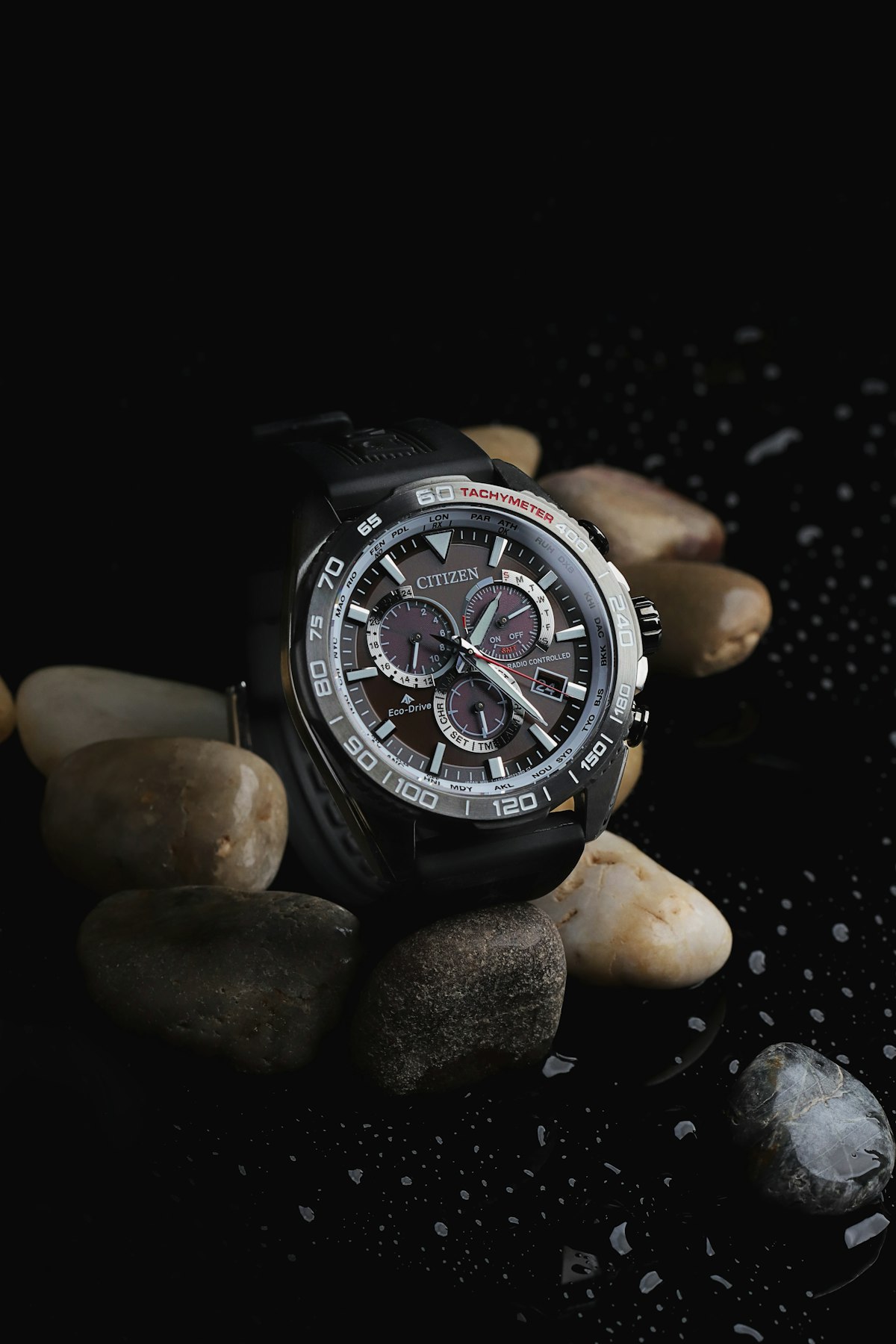
That matters for collectors today. A field watch does not need a hand-wound movement to be authentic, even if many enthusiasts understandably love the ritual of winding one. A Citizen Eco-Drive field watch can be just as faithful to the genre's original purpose as a manual-wind Hamilton. The history supports a broad church.
This is also why seasoned collectors often develop a soft spot for humble field watches after years of chasing more complicated pieces. They are honest. They ask to be worn, not managed.
Why modern brands keep returning to the field watch
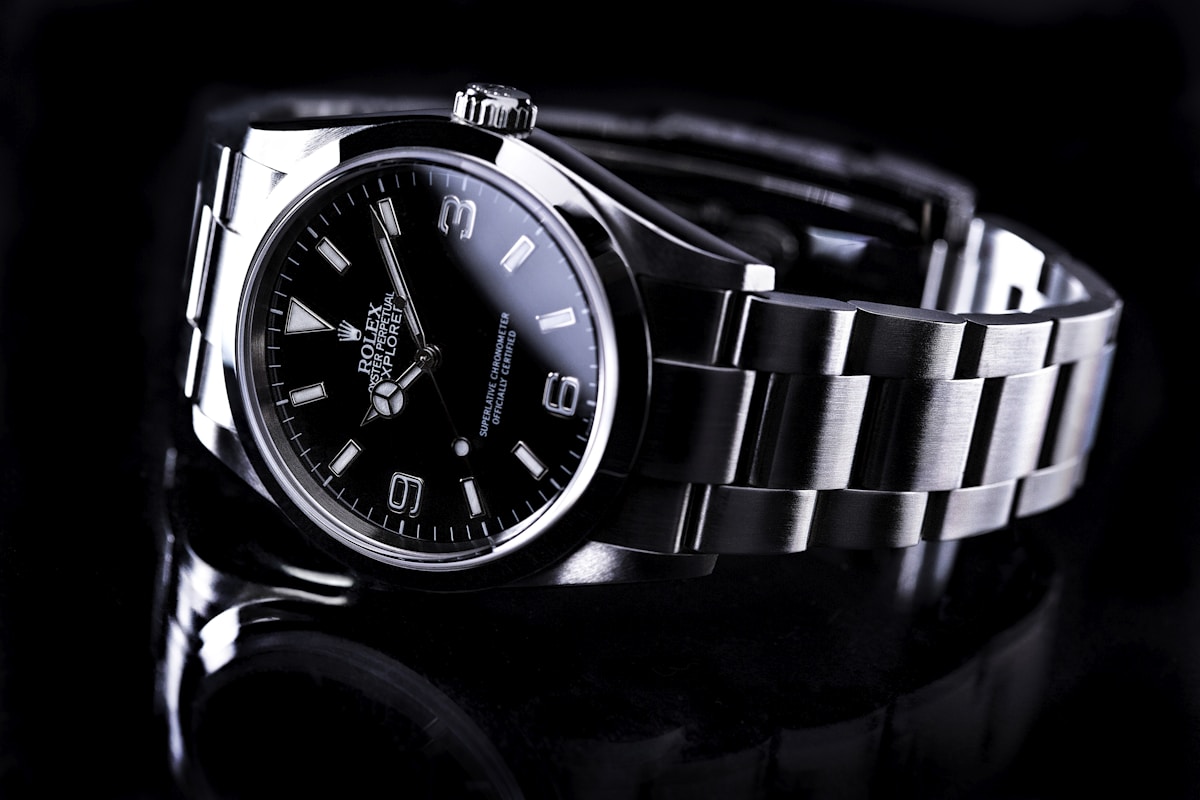
The current revival of the field watch is not nostalgia alone. It is a response to a design language that still works. Compact dimensions, legible dials, brushed steel, versatile strap options, and a calm sense of purpose make the field watch one of the easiest genres to live with.
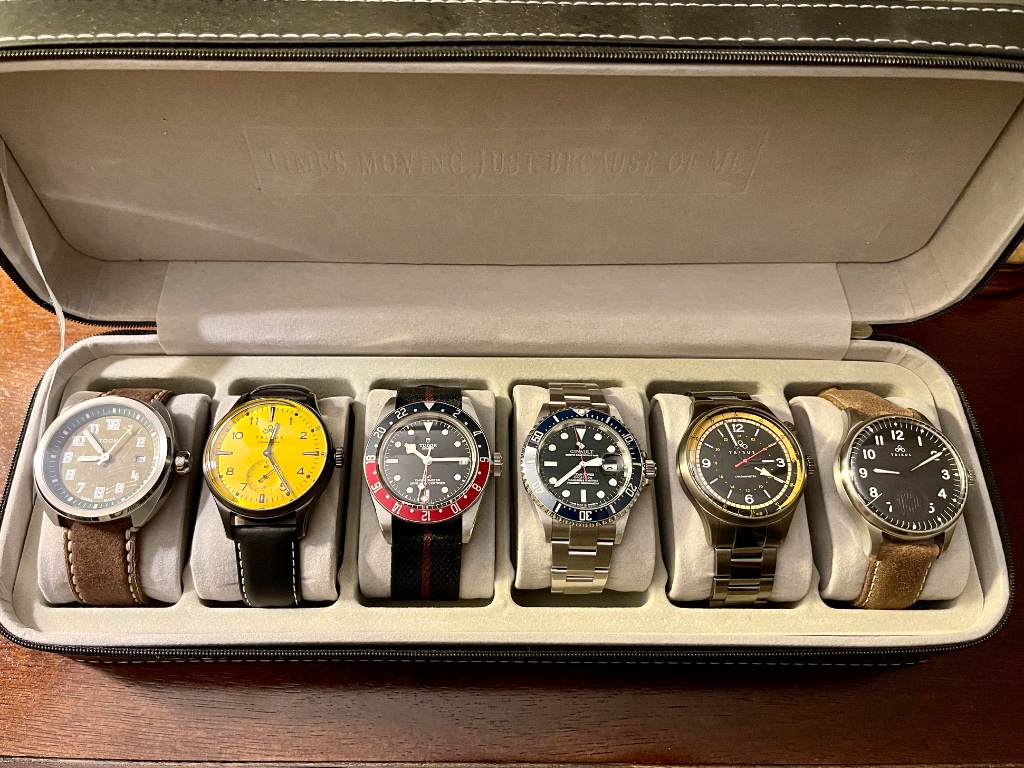
Established brands continue to build on the template, but it is especially interesting to see how independent and microbrand makers have interpreted it. Baltic, for instance, brings vintage sensitivity and crisp proportions to tool-oriented design. Farer often adds color and character without sacrificing readability. NEUTRA and Mitch Mason have shown how younger brands can borrow military cues while making something distinctly modern rather than merely imitative.
For collectors, that distinction matters. The best contemporary field watches understand the spirit of the originals instead of simply copying old dial layouts. A watch can have faux-aged lume and cathedral hands and still miss the point if it feels overdesigned. Conversely, a cleaner contemporary piece with strong legibility, sensible proportions, and robust build quality may be truer to the genre's history.
What a collector should actually look for
The practical wisdom of field watch collecting is surprisingly consistent. First, prioritize wearability. Historically, these were not large watches, and many of the best examples still sit in the 36 to 39 mm range. Lug-to-lug length often matters more than case diameter.
Second, judge the dial with discipline. Can you read it instantly? Are the hands distinct from the numerals? Does the lume serve a purpose or merely decorate? A field watch should feel effortless at a glance.
Third, think about serviceability and use. A dependable movement such as a Sellita SW200, Seiko's 4R36, or Hamilton's H-50 may not be the most glamorous topic at a dinner party, but it matters over years of ownership more than a dramatic spec sheet.
And if you are venturing into vintage military pieces, buy the seller as much as the watch. Original dials, matching hands, correct casebacks, and honest provenance matter greatly. The category is rich with history, but also with redials and parts watches.
A small watch with a big legacy
The field watch endures because it captures something essential about horology: the best watches are not always the most complicated, but the most resolved. From trench watches and A-11s to Hamilton Khakis, CWC reissues, Seiko staples, and thoughtful modern microbrands, the line is remarkably unbroken.
To wear a field watch is to wear a piece of design history that has already answered the hardest question any object can face: what truly needs to be there? For many collectors, that question never stops being interesting. And in a community of people who love to compare notes, trade stories, and notice the details, the field watch remains a wonderfully revealing place to begin.