
The Enduring Appeal of the Ceramic Bezel
There is a specific feeling every watch collector knows: the nervous tension of brushing your wrist against a doorframe while wearing a vintage timepiece. You stop, breathe, and inspect the aluminum bezel insert, praying you didn't just add a permanent 'character mark' to your watch. This is why the industry shift to ceramic isn't just a trend—it is a fundamental evolution in how we wear our watches.
The Science Behind the Surface
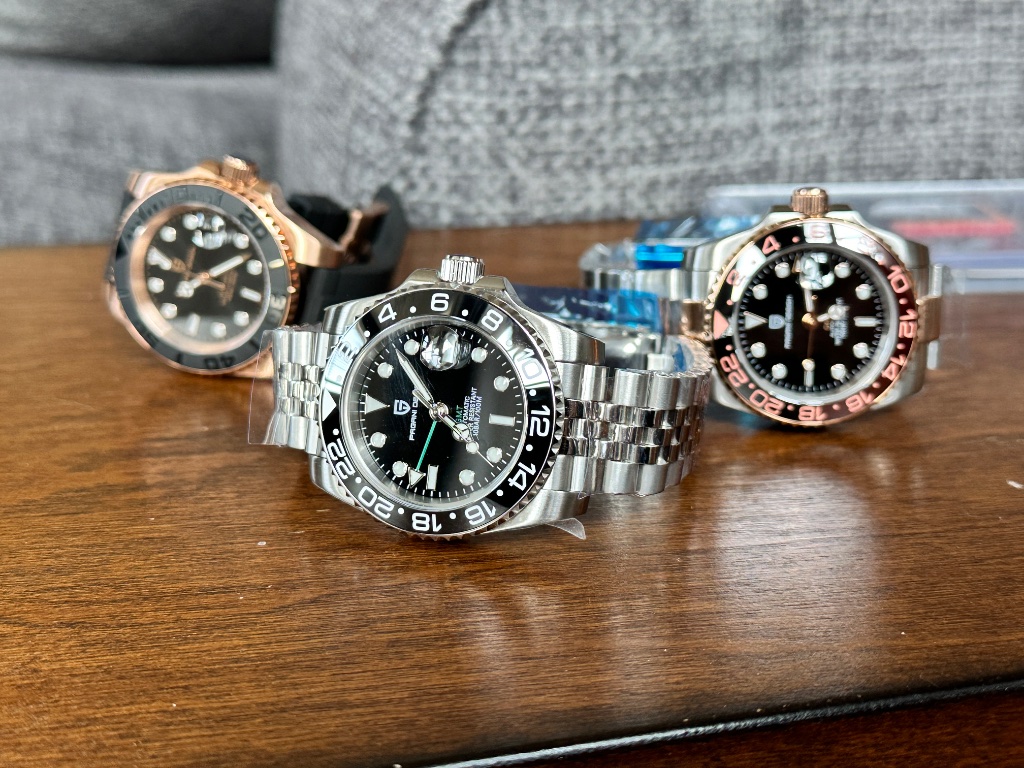
At the molecular level, technical ceramic (typically zirconium dioxide) is an engineered marvel. Unlike traditional aluminum inserts that are stamped and anodized, ceramic is sintered in a furnace at temperatures exceeding 1,500 degrees Celsius. The result is a material that is virtually impervious to scratches and entirely resistant to UV rays. While an aluminum bezel on a 1990s Rolex Submariner might fade to a tropical 'ghost' grey over three decades, a modern Rolex Cerachrom bezel will look exactly the same in fifty years as it does today.
The Pioneers of the Material
It is impossible to discuss the ceramic wave without acknowledging Rolex. When they introduced the Cerachrom bezel on the 116710 GMT-Master II in 2005, the watch world initially balked at the glossy finish. Collectors were used to the matte, utilitarian look of anodized aluminum. However, the depth of color and the mirror-like luster won over the public almost instantly.
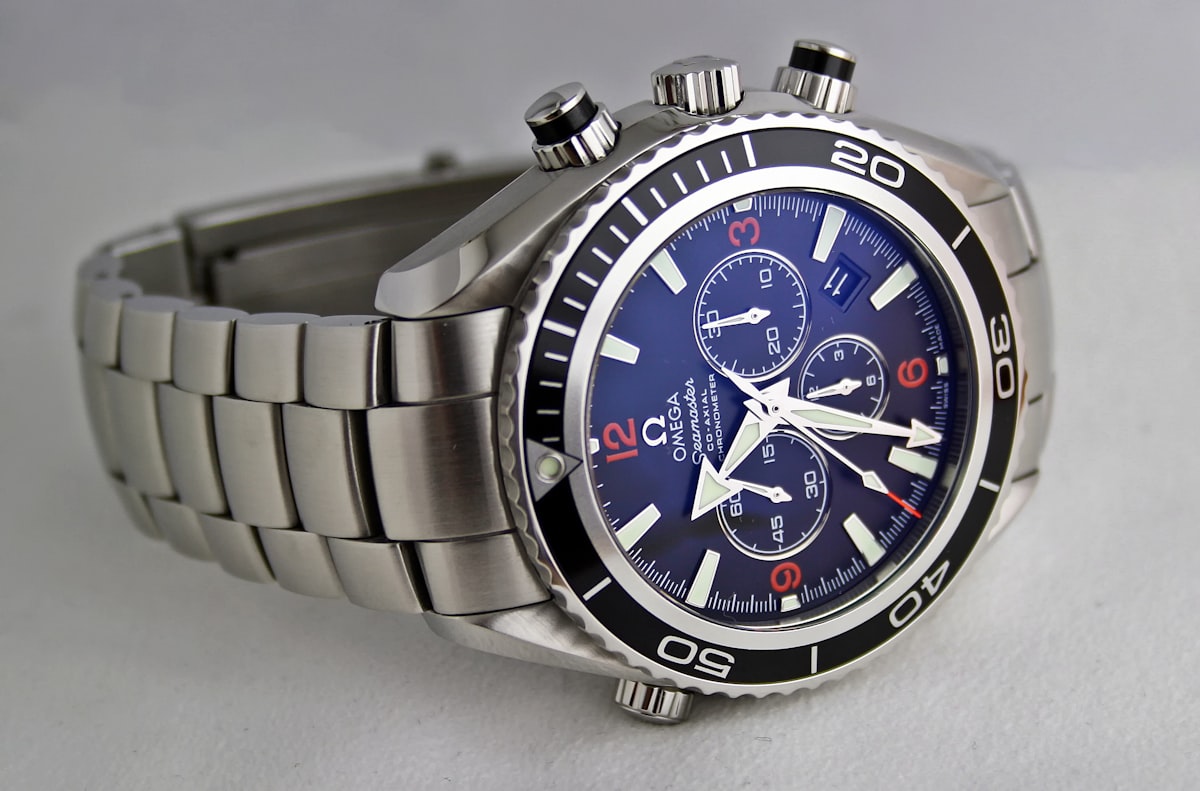
Following suit, brands like Omega pushed the limits of the material further. Look at the Omega Speedmaster Dark Side of the Moon. They didn't just use ceramic for the bezel; they machined the entire case out of a solid block of zirconium dioxide. This represents the pinnacle of modern manufacturing—a watch that looks just as crisp on day 1,000 as it did on day one.
Why Aesthetic Versatility Matters
One of the most profound benefits of ceramic is its ability to hold color indefinitely. Because the pigment is integrated into the material during the sintering process, ceramic bezels can achieve deep, saturated hues that never fade. Compare a vintage Tudor Snowflake with a faded blue insert to a modern Tudor Pelagos. The contrast in vibrancy is stark. For a watch enthusiast who wants their collection to remain 'factory fresh,' this material is a godsend.
The Technical Challenges of Hardness
There is an irony to ceramic: its greatest strength is also its greatest production hurdle. Because the material is so hard, it cannot be easily adjusted or 'fixed' once finished. It is brittle in its raw state and requires diamond-tipped tooling to achieve the intricate graduations we see on a Blancpain Fifty Fathoms. This adds significant cost to the production cycle, which is why you generally won't find true high-tech ceramic on entry-level pieces.
I recall buying my first ceramic-bezel diver—a Tag Heuer Aquaracer. I spent the entire first week testing it against rough surfaces, expecting a scratch to appear, but it remained pristine. That sense of invincibility is something no metal bezel can offer.
Can Ceramic Actually Shatter?
Yes, the trade-off for scratch resistance is impact resistance. While ceramic is hard to scratch, a direct, high-velocity hit against a sharp corner of steel can cause a fracture. This is the 'collector's trade-off.' Do you prioritize resistance to daily surface wear, or do you stick with aluminum for its ability to dent rather than chip? Most modern collectors, myself included, have voted overwhelmingly for the scratch-free life.
The Future of Watch Case Materials
We are currently seeing a 'ceramic evolution' where brands are experimenting with composite materials. Hublot has been a major player here, utilizing 'Magic Gold' and vibrant colored ceramics that were previously thought impossible to manufacture. This material shift has changed the secondary market as well; a watch with a pristine ceramic bezel is inherently more valuable than an equivalent piece with a scratched aluminum insert, simplifying the valuation process for collectors.
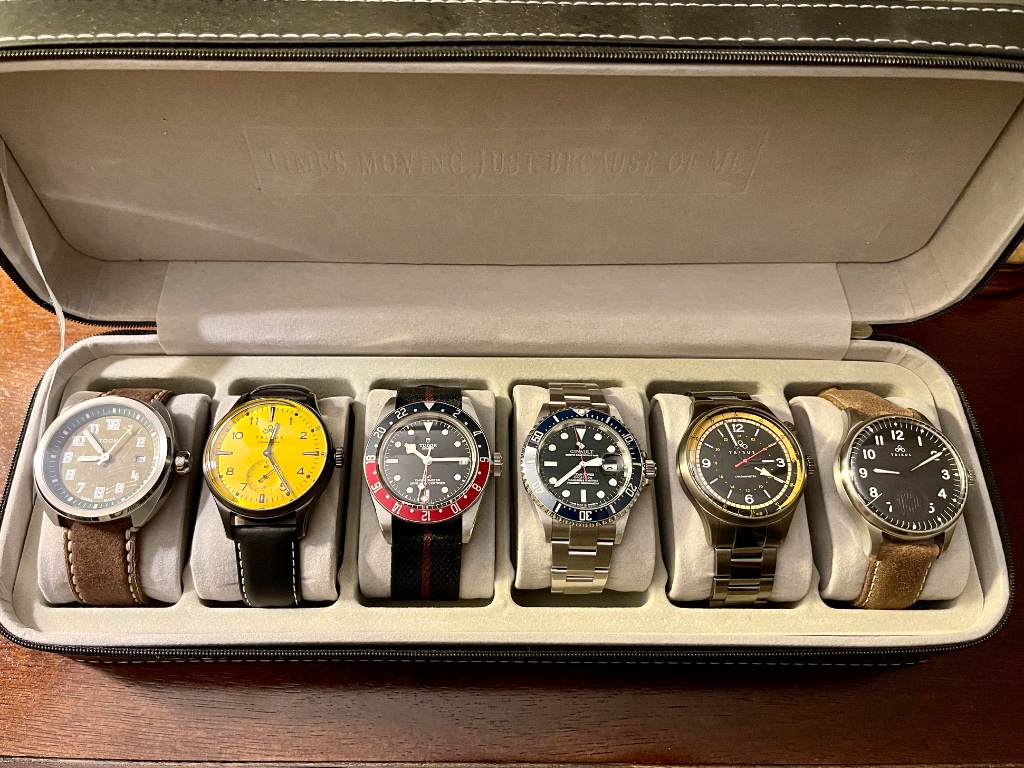
If you want to experience the difference between the warm, fading charm of aluminum and the sharp, high-tech brilliance of ceramic bezels, there is no better way than to get them on your wrist. At Keeperbox Watch Club, we provide members with the unique opportunity to rotate through a curated selection of world-class timepieces. Whether you want to compare a ceramic-bezel Breitling against a classic steel diver, Keeperbox allows you to test these innovations in the comfort of your own home, helping you refine your collection before you commit to your next big purchase.