The Eternal Debate: Material Matters
There is a moment every serious collector experiences: you have finally narrowed down your choice to a specific model, but then you see two versions sitting side-by-side—one in shimmering, hefty Stainless Steel and the other in the muted, technical-looking Titanium. It is a crossroads that divides the community. Is the scratch-prone surface of steel a badge of honor, or is the lightweight, hypoallergenic comfort of titanium the true future of watchmaking?
I remember the first time I strapped on a Tudor Pelagos. I was accustomed to the reassuring heft of a Rolex Submariner, so the immediate feeling of the Pelagos on my wrist was almost jarring—it felt like a toy. But after a week of wearing it through travel and daily desk duty, I realized that I never once felt the urge to take the watch off at the end of the day. That is the magic of material science.
Stainless Steel: The Industry Workhorse
Stainless Steel is the undisputed king of the watch world. Specifically, 316L or the more corrosion-resistant 904L (famously used by Rolex), steel is the standard for a reason. It is durable, polishable, and carries that classic aesthetic weight that many associate with true quality.
The Allure of Weight
For many, a watch should have a presence. When you pick up an Omega Seamaster Diver 300M, the weight acts as a tactile reminder of the engineering inside. Steel has a high density, which gives it a premium, substantial feel. It is also inherently easier to manufacture, which helps keep costs down compared to the complex machining required for titanium.
The Scratch Factor
We need to address the elephant in the room: scuffs. Stainless Steel is prone to micro-scratches. However, this is also its strength. Because the material is uniform, a professional can polish a steel watch to look brand new decades after it was purchased. There is a reason why vintage Steel sports watches command such high premiums; they age alongside the wearer.
Titanium: The Modern Professional's Choice
Titanium is the material of the aerospace and medical industries. It is roughly 45% lighter than steel, yet it can be significantly stronger. For the modern enthusiast, Grade 5 Titanium—an alloy that can be polished—has changed the game.
The Hypoallergenic Advantage
If you have a nickel allergy, Stainless Steel can be a nightmare. Titanium is bio-compatible and hypoallergenic, making it the perfect choice for those who want to wear their watch 24/7. It also has lower thermal conductivity, meaning it feels warmer to the touch in winter and doesn't get "sticky" in the summer humidity.
Durability and Surface Treatment
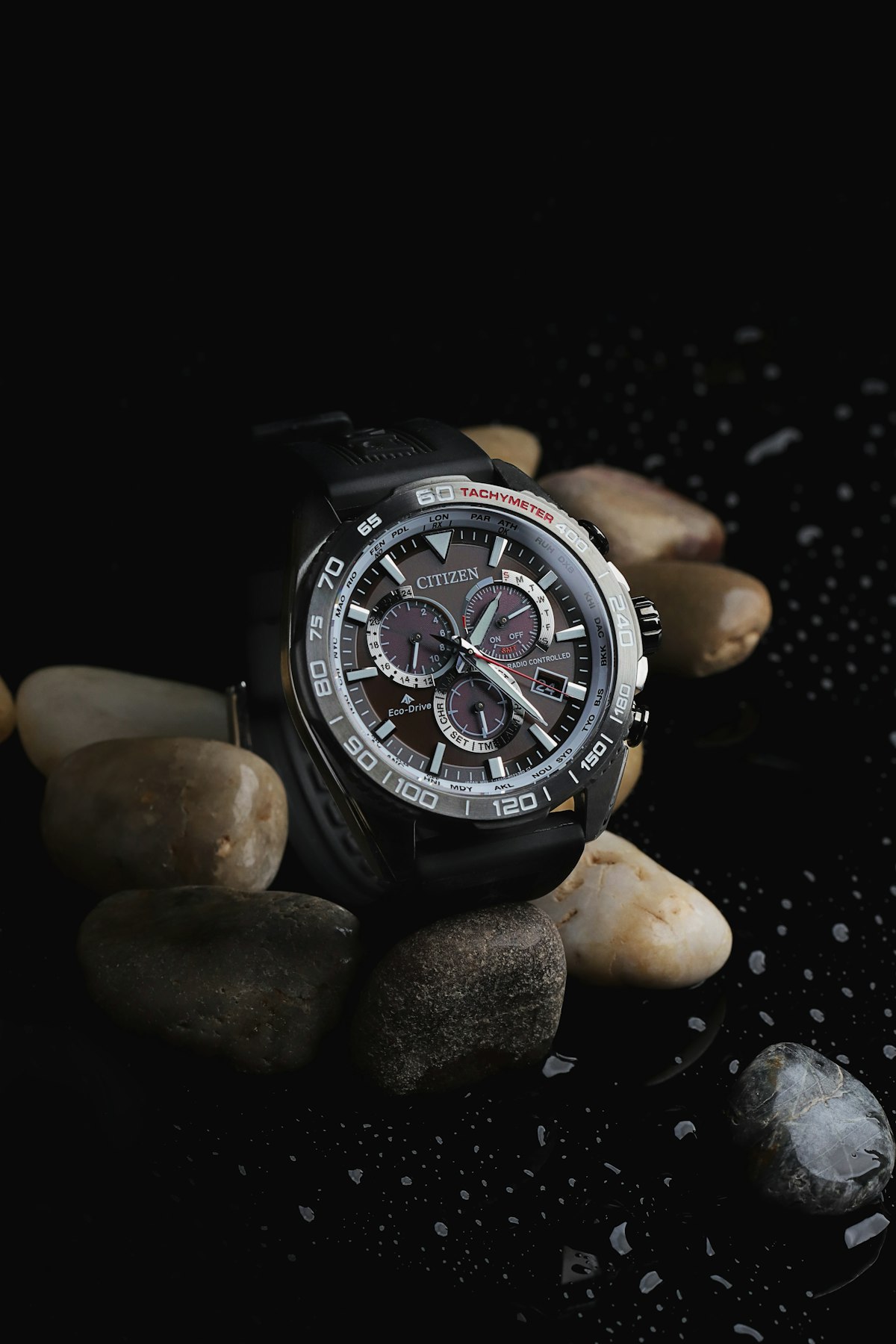
One common myth is that titanium scratches easily. While raw, unrefined Grade 2 Titanium is soft, modern watches often use Grade 5 or employ proprietary surface hardening technologies. Take the Citizen Super Titanium watches, for example, which utilize Duratect technology to make the surface significantly harder than steel. When you wear a high-end titanium piece, you aren't sacrificing durability; you are gaining comfort.
Comparison Metrics: Side-by-Side
Aesthetic Profile
Stainless Steel has a bright, blue-white luster that catches the light beautifully. Titanium has a darker, more industrial, gunmetal-grey hue. If you prefer a subtle, "tool-watch" look, titanium is your best friend. If you want your piece to pop in a social setting, high-polished steel remains the gold standard.
Maintenance
Steel is easier to repair. If you put a deep gouge in a brushed steel case, a quick touch-up with a Scotch-Brite pad usually fixes it. Fixing a deep scratch on a titanium case often requires laser welding or a specialized factory refinishing process.
Making the Right Decision for Your Collection
Choosing between these materials isn't about which is objectively 'better'—it is about your lifestyle. If you are an active individual who values comfort and modern innovation, titanium is hard to beat. If you are a traditionalist who loves the classic heft and the way a watch ages with your own personal history, you will always find yourself reaching for the steel.
At Keeperbox Watch Club, we believe the only way to truly know your preference is to live with these materials on your wrist. Our subscription service allows you to rotate through both steel icons and titanium marvels, giving you the rare opportunity to test how these materials feel during your actual day-to-day life before committing to a permanent purchase. Whether you want to test the featherweight feel of a titanium Grand Seiko or the solid dependability of a steel Tudor, Keeperbox puts the best of the horological world directly on your wrist.