

There is a meaningful difference between buying a watch and collecting one. The first can be impulsive, driven by a photograph, a flash of nostalgia, or the thrill of a new release. The second asks more of us. It asks for attention, patience, and a willingness to understand why a watch deserves space on the wrist and in the box.
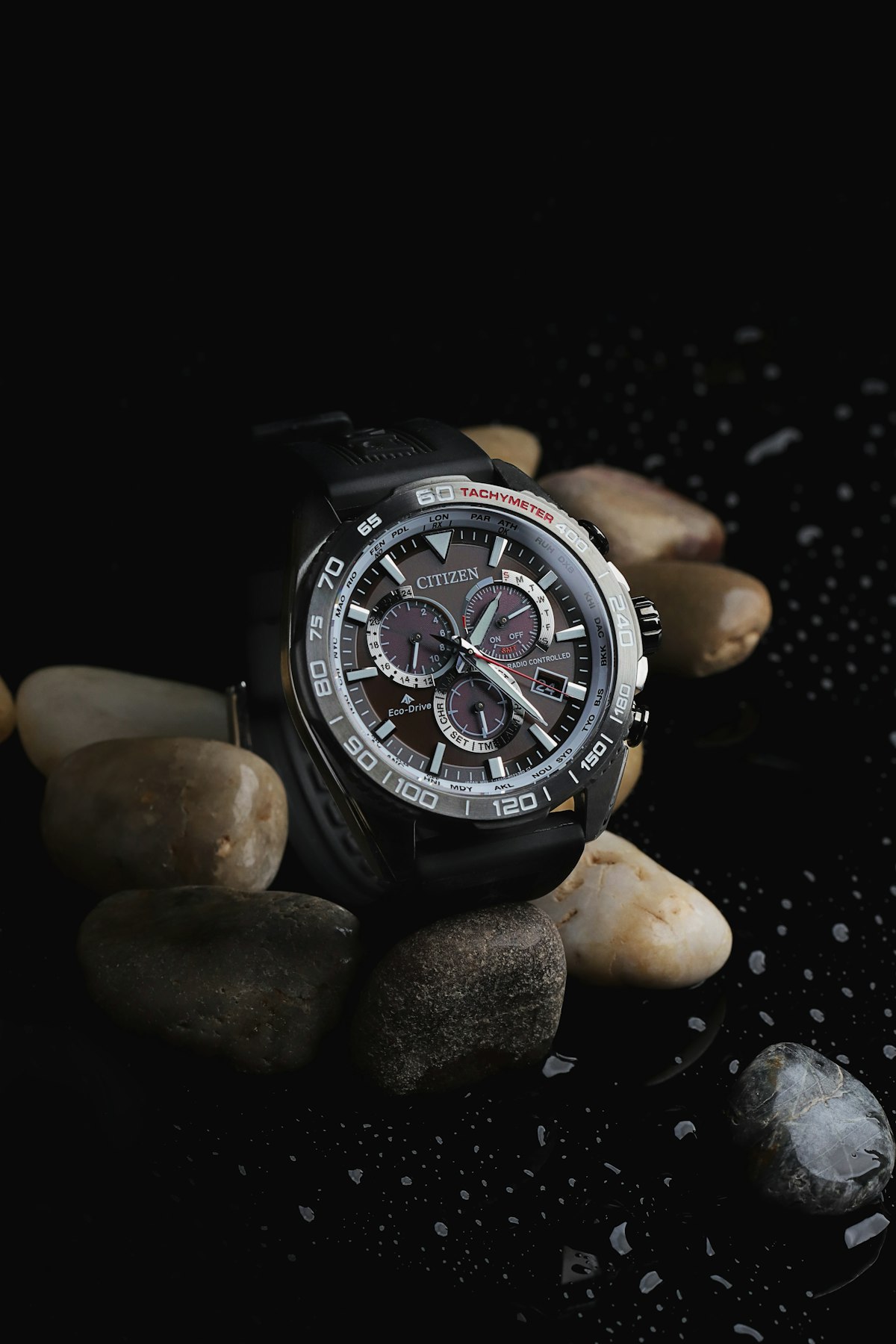
For many enthusiasts, that shift happens quietly. A first Seiko 5 becomes a Hamilton Khaki Field Mechanical. A practical Citizen Promaster opens the door to independent and microbrand designs from Farer, Formex, Baltic, or Venezianico. Before long, the question is no longer, “Do I like this watch?” but, “Will this watch still mean something to me a year from now?”
That is where a collector’s eye becomes invaluable.
Beyond First Impressions
A strong first impression matters. Watches are emotional objects, and attraction is part of the point. But seasoned collectors learn to pause between admiration and purchase. The dial color that feels irresistible online may wear differently in natural light. A case that looks perfectly proportioned in renders may sit too tall on the wrist. A vintage-inspired piece may be beautifully executed yet overlap too heavily with something you already own.
The best buying decisions begin after the initial spark. Ask what, specifically, is drawing you in. Is it the handset, the typography, the historical connection, or the promise of versatility? If the answer is vague, it may be infatuation. If it is precise, you may be onto something worth pursuing.
This is one reason enthusiast favorites such as the Baltic Aquascaphe or Farer’s cushion-case chronographs endure in conversation. They are not merely attractive. They have identity. They offer a point of view.
Learn to Read the Watch as a Whole
A collector’s eye is really the ability to see a watch in layers. Beginners often focus on one headline feature: automatic movement, sapphire crystal, 200 meters of water resistance, Swiss made. Those details matter, but they do not tell the whole story.
Look at proportion first. Diameter gets the attention, but lug-to-lug length, thickness, bezel width, and dial opening are what determine wearability. A 38mm field watch can feel larger than a 40mm diver if the dial is broad and the bezel minimal. This is why a Hamilton Khaki Field can wear so differently from a Seiko Prospex diver, even when the case measurements appear close on paper.
Then consider finishing. Not whether the watch is luxurious, but whether its surfaces have been handled with care. Brushed and polished transitions should feel intentional. Hands should match the design language of the markers. Date windows, if present, should feel integrated rather than inserted as an afterthought. On a well-resolved watch, nothing feels accidental.
Formex is a useful modern example here. The brand’s Essence line often earns praise not because it shouts, but because the details are coherent. Case finishing, dial texture, bracelet execution, and clasp quality all reinforce one another. That coherence is often what separates a watch you admire briefly from one you continue appreciating over years of ownership.
The Movement Matters, but Context Matters More
Collectors love movements, sometimes to the point of mythology. There is good reason for that. A hand-wound caliber can deepen the daily ritual. A beautifully regulated automatic movement can be a quiet pleasure. A historically significant caliber can connect the owner to a larger story.
Still, movement quality should be judged in context. An ETA 2824 or Sellita SW200 may not be exotic, but both are proven, serviceable, and familiar to watchmakers around the world. A Miyota 9000-series movement can offer slim dimensions, strong reliability, and impressive value. Seiko’s 6R family, while not always glamorous in enthusiast debates, powers many watches that deliver years of honest use.
What matters is fit between movement and mission. In a rugged daily wearer, dependability and ease of service may be more important than decorative finishing. In a dress watch, thinness and tactile winding feel may matter more. In a microbrand release, transparency matters too. If a brand uses a common caliber, that is not a weakness. The real question is whether it regulates the movement well, cases it thoughtfully, and prices the watch fairly.
Character Is What Keeps a Watch in the Collection
Many watches are good. Fewer have character.
Character is difficult to quantify, but collectors recognize it quickly. It may come from design restraint, as with certain Japanese references from Seiko or Citizen. It may come from color and whimsy, something Farer has built into its identity with unusual confidence. It may come from architecture and texture, as seen in brands like NEUTRA or Mitch Mason, where thoughtful design often reveals itself gradually rather than all at once.
This is often where microbrands earn their place. They are not automatically better than larger manufacturers, but they can be more specific. They are often founded by people with a sharp sense of what they want a watch to express. When that vision is clear, the result can feel deeply personal.
A collector’s eye looks for this sense of intent. Ask whether the watch has its own voice, or whether it is simply echoing more established references. Homage can be tempting, especially early in a collecting journey, but watches with independent character tend to age better emotionally.
Consider the Life the Watch Will Actually Live
The most satisfying watches are not always the most impressive on paper. They are the ones that fit into real life.
A 100-meter everyday watch on a comfortable bracelet may bring more joy than a highly complicated piece that rarely leaves the box. A manual-wind field watch might become a favorite because it creates a moment of calm each morning. A solar-powered Citizen may prove more liberating than a mechanical alternative if your week is hectic and your collecting style leans practical.
This is where honesty becomes essential. Think about climate, wardrobe, wrist size, travel habits, and tolerance for scratches. Think about whether you change straps often, whether you value quick-adjust clasps, whether lume matters to you, whether you truly enjoy setting a date.
A collector does not buy for fantasy alone. A collector buys with imagination grounded in use.
The Wisdom of Waiting
One of the hardest lessons in watch collecting is that not buying can be as important as buying. The modern market is designed to create urgency: limited runs, preorder windows, launch-day social media excitement. Sometimes the watch is excellent. Sometimes the pressure is the product.
If a watch still occupies your mind after a few weeks, that is useful information. If the excitement fades once the release cycle moves on, that is useful too. Patience sharpens taste. It helps separate resonance from noise.
Over time, this restraint builds a more personal collection. Not a box full of “good deals” or hype-driven acquisitions, but a group of watches that map your own developing sensibility.
Buy the Watch, but Also Buy the Story
A watch is never just steel, sapphire, and gears. It is design, engineering, history, ritual, and memory bound together in a wearable form. To buy well is to understand not just what a watch is, but why it exists and what it contributes to your collecting life.
That might lead one person to a Hamilton rooted in military practicality, another to a Baltic inspired by mid-century charm, and another to a contemporary Formex or Venezianico that expresses modern craft at a compelling price. There is no single correct path, only a more thoughtful one.
The collector’s eye is ultimately not about chasing prestige. It is about learning to recognize integrity, character, and lasting pleasure. Once you do, every purchase becomes more deliberate, and every watch you keep earns its place.
And that, perhaps, is one of the quiet joys of this hobby: the more carefully we collect, the richer the conversations become—especially when shared with others who understand why the details matter.