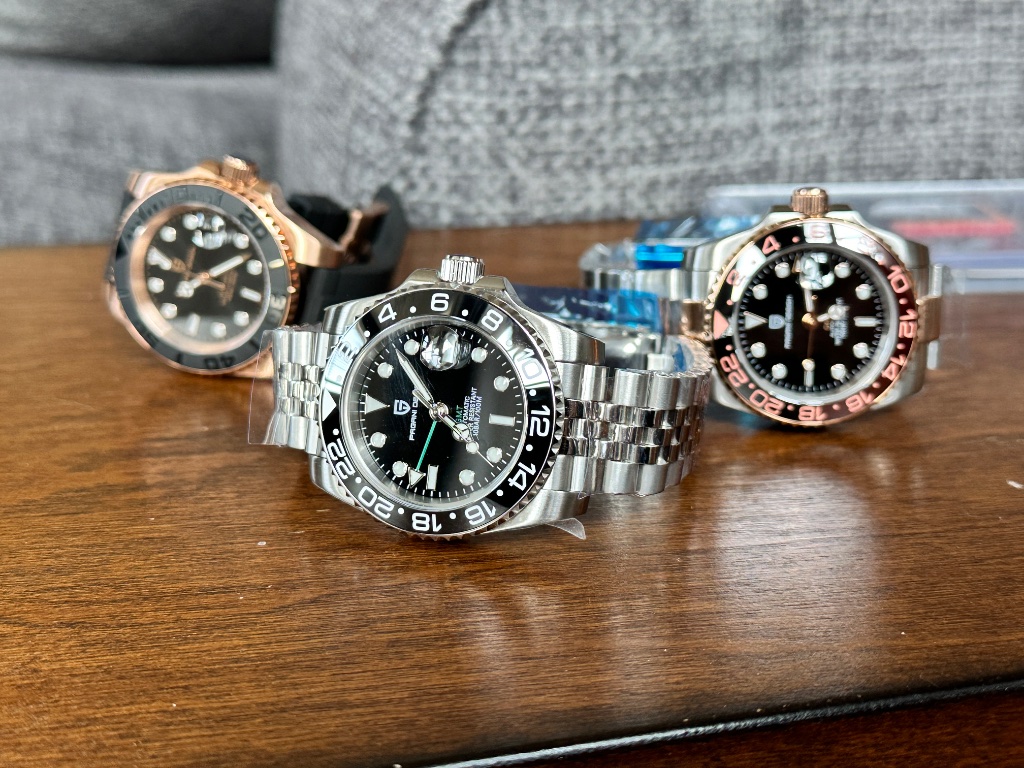

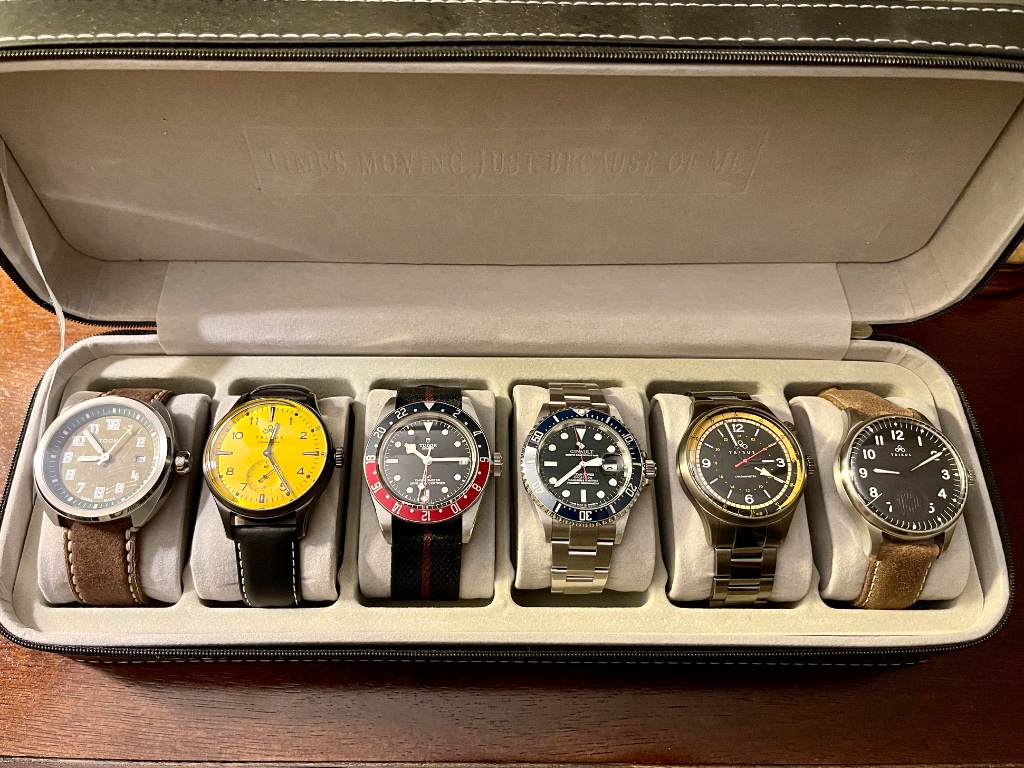


Most collectors eventually ask the same question: how often should a watch actually be serviced? The frustrating answer is that there is no single calendar rule that fits every piece in a collection. A Hamilton Khaki Field worn five days a week will age differently than a Baltic MR01 brought out for dinners, and both live very different lives from a Seiko Prospex diver that regularly sees salt water.
That uncertainty is exactly why service intervals deserve a more thoughtful conversation. Good watch care is not about panic, nor is it about waiting for a watch to fail dramatically. It is about understanding what your watch is telling you, how it is used, and what kind of movement is inside the case. For seasoned enthusiasts, that may sound obvious. For newer collectors, it is one of the most valuable lessons in the hobby.
Why servicing matters beyond simple accuracy
When people think about service, they usually think about timekeeping. If a watch is running a little fast or slow, the assumption is that it needs attention. Sometimes that is true, but accuracy is only one part of the story.
Inside a mechanical movement, oils gradually degrade, migrate, or dry out. Friction increases. Wear begins not because a watch has suddenly become inaccurate, but because components are working without ideal lubrication. A movement such as the Sellita SW200, ETA 2824, Miyota 9015, or Seiko 4R36 is robust and well proven, yet none of them is immune to age, dust, shocks, or moisture intrusion.
A proper service is preventive as much as corrective. The movement is disassembled, cleaned, lubricated, reassembled, regulated, and tested. Gaskets are replaced where needed. If the watch has meaningful water resistance, pressure testing matters just as much as the movement work. In other words, service is not a cosmetic luxury for precious watches. It is routine mechanical stewardship.
Mechanical watches are not all on the same clock
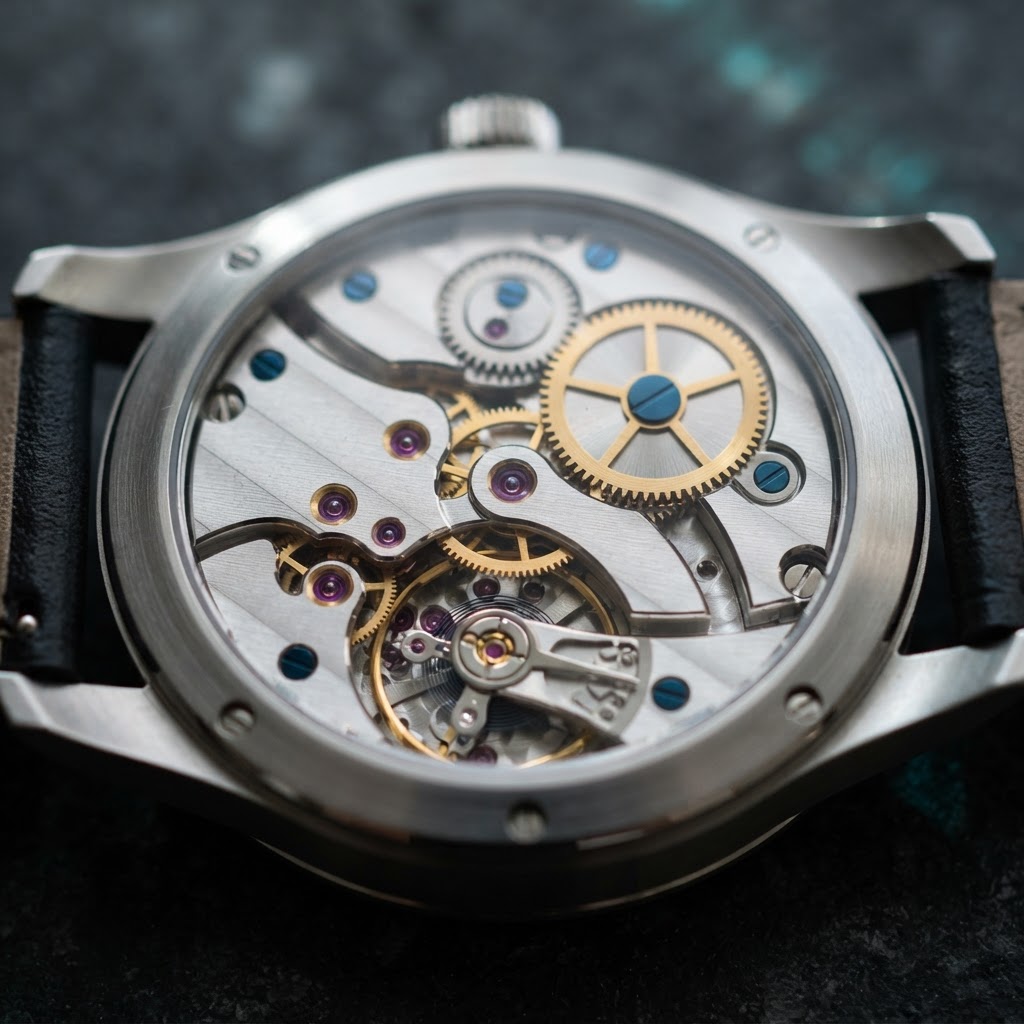
Brands often suggest service intervals of around five years, though modern lubricants and improved manufacturing mean some watches can go longer. Omega, for example, has often spoken about extended intervals on certain co-axial models, while many independent watchmakers and service centers still consider five to seven years a sensible benchmark for conventional mechanical calibers.
The better approach is to think in terms of condition and usage rather than a rigid date. A Formex Essence on a desk-bound rotation may be perfectly healthy at year six. A Seiko Turtle used for swimming, travel, and everyday knocks might need gasket attention much sooner, even if the movement itself remains fine. A Farer on leather that never sees water faces different risks than a Citizen Promaster or a Hamilton Khaki Navy Scuba.
For microbrands, the logic is the same. Whether your watch is a Venezianico with a Sellita movement, a Mitch Mason with a Miyota, or a NEUTRA using a Seiko-derived caliber, the movement architecture and the watch’s lifestyle matter more than the logo on the dial. One advantage of common calibers is serviceability: parts availability and familiarity among independent watchmakers are often better than collectors fear.
As a rule, if a mechanical watch shows a clear drop in power reserve, erratic amplitude, sudden accuracy swings, or resistance when winding or setting, do not wait for the perfect anniversary date. Those are signs worth investigating.
Quartz deserves more respect than collectors sometimes give it
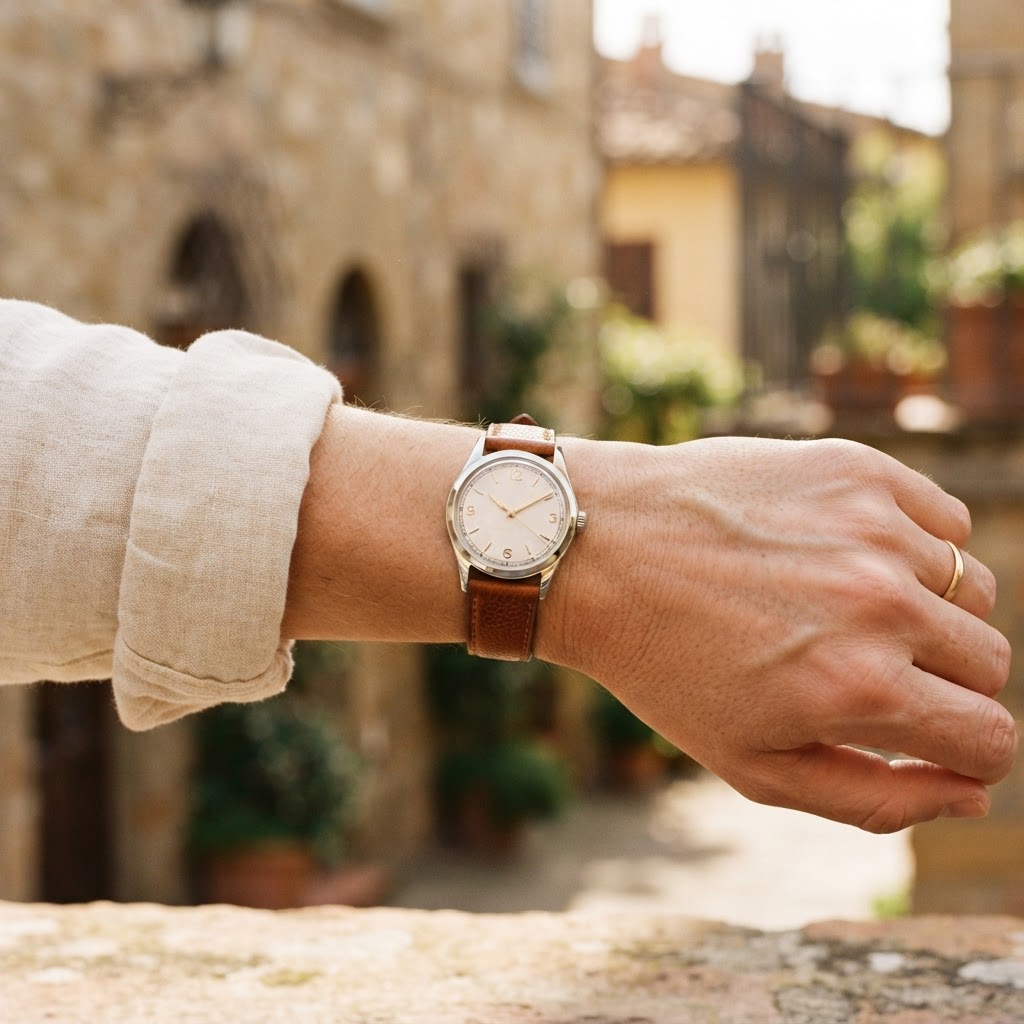
Quartz watches are often treated as maintenance-free, but that is not quite true. They are low maintenance, not no maintenance.
A battery-powered quartz watch should have its battery changed promptly when depleted. Leaving a dead battery inside for too long increases the risk of leakage, and that can turn an inexpensive battery change into a costly repair. If the watch is sealed for water resistance, a battery replacement should also include gasket inspection and, ideally, pressure testing.
Solar and light-powered pieces like Citizen Eco-Drive models reduce battery-change anxiety, but they still benefit from care. Rechargeable cells age, seals harden, and bracelets collect grime just like any other watch. High-accuracy quartz and meca-quartz pieces from enthusiast-friendly brands deserve the same respect as mechanical watches, even if the service calendar looks different.
The small habits that meaningfully extend a watch’s life
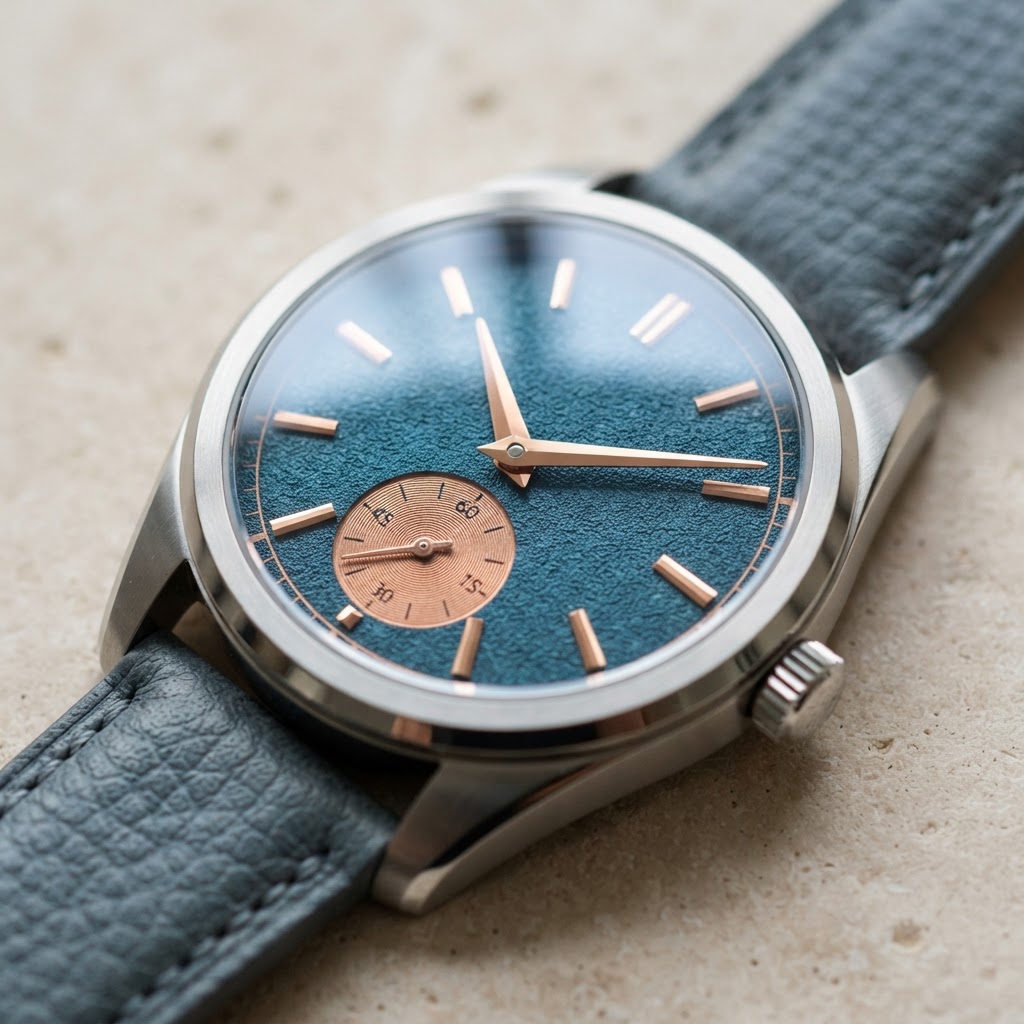
Collectors often focus on service intervals while overlooking the everyday habits that matter just as much. The first is simple: keep the crown secure. An unscrewed crown on a supposedly water-resistant watch is one of the easiest ways to invite disaster.
Second, rinse divers after salt water exposure. A Seiko Prospex, Citizen diver, or any 200-meter-rated piece may be built for aquatic use, but salt and sand are still harsh companions. A quick freshwater rinse and a soft dry cloth go a long way.
Third, be mindful of magnetism. Laptops, phone accessories, speakers, and magnetic clasps can disturb a mechanical movement’s rate more than many owners realize. If a watch suddenly starts gaining minutes rather than seconds, demagnetization may solve the problem without a full service.
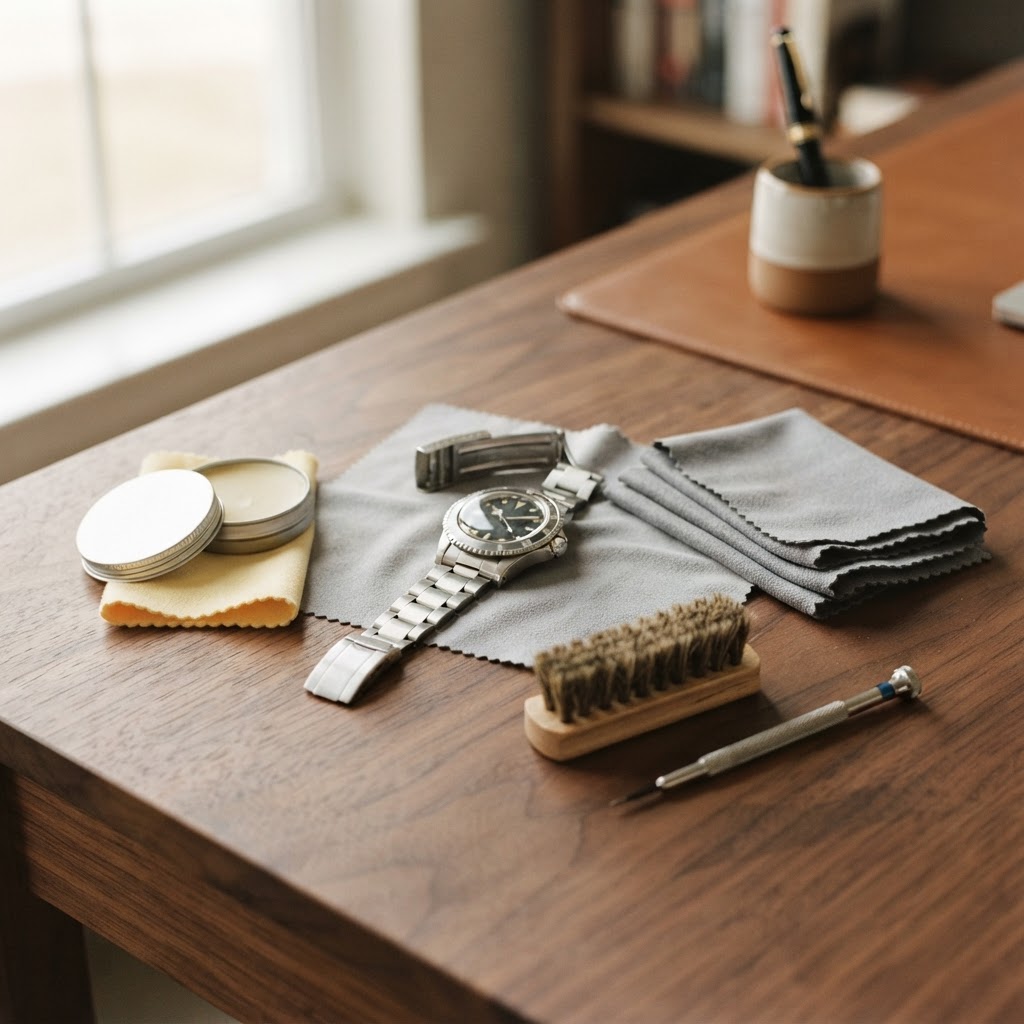
Fourth, treat straps as part of maintenance. Leather straps should be kept dry and allowed to rest. Rubber should be rinsed occasionally. Bracelets benefit from gentle cleaning with warm water, mild soap, and a soft brush, especially around clasps and end links where grit accumulates.
None of this is glamorous, but these are the quiet disciplines of good ownership.
Water resistance is not permanent
One of the most misunderstood phrases in watch collecting is water resistant. It sounds permanent. It is not.
Gaskets age. Casebacks are opened. Crowns are knocked. Temperature changes affect seals. Even a well-built diver from Seiko, Hamilton, or Formex should not be assumed waterproof forever simply because the dial says 200 meters. If you actually swim, dive, or spend time around water with a watch, periodic pressure testing is a wise annual habit.
This is particularly relevant for vintage watches, but modern pieces are not exempt. A handsome daily wearer from Baltic or Farer may survive rain for years, but if it has never been tested since purchase, caution is prudent. Water damage remains one of the most expensive and avoidable forms of watch failure.
Knowing when to leave well enough alone

There is also a collector’s trap on the other side of neglect: over-servicing. Not every watch that runs a touch outside chronometer expectations needs immediate intervention. Many watches, especially affordable mechanicals, will drift within a perfectly normal range for years. Chasing laboratory precision from a Seiko NH35 or Miyota 8215 misses the charm of what these movements are designed to be: durable, honest engines.
A trusted watchmaker is invaluable here. The best ones do not sell fear. They tell you when regulation is enough, when a gasket set and pressure test will do, and when a full overhaul is genuinely necessary. That relationship is part of maturing as a collector.
In the end, watch care is less about obeying a universal timeline and more about paying attention. Listen to the movement, respect the case and seals, and be realistic about how the watch is used. Whether your collection leans toward Hamilton and Seiko staples, rising microbrands, or more ambitious Swiss pieces, maintenance is what turns ownership into guardianship.
And that, really, is one of the quiet pleasures of this hobby: not just acquiring watches, but learning how to keep them alive for the years ahead. It is the kind of conversation collectors never quite tire of, especially when shared with people who understand why these small machines matter.