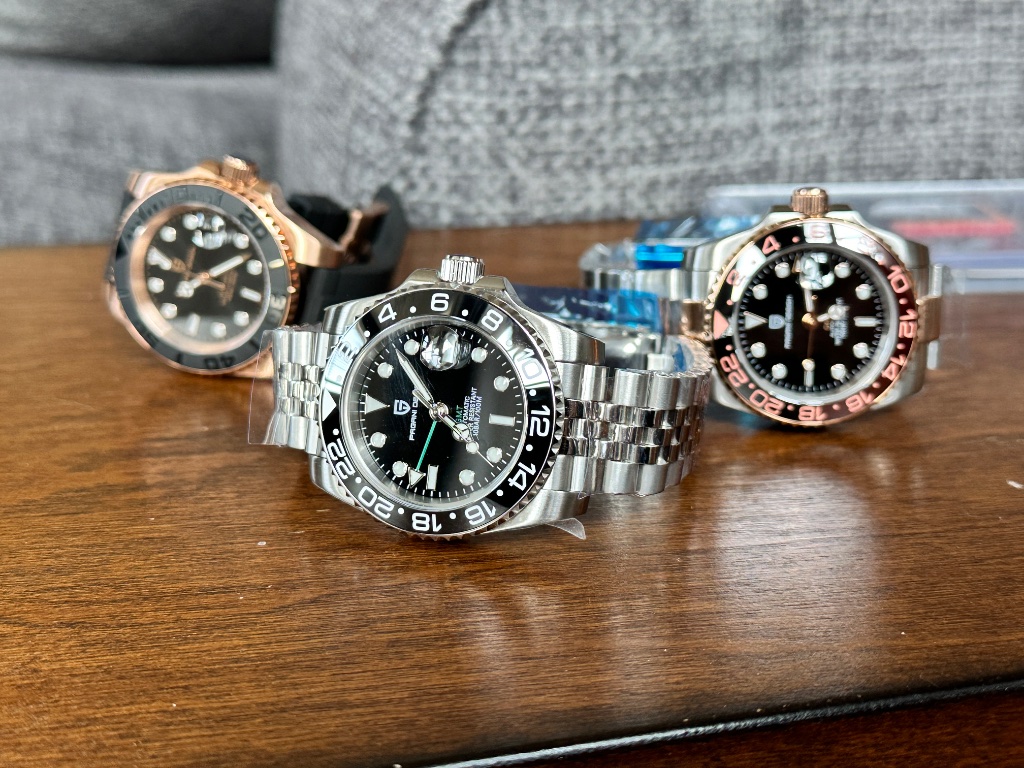

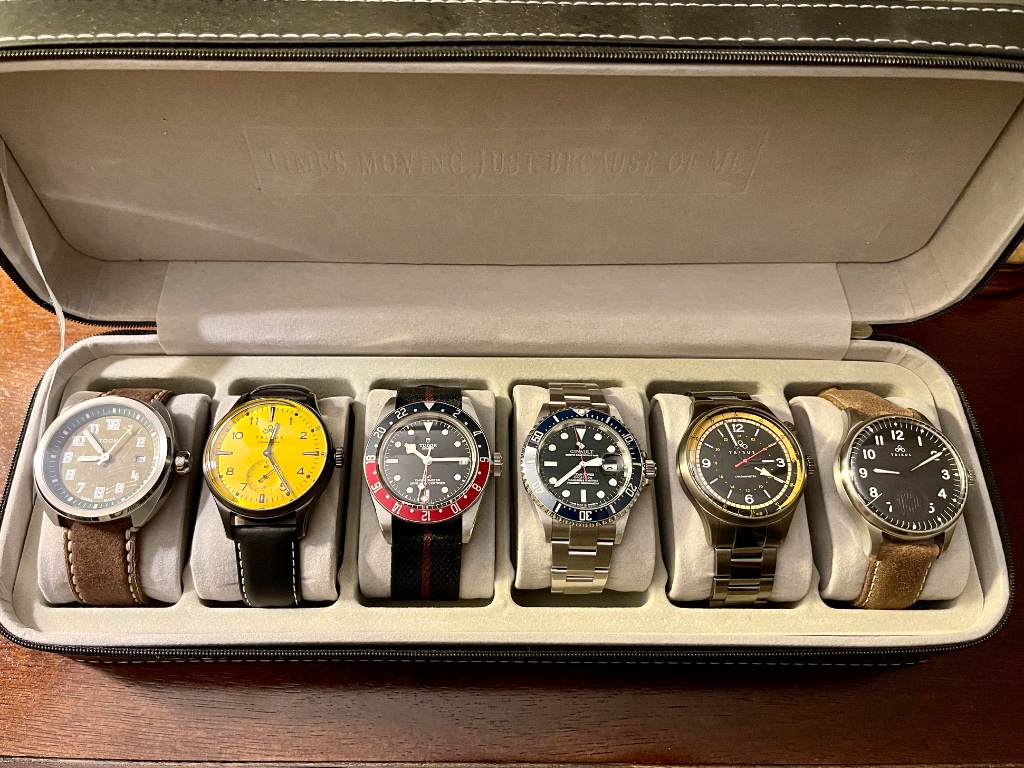

A good watch is built to live with you. That is true whether you wear a Hamilton Khaki Field on weekdays, a Seiko Prospex on the water, or a Baltic Aquascaphe on the weekend. Yet one of the quiet pleasures of collecting is learning that ownership is not just about acquisition. It is about stewardship.
The phrase "watch care and maintenance" can sound intimidating to newer collectors, as if every watch demands a workshop bench and a timing machine. In reality, most healthy habits are simple. The goal is not to baby a watch until it never leaves the box. The goal is to let it age gracefully, perform reliably, and retain the character that made you fall for it in the first place.
The real purpose of maintenance
Collectors sometimes talk about maintenance as though it exists only to preserve value. That matters, of course, especially if you are keeping service records for a Farer GMT, a Formex Essence, or a limited-run microbrand piece from Mitch Mason or NEUTRA. But proper care is really about preserving function and enjoyment.
A watch is a machine, even when it feels like jewelry. Oils dry. Gaskets compress. Bracelets accumulate grit. A movement as common and dependable as an ETA 2824 or Sellita SW200 will run beautifully for years, but no movement is improved by neglect. The same goes for a Seiko 6R35, a Miyota 9039, or even a battery-powered quartz caliber that many collectors assume is maintenance-free.
The trick is to think in seasons, not in panic. Watches rarely fail without warning. They usually tell you something first: condensation under the crystal, a crown that feels gritty, a sudden gain of several minutes a day, or a power reserve that seems to vanish too quickly.
Daily habits matter more than expensive tools
Most of the best care happens before a problem appears. Wipe your watch down at the end of the day, especially if you have been in heat, salt air, or sunscreen. A soft microfiber cloth is enough for routine use. If you wear a steel sports watch often, a gentle rinse under lukewarm water can do wonders, provided the crown is fully secured and the water resistance is appropriate.
That last point matters. Many enthusiasts assume a watch rated to 100 meters is invincible. It is not. Water resistance is a system, not a promise for all conditions forever. Gaskets age, impacts matter, and hot showers can be surprisingly unkind because heat expands materials and steam finds weaknesses. If you actually swim with your watch, it is wise to have seals and pressure tested periodically.
One habit every collector should learn: avoid changing the date during the danger zone, typically around 9 p.m. to 3 a.m. on many mechanical movements. During those hours, the date mechanism may already be engaged. Forcing it can damage components that are small, precise, and costly to replace. It is a simple bit of horological etiquette that saves real money.
Water, magnetism, and shock: the modern hazards
Despite the romance of vintage collecting, modern life poses its own threats. Magnetism is one of the most common and least dramatic. Set a watch near a phone case magnet, laptop clasp, speaker, or tablet accessory and a mechanical movement may start running wildly fast. The good news is that magnetization is usually easy to diagnose and easy to fix. A watchmaker can demagnetize a watch in minutes, and many collectors eventually keep a small demagnetizer at home.
Shock is less glamorous but more serious. Even robust watches like a Citizen Series 8, a Hamilton field watch, or a tough microbrand diver are not meant for repeated impact. Golf swings, mountain bike trails, or dropping a watch onto a tile floor can disturb regulation or damage pivots. Sports watches are durable, not indestructible.
Then there is water in the real world: salt, chlorine, sweat, and humidity. After a day at the beach, rinse a diver like a Seiko Prospex or Venezianico Nereide in fresh water. Salt crystals love to hide in bezel gaps and around crown tubes. Leather straps deserve even more attention. Moisture is their enemy, and no amount of beautiful patina can disguise a strap that has been prematurely ruined by repeated soaking.
Mechanical and quartz watches ask for different care
Mechanical watches tend to receive the romance, but quartz deserves respect. A battery-powered watch still needs fresh seals, clean contacts, and attention to leaks from exhausted batteries. If you store quartz watches for long stretches, do not simply forget them. A dead battery left in place too long can create far more trouble than the battery change itself.
Solar quartz, including Citizen Eco-Drive models, is wonderfully practical, but even these should be exposed to light regularly. Tuck one into a dark drawer for a year and you may shorten the life of a system designed for easy ownership.
Mechanical watches, meanwhile, benefit from regular motion but do not need obsessive winding rituals. If a manual-wind watch feels resistant, stop. If an automatic watch has been sitting, give it a few deliberate winds and set it carefully. A watch winder can be useful for perpetual calendars or pieces you wear often, but it is not essential for a simple three-hander. In many collections, a winder is more furniture than necessity.
Storage, straps, and the long view
Good storage is about stability. Keep watches away from direct sunlight, extreme temperature swings, and damp spaces. A proper watch box is less about display than protection from dust, knocks, and clutter. If you rotate often, let leather straps rest between wears and make sure bracelets occasionally get a deeper clean. Dirt trapped in bracelet links acts like an abrasive over time.
One bit of collector wisdom worth repeating: be cautious with polishing. Light wear tells the truth about a watch's life. Over-polishing erases edges, softens lugs, and removes some of the very geometry that makes a case beautiful. The crisp lines on a Formex, the vintage-inspired surfacing on a Baltic, or the tool-watch shape of a Seiko can be permanently diminished by aggressive refinishing. Clean first. Refinish only when truly necessary.
It also helps to keep simple records. Note when a watch was pressure tested, regulated, or serviced. Keep receipts, warranty cards, and any replaced parts returned by the watchmaker when appropriate. This is not just paperwork. It becomes part of the watch's story and helps future care feel informed rather than reactive.
Knowing when service is actually due
The old rule of servicing every three to five years is no longer universal. Modern lubricants and manufacturing tolerances have improved, and many brands now suggest longer intervals. But calendar-based advice should never replace observation.
If a watch is keeping strong time, winding smoothly, and showing no signs of moisture or distress, immediate service may not be necessary. On the other hand, if your Farer starts losing amplitude, your Hamilton develops crown resistance, or your favorite microbrand diver begins fogging after a swim, do not wait for a complete failure. Preventive service is almost always kinder than corrective repair.
Just as important is where you send it. An experienced independent watchmaker can be a treasure, especially for common Swiss calibers or Japanese workhorses. Brand service centers may be preferable for proprietary parts, warranty work, or highly specific finishing. The best choice is the one that respects both the mechanism and the personality of the watch.
In the end, caring for a watch is less about fussiness than attentiveness. A well-kept watch should still pick up scratches, stories, and mileage. That is part of the joy. We do not maintain these objects to freeze them in time. We maintain them so they can keep time with us, year after year, and so the conversations they inspire only grow richer among fellow collectors who understand exactly why that matters.