
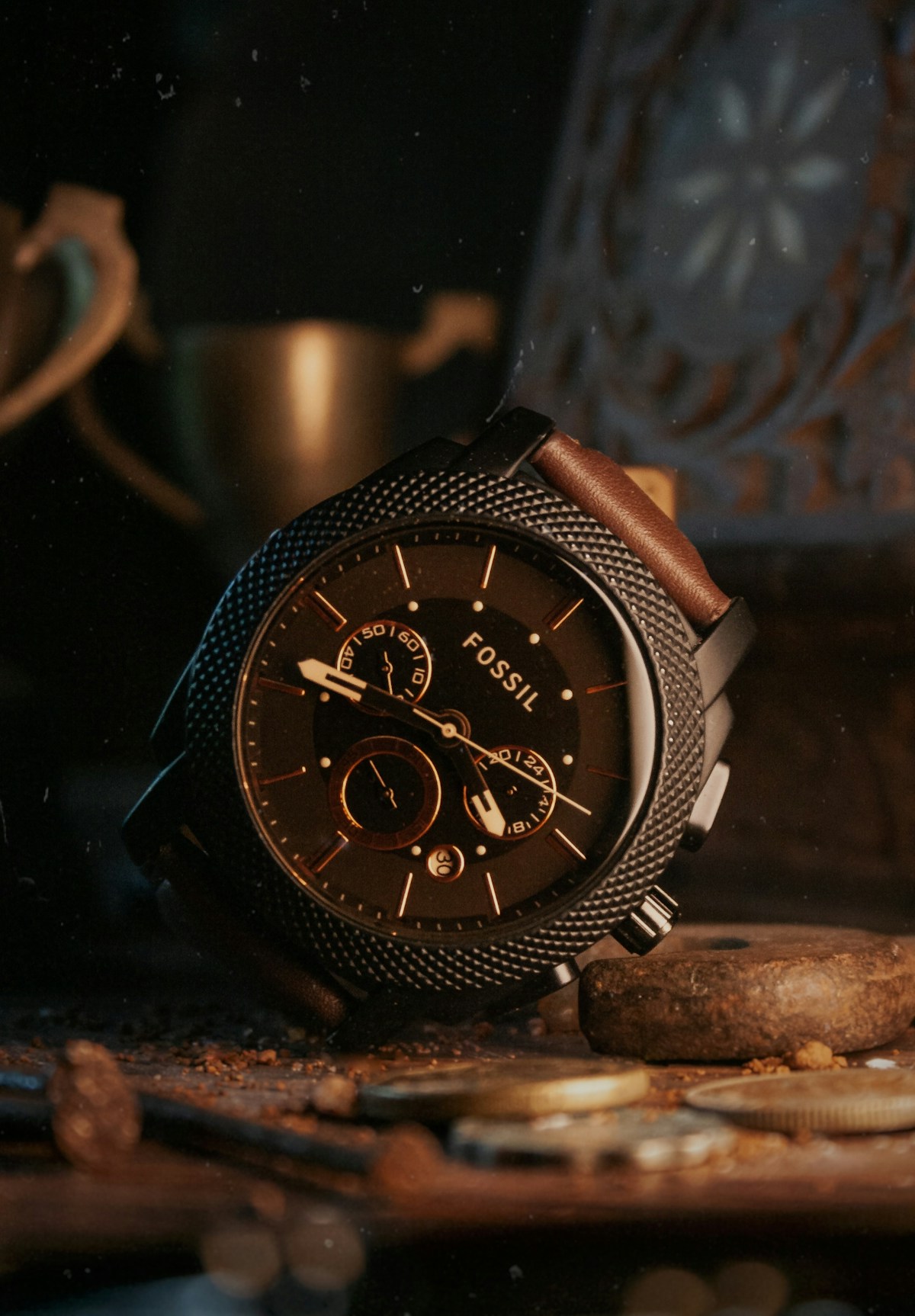
A good watch is built to live with you. It should pick up stories, not just scratches. Whether it is a Hamilton Khaki Field on your wrist every weekday, a Seiko Prospex that sees real water, or a Baltic Aquascaphe reserved for weekends, care is less about fussing and more about understanding what the watch needs to perform well over time.
Collectors sometimes talk about maintenance as if it begins at the service center. In truth, most of it starts with daily habits. Thoughtful ownership will do more for a watch’s long-term health than any polishing cloth or expensive gadget.
The first line of maintenance is how you wear it
Mechanical watches are remarkably resilient, but they are still miniature machines. Inside a Sellita SW200, ETA 2824, Miyota 9015, or Seiko 6R35, tolerances are tiny and lubricants are finite. The best thing you can do is treat the watch like a precision instrument rather than a piece of indestructible jewelry.
That means avoiding unnecessary impacts. A watch can handle the rhythm of normal life, but repeated shock from golf swings, mountain biking, or using power tools is another matter. Even robust sports models with modern shock protection are better off on the sidelines during those activities.
It also means developing a calm routine. Don’t crank a crown aggressively. Don’t set the date during the danger zone around late evening and early morning when many movements are already engaging the calendar. If you rotate watches, give an automatic piece a few slow winds before wearing it. A Hamilton H-10 or a Formex Essence with its SW200-based movement will settle into steadier timekeeping when it has enough power reserve.
Water resistance is a condition, not a permanent promise
One of the most common collector mistakes is assuming the rating on the dial is forever. It is not. Water resistance depends on gaskets, crown seals, caseback integrity, and sometimes chronograph pushers. Those components age.
A Seiko Prospex diver or Citizen Promaster is built for aquatic use, but even those deserve respect. If your watch sees regular swimming, salt water, or hot tubs, have its seals checked periodically and pressure tested every year or two. If you only wear a field watch around the sink, inspection can be less frequent, but the principle is the same.
After salt water, rinse the watch in fresh water and dry it with a soft cloth. Always make sure a screw-down crown is fully secured before exposure. And never operate chronograph pushers underwater unless the watch is specifically designed for it.
Straps matter here too. A Baltic on beads-of-rice can shrug off a summer swim much better than the same watch on calfskin. Leather and water generally make poor companions. Rubber, nylon, and steel are easier to maintain and kinder to humid climates.
Magnetism and modern life are real factors
For all the romance of mechanical watchmaking, some of the biggest threats are decidedly unromantic: tablet covers, laptop speakers, induction surfaces, handbag clasps, even certain phone accessories. Magnetism can make a watch run wildly fast, and it often arrives without any dramatic event to warn you.
If a watch suddenly starts gaining minutes rather than seconds, magnetization is a likely culprit. The good news is that it is usually easy to fix. A watchmaker can demagnetize a movement in moments, and many collectors eventually keep a small demagnetizer at home.
This is especially relevant for watches powered by common enthusiast favorites like the NH35, SW200, or Miyota 9 series. They are dependable, serviceable calibers, but they are not immune to our modern environment. Anti-magnetic solutions are improving across the industry, yet basic awareness still goes a long way.
Cleaning is simple, but consistency matters
A neglected bracelet tells on its owner. Dust, sweat, sunscreen, and skin oils collect quietly, then harden into grime around links, clasp internals, and the back of the case. The result is not only cosmetic. Dirt can accelerate wear and make a fine watch feel unpleasant on the wrist.
For a steel bracelet, regular cleaning is wonderfully low-tech. A soft toothbrush, a little lukewarm water, and mild soap are usually enough if the watch has suitable water resistance. Dry it thoroughly with a microfiber cloth. This is especially worthwhile for bracelets with lots of articulation, such as the polished links on a Formex or the vintage-inspired geometry found on many microbrand bracelets.
For leather straps, restraint is the better philosophy. Wipe them down gently, let them air out after a hot day, and rotate them when possible. If you own something like a Farer on leather or a dressier Venezianico Nereide variation, giving the strap a day off now and then will noticeably extend its life.
A collector’s small wisdom: polish less, clean more. Hairline marks are part of ownership. Overpolishing softens edges, rounds bevels, and steals character from the case. Crisp geometry is hard to restore once it is gone.
Mechanical and quartz watches follow different calendars
Mechanical watches need servicing because oils degrade and friction increases over time. That does not mean every watch needs an overhaul every three years. In many modern calibers, a five- to seven-year window is a sensible starting point, adjusted for usage, performance, and manufacturer guidance.
If your watch is keeping healthy time, the power reserve feels normal, and there are no signs of moisture or rotor noise, there is no prize for rushing it into the workshop. On the other hand, if amplitude drops, winding feels rough, or accuracy collapses, do not wait for a more expensive problem.
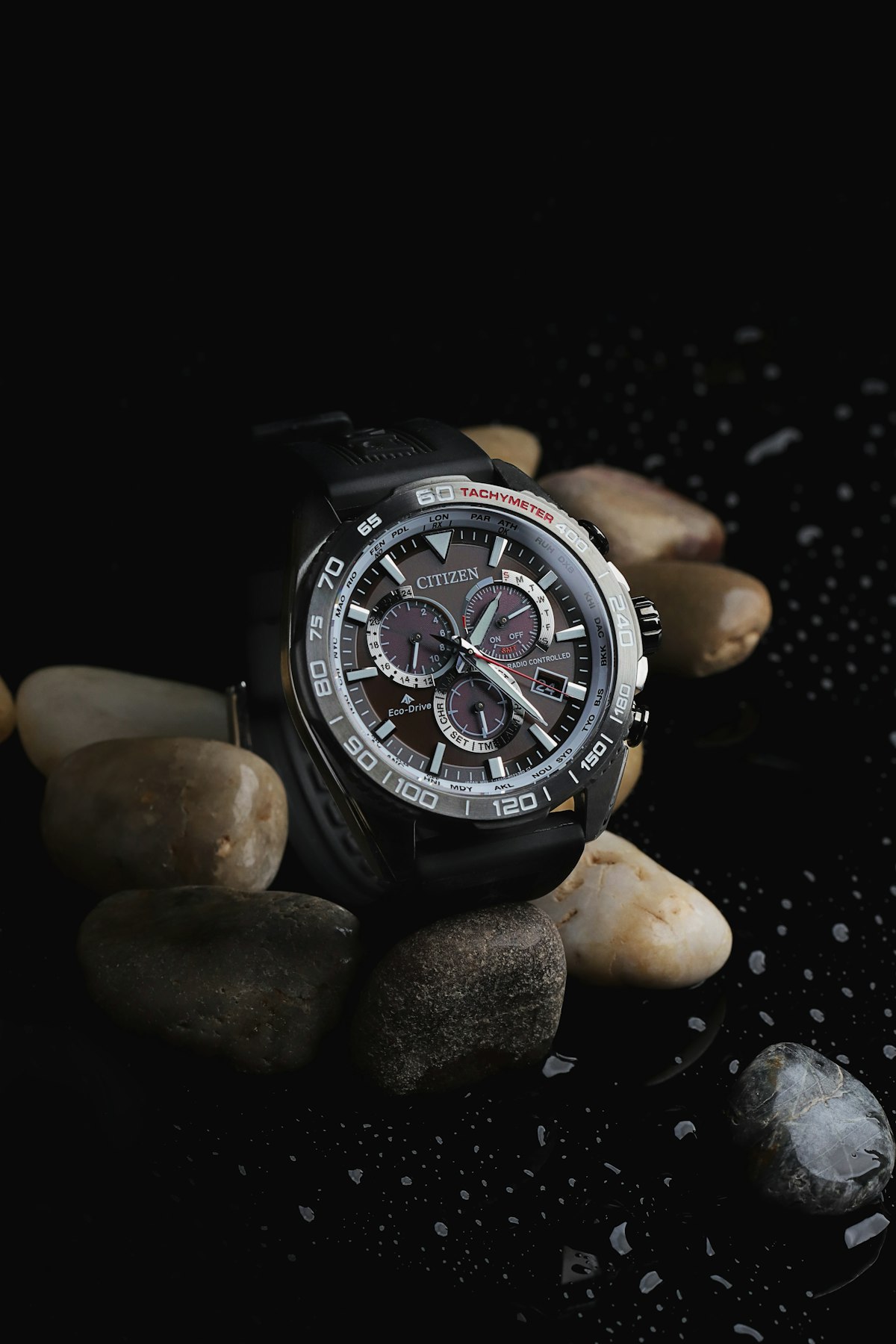
Quartz owners should not mistake fewer moving parts for no maintenance. A simple battery change done in time is part of good stewardship, particularly because old batteries can leak. And solar quartz deserves attention too. A Citizen Eco-Drive is wonderfully convenient, but it still benefits from regular exposure to light and sensible storage.
Vintage watches are their own category entirely. A 1960s dress watch or a family heirloom may require a specialist who understands obsolete parts, radium-era caution, and the importance of preservation over restoration.
Storage should support the watch, not merely display it
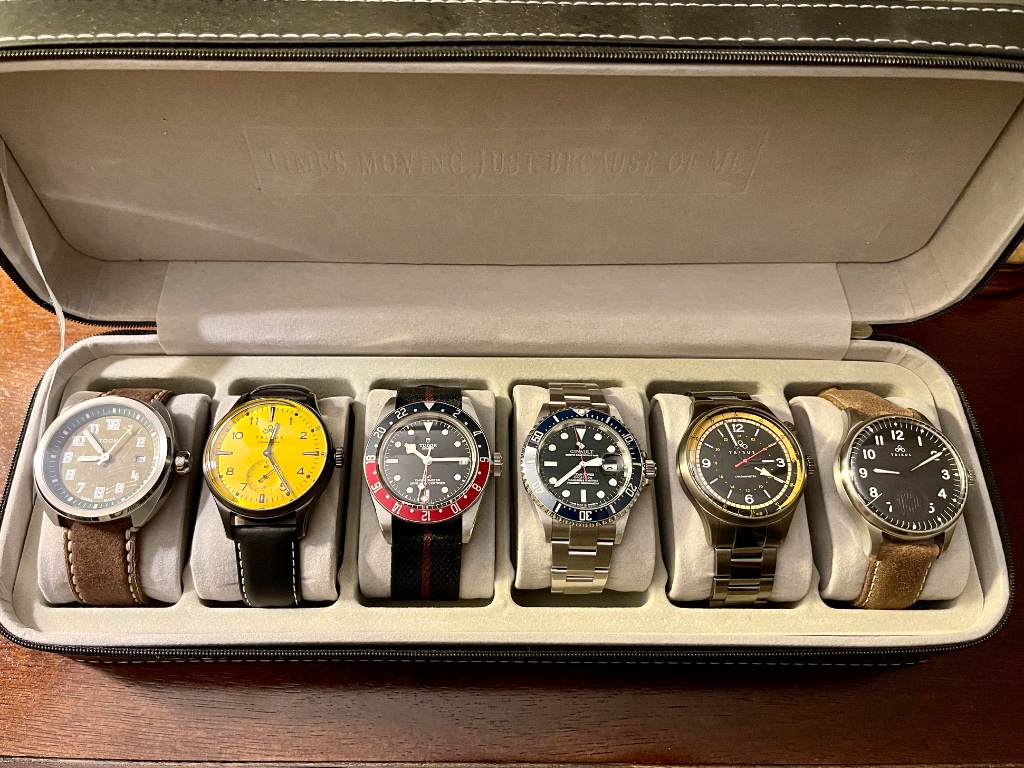
The best storage environment is stable, clean, and dry. Extreme heat, direct sunlight, and high humidity are harder on dials, straps, lubricants, and gaskets than many owners realize. A proper watch box or case is not just indulgence. It prevents knocks, dust buildup, and that careless moment when a watch gets dropped on a hardwood dresser.
Winders have their place, particularly for perpetual calendars or frequently worn GMTs, but most automatic watches do not need one. A Seiko, Hamilton, or NEUTRA is perfectly happy resting still between wears.
If your collection is growing, keep records. Note service dates. Photograph serial numbers. Save warranty cards and receipts. It is one of those habits that feels unnecessary until the day it becomes essential.
Care is really about continuity
The most satisfying watches are rarely the flawless ones. They are the ones that have been worn well, maintained intelligently, and handed the chance to age with dignity. Good care protects accuracy, finish, and value, but it also protects something less measurable: the relationship between owner and object.
That is part of the pleasure of collecting. We learn the rhythms of our watches, trade advice, compare service experiences, and notice the little rituals that make ownership richer. In a community like Keeper Box, those details often become the beginning of the best conversations.