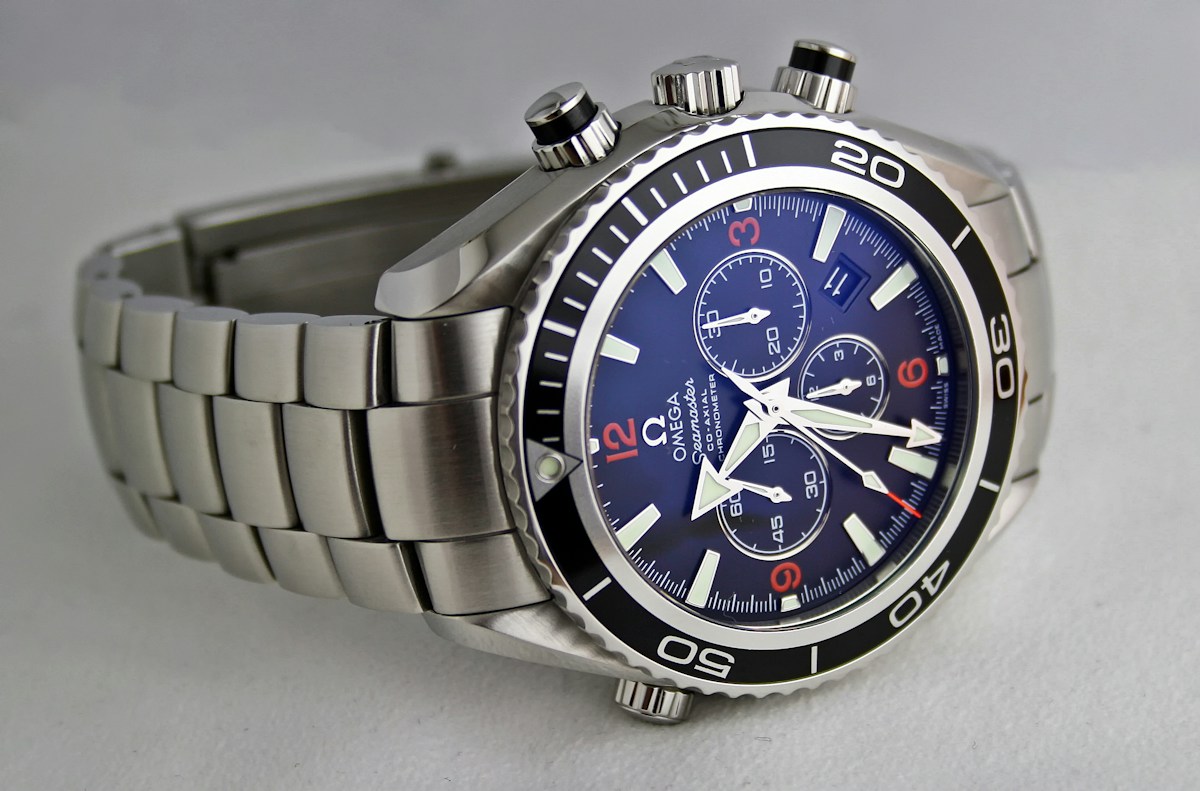
For many collectors, a watch service sits in the same mental drawer as changing the oil in a classic car: necessary, slightly mysterious, and often postponed longer than it should be. The truth is that good maintenance is not about fussiness. It is about stewardship. Whether you are wearing a Seiko 5 with a workhorse 4R36, a Hamilton Khaki Field on an H-10, or a Formex Essence powered by the Sellita SW200-1, every watch is a small machine living on borrowed friction.
The question is not whether a watch needs service, but when.
The old rule, and why it is no longer the whole story
Collectors of a certain vintage still repeat the traditional advice: service a mechanical watch every three to five years. That was once a sensible blanket rule, particularly when lubricants were less advanced and water resistance standards less dependable over time.
Today, the answer is more nuanced. Modern synthetic oils last longer. Manufacturing tolerances are generally better. Brands from Longines to Oris, and even many enthusiast-friendly independents and microbrands, build watches that can run reliably for years without drama. A contemporary ETA 2824, Sellita SW200, Miyota 9015, or Seiko 6R movement may comfortably go beyond five years if it is keeping stable time and showing no signs of distress.
But “it still runs” is not the same as “it is running well.” A movement can continue ticking while lubrication degrades, increasing wear on pivots, wheels, and the escapement. Delaying service too long may turn a routine overhaul into a more expensive repair.
For most modern mechanical watches, a practical interval is roughly five to seven years, adjusted for use. A daily-worn dive watch that sees sweat, shocks, and occasional water exposure may deserve earlier attention than a dress watch that rotates gently between weekends and special occasions.
What actually happens during a service
Part of the hesitation around servicing comes from not knowing what one is paying for. A proper mechanical service is far more than a quick regulation.
The watchmaker disassembles the movement, cleans each component, inspects for wear or damage, replaces compromised parts, applies fresh lubrication in precise amounts, reassembles the movement, regulates it, and tests it over time. If the watch has a screw-down crown or is intended for water resistance, gaskets are checked and often replaced, then the case is pressure-tested.
On a watch like a Citizen Series 8, a Baltic MR01, or a Farer with a Swiss automatic caliber inside, that process restores both performance and longevity. On older or more unusual pieces, especially vintage Seiko, Soviet-era watches, or limited microbrand releases, service can also involve careful sourcing of parts. That is one reason not to wait until something fails catastrophically.
Quartz watches deserve a mention too. They are often treated as maintenance-free, but they are not. Battery changes should be handled thoughtfully, with gasket inspection and resealing. High-quality quartz models, whether from Citizen, Grand Seiko, or a reliable field watch from Marathon, still benefit from periodic checks for moisture intrusion, worn seals, and movement health.
The signs your watch is asking for help
Collectors often ask for a calendar date: tell me the exact year I should service my watch. In reality, the watch itself usually tells the story first.
A noticeable drop in power reserve is one clue. If your Hamilton used to run close to 80 hours and now stops much sooner, something may be amiss. Timekeeping that grows erratic without a clear cause is another. A watch losing five seconds a day is not necessarily sick; a watch that swings wildly between positions, or suddenly starts losing minutes, deserves attention.
Other symptoms are more tactile. A crown that feels gritty while winding, a rotor that sounds unusually rough, condensation under the crystal, or a chronograph pusher that no longer responds crisply all suggest it is time to stop guessing and call a watchmaker.
One of the most overlooked warning signs is simply a change in character. Seasoned collectors know the feel of their watches. The best maintenance habit you can cultivate is paying attention.
Water resistance is not forever
If there is one area where enthusiasts are consistently too optimistic, it is water resistance. “Water resistant to 200 meters” is not a lifetime promise. It is a condition dependent on intact gaskets, a secure crown, and proper case integrity.
A Seiko Prospex, Citizen Promaster, or Doxa Sub is built for aquatic use, but rubber and polymer seals age. Heat, sunscreen, saltwater, and repeated crown manipulation all take a toll. If you swim regularly with a watch, an annual pressure test is wise. If you rarely expose it to water, periodic gasket replacement during normal service is usually enough.
This matters just as much for everyday watches as for dedicated divers. Moisture is a silent enemy. A single compromised seal can do more harm in one afternoon than three years of slightly dry lubricants.
Good habits between services
Care is not only what happens on the watchmaker’s bench. It is also what happens at your nightstand, desk, and sink.
Wipe down your watch after a hot day, especially if it has been exposed to sweat or salt. Rinse a dive watch with fresh water after the ocean. Avoid setting the date during the danger zone around late evening and early morning on many mechanical movements, when the date mechanism may already be engaged. Keep magnetic sources in mind; tablets, speakers, handbags with magnetic clasps, and even some desk accessories can affect performance more than many owners realize.
Storage matters too. A watch does not need a bank-vault ritual, but it does appreciate consistency. A clean watch roll, a lined tray, or a proper box prevents unnecessary scratches and knocks. Leather straps last longer if allowed to dry between wears, while bracelets benefit from the occasional gentle cleaning with warm water and a soft brush, assuming the watch’s water resistance is sound.
Brand service or independent watchmaker?
There is no universal answer, only a question of priorities. Brand service centers offer factory parts access, standardized procedures, and reassurance for newer or warranty-covered pieces. This is often the cleanest route for watches from Omega, Tudor, or Longines.
A skilled independent watchmaker, however, can be the better experience for many collectors, especially when dealing with robust calibers like the ETA 2824, SW200, Miyota 9000 series, or NH35 family found across numerous microbrands including Venezianico, Mitch Mason, and NEUTRA. Independents may provide more direct communication, better value, and a more sympathetic touch with vintage pieces.
The key is reputation. Ask about pressure testing, timing results, turnaround, and experience with your movement. Good watchmakers are not defensive about process; they are proud of it.
A watch is happiest when it is known
Perhaps the best collector wisdom is this: service intervals are not purely mechanical, they are personal. The watch you wear every day deserves different attention than the one you admire twice a month. A field watch that joins you on flights, hikes, and summer weekends will age differently than a hand-wound dress piece reserved for dinners and ceremonies.
The goal is not perfection. It is continuity. We service watches because we want to keep their character intact, their movements healthy, and their stories in motion.
In a hobby that often celebrates acquisition, maintenance is a quieter form of devotion. And among collectors, that tends to be recognized immediately. The watches we care for best are usually the ones we keep longest, discuss most fondly, and one day pass along with real confidence. That spirit of shared stewardship is part of what makes a good watch community feel so rewarding in the first place.