Investment, Value, and the Truth About Collecting
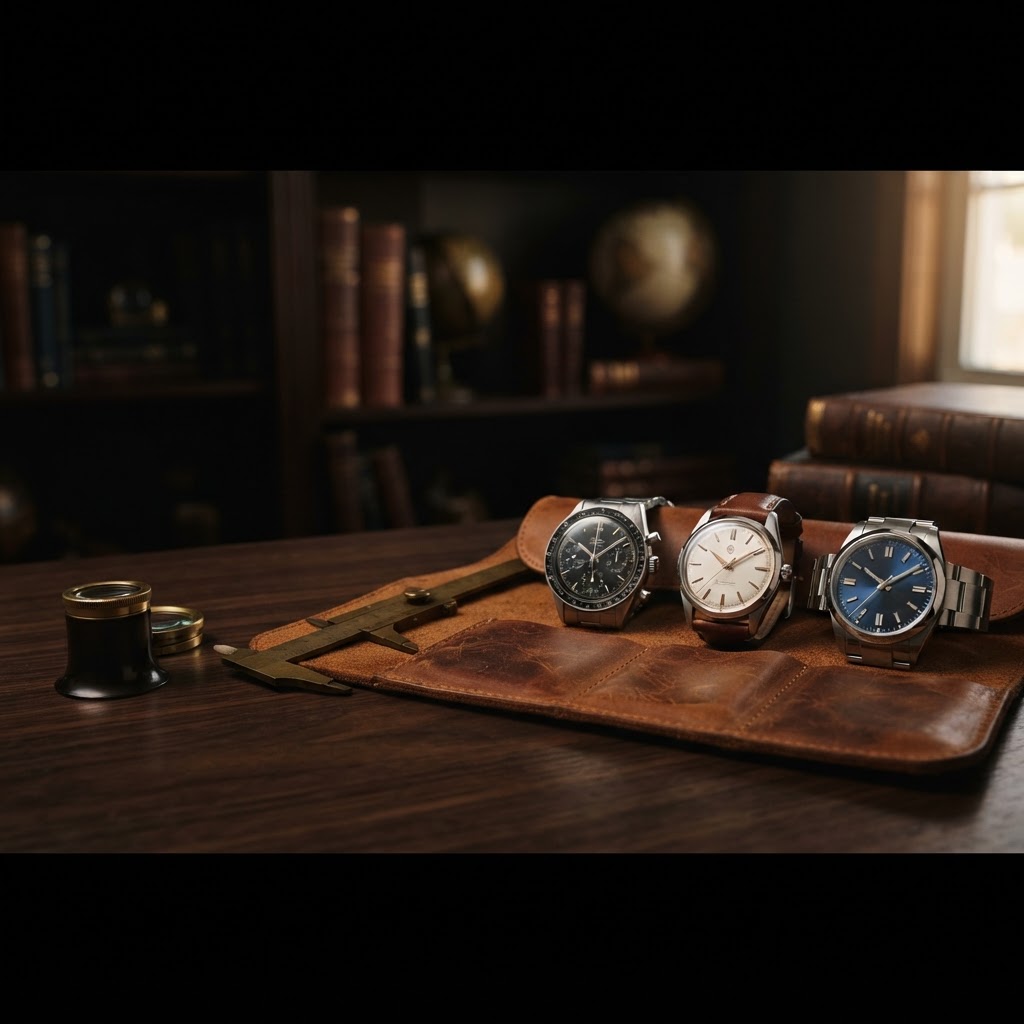
In watch collecting, the word investment can be both useful and dangerous. Useful, because timepieces are tangible objects with real markets, real scarcity, and in some cases, impressive long-term value retention. Dangerous, because the moment every purchase is framed as a guaranteed financial win, the collector’s eye can become clouded by hype.
The healthiest approach sits somewhere in the middle. A good watch investment strategy is not about chasing the loudest release or assuming every steel sports model will double in price. It is about understanding why certain watches hold value, why others quietly appreciate, and how to buy with enough discipline that even if the market softens, you still own something worth wearing.
That distinction matters. A collector who buys well is rarely disappointed. A speculator who buys noise often is.
What Actually Creates Value in a Watch
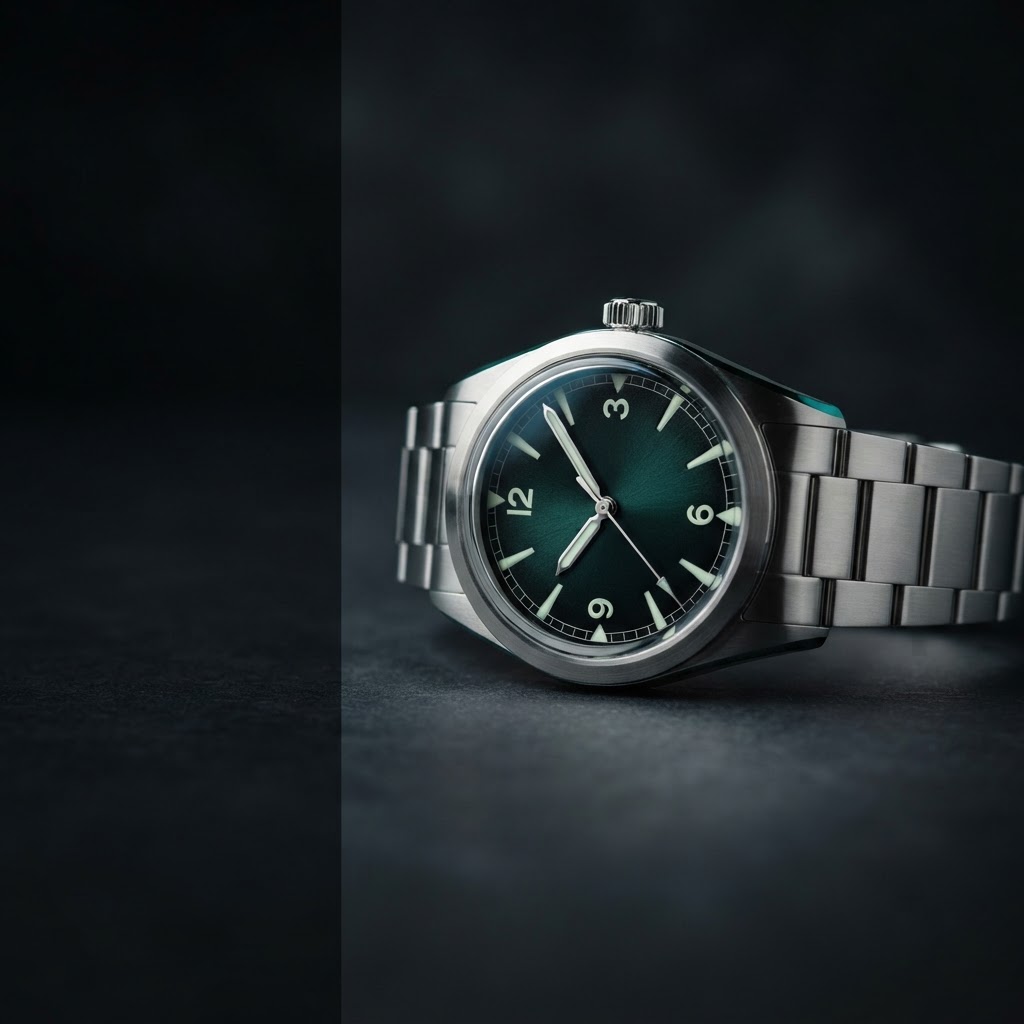
Value in watches tends to come from a few enduring forces: brand credibility, design longevity, movement quality, production scale, condition, and cultural relevance. A watch does not need to be expensive to score well on these points.
Take the Hamilton Khaki Field Mechanical. It is not scarce in the classic sense, nor is it a trophy-piece purchase, but it has something just as important: historical legitimacy, a coherent identity, and broad enthusiast respect. The same is true for pieces like the Seiko Prospex SPB143, which has built a strong following by balancing heritage-inflected design with everyday usability.
Contrast that with watches that are overbuilt on marketing but underwhelming in execution. They may launch strong, but without real collector conviction behind them, values often fade after the initial excitement.
This is why seasoned enthusiasts pay close attention to the fundamentals. Does the watch look like it will still feel relevant in ten years? Is it powered by a proven movement, like an ETA 2824, Sellita SW200, or Miyota 9 series caliber? Is the case finishing honest and well executed? Does the brand have a track record of standing behind the product?
Investment-minded collecting begins there, not with price charts.
Buy the Best Example You Can Afford
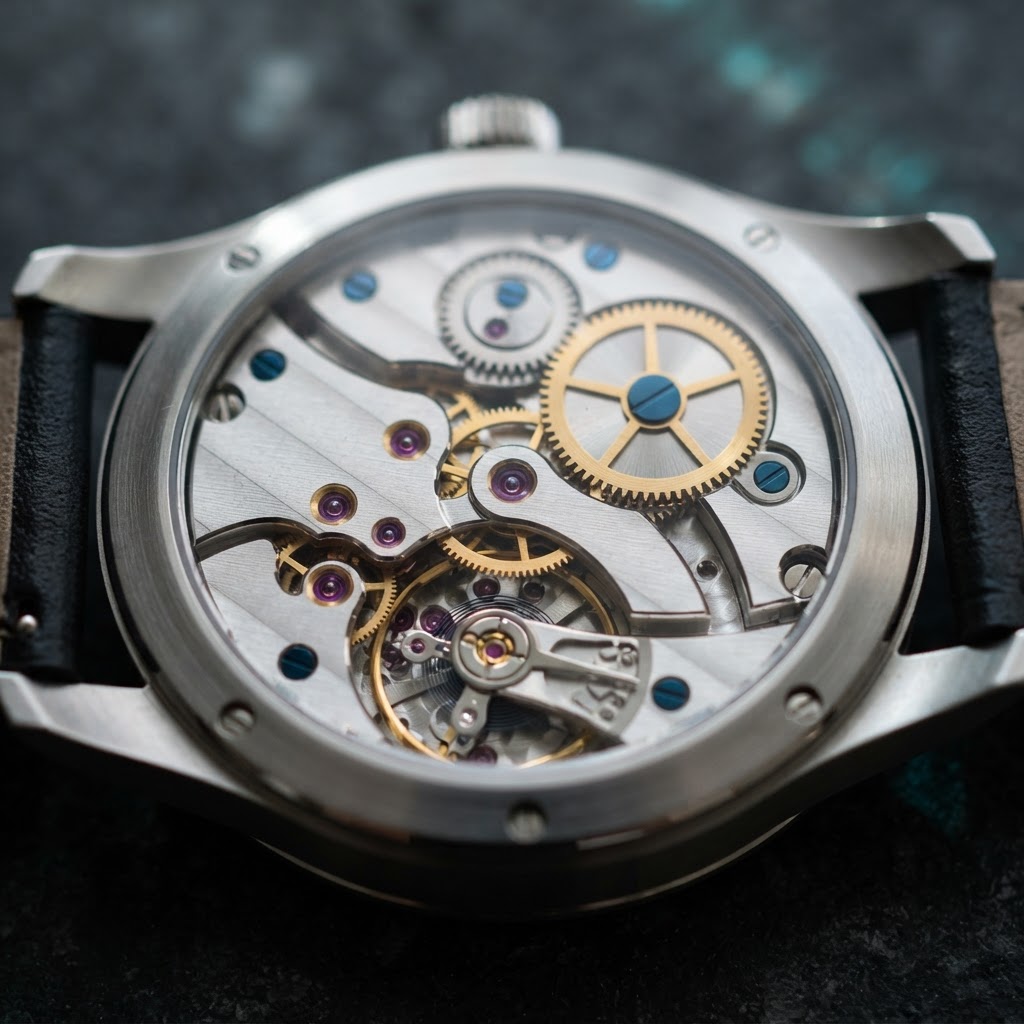
One of the oldest pieces of collector wisdom remains one of the best: buy the best example you can afford. In practical terms, that means condition matters immensely.
A watch with sharp case lines, a clean dial, original handset, full bracelet links, and complete box and papers will almost always be easier to sell and easier to defend on value than a cheaper but compromised example. Service history matters too, especially once you move beyond entry-level collecting.
This is true whether you are buying a modern Formex Essence, a lightly worn Farer GMT, or a vintage-leaning Baltic MR01. At every level of the market, confidence commands a premium. Buyers want clarity. They want to know what they are getting, what has been changed, and whether the watch has been cared for properly.
For beginners, this often means resisting the temptation to buy the absolute lowest-priced listing online. For experienced collectors, it means understanding that provenance and originality can create real separation between two watches that appear similar at a glance.
Why Some Affordable Watches Outperform Expectations
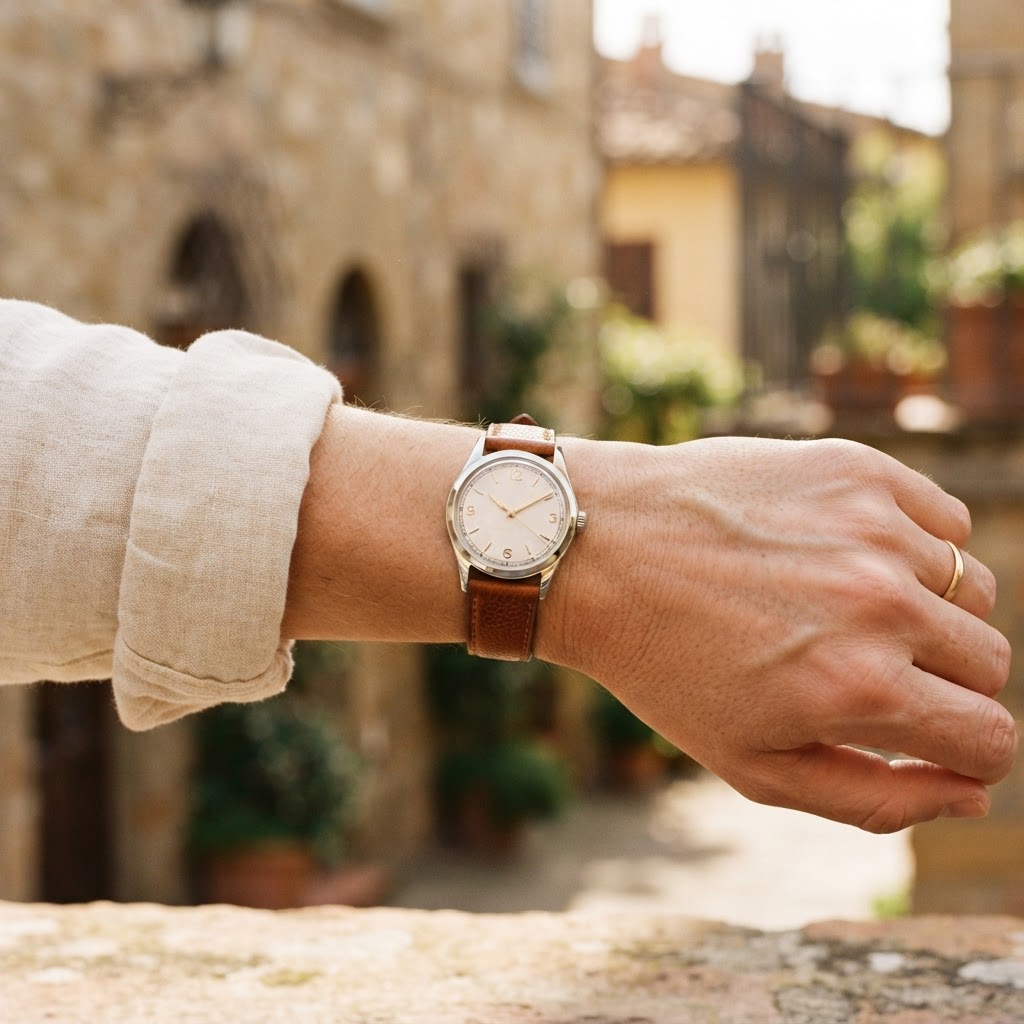
Not every smart watch investment starts with a luxury name. In fact, one of the most interesting developments in modern collecting is how the sub-$2,000 space has matured.
Brands like Baltic, Farer, Formex, and Venezianico have shown that strong design and quality execution can build loyal followings. On the microbrand side, names such as Mitch Mason and NEUTRA have earned serious attention among enthusiasts by producing watches with thoughtfulness rather than gimmickry. These brands may not all become future blue-chip collectibles, but some will develop dedicated secondary markets because collectors remember who made genuinely compelling watches when the field became crowded.
That said, discernment is essential. Most microbrands will not appreciate meaningfully. The winners usually share certain traits: a clear design language, consistent quality, limited but sensible production, and founders who build trust over time.
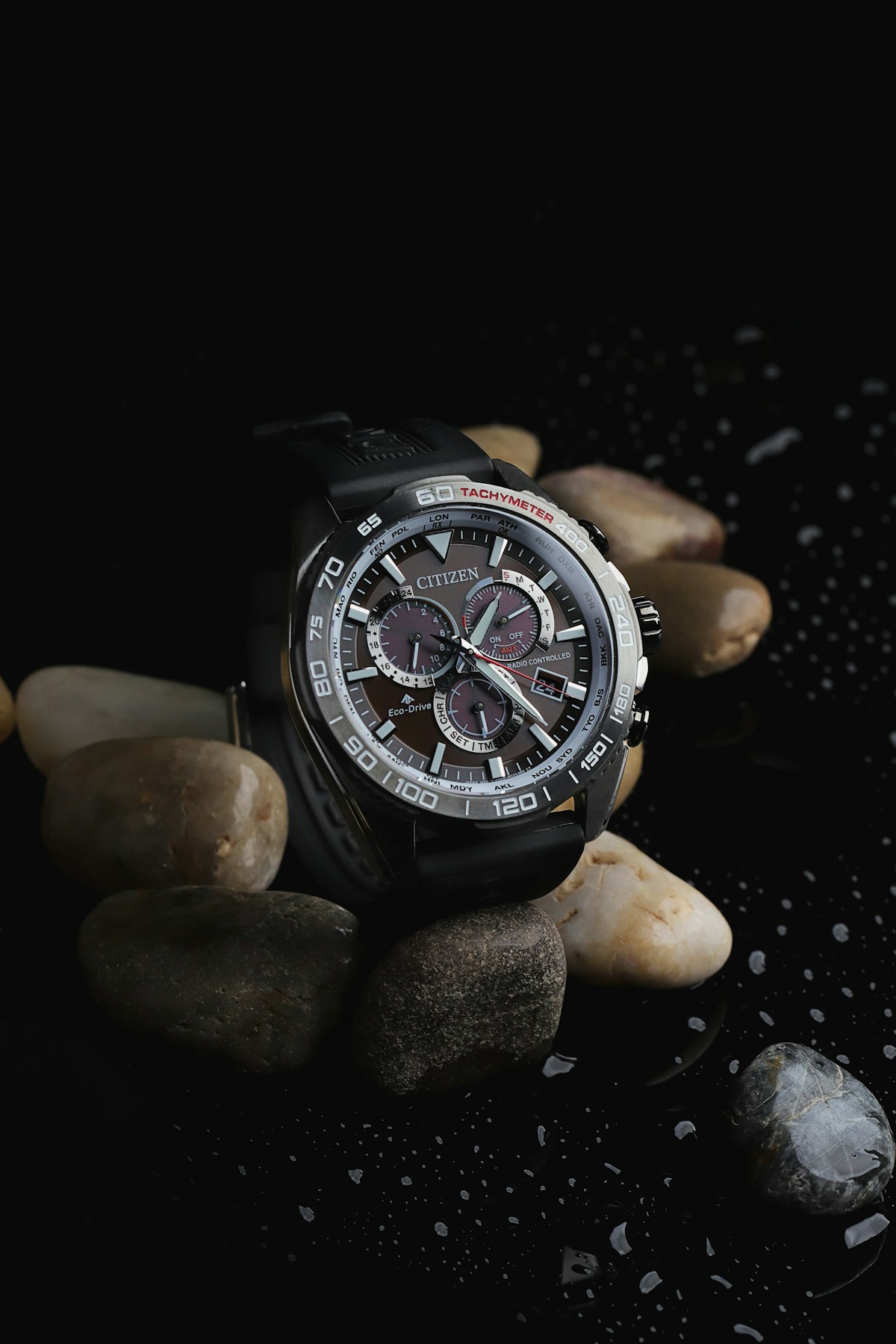
A Citizen Series 8, for example, may not generate the frenzy of a hard-to-get Swiss sports watch, but it offers strong value, recognizable brand heritage, and excellent daily wearability. Those qualities can protect a buyer from steep depreciation. In investment terms, avoiding a bad buy is often just as important as identifying a future winner.
The Price You Pay Is Half the Strategy
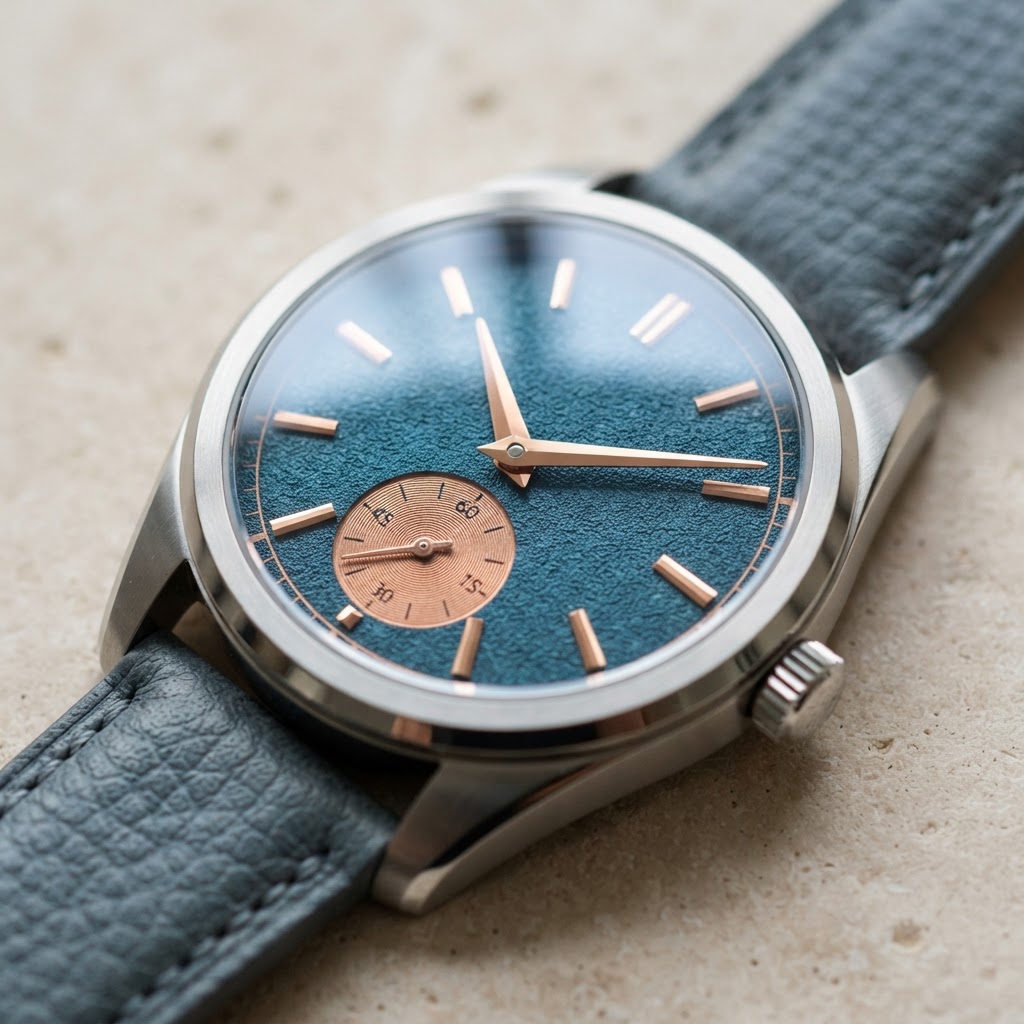
Collectors love talking about models, but the purchase price is often where investment success is actually determined.
A watch bought at full retail during peak enthusiasm can be difficult to justify six months later on the secondary market. The same watch bought pre-owned from a trusted seller at the right number may become a very safe place to park money within a collection.
This is especially true for watches powered by common, serviceable calibers such as the Sellita SW200 or Miyota 9015. If the case design is strong and the brand has a stable reputation, buying below retail can dramatically reduce risk.
Patience is a collector’s financial advantage. Let the first wave pass. Study completed sales, not asking prices. Learn which references trade consistently and which merely get listed repeatedly. Enthusiasts who do this well begin to see the difference between perceived value and real market value.
Liquidity Matters More Than Fantasy Appreciation
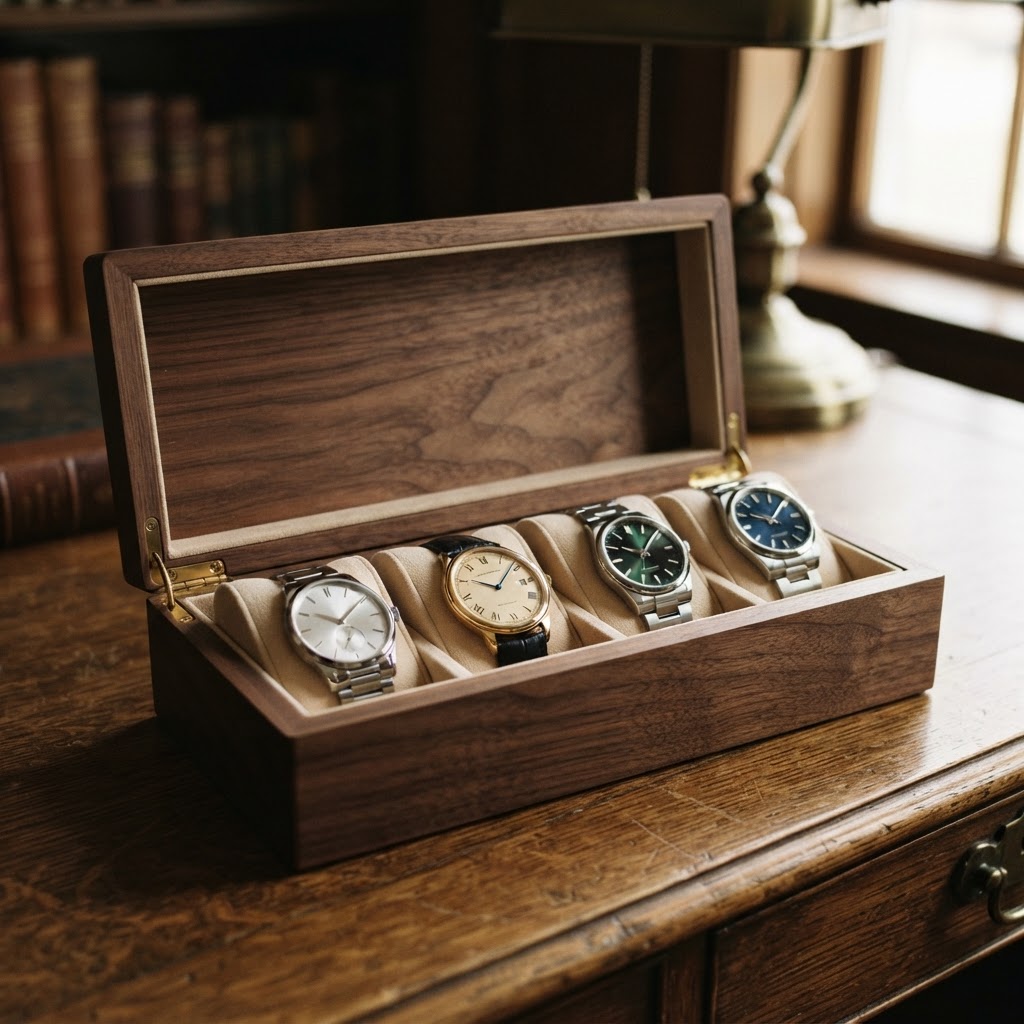
When collectors discuss investment, they often focus on upside. The more practical question is liquidity: if you needed or wanted to sell, how easily could you?
A watch with broad recognition, straightforward sizing, and an established market is usually more liquid than an obscure reference with theoretical rarity. This is one reason pieces from Seiko, Hamilton, and Citizen often remain sensible buys. They may not all skyrocket, but they are understandable. Buyers know what they are.
That principle extends upward and downward. A watch can be uncommon yet illiquid if very few collectors are actively searching for it. Conversely, a widely produced watch can retain value remarkably well if demand is durable.
For anyone building a collection with investment awareness, liquidity should be part of the conversation from the start. Ask yourself not only, “Could this be worth more later?” but also, “Who would want this from me, and why?”
Buy What You’d Be Happy to Keep
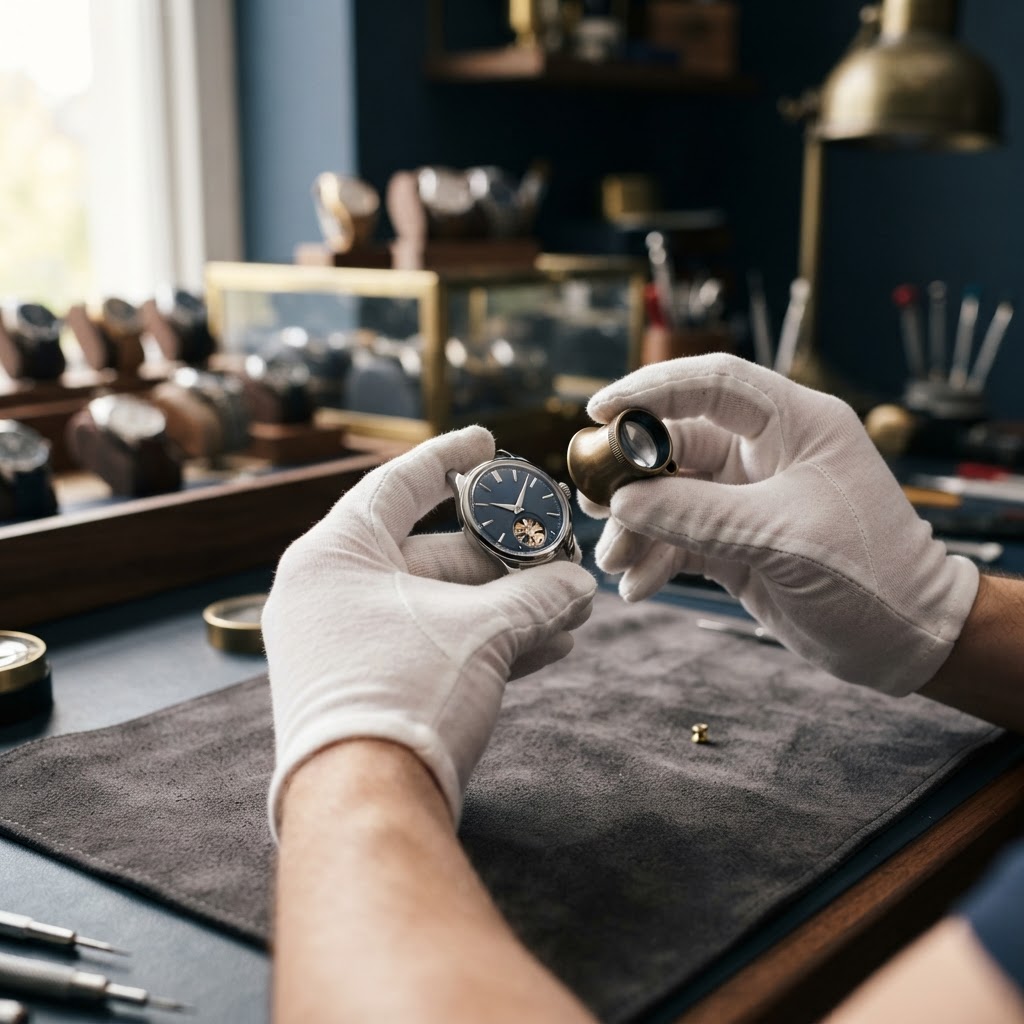
Perhaps the most reliable rule in watch investment is this: buy only watches you would be perfectly happy to own if the market did nothing at all.
That mindset protects you from trend-chasing and keeps your collection coherent. It also tends to lead you toward better decisions, because watches with enduring appeal usually begin as watches with sincere emotional appeal. A thoughtfully designed Baltic, a robust Hamilton field watch, a crisp Formex on bracelet, or a well-judged Seiko diver earns its place first on the wrist, then in the market.
The irony is that collectors who buy with patience, taste, and conviction often do better over time than those who buy purely for profit. The market senses authenticity. So do other enthusiasts.
In the end, a watch collection should feel like a library of your judgment, not a spreadsheet of short-term bets. If value follows, all the better. And if that journey is shared with fellow collectors who appreciate the nuances behind every reference, so much of the better, because the right community tends to sharpen both your eye and your instincts.