


There is a seductive myth in watch collecting that the best investment is simply the hottest watch in the room. A steel sports model with a waiting list, a limited edition that sells out in minutes, a speculative microbrand release that turns the secondary market into a sprint. But seasoned collectors know something quieter and far more useful: the watches that reward you over time are often the ones bought with patience, knowledge, and genuine conviction.
If you are building a collection with one eye on value, that is not cynical. It is simply wise stewardship. Watches are emotional objects, but they are also tangible assets with real market behavior. The trick is learning how to think like both a collector and a custodian.
Investment value begins with staying power
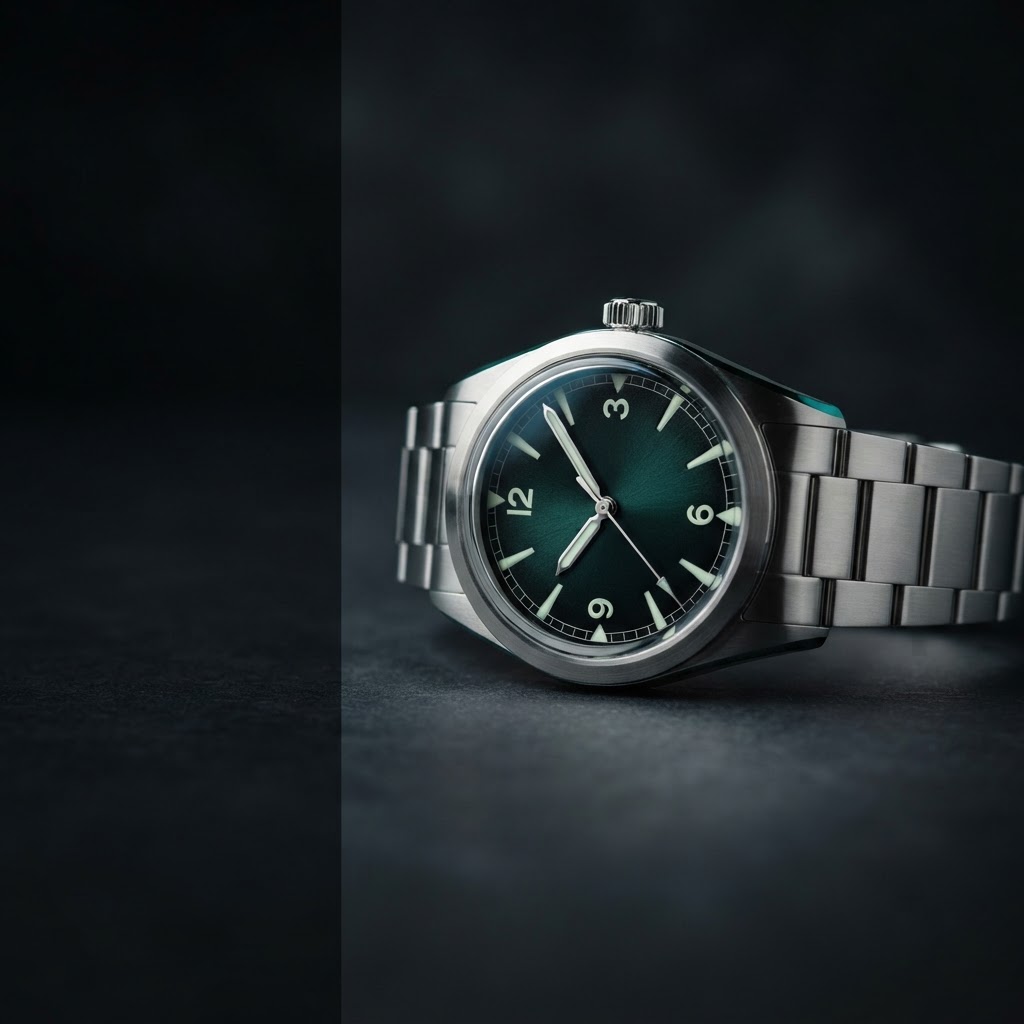
The first principle of watch investment is simple: value tends to follow staying power, not noise. Brands with a coherent identity, reliable after-sales support, and a recognizable place in horological culture usually offer a stronger foundation than brands riding a brief wave of online attention.
That does not mean every investment-worthy watch must come from Rolex, Omega, or Cartier. In fact, some of the most interesting long-term value can appear lower down the ladder, where the buy-in is more sensible and the upside is tied to credibility rather than hype. A Hamilton Khaki Field Mechanical is not often discussed as a speculative play, yet it has many qualities collectors should respect: strong design continuity, real military heritage, Swiss mechanical credibility, and broad market recognition. The same can be said for the Seiko Alpinist, a model whose loyal following was earned through decades of character, not a flash of scarcity.
A watch becomes collectible when enough people continue to care about it after launch day. That is a better test than social media excitement.
What actually drives long-term watch value
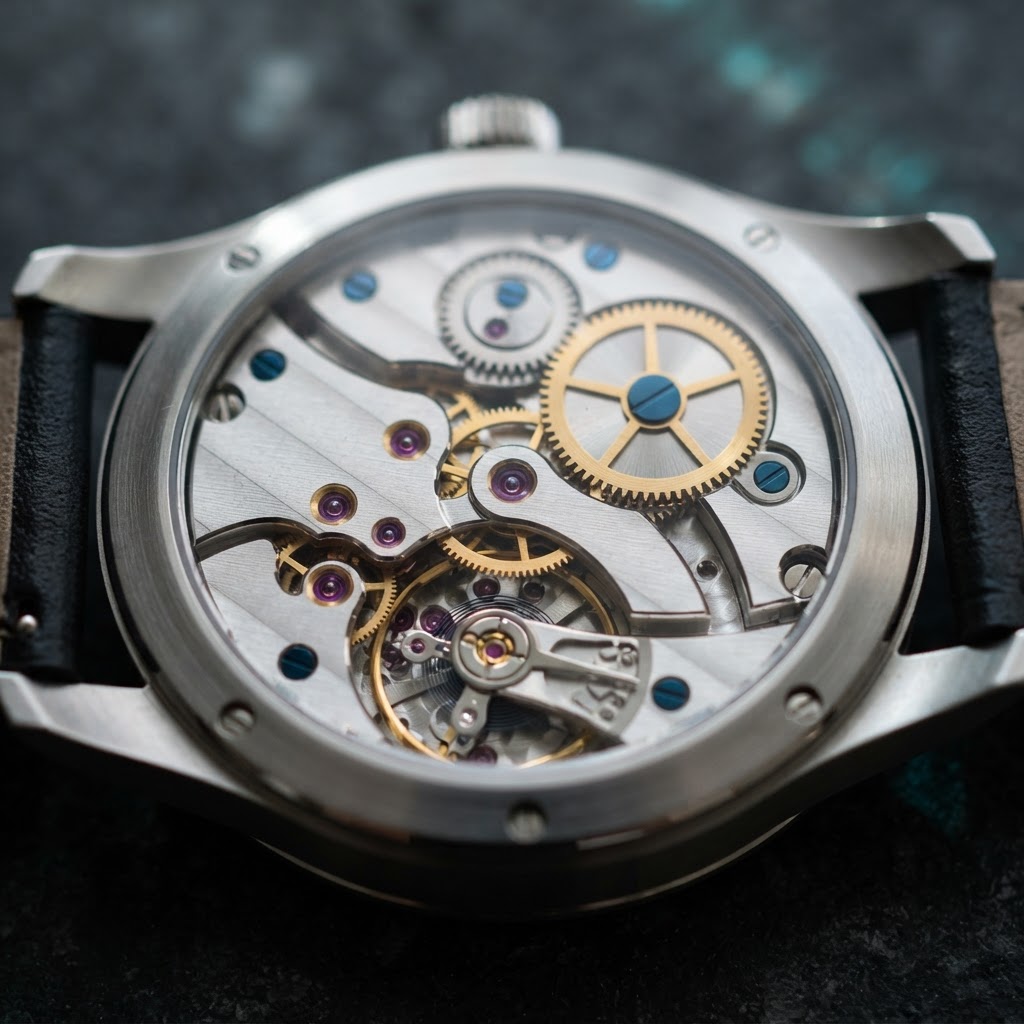
When collectors talk about investment, they often focus too narrowly on brand name. Brand matters, of course, but it is only one part of the equation. Lasting value usually comes from a mix of five things: design integrity, movement quality, condition, production reality, and provenance.
Design integrity is the hardest to measure and often the most important. A watch with a clear point of view ages better than one that chases trends. Consider the Baltic Aquascaphe. It succeeds because it feels complete in its own language, not because it mimics a more expensive diver. Likewise, Farer has built a following by leaning into color and British design personality with unusual confidence. Whether every model becomes a future collectible is impossible to say, but distinct identity gives a watch a much better chance than generic styling ever will.
Movement quality matters less as a badge and more as a service proposition. A Sellita SW200-1, ETA 2824, Miyota 9039, or Seiko 6R35 may not stir the soul like a high-end in-house caliber, but dependable movements with accessible parts and known serviceability are a strength in the real world. Collectors underestimate how much future value is protected by easy maintenance. A watch that can be kept healthy without drama is easier to own, easier to sell, and easier to trust.
Condition remains king. Sharp case lines, clean dials, original hands, complete box and papers, correct bracelet links, and a documented service history all matter. For modern watches, completeness is especially important. A Formex Essence ThirtyNine in excellent condition with full set will always present better than a cheaper example with missing links and no papers. Investment is not only about what you buy, but how carefully you preserve it.
Then there is production reality. Limited editions can support value, but only when the watch is desirable first. A run of 150 pieces means very little if only 30 people truly want it. Scarcity without demand is just inventory. On the other hand, genuinely low-volume brands like NEUTRA, Mitch Mason, or Venezianico can become compelling if they pair thoughtful design with consistent execution and begin to build a loyal collector base over several years.
Where smart buyers often find opportunity
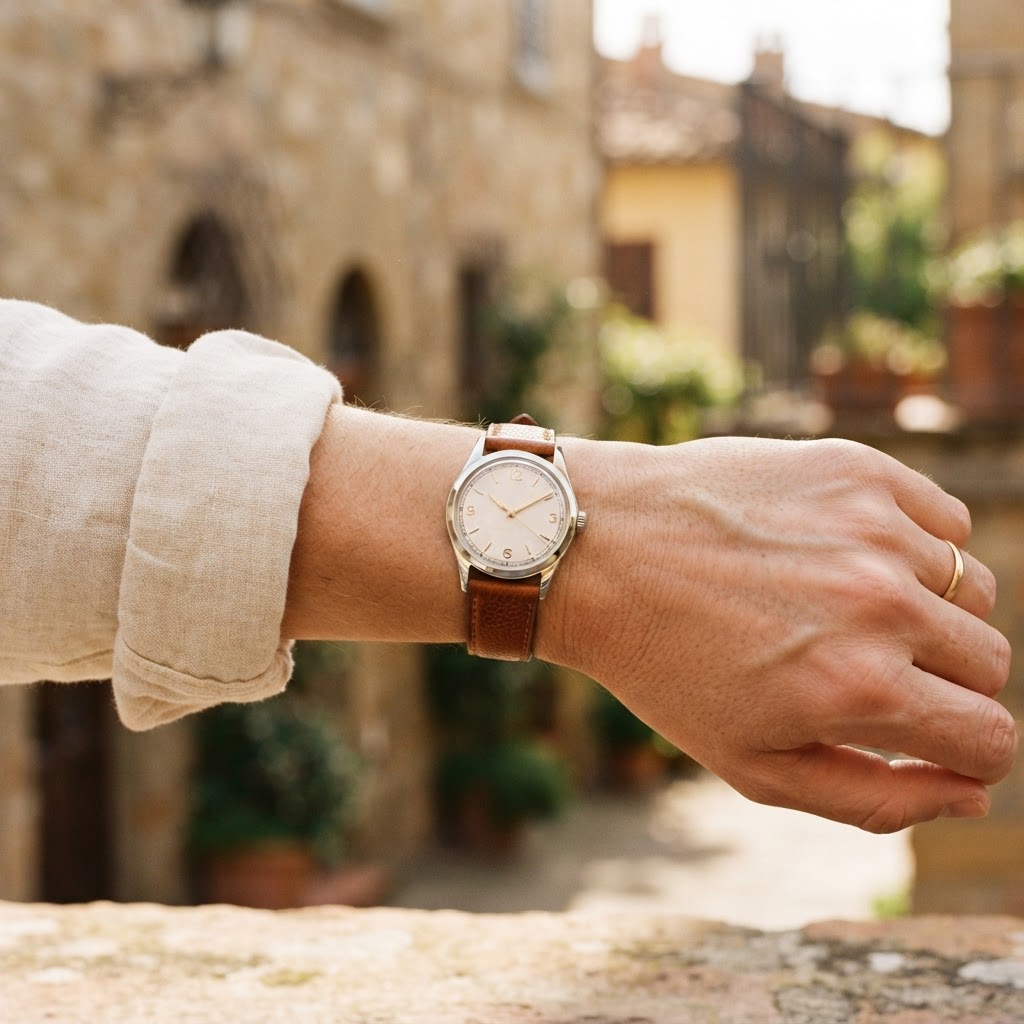
For most collectors, the sweet spot is not the ultra-luxury tier. It is the zone where quality, reputation, and entry price still leave room for appreciation or at least excellent value retention.
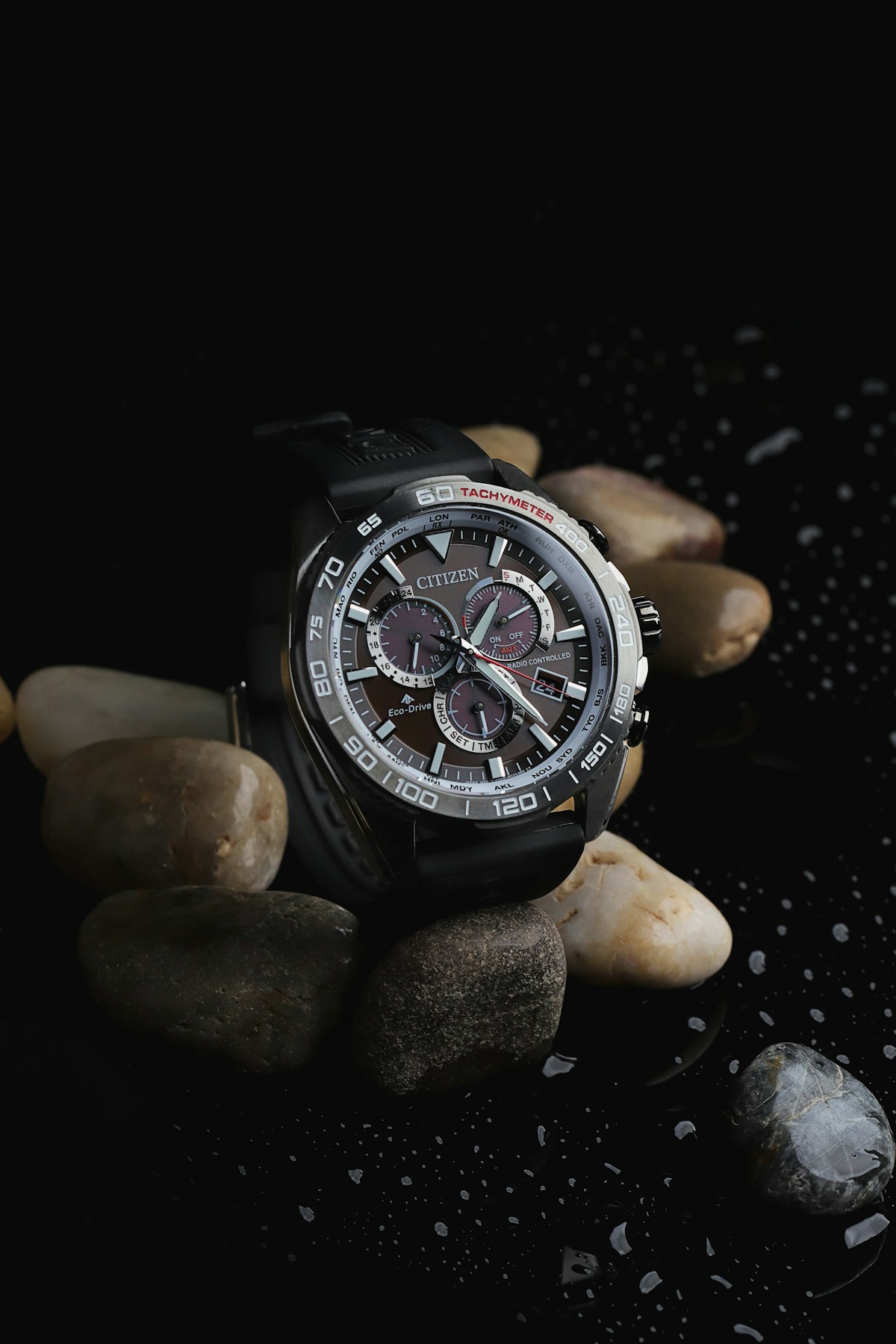
This is why enthusiast-driven brands deserve serious attention. Citizen has become increasingly interesting, especially as collectors rediscover the depth of the brand beyond quartz stereotypes. Certain Promaster models, The Citizen references, and even select mechanical offerings in the Series 8 line show how a large, technically capable brand can still be underappreciated.
Seiko remains a fascinating case. Not every limited edition will age well, but the brand’s historical gravity gives strong references a broad runway. Watches tied to enduring families rather than novelty campaigns tend to be safer bets. The same principle applies to Hamilton, where icons like the Khaki line are likely to remain relevant because they sit at the center of the brand’s identity.
Among independents and microbrands, discipline matters even more. Baltic has already shown unusual maturity in both design and product consistency. Formex brings genuinely impressive finishing and engineering for the money, which gives the brand a credibility many collectors only recognize after handling one. Venezianico, Mitch Mason, and NEUTRA each represent a different flavor of modern enthusiast watchmaking, and that is exactly the point: investors in this segment should back brands that feel like they know who they are.
The opportunity here is not necessarily explosive resale. Often it is downside protection. Buying a well-made, well-loved watch at a fair price is a quieter, more reliable form of investment than gambling on the next frenzy.
Buy like a collector, not a day trader
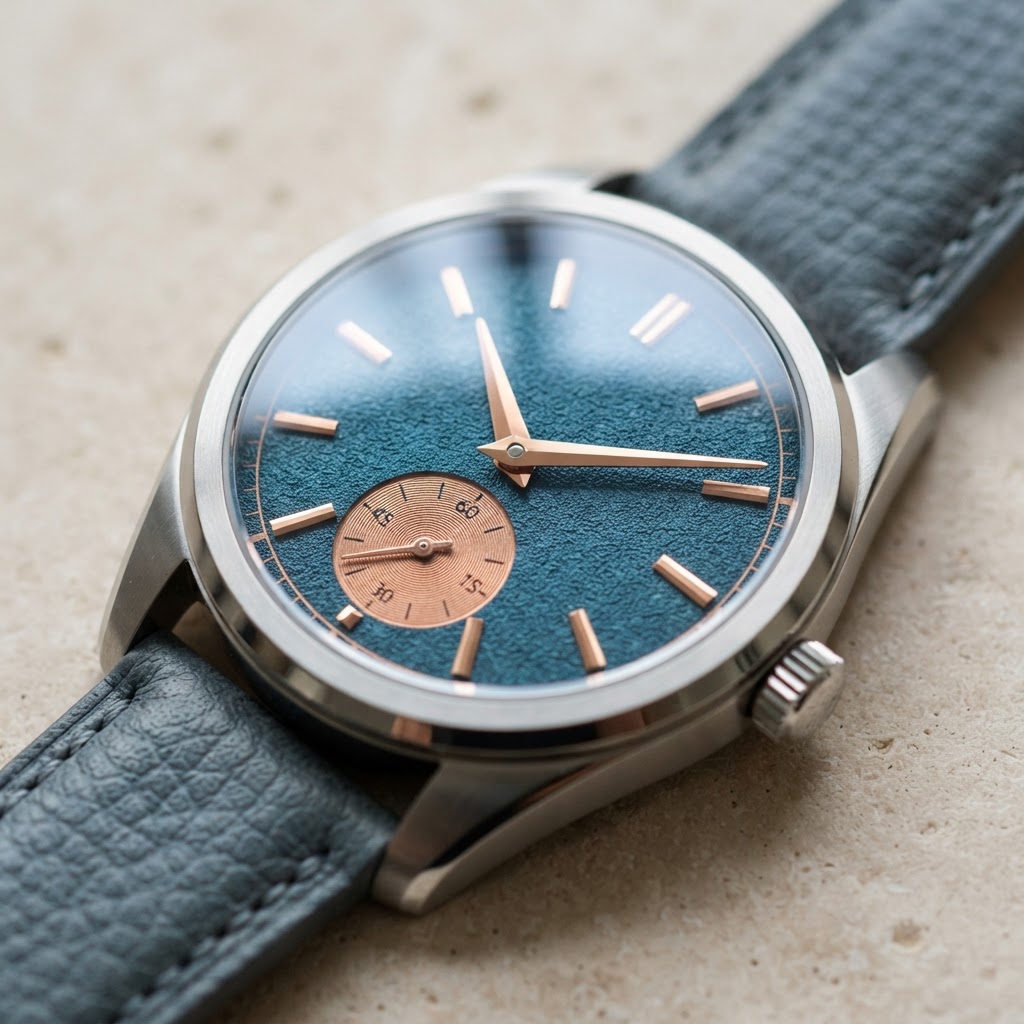
The most successful watch investors are rarely the ones making the most moves. They are the ones making the clearest decisions.
Buy the best example you can reasonably afford. Study reference history before purchase. Learn which dial variants are most desirable, which bracelet generations matter, and which updates improved or diluted the original appeal. Pay attention to proportions as much as specifications; a watch that wears beautifully tends to maintain demand better than one bought purely on paper.
Just as important, avoid overpaying to satisfy urgency. Entering a watch at the wrong price can erase years of potential upside. The secondary market often offers the better value, especially for modern pieces that take an initial depreciation hit. If you are patient, someone else will pay the premium for being first.
And wear your watches. Not carelessly, but confidently. A collection built only for spreadsheets often becomes strangely joyless. The best investment watches are those you would still be happy to own if the market stood still.
The long view is still the best edge
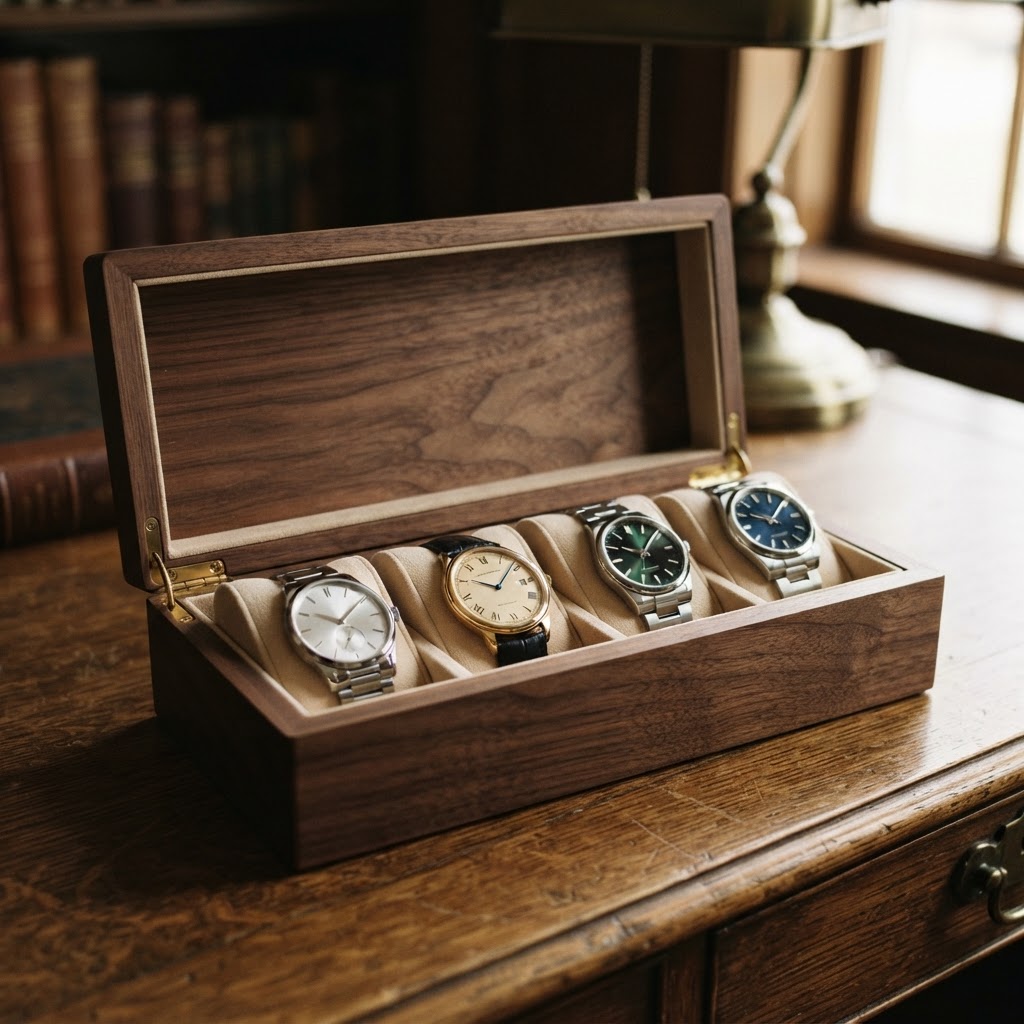
In watches, investment is rarely about beating the market in the short term. It is about making thoughtful purchases that combine pleasure, durability, and a realistic chance of holding value over time. That may lead you to a Seiko with heritage, a Hamilton with timeless military roots, a Baltic with design conviction, or a Formex whose quality outperforms its price point.
The common thread is not hype. It is substance.
Collectors who do best over the long run learn to trust slow signals: consistent brand behavior, honest craftsmanship, serviceable mechanics, and enduring design. Those qualities are less flashy than a viral release, but they are far more dependable. And in a well-curated collecting life, that kind of dependability becomes its own return.
The conversation is part of the reward, too. Few things sharpen your judgment like seeing how other enthusiasts live with their watches, what they regret selling, and which pieces they quietly keep. That shared perspective is one of the great pleasures of a serious watch community, and one of the subtle advantages of collecting with intention.