

The investment conversation collectors actually need
In watch collecting, the word investment tends to pull the room in two directions. On one side are the optimists, armed with auction headlines and stories of steel sports watches that doubled overnight. On the other are the purists, who insist a watch should only ever be bought for love. The truth, as it usually is in horology, sits somewhere more interesting.
Most watches are not financial instruments, and very few will outperform a sensible portfolio. But that does not mean value is irrelevant. A well-bought watch can preserve capital surprisingly well, deliver years of use, and remain liquid enough to trade into the next chapter of a collection. That is a meaningful kind of return.
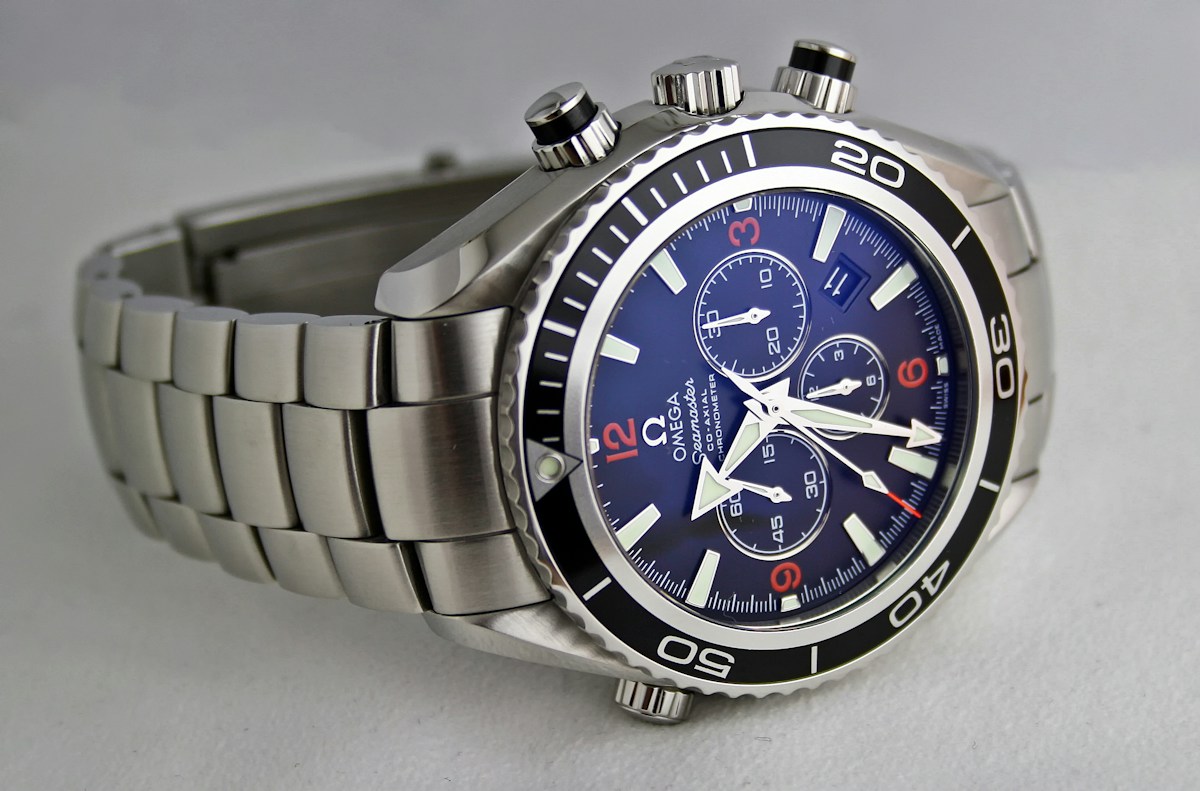
For the thoughtful collector, investing in watches is less about hunting lottery tickets and more about minimizing regret. Buy quality, buy with patience, and buy pieces that would still satisfy you if the market went quiet tomorrow. A Hamilton Khaki Field Mechanical, a Seiko Prospex SPB143, or an Omega Speedmaster Professional may not make you rich, but each can represent a disciplined, intelligent purchase in its own lane.
What actually gives a watch durable value
Long-term value usually rests on three pillars: product integrity, brand credibility, and market depth.
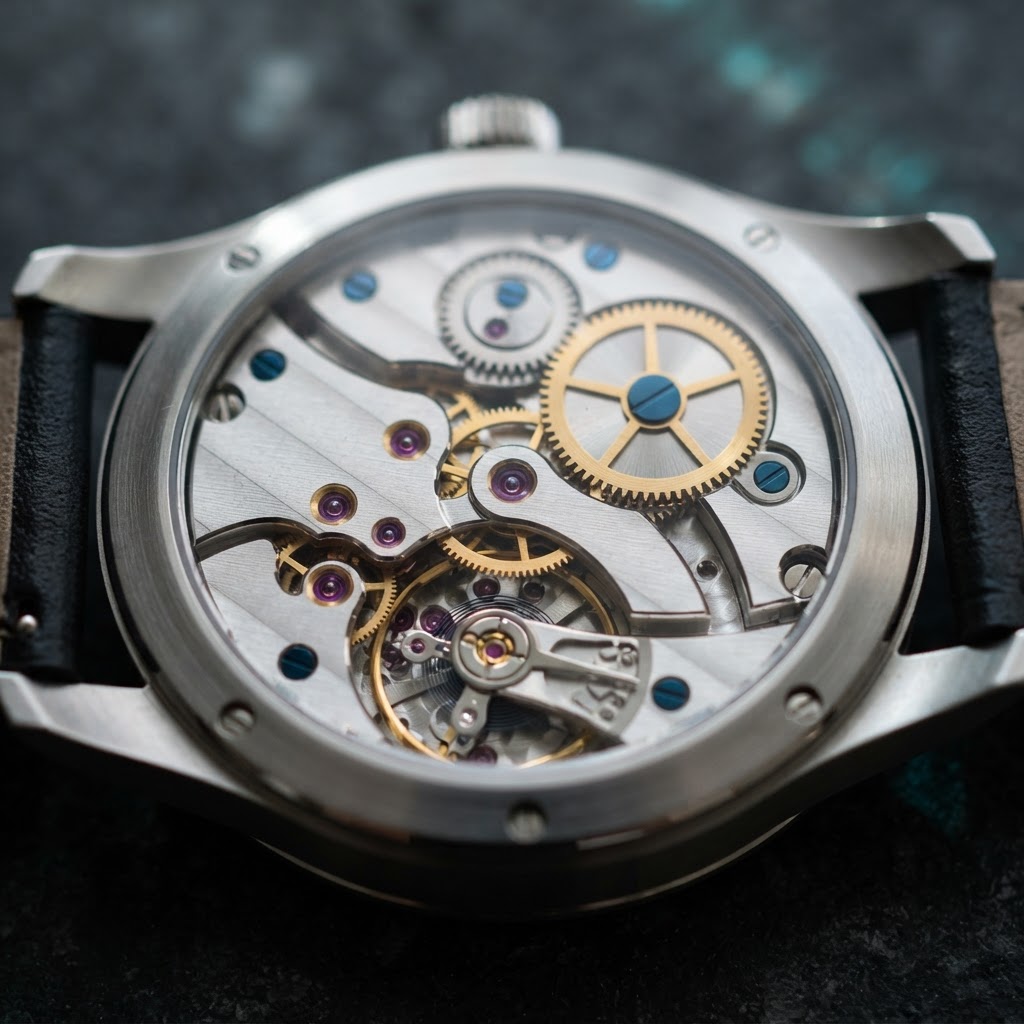
Product integrity is the easiest to overlook because hype often distracts from fundamentals. A watch with coherent design, solid finishing, sensible proportions, and a reliable movement starts with an advantage. Serviceable calibers matter here. ETA 2824 derivatives, Sellita SW200-1, and Miyota 9039 movements are not glamorous to brag about, but they are proven, repairable, and widely understood by watchmakers. Even a modest watch becomes more investable when future servicing is straightforward. The same principle applies higher up the ladder with movements like Omega’s Co-Axial 3861 or Tudor’s MT5402: engineering depth reinforces long-term confidence.
Brand credibility is the second pillar. Seiko, Hamilton, Citizen, Longines, Tudor, and Omega have history, distribution, and recognition that support resale over time. That does not mean smaller brands cannot hold value, only that they need to compensate with distinct identity. Baltic has done this extremely well with the Aquascaphe and MR01. Formex has earned respect through technical value and excellent case work, especially in models like the Essence ThirtyNine. Farer continues to build a recognizable design language in a sea of lookalikes. When a brand feels interchangeable, the secondary market notices.
Then there is market depth. This is where many new collectors make their costliest mistake: they confuse asking prices with actual value. A watch listed at a premium is not necessarily a watch selling at a premium. Studying completed sales will tell you much more than scrolling optimistic listings. If a watch changes hands regularly, with a healthy but not irrational spread between new and used pricing, that is usually a good sign. If there are very few buyers once launch excitement fades, depreciation can become brutally honest.
Where beginners can start without expensive lessons
One of the best things about modern collecting is that entry-level no longer means disposable. In fact, some of the smartest investment-minded purchases live below the traditional luxury threshold.
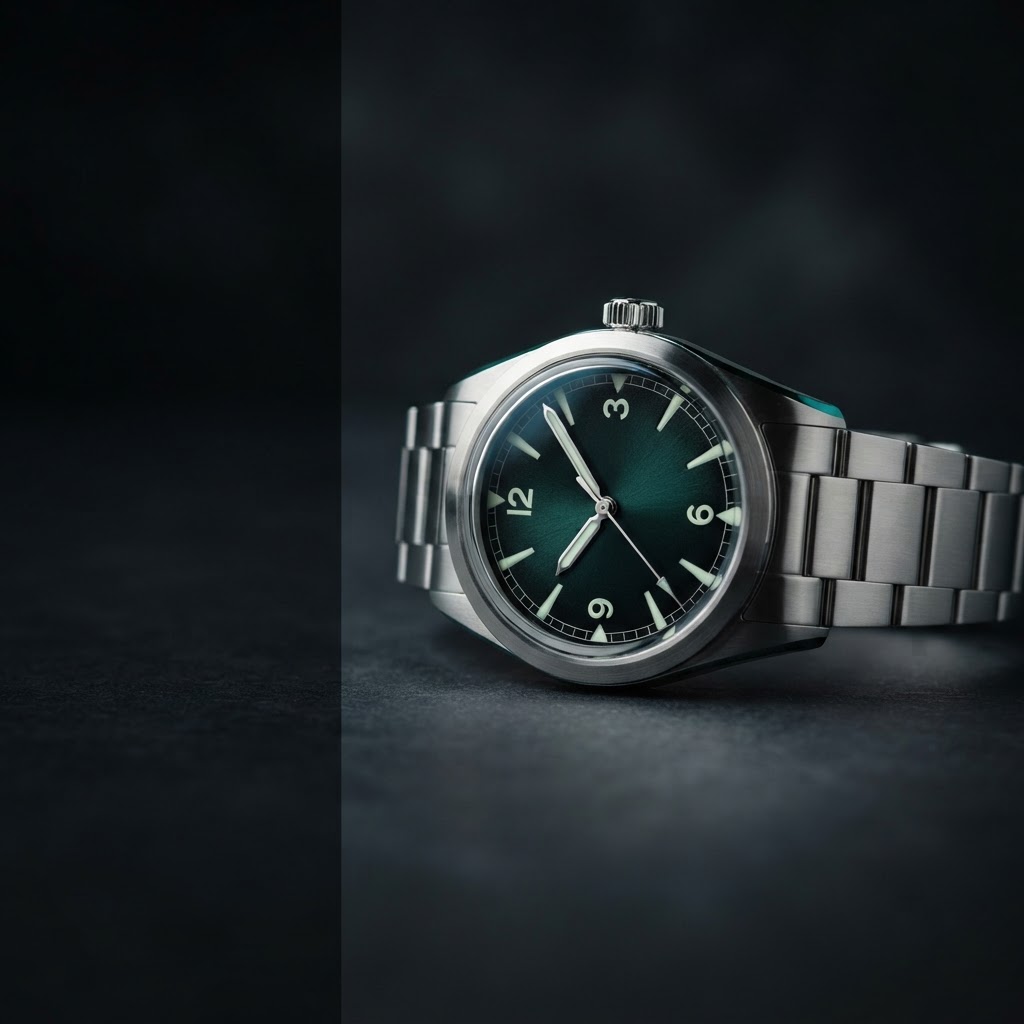
The Hamilton Khaki Field Mechanical is a perfect example. It has a credible military lineage, a strong enthusiast following, and a design that feels immune to trend cycles. Seiko remains equally instructive. A model like the SPB143 offers heritage, versatile wearability, and broad recognition, even if retail pricing has become more ambitious in recent years. Citizen deserves more attention in this conversation too. The Promaster Fujitsubo, for instance, brings legitimate history, impressive utility, and brand trust without requiring speculative thinking.
For those drawn to independents and microbrands, the opportunity is real, but so is the risk. Buy the brand, not just the spec sheet. A saturation-diver case, sapphire crystal, and 200 meters of water resistance are easy enough to source. What is rarer is a watch with point of view. Venezianico, Mitch Mason, and NEUTRA have each shown flashes of exactly that. Some references will age well because they feel considered rather than assembled. Others will look like artifacts of a crowded Kickstarter era. The difference is more obvious after a few years than it is on launch day.
There is practical wisdom here: the lower your entry price, the cheaper your education. Buying pre-owned, especially from reputable enthusiasts, can reduce depreciation and let you learn your tastes without paying full retail tuition.
Why hype is usually the enemy of returns
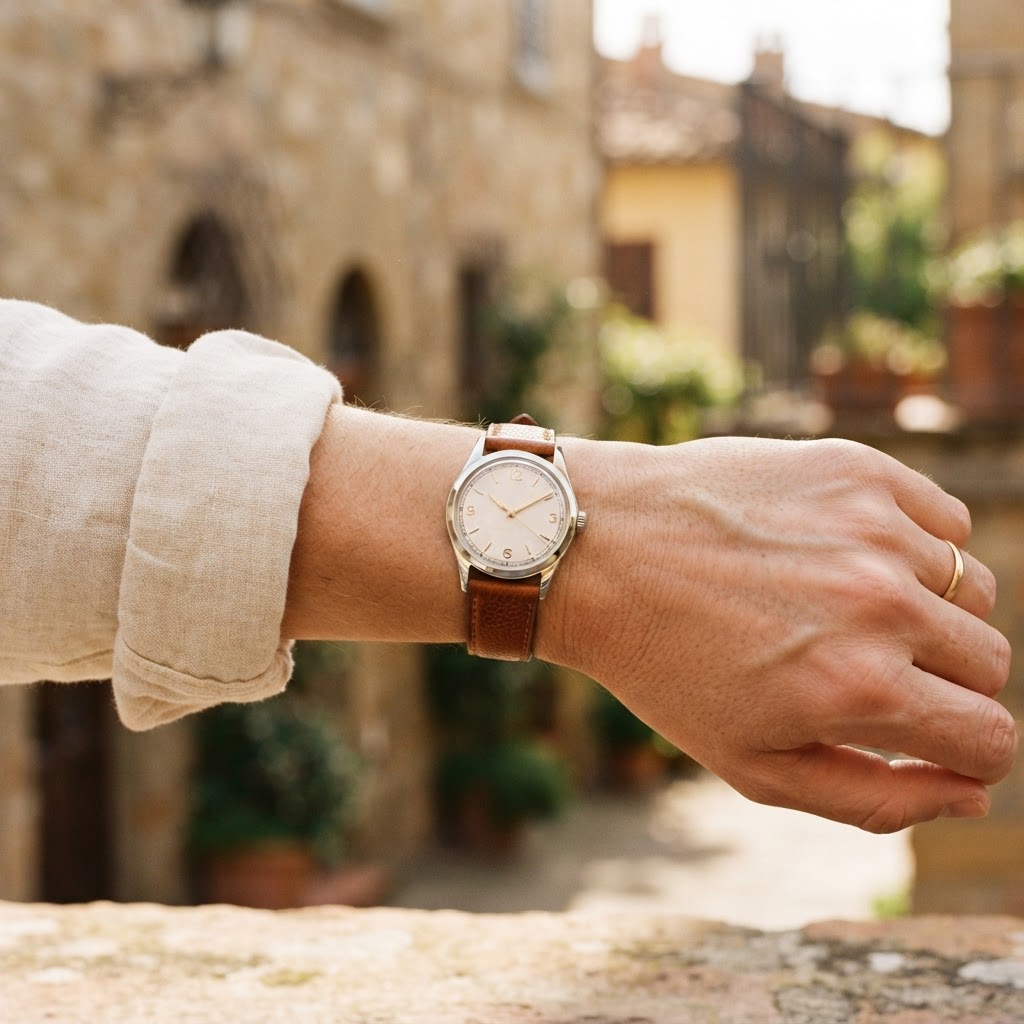
The worst investment decision in watches is often emotional urgency disguised as market insight. Temporary scarcity can create astonishing prices, but scarcity alone is not the same as durable desirability.
Collectors have seen this cycle repeatedly. A colorway becomes impossible. A collaboration lights up social media. A waitlist becomes a status symbol. Then production increases, attention shifts, or buyers simply move on. The collector who paid far above retail is left holding not a grail, but a lesson.
This is why the calm middle of the market is often more attractive than the frenzy at the top. Tudor Black Bay 58 models, the Speedmaster Professional, and certain Grand Seiko references may not generate the loudest headlines, but they have real staying power because the underlying watch is excellent. They are bought by people who want to wear them, not just flip them.
A good rule is simple: never pay a premium for a watch you would not be happy to own through a flat or declining market. If the story only works when the price graph goes up, it is not really a collecting decision at all.
The collector’s edge: condition, completeness, and timing
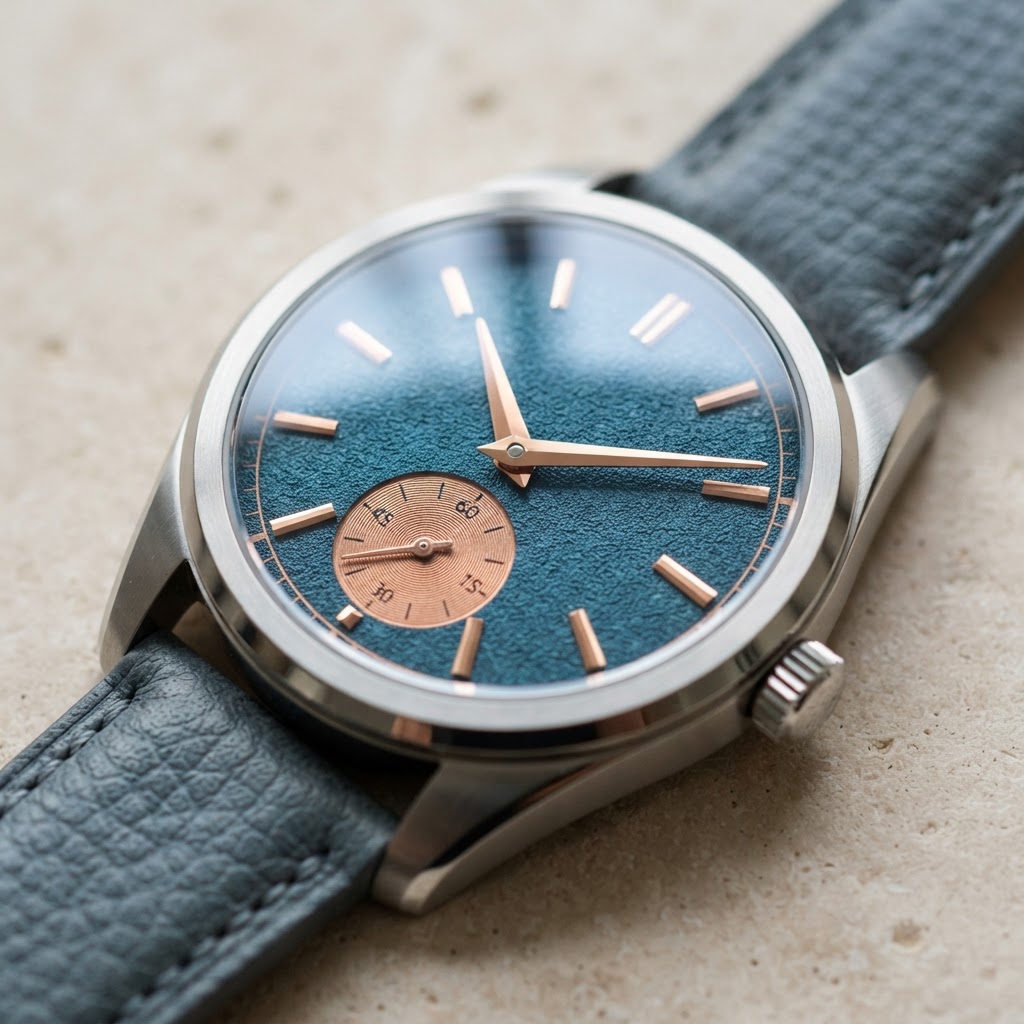
If you want to protect value, details matter. Condition matters more than many enthusiasts expect, but originality matters even more. Honest wear is rarely a problem. Overpolished cases, replacement hands, aftermarket parts, and vague service histories are another story. The market is forgiving of age; it is less forgiving of uncertainty.
Completeness also helps. Box, papers, warranty card, spare links, hang tags, receipts, and service documentation all contribute to confidence. On more attainable pieces, these may not transform the price, but they can dramatically improve liquidity. A buyer choosing between two similar watches will usually gravitate toward the one with a cleaner paper trail.
Timing matters too. The smartest buy is often six to eighteen months after release, when the first wave of enthusiasm has passed and the real market settles in. That can be true with larger brands and smaller ones alike. Plenty of Farer and Formex pieces become more attractively priced once the initial buzz softens. The same goes for many Seiko references, which often see a meaningful gap between early retail enthusiasm and mature secondary pricing.
And always account for service. A cheap watch with obscure parts can become expensive quickly. A watch powered by a common, robust movement may not feel exotic, but ease of maintenance is part of investment logic.
A better way to think about watches as investments
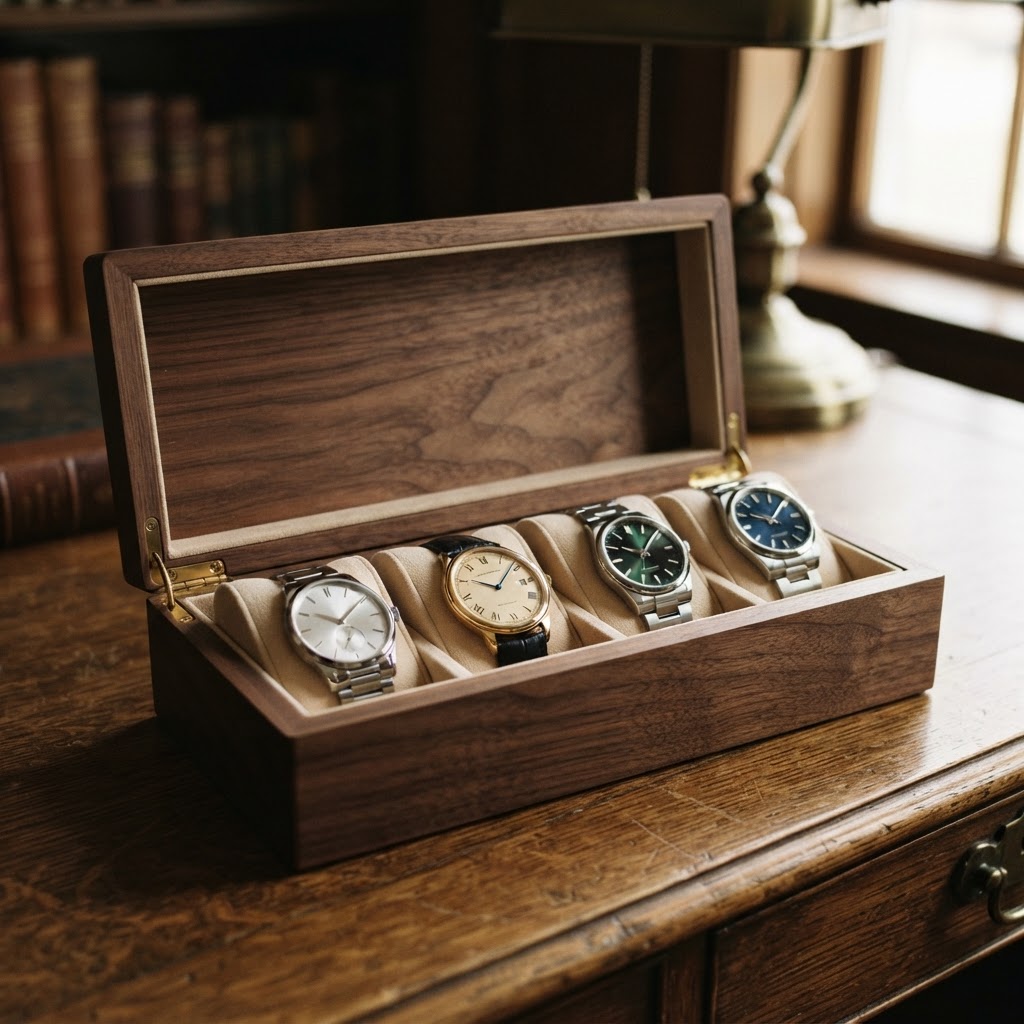
The healthiest approach is to stop asking whether a watch will make money and start asking whether it will hold meaning and value at the same time. The vast majority of worthwhile watch purchases are best understood as value-preserving luxury, not speculative assets.
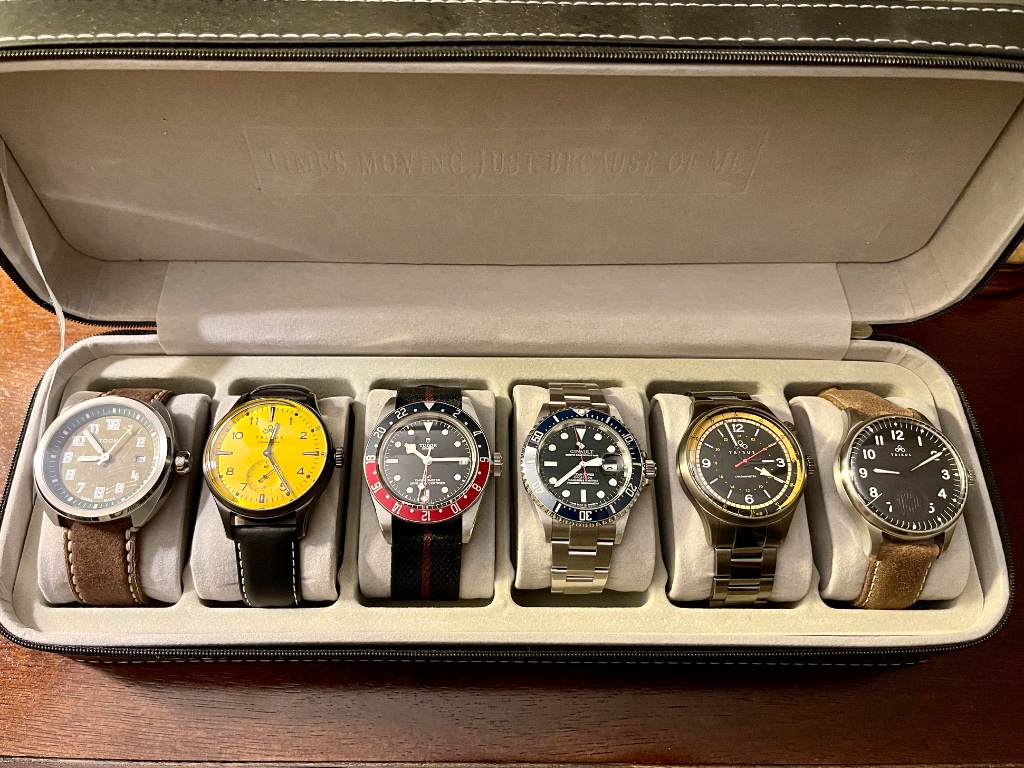
If you buy well, wear often, and sell carefully, the real cost of ownership can be surprisingly low. Better still, you gain something no spreadsheet captures: a sharper eye. After living with a Baltic MR01, a Citizen, a Hamilton field watch, or a Speedmaster, you begin to understand proportion, finishing, movement architecture, and what truly resonates on the wrist. That knowledge compounds.
The best collections are rarely built by chasing every release. They are built slowly, with conviction. A dependable daily wearer. A piece with historical weight. Perhaps one microbrand that reflects personal taste rather than consensus. Over time, the collection becomes less a pile of transactions and more a point of view.
That, in the end, is the most reliable form of watch investment: not simply owning pieces that others may want, but learning why you wanted them in the first place. And if you can have those conversations among fellow enthusiasts who appreciate both value and passion, so much the better.