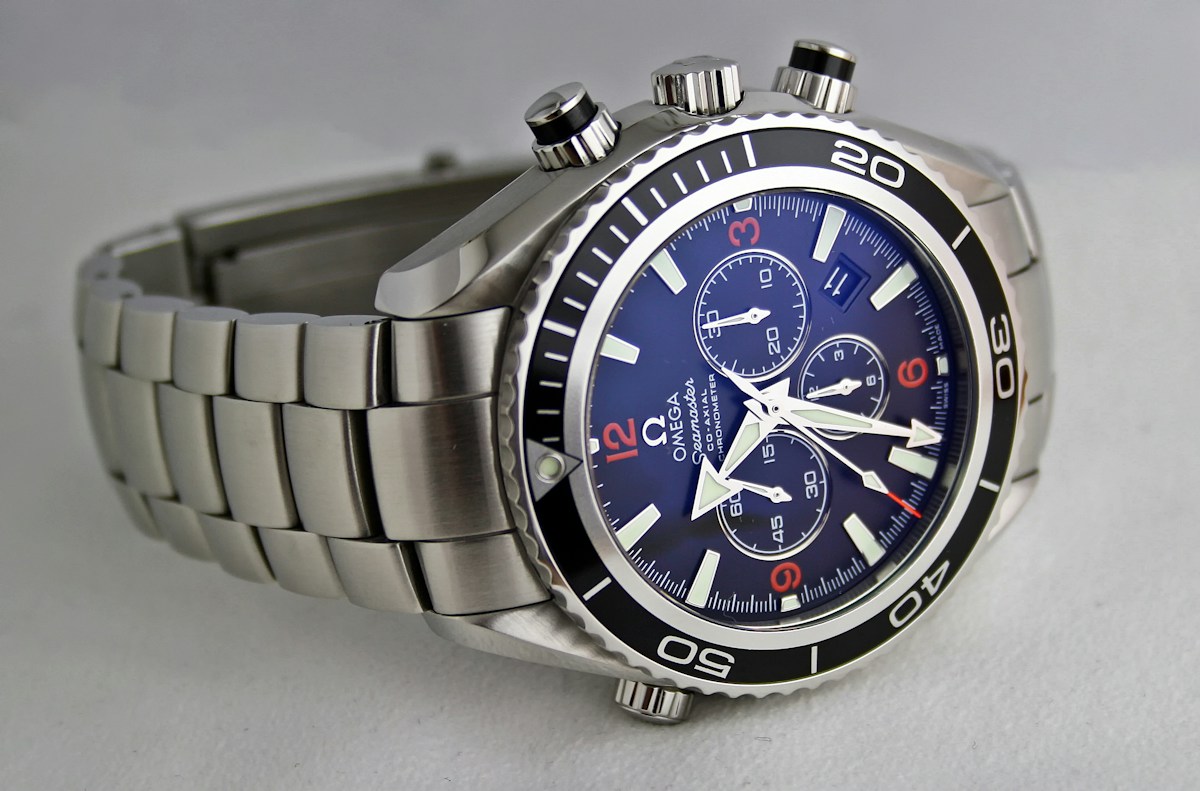
A good watch does more than tell time. It sits at the intersection of utility, design, memory, and self-expression in a way few objects can. For collectors, that is the enduring magic of horology: a watch can be mechanically fascinating and emotionally resonant, but it also has to look right on the wrist and feel honest to the person wearing it.
In an era of endless releases, hype cycles, and algorithm-driven taste, matching a watch to your personal style is one of the most valuable skills a collector can develop. It keeps you grounded. It helps you buy better. And perhaps most importantly, it ensures your collection becomes a reflection of your life rather than a scrapbook of other people’s opinions.
Style begins with honesty
The first question is not, “What is trending?” It is, “How do I actually live?” That sounds simple, but many enthusiasts build collections around imagined versions of themselves. We buy dive watches for oceans we rarely see, pilot’s watches for cockpits we never enter, or slim dress pieces despite spending most days in denim and knitwear.
There is nothing wrong with aspirational collecting, of course. Watches are emotional objects. But the most stylish watch collections are usually the most truthful ones. If your week consists of work, commuting, dinners out, and weekends in casual clothes, a versatile everyday watch may matter more than a formal piece reserved for two weddings a year.
This is where watches like the Hamilton Khaki Field Mechanical, Seiko Alpinist, or Farer Discovery models shine. They offer enough character to satisfy enthusiasts while remaining adaptable across settings. They are not generic; they are flexible. And flexibility is one of the purest forms of style.
Case shape, size, and proportion matter more than price
Collectors often talk about finishing, movements, and provenance, but style lives first in proportion. A beautifully made watch that wears awkwardly will never feel elegant. The inverse is also true: a modestly priced watch with great dimensions can look superb.
This is one reason the recent correction away from oversized cases has felt so healthy. More enthusiasts are rediscovering the appeal of watches in the 36mm to 39mm range, especially for daily wear. The Baltic MR01, with its dressier vintage cues, proves that restraint can be charismatic. A 38mm Formex Field Automatic shows how contemporary ruggedness can remain refined. Even Citizen, long admired for technical value, has produced compact references that wear with a quiet sophistication often overlooked by those chasing louder names.
The lesson is not that smaller is always better. It is that balance matters. Lug-to-lug length, dial opening, bezel width, and thickness all influence how a watch reads stylistically. A slim watch with a broad dial can wear more prominently than its diameter suggests. A dive watch with short lugs may feel neater under a cuff than expected. If you want your watch to complement your wardrobe, learn to judge a watch in profile and on wrist, not just from the specification sheet.
Let materials and finishing speak your language
Style in watches is often communicated through surfaces. Brushed steel feels different from polished steel. Titanium carries a more technical, understated mood. Bronze introduces warmth and romance, while gilt accents can make even a sporty watch feel nostalgic.
Think about the visual vocabulary you naturally gravitate toward in clothing and objects. If your wardrobe leans minimalist and architectural, a crisp steel sports watch with clean finishing may feel right. A NEUTRA or a sharply executed Formex can deliver that modern clarity. If you prefer texture, heritage tones, and patina, you may connect more with a bronze diver from a microbrand like Mitch Mason or a vintage-inspired piece from Venezianico.
This is where enthusiasts can make especially thoughtful choices. A watch should not merely “match” your belt or shoes in the old-fashioned sense. It should echo the overall mood of how you present yourself. Consider whether you are drawn to crisp monochrome, earth tones, bold color, or old-world elegance. Dials matter here. A glossy black dial can feel urban and formal; a matte green or warm salmon dial often feels more expressive, even literary.
Straps change everything
No collector wisdom is more practical, or more often ignored, than this: the strap is half the watch. An excellent strap can reveal a personality you barely noticed when the watch was on bracelet. A poor strap can flatten a great design.
A Seiko on a soft suede strap may suddenly feel more relaxed and continental. A Hamilton field watch on olive canvas looks purpose-built; on worn leather, it becomes more nostalgic. A Baltic dress watch on beads-of-rice bracelet feels different again from the same watch on dark brown calf.
For anyone building style confidence, straps are the safest way to experiment. They allow you to discover whether your taste bends cleaner, sportier, more vintage, or more eclectic without committing to an entirely new watch. The seasoned collector knows that a small rotation of straps can make a modest collection feel expansive.
Avoid the trap of costume collecting
One of the subtler risks in watch style is treating every category too literally. A dress watch need not be so formal that it feels theatrical. A tool watch should not make you look like you are preparing for an expedition in the grocery store. The most stylish collectors understand nuance.
Take the modern diver. A Seiko Prospex or Citizen Promaster can absolutely be worn with casual tailoring if the case is restrained and the colorway disciplined. Likewise, a dressier piece such as the Baltic MR01 or a vintage-inspired Farer need not be reserved for black tie. In the contemporary wardrobe, categories blur, and that is often where the charm lies.
This is especially true in the flourishing world of microbrands. Some of the most compelling independents today are creating watches that borrow from tool-watch history without becoming costume pieces. They understand that enthusiasts want authenticity, but they also want a watch that can move naturally through modern life.
Build a collection with a point of view
Personal style becomes clearer when a collection develops an internal logic. That does not mean every watch should look the same. It means your watches should feel connected by your preferences.
Perhaps you are drawn to compact cases, textured dials, and strong lume. Perhaps you favor manual-wind movements because you enjoy the ritual, whether in a Hamilton or a hand-wound microbrand release. Perhaps you love the honesty of a proven caliber like the Seiko NH35 or the dependability of Citizen’s Eco-Drive because practicality is part of your aesthetic.
A thoughtful collection often says something more interesting than an expensive one. It reveals what you notice. Maybe you consistently choose watches with sector dials, or with vintage-inspired typography, or with robust bracelets and excellent clasps. Those patterns are not accidents. They are your taste becoming visible.
Wear the watch, then decide what it means
Collectors often expect immediate certainty. In reality, style is refined through use. A watch may impress in photos but feel too polished in your daily rhythm. Another may seem simple at first and become indispensable after a month on the wrist.
This is why experienced enthusiasts value wrist time over first impressions. Live with a watch. Wear it to work, to dinner, on a weekend drive, on an ordinary Tuesday. See how often you reach for it without thinking. That instinct is often more revealing than any review.
In the end, matching a watch with your personal style is not about rigid rules. It is about alignment. The right watch feels like an extension of your sensibility, not an interruption to it. It earns its place not because it is famous, rare, or loudly admired, but because it belongs on your wrist and in your life.
That, more than any trend, is the mark of a collector coming into his or her own. And it is also one of the great pleasures of being part of a community that notices these things together: the shared language, the subtle preferences, and the quiet satisfaction of finding a watch that truly fits.