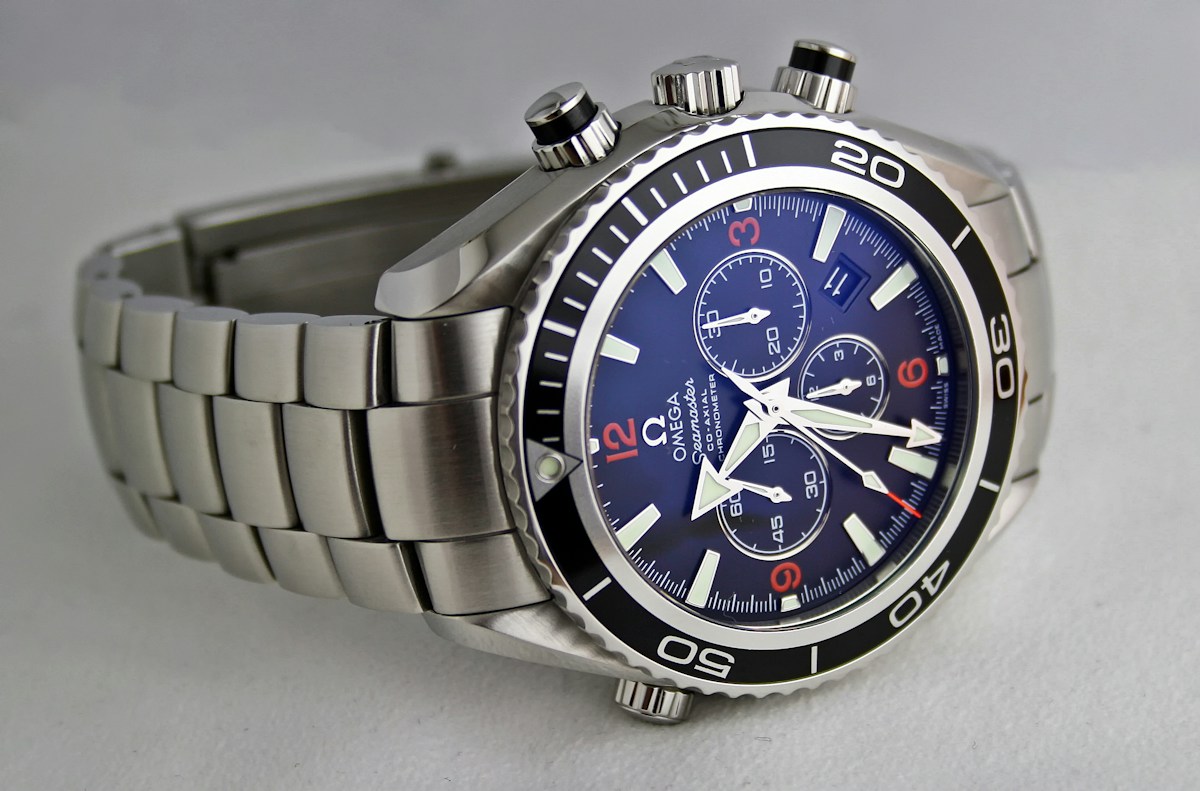
A great collection is not always a large one. In fact, some of the most satisfying watch collections are built with restraint, clarity, and a real sense of personal style. The idea of a “watch wardrobe” captures this beautifully: not a box full of random acquisitions, but a considered group of watches that live well with the way you actually dress, work, travel, and spend your weekends.
For newer enthusiasts, this can be a liberating idea. You do not need to chase every release or force yourself into someone else’s definition of a “serious” collection. For seasoned collectors, it can be a useful reset — a way to refine rather than simply accumulate. Style, after all, is rarely about volume. It is about coherence.
A watch wardrobe starts with your life, not your wish list
The most stylish collections begin with honesty. Before thinking about categories, complications, or case materials, think about your days. Do you spend most of your time in tailoring, business casual, denim, or activewear? Do you travel often? Are you drawn to understated pieces that disappear into the cuff, or watches that spark conversation across a dinner table?
A watch wardrobe should mirror your rhythms. If your real life is split between an office, a few dinners out each month, and relaxed weekends, then a compact trio may serve you better than a dozen impulse purchases. A refined everyday sports watch, a more elegant piece for dressier moments, and something casual or rugged for off-duty wear can cover an astonishing amount of ground.
This is one reason watches like the Seiko Alpinist remain so beloved. It is neither strictly dress nor pure tool watch, and that ambiguity is a strength. The same is true of a Farer Discovery or a Formex Essence: versatile pieces that feel deliberate rather than generic.
Versatility is not the enemy of character
Some collectors hear “versatile” and think “safe.” But the best watch style sits in the space between adaptability and personality. A watch does not need to be loud to be memorable.
Consider the Hamilton Khaki Field Mechanical. On paper, it is a simple field watch. On the wrist, it can shift effortlessly between a knit polo, an oxford shirt, or a waxed jacket. Its hand-wound movement and military lineage give it texture beyond its price point. Likewise, a Baltic MR01 brings a dressier mood, yet its proportions and vintage-inflected design keep it from feeling precious or overly formal.
True versatility often comes down to proportion, finishing, and color discipline. A 36–39mm case tends to integrate easily into a wide range of wardrobes. Brushed surfaces usually feel more relaxed and daily-wear friendly, while polished details add refinement. Dials in black, silver, navy, charcoal, or soft champagne tend to age gracefully within a collection because they complement rather than dominate.
That said, one expressive piece can transform an otherwise restrained watch wardrobe. A pistachio dial from Farer, a warm fumé treatment from Venezianico, or the playful vintage cues of a Mitch Mason can say a great deal about the collector wearing it. Style is not about avoiding personality. It is about placing it well.
Dress watches matter more than people think
In the age of integrated-bracelet sports watches and all-purpose steel pieces, it is easy to downplay the role of a proper dress watch. But even collectors who rarely wear suits often discover that a slim, elegant watch changes the mood of an outfit more effectively than almost any other accessory.
A dress watch teaches restraint. It invites attention to line, proportion, and detail: a thin bezel, elongated markers, a clean handset, a compact case. Think of a Nomos Tangente, a vintage-inspired NEUTRA, or even a well-chosen Citizen from The Citizen or higher-end mechanical ranges. These watches bring quiet authority.
More importantly, they remind us that style is situational. A dive watch can be charming with tailoring in the right hands, but there are evenings when a smaller, simpler watch just feels correct. The goal is not to obey rigid old rules. It is to understand why certain forms carry certain emotional weight.
The best casual watches feel effortless
If a dress watch is about refinement, a casual watch is about ease. This is where many collectors spend most of their time, and where the emotional center of a collection often lives.
The ideal casual watch is one you reach for almost unconsciously. Maybe it is a Seiko 5 Sports that has accompanied you through travel and daily routine. Maybe it is a Citizen Promaster on rubber during summer. Maybe it is a Formex Reef, a Hamilton Khaki, or a microbrand gem from brands like Baltic, Mitch Mason, or NEZUMI. The common thread is comfort, visual clarity, and a design language that does not feel forced.
A good casual watch also benefits from strap fluency. One of the oldest pieces of collector wisdom still holds: a strap change can give a familiar watch a second life. Shell cordovan can sharpen a field watch, suede can relax a dress piece, and a quality bracelet can make a microbrand feel unexpectedly substantial. If you are building a wardrobe rather than merely a collection, straps are not accessories after the fact. They are part of the styling vocabulary.
Learn the language of finishing and proportion
Collectors often focus on specifications first: movement origin, water resistance, power reserve. These things matter. But style in watches is often decided by the less obvious qualities.
How does the lug shape sit on the wrist? Does the dial have depth, or does it feel flat under certain light? Are the hands the right length? Is the transition between brushed and polished surfaces handled with care? A watch may be powered by a respected movement like the Sellita SW200, Miyota 9039, or Seiko’s 6R35, but what makes it stylish is how convincingly the whole object comes together.
This is where many modern independents and microbrands have become so interesting. Brands such as Farer, Formex, Venezianico, and NEUTRA often compete not by sheer heritage, but by demonstrating taste. They understand color, balance, wearability, and finishing in a way that resonates with contemporary collectors. The result is a broader landscape of style than the old luxury hierarchy ever allowed.
A stylish collection should still surprise you
A watch wardrobe should be coherent, but not predictable. The point is not to own five versions of the same steel sports watch in slightly different shades of blue. The point is to build a collection that meets different moods while still sounding like your voice.
That may mean including one watch that breaks your own pattern: a gold-tone piece, a sector dial, a manually wound chronograph, or a vintage-inspired skin diver. It may be a hand-wound Hamilton one day and a sharply faceted Venezianico the next. The tension between consistency and surprise is often where personal style becomes visible.
Perhaps the best advice is to buy more slowly. Let a watch reveal whether it fits not only your wrist, but your life. The pieces that endure are rarely the ones that shout the loudest on release day. They are the ones that continue to make sense six months later, with a jacket you love, on a flight, at a wedding, or over coffee on a quiet Saturday.
A watch wardrobe, at its best, is not about image. It is about alignment — between taste, habit, memory, and use. When that alignment is there, even a small collection can feel rich. And when collectors gather to compare those choices, stories, and small obsessions, the hobby becomes something even better: shared style, sharpened by community.