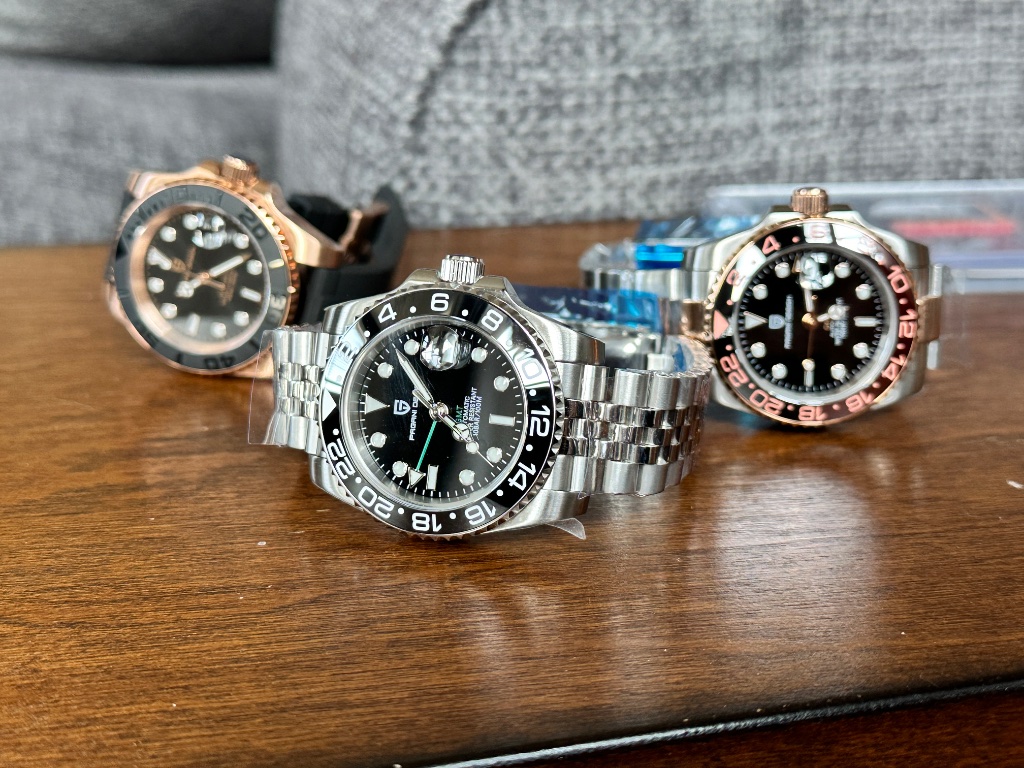

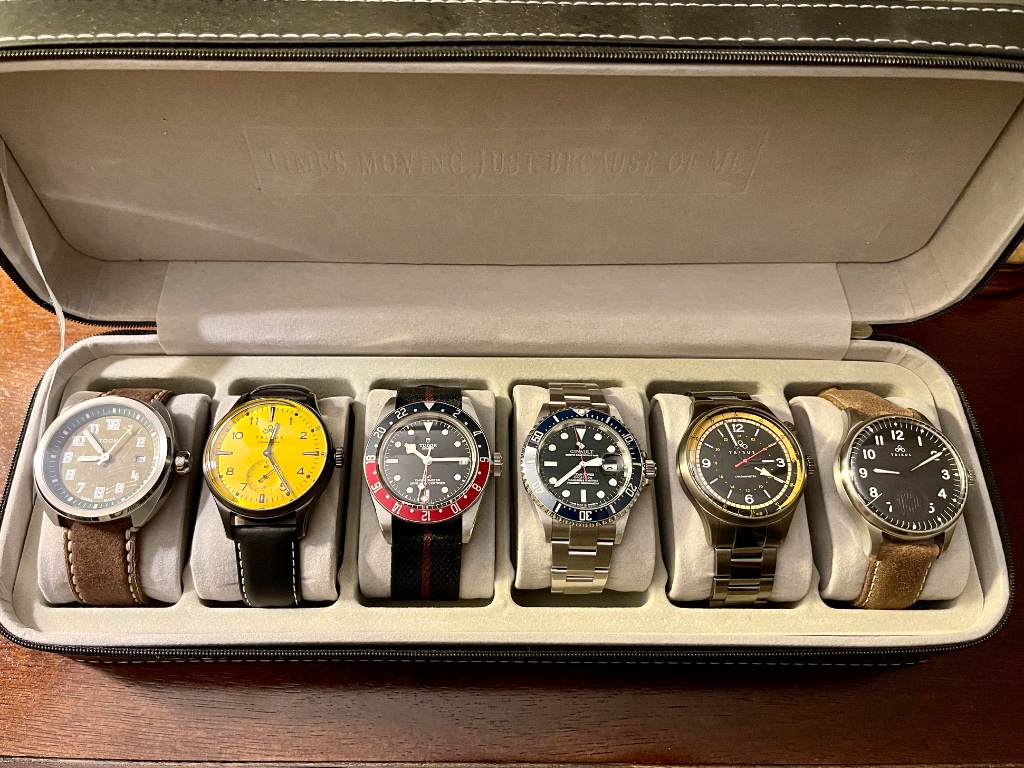
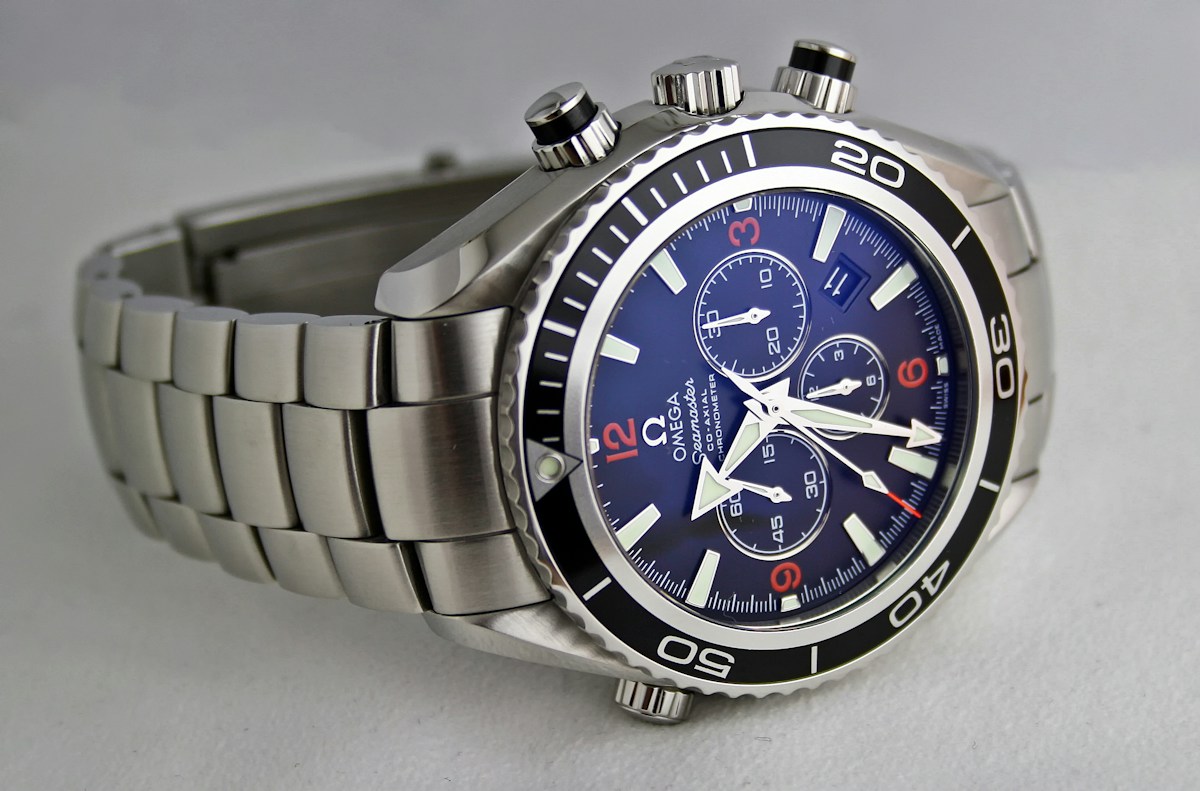
Style, in watch collecting, is often misunderstood. It is not simply a matter of owning a dress watch, a diver, a field watch, and a chronograph, as if taste could be assembled from categories alone. Real style is more personal than that. It lives in the choices that feel instinctive: the case size that sits naturally on your wrist, the dial color you reach for on an ordinary Tuesday, the watch you wear when no one is looking.
A thoughtful watch wardrobe should feel less like a checklist and more like a portrait. Whether you are buying your first mechanical piece or refining a collection that has been years in the making, the goal is the same: to build a rotation that looks coherent, wears comfortably, and says something honest about you.
Start with your life, not the spec sheet
One of the most common collecting mistakes is buying for imagined occasions. We tell ourselves we need a formal watch for black-tie events, a hardcore diver for ocean adventures, or a racing chronograph for a lifestyle that never quite materializes. In reality, most great collections begin with daily life.
If you spend your week in a relaxed office, travel often, and want one watch that works with nearly everything, a versatile everyday piece matters more than a niche complication. This is where watches like the Hamilton Khaki Field Murph, the Seiko Alpinist, or the Citizen NB1050 shine. They are rooted in strong design language, but they do not demand a costume. They adapt.
That adaptability is the essence of style. A watch wardrobe should support your rhythms, not interrupt them. Before chasing categories, ask simpler questions: What do I actually wear? How formal is my day-to-day life? Do I want my watch to blend in elegantly or announce itself a little? The answers will shape better purchases than any trend report ever could.
Proportion is the quiet language of taste
Collectors love to debate diameter, but style is rarely about a single number. Proportion is what matters: lug-to-lug length, thickness, bezel width, dial opening, and the way a case interacts with the wrist. Two 39mm watches can wear like entirely different objects.
This is why some pieces develop instant chemistry while others never quite settle. A Baltic MR01, for example, has a delicacy that comes from its slim profile and restrained dial architecture, not just its compact size. A Formex Essence 39 feels more architectural and modern, with crisp finishing and integrated-bracelet energy that changes the whole visual mood. A Seiko Turtle, on paper, can sound large, yet its short lugs and cushion case make it surprisingly wearable.
Seasoned collectors eventually learn that elegant style often comes from moderation. A watch does not need to dominate the wrist to make an impression. In fact, many of the most stylish pieces leave a little room for the cuff, the bracelet to drape properly, and the design to breathe.
Color, texture, and material do more than complications
If proportions create harmony, dial and case details create personality. Watch style is deeply tactile. Brushed steel feels different from polished steel. A matte black dial speaks in a different voice than sunburst blue. Applied markers, sector layouts, grainy textures, gilt printing, bead-blasted titanium — these are not small details. They are the emotional cues that make a watch feel classic, playful, technical, or romantic.
For a first or second watch, restraint is usually wise. Silver, black, navy, and white remain versatile because they pair effortlessly with clothing and rarely fatigue the eye. But a collection becomes memorable when one or two watches introduce character. Farer has built a reputation on exactly this idea, using color with uncommon confidence. Venezianico often leans into texture and architecture in a way that gives even familiar designs a more expressive feel.
Straps deserve equal attention. Many watches reveal their true style only after a strap change. A leather strap can turn a practical field watch into something quietly refined. A soft suede strap can make a vintage-inspired chronograph feel more relaxed. A steel bracelet sharpens almost anything. Few upgrades are more affordable, or more transformational, than learning which straps unlock the personality of a watch.
Let the movement matter, but not too much
Enthusiasts should care about movements. They are part of what makes horology so absorbing. But style suffers when movement talk overwhelms everything else.
There is nothing unromantic about a dependable Sellita SW200-1, a robust Seiko NH35, or a slim Miyota 9039 if the watch around it is well designed and genuinely wearable. Hamilton’s H-10 offers long power reserve and practical value. Citizen’s Eco-Drive remains one of the great everyday technologies in modern watchmaking. None of these choices is lesser if they support the purpose of the watch.
The collector’s temptation is to buy what sounds impressive in a forum thread rather than what feels right on the wrist. Yet some of the best-looking, most satisfying watches are compelling because the movement suits the design brief. Style is coherence. A rugged daily wearer should not ask to be babied. A refined dress watch should feel slim and composed. When movement, case, and intent align, the watch becomes more convincing.
A good watch wardrobe has rhythm, not redundancy
The strongest collections are not necessarily the largest. They simply have rhythm. One watch handles the everyday. Another brings a little polish. A third introduces fun, color, or a shift in era. The point is not to own every genre, but to create meaningful contrast.
That could mean pairing a clean GADA-style watch with a vintage-leaning chronograph and a more adventurous summer piece. It could mean a Formex for weekday sharpness, a Baltic Bicompax for evenings and weekends, and a Citizens or Seiko diver for travel. Or perhaps your collection tilts toward independent and microbrand voices — a Mitch Mason with plenty of character, or a NEUTRA that captures a more understated, design-led sensibility.
What matters is that each watch earns its place. If two pieces do the same thing, keep the one that draws you in more often. Wrist time is the most honest metric in collecting.
The most stylish collection is the one that becomes yours
Ultimately, personal style in watch collecting is less about acquiring the “right” watches than about wearing them enough to make them yours. The small marks on the clasp, the strap you changed three times before getting it exactly right, the way a particular dial starts to feel inseparable from your weekend routine — that is where style becomes real.
Beginners sometimes assume confidence comes from knowledge alone. Veterans know it also comes from familiarity. You stop dressing for the approval of other collectors and start choosing the watches that fit your life, your eye, and your pace.
That is when a watch wardrobe stops feeling assembled and starts feeling authored. And in conversations with fellow enthusiasts, whether over coffee, in a collector meetup, or inside a community like Keeper Box, those personal choices are always the ones worth hearing about most.