
For most collectors, the journey begins with specifications. Case diameter, movement type, power reserve, water resistance, lume, bracelet taper: these are the measurable details that make one watch seem more compelling than another. They matter, of course. But anyone who has spent real time in this hobby learns the same lesson eventually: the watches that stay with you are rarely chosen on paper alone.
A good watch can win the comparison chart. A great watch earns wrist time for reasons that are harder to quantify. It has coherence, character, and ease. It feels considered. It makes sense the longer you live with it. That is true whether you are looking at a Hamilton Khaki Field Mechanical, a Seiko SPB143, a Citizen Series 8, or a thoughtfully made microbrand from Baltic, Farer, Formex, or NEUTRA.
Specifications are the starting line, not the finish
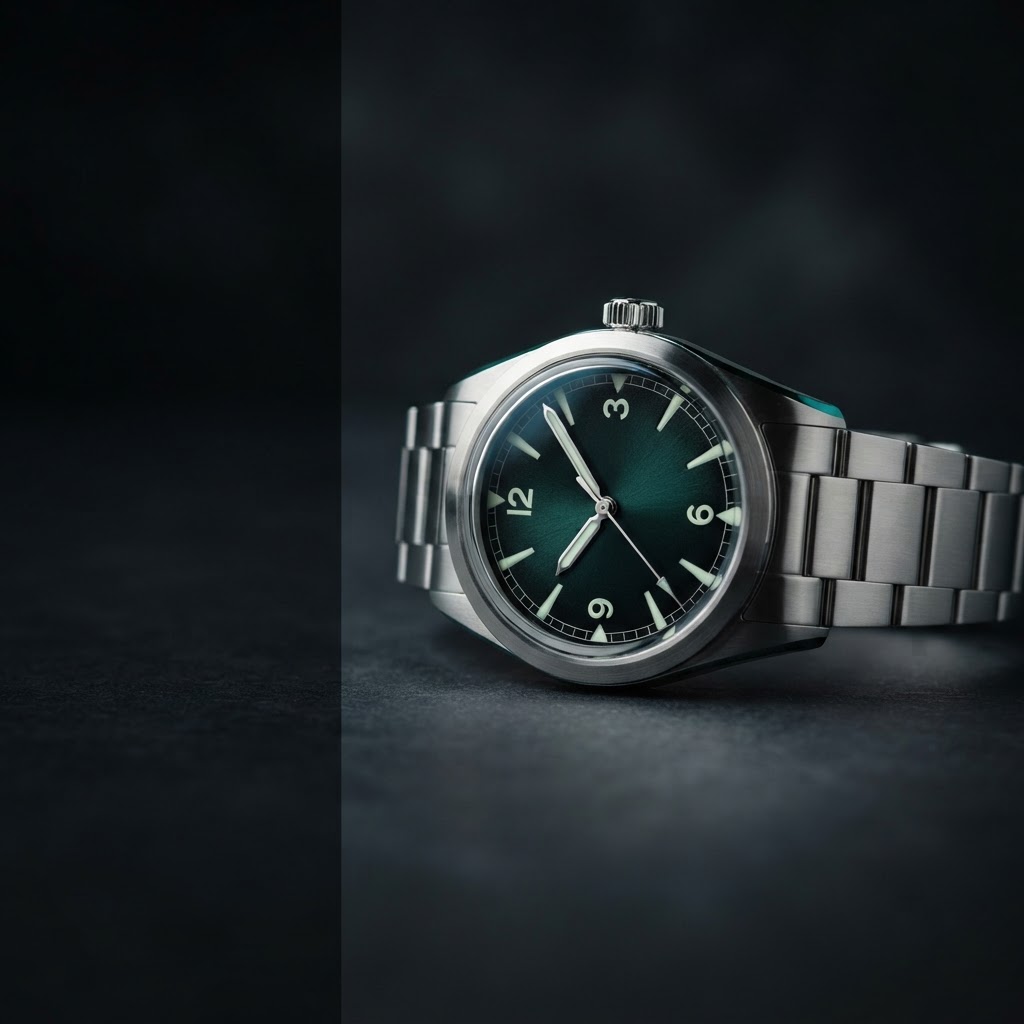
The spec sheet is useful because it gives structure to a crowded market. It helps you rule out what clearly will not work for you. If you know you dislike thick cases, oversized divers, or mineral crystals, the numbers are a practical first filter. Beginners especially should learn to read dimensions closely, paying more attention to lug-to-lug length and thickness than diameter alone.
But specs can also create a false sense of certainty. Two watches may both measure 39mm, use sapphire crystals, and offer 200 meters of water resistance, yet feel entirely different in person. A Seiko diver often wears differently from a Baltic Aquascaphe because case shape, bezel profile, dial opening, and bracelet integration all alter perception. One watch can feel purposeful and balanced, the other merely adequate.
In other words, specs tell you what a watch has. They do not tell you whether the watch has been well resolved.
The best watches feel right before they impress
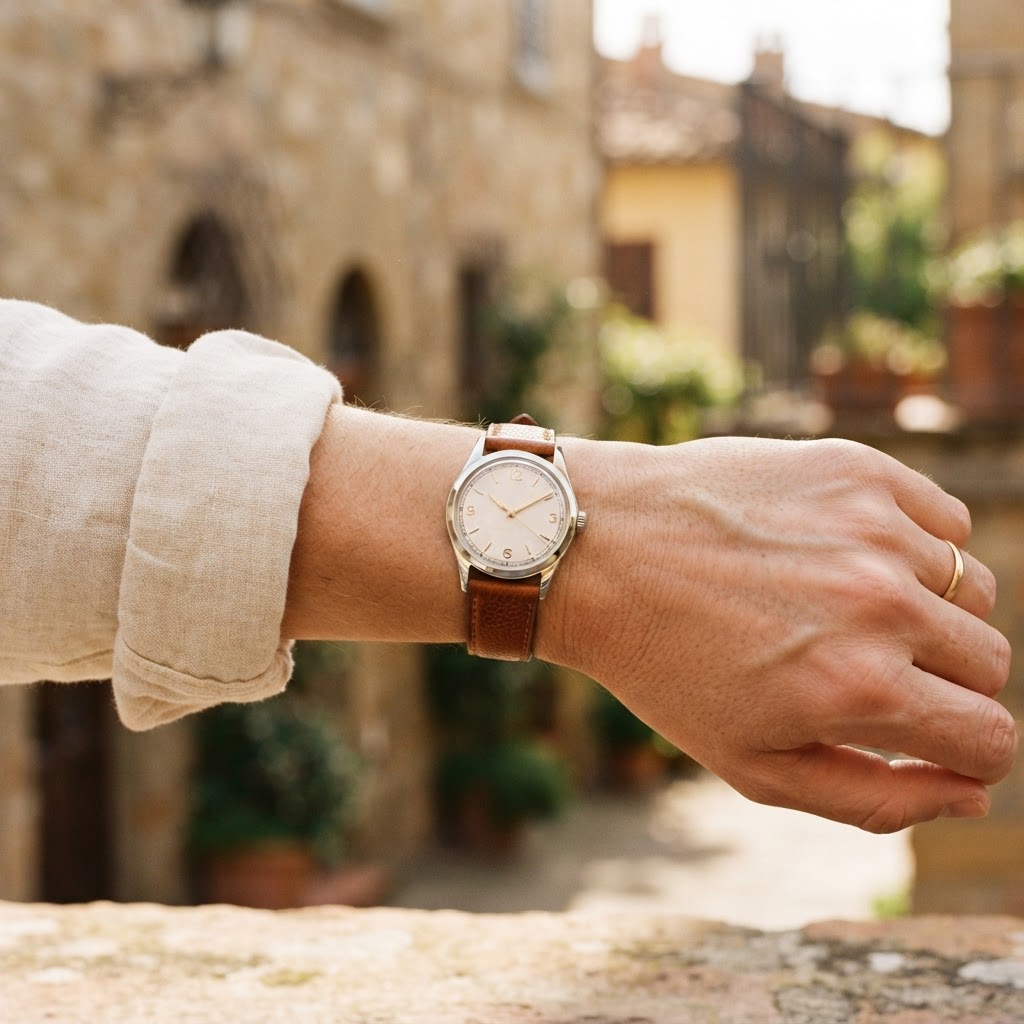
Seasoned collectors often talk about “wrist presence,” but what they really mean is comfort married to character. A watch should announce itself without fighting you. That balance is subtle. It comes from the curve of the lugs, the placement of the crown, the articulation of the bracelet, and the visual weight of the dial.
This is one reason Formex has earned such a loyal following. On paper, an Essence may look like another integrated-sport design in a competitive segment. On the wrist, the quality of the bracelet, clasp adjustment, and case finishing immediately explain the enthusiasm. Farer does something similar from a different angle: the appeal is not just color, but the way color is controlled and supported by proportion, texture, and typography.
If you are evaluating a watch seriously, ask a simple question: do I enjoy wearing this for hours, or am I mostly admiring the idea of owning it? The distinction is more important than many collectors admit.
Movements matter, but context matters more
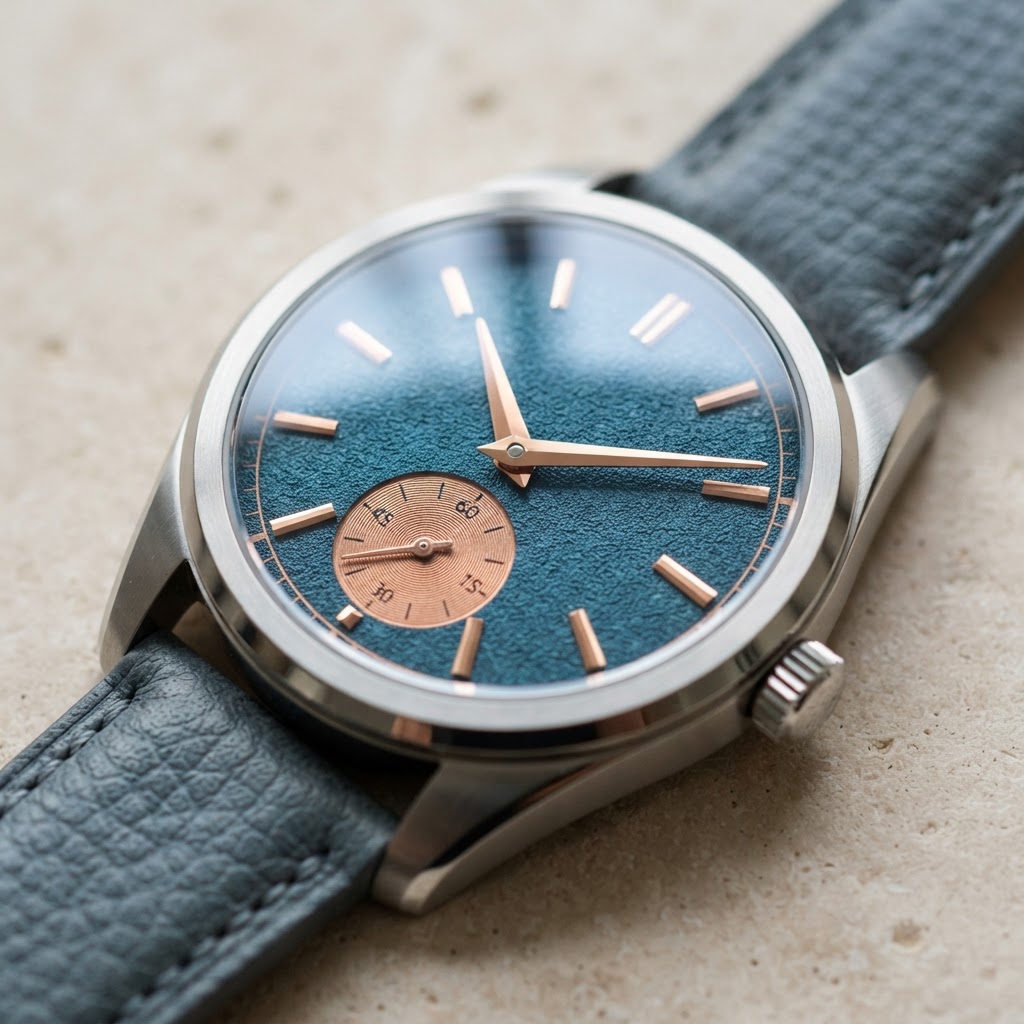
Few topics tempt collectors into bad assumptions faster than movements. In-house is often treated as inherently superior, while outsourced is framed as compromise. Reality is less glamorous and more useful.
A reliable Sellita SW200-1, Miyota 9039, ETA 2824-based caliber, or even a well-regulated Seiko NH35 can make excellent sense depending on the watch and its price. Hamilton’s H-10 and H-50 variants offer strong power reserves and proven day-to-day practicality. The Seiko 6R35 has its critics, yet it remains perfectly serviceable in the right watch for the right owner. Citizen’s modern automatic calibers deserve more credit than they often receive, especially from collectors who still associate the brand primarily with Eco-Drive.
What matters is fit between movement and purpose. Is the caliber appropriately thin for the case? Is it easy to service? Does the brand regulate it well? Does the asking price reflect what is inside? A movement should support the watch, not dominate the conversation around it.
Collectors who stay in the hobby longest usually become less snobbish here, not more. They learn that dependability, service access, and honest pricing often outlast romantic talking points.
Design integrity is easier to spot with experience
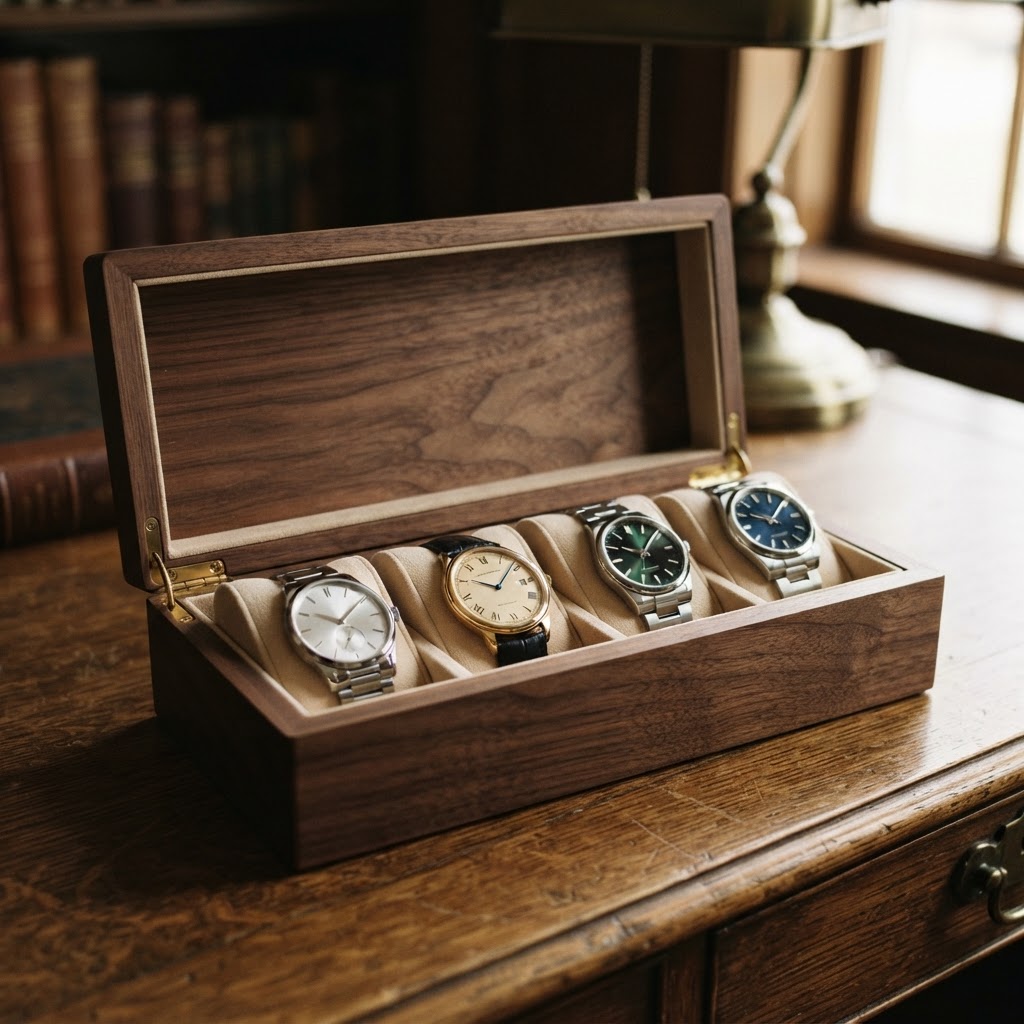
Many watches are attractive in isolation. Fewer hold together under scrutiny. Design integrity is the quality that makes a watch feel complete rather than assembled from trends.
You can see it in a Hamilton Khaki Field Mechanical, where the dial layout, handset, case finishing, and military inspiration remain disciplined. You can see it in the Baltic MR01, which borrows from dress-watch tradition without feeling trapped by nostalgia. You can see it in microbrands that know exactly what they are trying to say. Mitch Mason, Venezianico, and NEUTRA have each produced watches that feel more persuasive than their price might suggest because the details are aligned, not merely decorative.
This is also why experienced collectors become wary of derivative design. A watch can be “good value” and still feel creatively hollow. Homage-heavy pieces sometimes deliver impressive specifications for the money, but rarely provide the lasting satisfaction that comes from strong original identity. Collectors may forgive modest finishing; they are less likely to forgive a lack of point of view.
Ownership reveals value better than unboxing ever can
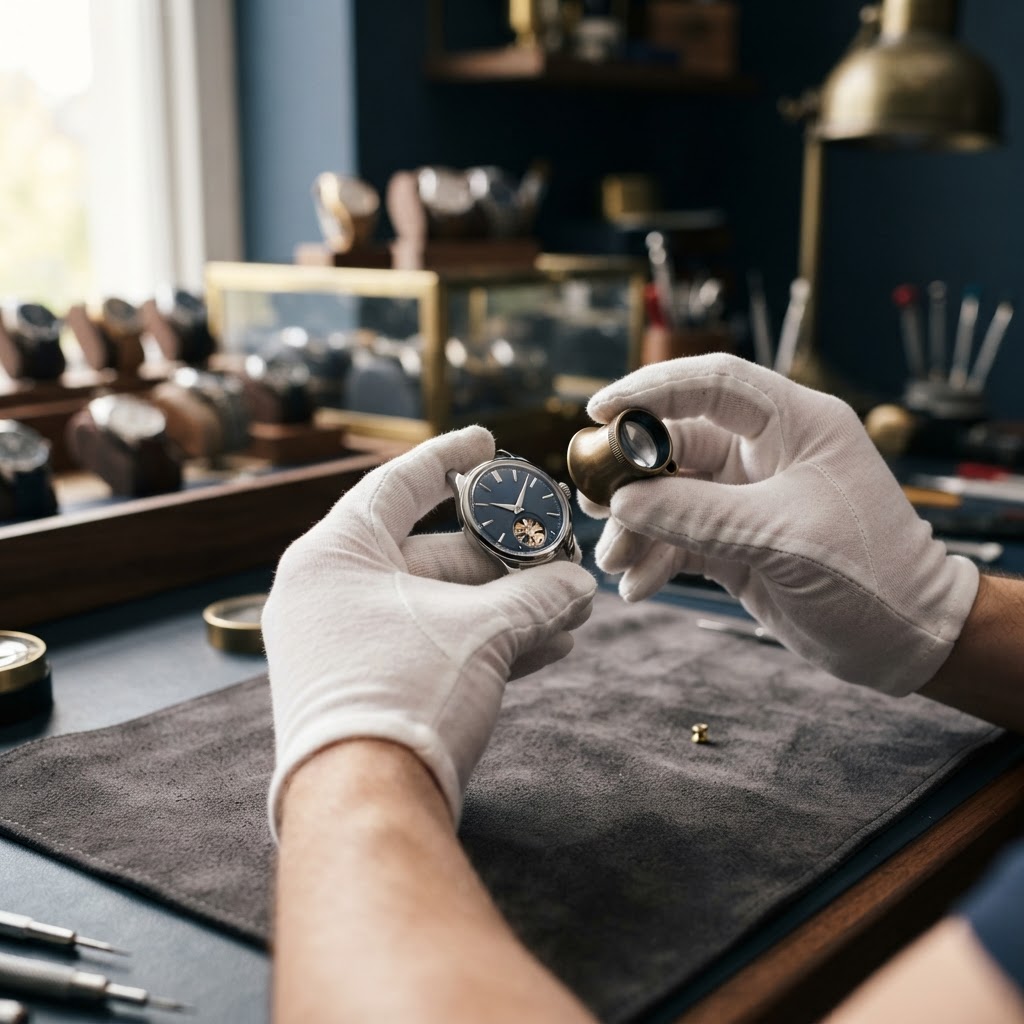
The honeymoon period is not the real test. Value becomes clear six months later, when the novelty has faded and the practical realities remain.
How easy is it to size the bracelet? Does the clasp still feel secure? Is the crystal prone to glare? Does the watch suit more than one setting in your life? If service is needed, does the brand communicate well and support the product responsibly? These questions matter as much as dial texture or power reserve, because they determine whether the watch becomes a companion or a brief infatuation.
This is where established brands such as Seiko, Hamilton, and Citizen retain real advantages: broad service networks, parts availability, and a deep record of long-term ownership. It is also where the best modern independents and microbrands distinguish themselves. Formex, for instance, has built trust not only through product quality but through customer support and responsiveness. In a crowded market, after-sales confidence is part of the watch.
A practical rule for collectors: whenever you are tempted by a watch, imagine owning it on an ordinary Tuesday, not just on arrival day.
Buy the watch, not the conversation around it

Social media has made collecting more connected, but also noisier. Hype cycles are faster. Opinions harden into consensus too quickly. A watch can become “essential,” “underrated,” or “the best value” before most people have even handled one.
The wisest collectors develop a private standard. They notice which watches keep drawing them back. They learn the difference between admiration and desire, between clever marketing and genuine affection. Sometimes the right watch is the obvious one, like a Seiko Prospex or Hamilton field watch. Sometimes it is a less expected piece from Farer or a small-batch microbrand that simply speaks your language.
In the end, evaluating a watch is part technical judgment and part self-knowledge. The more you collect, the more those two instincts begin to work together. You stop chasing perfect specs and start looking for a watch that feels honest, wearable, and lasting.
That is where collecting becomes more rewarding. Not in owning the most discussed watch, but in recognizing the one you will still reach for years from now. And if you are lucky, you get to refine that eye in the company of others who understand exactly why that distinction matters.