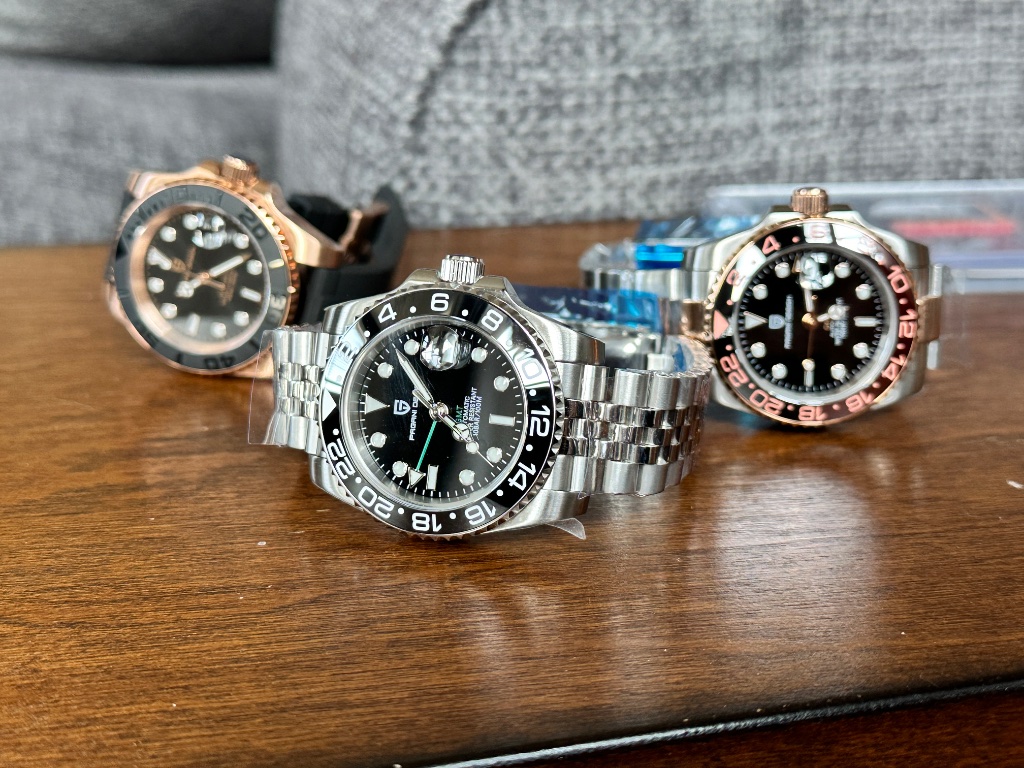




For many collectors, the journey begins with a simple question: what movement is inside? It is a good question, but not always a complete one.
In watch culture, movements are often discussed like trophies. A certain caliber gets praised, another gets dismissed, and before long a beginner can feel as if collecting is a matter of memorizing reference numbers and ranking them by prestige. The truth is more interesting than that. A movement is not just a badge; it is a piece of engineering with a personality, a purpose, and a long-term effect on how a watch feels to own.
Whether you are considering a Hamilton Khaki Field, a Seiko Prospex, a Citizen Series 8, or a thoughtfully designed piece from Farer, Formex, NEUTRA, Venezianico, or Mitch Mason, learning to evaluate a movement with nuance will make you a better collector.
Start with the movement’s job, not its reputation
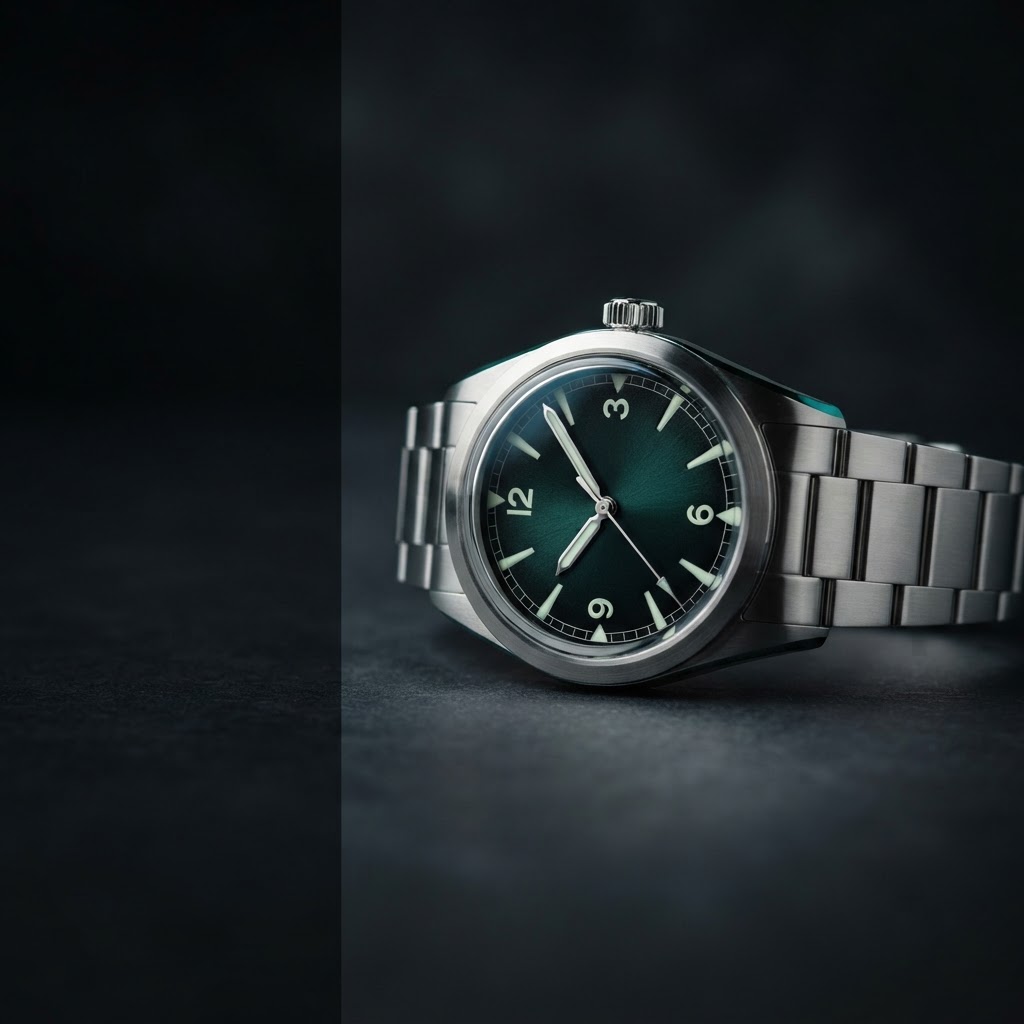
A movement should first be judged by how well it serves the watch around it.
Take the Seiko NH35, the Miyota 9015, or the Sellita SW200-1. None of these calibers are exotic, yet all three have earned their place in modern collecting because they do something tremendously valuable: they work. They are known quantities, widely serviceable, and used by brands that want to offer honest mechanical watchmaking without unnecessary drama.
This is especially important in the world of microbrands. A company like Mitch Mason choosing a proven Miyota caliber, or Venezianico using a dependable automatic movement instead of inventing complexity for marketing’s sake, is often making a collector-friendly decision. The same goes for many independent-minded brands that rely on Sellita or Soprod. Familiarity is not a weakness when reliability and service access matter.
By contrast, a movement with impressive specifications on paper can be less appealing if parts are scarce, servicing is complicated, or the brand has limited long-term support. A good collector learns to ask not only “Is this movement respected?” but “Is it right for this watch, and will I still enjoy owning it years from now?”
Learn to read beyond the spec sheet
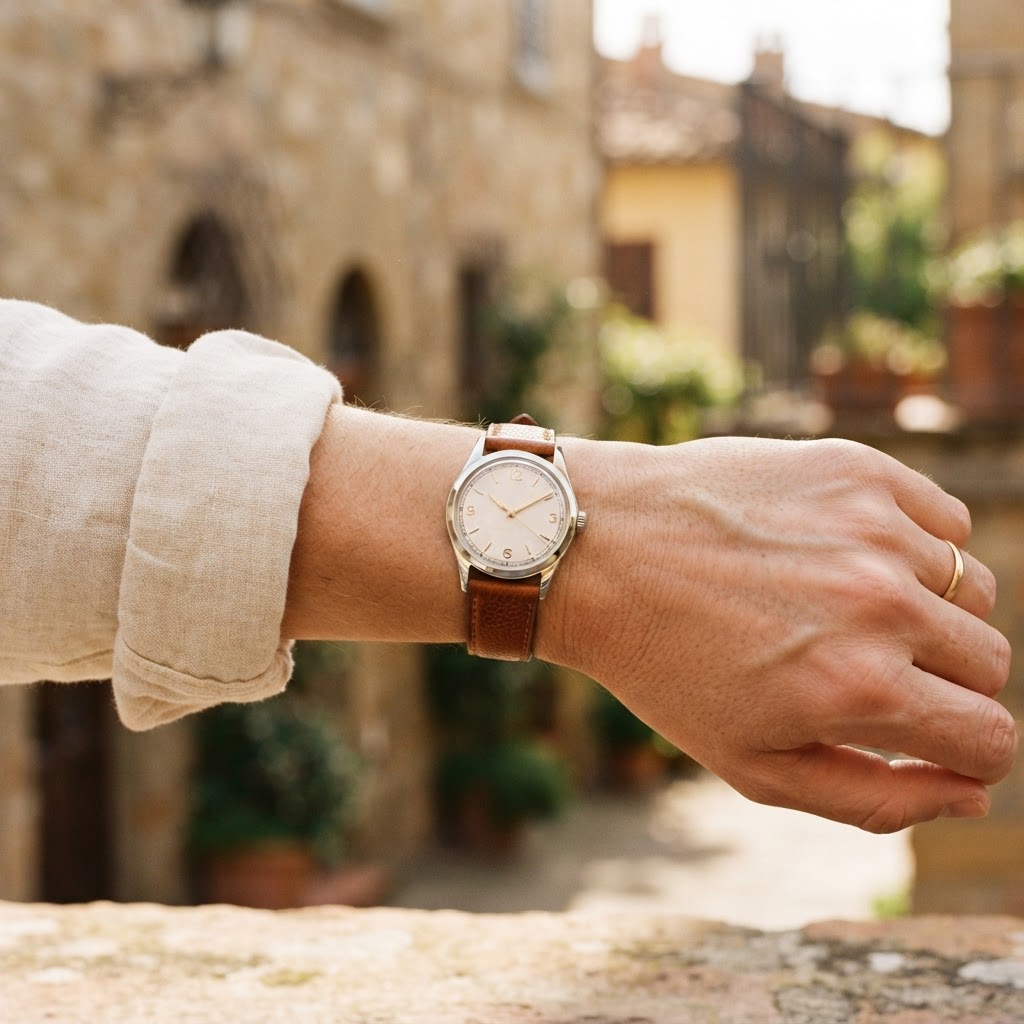
Specifications matter, but they rarely tell the whole story.
A longer power reserve is useful, but it is not automatically better. The Hamilton H-10, based on the Powermatic 80 architecture, offers an appealing 80-hour reserve that suits a casual weekend rotation beautifully. That is meaningful in everyday wear. But power reserve alone does not tell you about winding feel, ease of regulation, or service preferences among independent watchmakers.
The same principle applies to accuracy claims. A Formex Essence ThirtyNine with a COSC-certified Sellita is attractive because the brand pairs a proven movement with a clear performance standard. Yet an uncertified movement that has been well regulated by the brand may perform just as well on the wrist. Real-world accuracy depends on assembly quality, regulation, position variance, and how you wear the watch.
Jewels, beat rate, and anti-magnetism should also be read with context. Citizen’s Caliber 9051, used in the Series 8 line, stands out not because it wins a spec-sheet contest in every category, but because its strong anti-magnetic resistance answers a genuine modern need. That is intelligent watchmaking: the movement supports the life the watch is meant to live.
Pay attention to feel as much as function
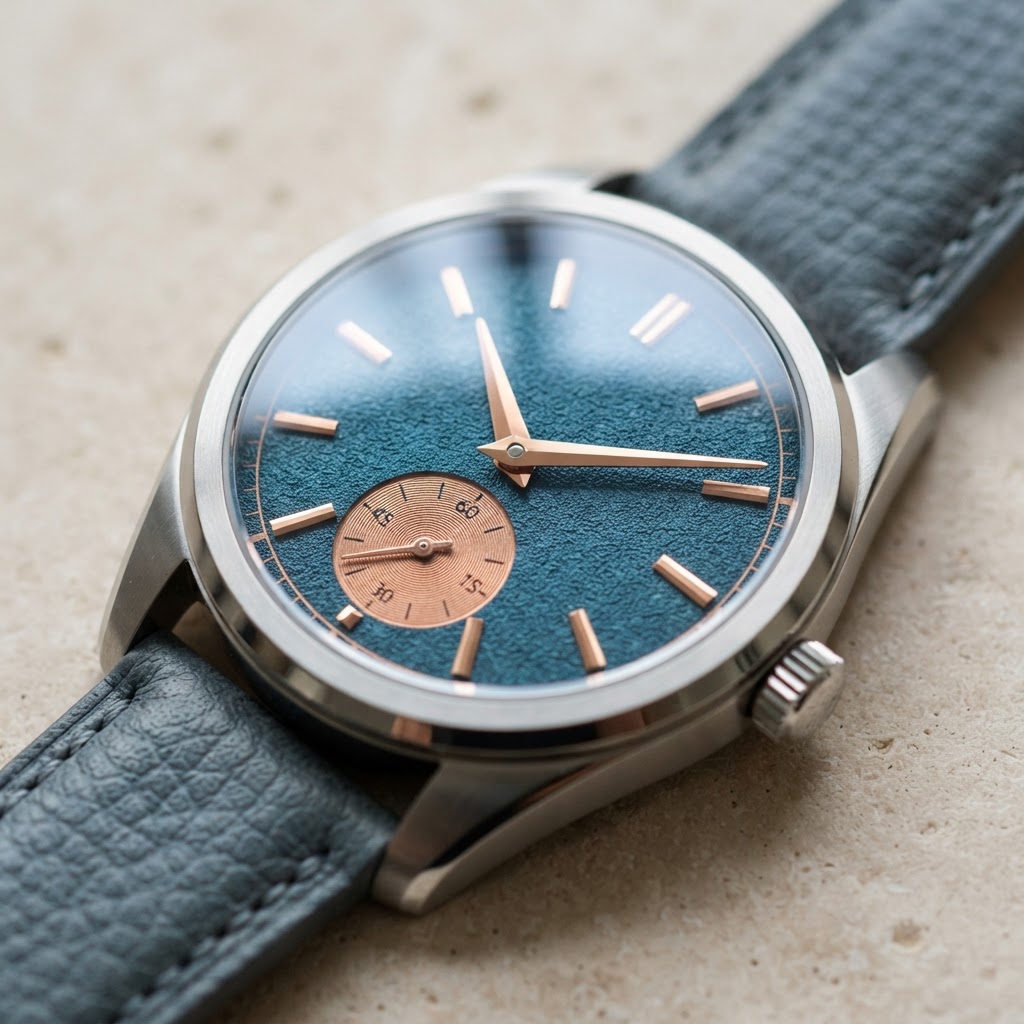
Seasoned collectors often talk about movements in tactile terms, and for good reason.
How does the crown feel when you wind the watch? Is the hand-setting precise, or does it have noticeable play? Does the rotor spin with smooth confidence, or with the freewheeling wobble some collectors associate with certain Miyota automatics? None of these details make a watch objectively good or bad, but they strongly shape the emotional experience of ownership.
This is where evaluating a watch in person becomes invaluable. Two watches with similarly priced automatic movements can feel completely different. One may have crisp action, a reassuring date change, and a refined winding sensation. Another may be perfectly reliable but less polished in the hand.
Farer is a useful example of a brand that understands this relationship between mechanics and experience. Its watches often pair colorful design with dependable Swiss calibers, but what impresses many collectors is the sense of cohesion. The movement is not there to impress internet forums; it is there to support the personality of the watch.
That is an important distinction. Collectors who stay in the hobby tend to remember how a watch felt more vividly than what its brochure promised.
Finishing is meaningful, but proportion matters
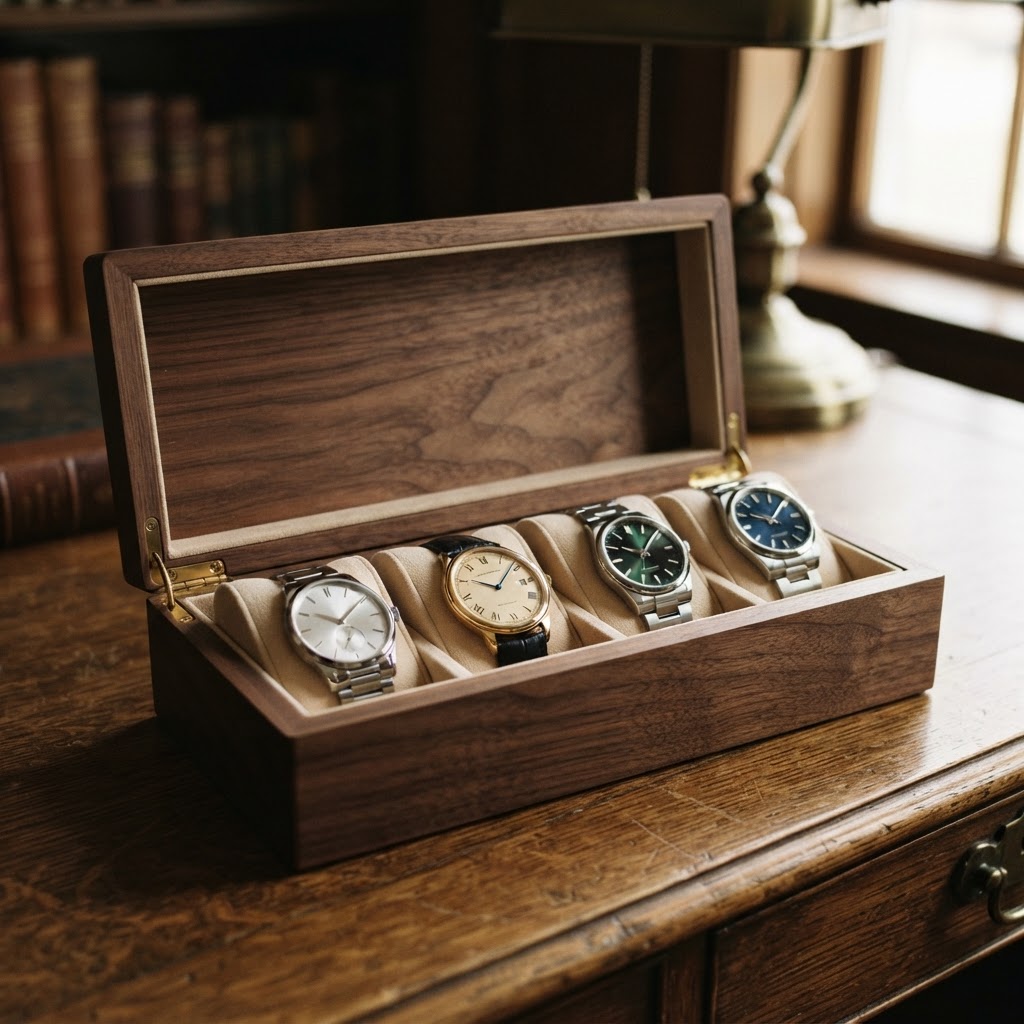
Movement finishing is one of horology’s great pleasures, but it should be judged fairly.
Geneva stripes, blued screws, perlage, a custom rotor, anglage on visible edges: all of these can deepen appreciation, especially through a sapphire caseback. They are part of the theater of watchmaking, and there is nothing trivial about that. Mechanical watches are, after all, objects of fascination as much as utility.
But finishing should be considered in relation to price and intent. It is unreasonable to expect haute horlogerie hand-finishing in a tool watch priced for accessibility. A Seiko or Hamilton is not failing because its movement looks industrial; it is being honest about where the budget went. Likewise, when a brand such as NEUTRA or Formex adds thoughtful decoration to a dependable movement, that can feel like a welcome gesture rather than empty ornament.
The wisest collectors know when finishing adds real delight and when it is being used to distract from a mediocre overall package. A beautifully decorated caliber is still less compelling if the watch wears poorly, the case is underwhelming, or the servicing future is unclear.
Do not let mechanical romance turn into quartz snobbery
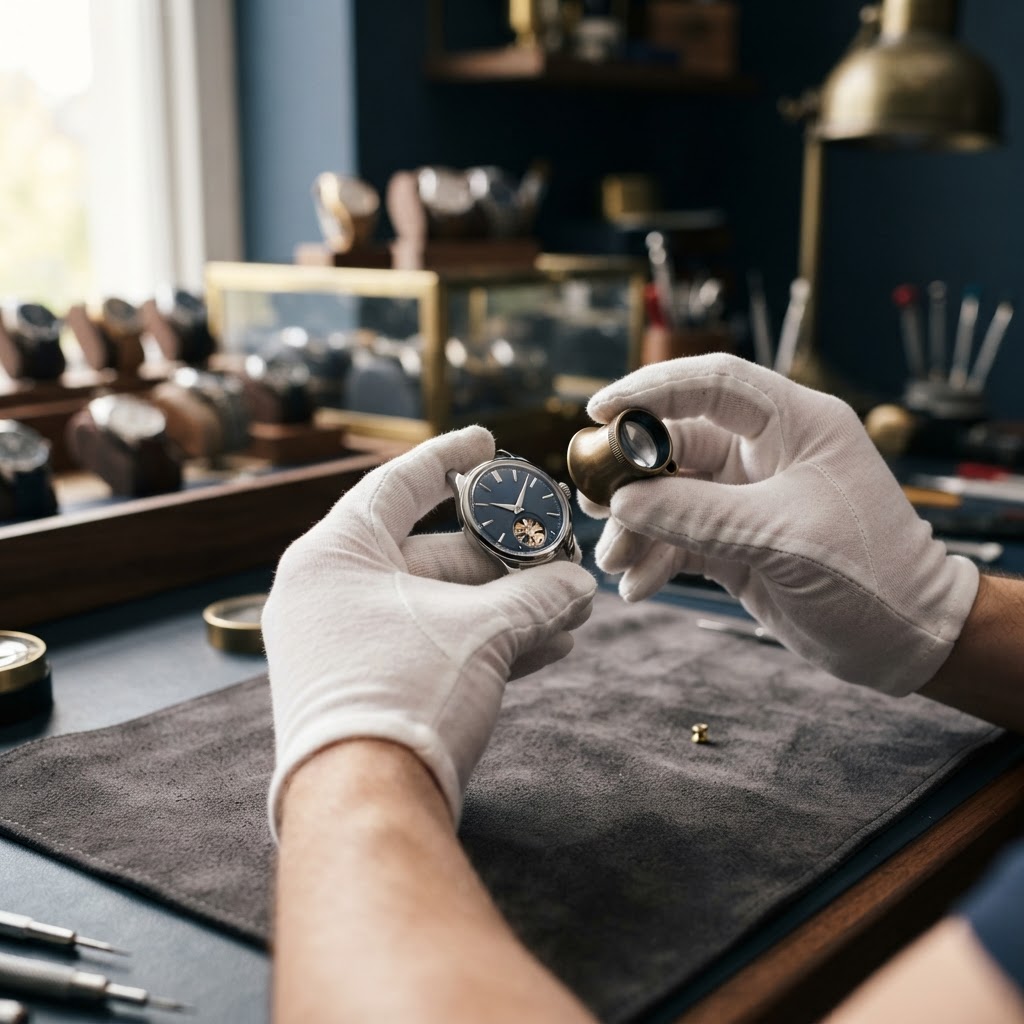
One of the most useful educational shifts in collecting is learning to respect quartz.
Mechanical movements deserve their romance. The balance wheel, the escapement, the sweep of the seconds hand, the centuries of refinement behind them, all of this is part of why we love watches. But quartz is not the villain of serious collecting. In many cases, it is the most rational and technically elegant choice.
Citizen’s Eco-Drive technology remains one of the great practical achievements in modern horology. Grand Seiko’s 9F quartz calibers are finished and engineered with a level of seriousness that forces even mechanical purists to pay attention. A quartz watch can be the right choice for travel, grab-and-go convenience, or a collector who values precision over ritual.
Maturity in collecting often looks like this: understanding that different movements offer different pleasures. A hand-wound watch invites interaction. An automatic offers companionship. A quartz watch offers confidence and ease. The point is not to pledge loyalty to one camp, but to recognize quality in all its forms.
The best movement is one you can live with well

In the end, evaluating a movement is about more than prestige, decoration, or specifications. It is about ownership.
Can it be serviced without anxiety? Does it suit the watch’s purpose? Does it offer satisfaction when you handle it? Is the brand transparent about what is inside, rather than hiding behind vague language? These questions will guide you more faithfully than forum mythology.
For beginners, this is liberating. You do not need an in-house caliber to own a meaningful watch. A well-executed Sellita, Miyota, Seiko, or Citizen movement can provide years of pleasure and teach you a great deal about what you value. For seasoned collectors, the lesson often comes full circle: the most charming watches are not always the most technically grand, but the ones whose movements feel thoughtfully matched to their mission.
That is one of the enduring joys of this hobby. The deeper you go, the less likely you are to chase movements as status symbols, and the more likely you are to appreciate them as living mechanisms with distinct strengths, compromises, and character.
And when those conversations happen among fellow enthusiasts, around a watch roll, at a meetup, or inside a community of people who genuinely care, the education becomes even better.