
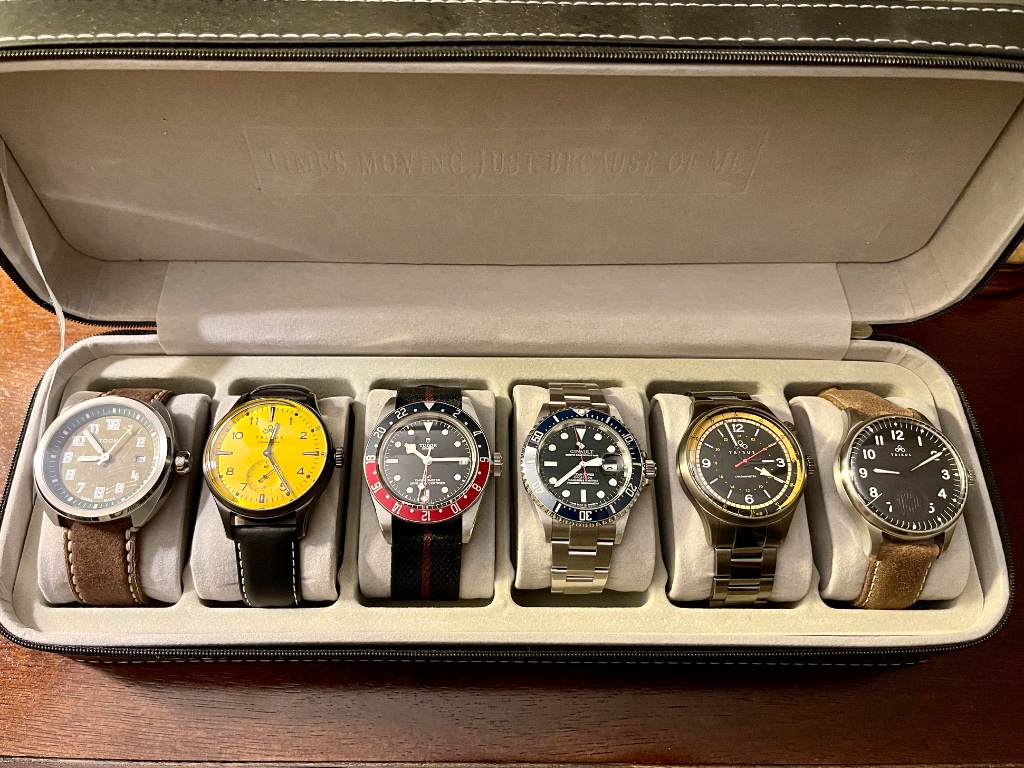
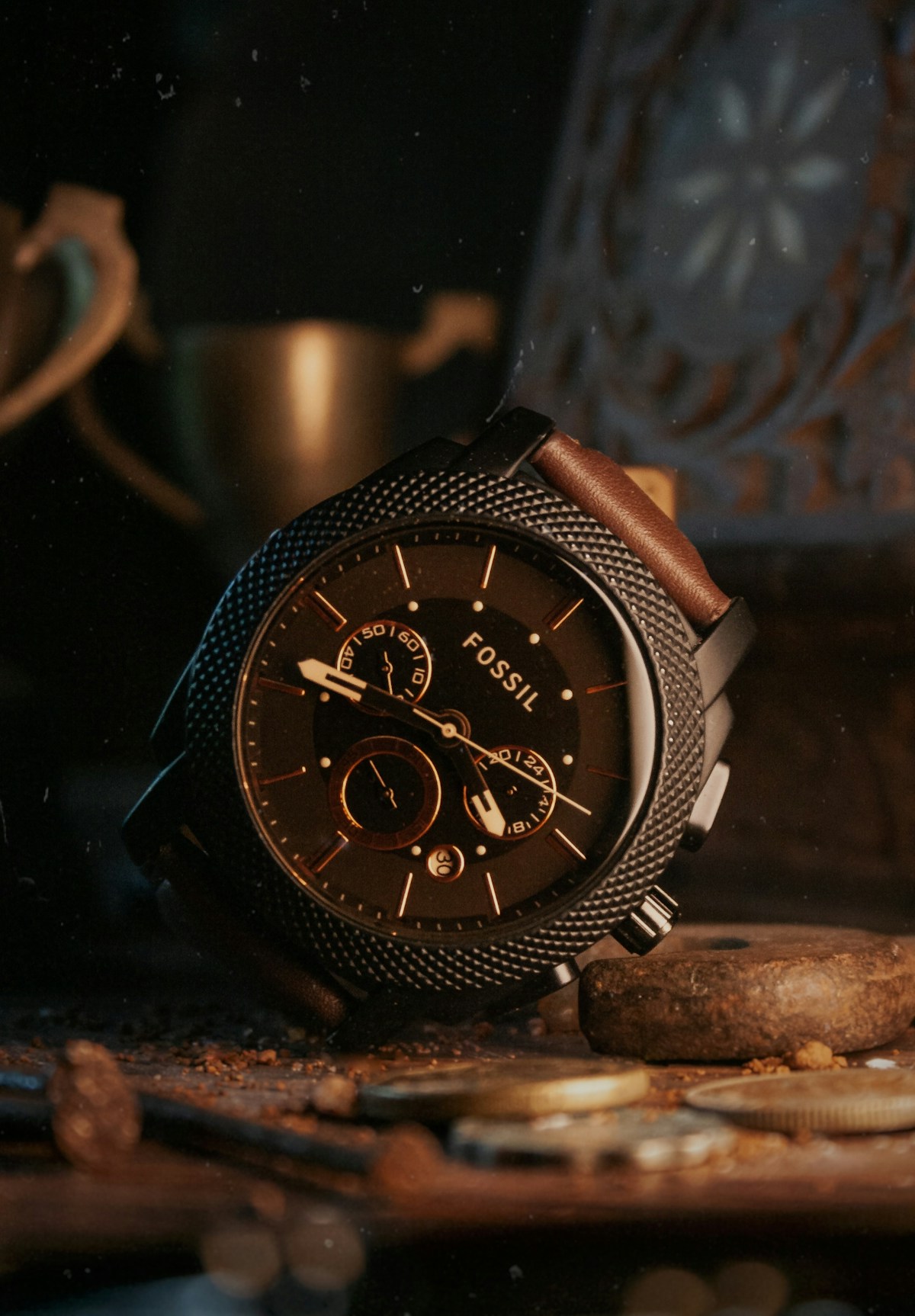
There is a particular moment in every collector’s life when buying a watch stops being a transaction and becomes the beginning of a point of view. It may start with a Seiko 5 bought on instinct, a Hamilton Khaki Field admired for its honesty, or a Citizen Promaster discovered during a late-night bout of research. Whatever the gateway, the impulse is familiar: not simply to own watches, but to understand them.
For newcomers, that first spark can feel overwhelming. The modern watch world is rich with choice, from heritage Swiss names to ambitious microbrands, from hand-wound field watches to integrated-bracelet sports models. And for seasoned enthusiasts, the challenge often shifts from acquisition to refinement: how do you build a collection that feels coherent, personal, and genuinely worth living with?
The answer is less about chasing a formula and more about learning to collect with intention.
Start with fascination, not status
The healthiest collections rarely begin with prestige. They begin with curiosity.
A collector who buys a Hamilton Murph because it captures the romance of cinema, or a Baltic Aquascaphe because its proportions feel beautifully restrained, is usually building on firmer ground than someone shopping only for recognition. Status can influence taste, of course, but it is a poor substitute for it.
One of the most useful early exercises is to pay attention to what you return to. Which watches do you keep opening in browser tabs? Which case shapes, dial textures, or handsets stay in your mind? You may think you want a diver, only to realize you are repeatedly drawn to sector dials, compact field watches, or the crisp practicality of a GMT.
This is where brands at accessible price points are so valuable. Seiko, Citizen, Hamilton, and Tissot have long served as proving grounds for taste. More recently, brands such as Farer, Formex, Venezianico, Mitch Mason, and NEUTRA have shown that personality and quality are not exclusive to the old guard. The point is not to buy broadly for the sake of sampling everything. It is to learn what truly resonates before making larger commitments.
Learn the difference between a good watch and the right watch
Collectors often speak in terms of specifications, and understandably so. Movement type, water resistance, finishing, lume, bracelet construction, and case dimensions all matter. But one of the quiet truths of watch collecting is that technical merit alone does not determine long-term satisfaction.
A watch can be objectively impressive and still not belong in your life.
The right watch is the one that suits your wrist, your habits, and your aesthetic instincts. A 42mm dive watch with 300 meters of water resistance may be excellent, but if you spend most days in lightweight knitwear and prefer understated design, a 36mm to 38mm everyday piece may offer far more pleasure. Conversely, if you enjoy robust sports watches and travel often, a flyer GMT or a well-built diver may earn its place through constant use.
This is why trying watches on matters so much. Dimensions on paper are only half the story. Lug-to-lug length, case thickness, dial opening, bracelet taper, and overall balance change everything. The Formex Essence, for example, may surprise people with how refined and wearable it feels, while a watch admired online can sometimes seem lifeless in person.
Good collecting requires a shift from abstract admiration to lived experience.
Build around roles, but leave room for emotion
A thoughtful collection often develops around use cases: a daily wearer, a dress watch, a weekend sports watch, perhaps a travel companion. This framework is helpful because it prevents redundancy and encourages versatility. A Seiko Alpinist and a Hamilton Khaki Field can occupy neighboring territory, but they bring different moods to the wrist. A Citizen diver might serve as a practical summer watch, while a hand-wound dress piece introduces a slower, more intimate ritual.
Still, a collection made only of “rational” choices can feel strangely bloodless.
Emotion is not the enemy of discernment; it is part of what makes collecting meaningful. The watch that reminds you of a milestone, evokes a historical era, or simply makes you glance at your wrist more often than necessary may be the one that endures. This is why enthusiasts become attached to imperfect things: a quirky crown placement, an unusual colorway, a manually wound movement that asks for attention.
The best collections usually contain both logic and affection. They make sense, but they also have soul.
Respect movements, but do not fetishize them
As knowledge deepens, collectors naturally become more movement-conscious. You begin to distinguish between a Sellita SW200 and an ETA 2824, to appreciate the value proposition of a Miyota 9039, or to understand why the Powermatic 80, Seiko 6R series, and various La Joux-Perret calibers inspire such discussion.
This is worthwhile knowledge. Movements matter because serviceability, accuracy, winding feel, thickness, and long-term ownership all matter.
But there is a common trap here: treating movement prestige as the sole measure of value. In practice, a reliable, easily serviced movement inside a well-designed watch can offer greater real-world satisfaction than a more exotic caliber in a case you rarely want to wear. Many microbrands have built their reputations by making exactly this calculation well. They prioritize honest engineering, robust components, and design clarity over empty theatrics.
A mature collector learns to ask a better question than “Is the movement impressive?” The better question is “Does the total watch justify itself?”
Sometimes the answer comes from finishing and architecture. Sometimes from comfort. Sometimes from originality. And sometimes from the simple pleasure of a watch that never tries too hard.
Pace is part of taste
If there is one lesson nearly every seasoned collector eventually learns, it is that speed is expensive.
The rush to assemble a collection often leads to duplication, compromise, and preventable regret. Three impulsive purchases can easily equal one deeply considered watch that would have brought more lasting enjoyment. This does not mean every acquisition must be momentous. It means your collection benefits from breathing room.
Wear a watch long enough to understand it. Notice what annoys you. Notice what keeps drawing you back. Sell thoughtfully. Trade when it clarifies the collection, not merely when boredom strikes. Photographs and specifications can seduce, but time on the wrist reveals character.
This slower rhythm also sharpens your eye. After living with different pieces, you start to recognize finer distinctions: the elegance of proportion in a Baltic, the color confidence of a Farer, the pragmatic appeal of a Citizen tool watch, the old-world restraint of a NEUTRA. Taste, in horology, is built through comparison and memory.
Collect the stories as much as the objects
Watches are objects of metal, sapphire, and mechanics, but collecting is ultimately a human pursuit. The most satisfying collections are rarely the largest or most expensive. They are the ones animated by story: the first mechanical watch earned through patience, the piece discovered while traveling, the microbrand model that sparked a conversation with another enthusiast, the heirloom that changed your understanding of timekeeping altogether.
That perspective is especially important today, when trends move quickly and social media can flatten every decision into a question of hype. A meaningful collection does not need to impress the algorithm. It needs to feel true to the person wearing it.
For beginners, that should be reassuring. You do not need to know everything to begin well. You need curiosity, restraint, and the willingness to learn by wearing. For experienced collectors, the challenge is equally rewarding: to keep refining not just the watches themselves, but the values behind them.
Because in the end, building a watch collection with confidence is not about mastering a hierarchy of brands. It is about developing an eye, a sense of proportion, and a relationship to the objects that mark your days.
And if you are fortunate, it also becomes something richer than ownership — a shared language among people who understand why one more glance at the wrist can mean so much. That, perhaps, is where collecting feels most alive: not in isolation, but in good company.