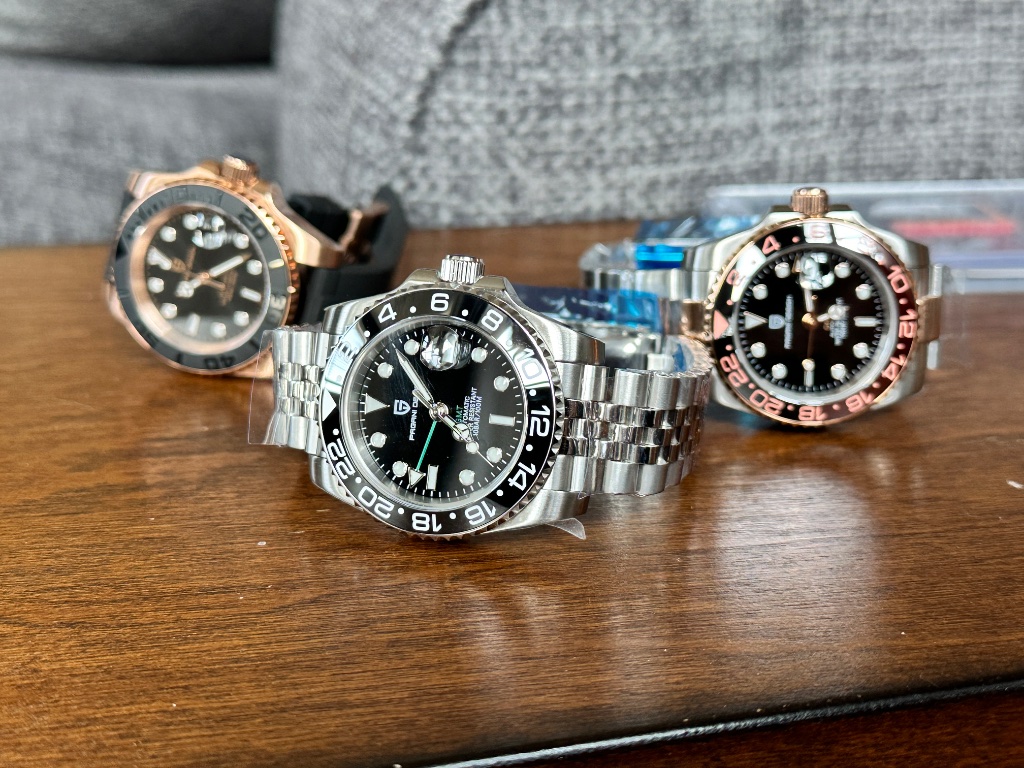

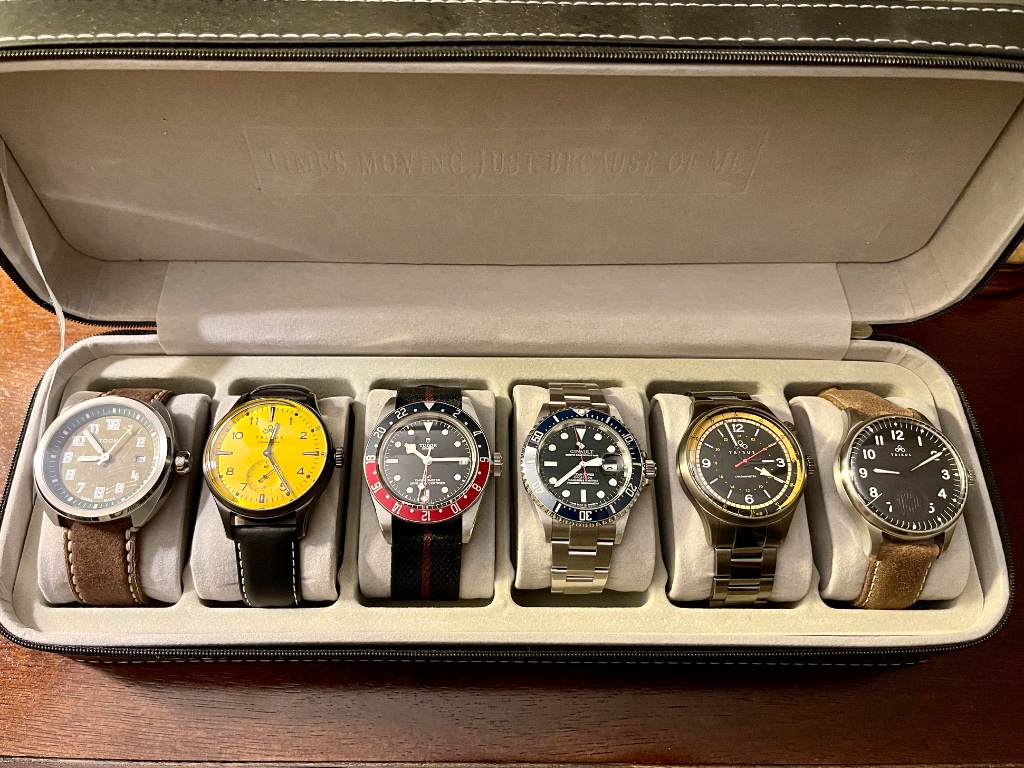


For many collectors, the phrase “one-watch collection” is more fantasy than destination. Watches live on the wrist, but they also live in context: with tailoring and denim, with quiet weekends and formal evenings, with travel, work, and celebration. That is why the idea of a watch wardrobe feels so natural. It is not about accumulation for its own sake. It is about building a small, coherent rotation that reflects who you are and how you actually live.
The most stylish collectors are rarely the ones chasing every release. More often, they are the ones who understand proportion, purpose, and personality. A good watch wardrobe does not need to be large or expensive. It needs range, intention, and enough emotional pull that each piece earns its place when you reach into the box.
Style begins with how a watch wears
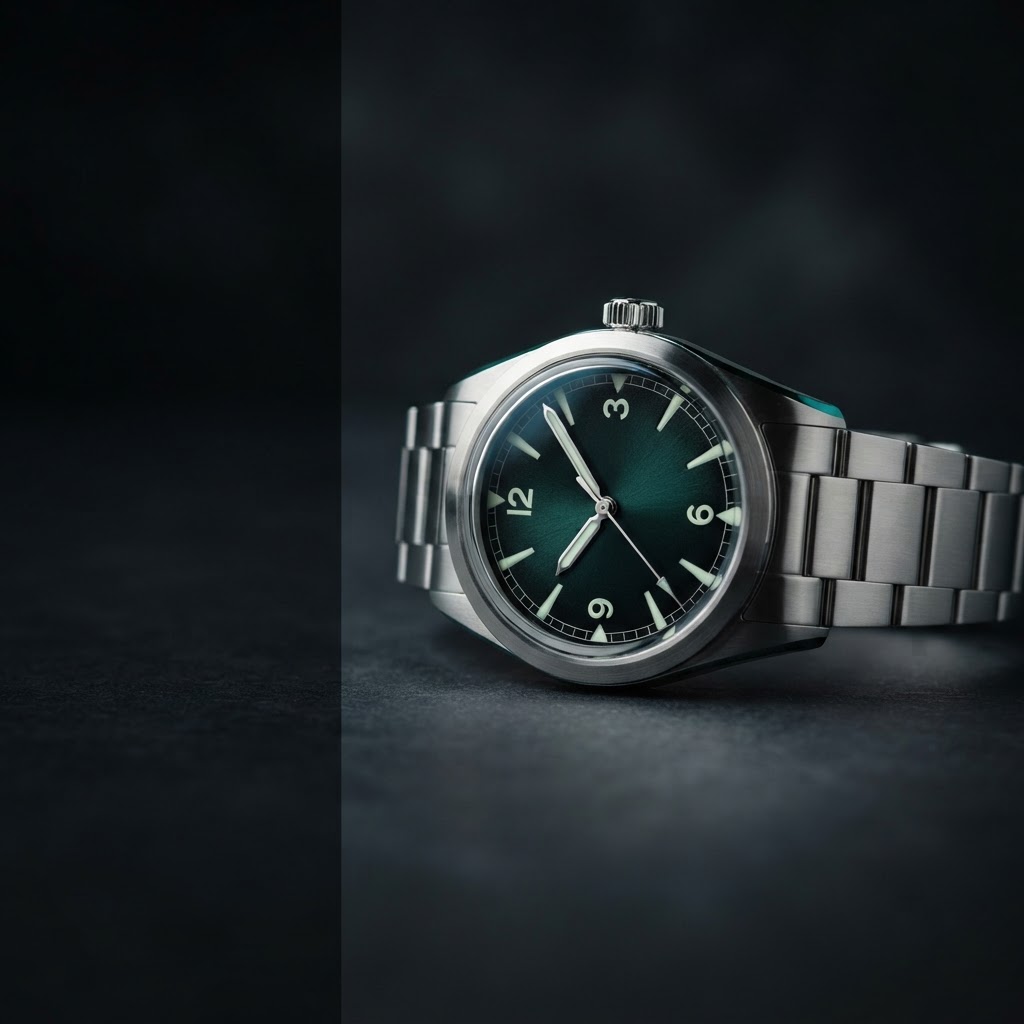
Before dial color, movement architecture, or brand prestige, style starts with fit. A watch can be beautifully designed and still feel wrong if the case diameter, lug-to-lug, or thickness fight your wrist and your clothes. This is one reason watches like the Hamilton Khaki Field Mechanical remain such enduring favorites. At 38mm, with a restrained profile and crisp military design, it wears with ease across far more situations than its tool-watch roots might suggest.
The same principle explains the appeal of brands like Baltic and Farer. Baltic’s dressier references, particularly in smaller case sizes, understand vintage-informed proportion in a way many larger brands occasionally forget. Farer, by contrast, often brings more color and flair, yet the watches still tend to feel balanced rather than loud. Good style in horology is not only about visual identity; it is about harmony on the wrist.
For newer collectors, this is a useful place to start: do not buy only with your eyes. Buy with your wrist, your wardrobe, and your habits in mind. A 42mm diver may look compelling in photographs, but if you wear knitwear, jackets, or shirts with tailored cuffs most days, a slimmer and shorter case will likely give you more satisfaction over time.
The backbone of a versatile rotation
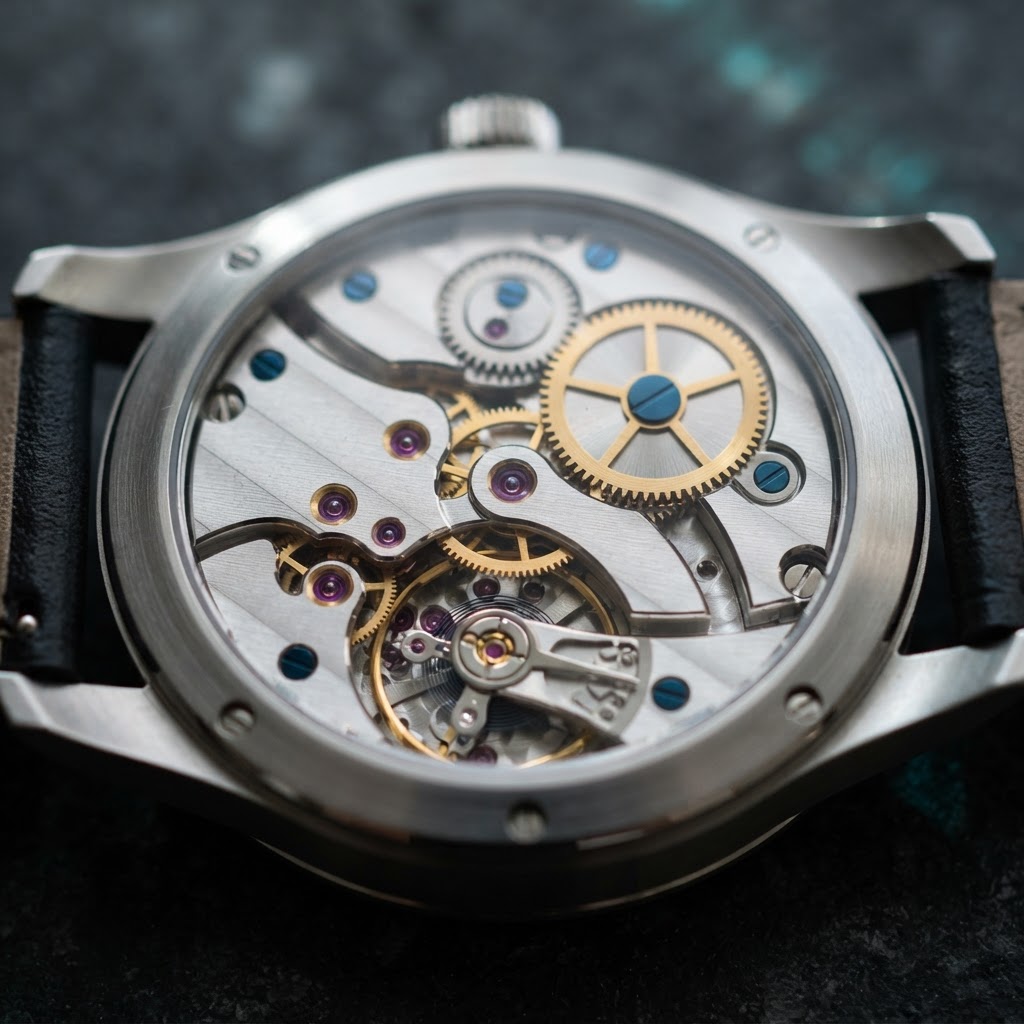
A strong watch wardrobe usually begins with three archetypes: a daily watch, a sport watch, and a dress-leaning piece. These categories are not rigid, but they create a framework that keeps a collection intentional rather than random.
The daily watch should be the piece you can wear without thinking. Seiko has long excelled here. A well-chosen Seiko 5 Sports or an Alpinist can bridge casual and smart-casual settings with almost unfair competence. Citizen deserves equal praise, especially with modern titanium references and Eco-Drive models that remove much of the maintenance anxiety for new enthusiasts. A daily watch should be resilient, legible, and comfortable enough to disappear until someone notices it.
The sport watch is where many collectors indulge their fascination with engineering and utility. This may be a diver, a GMT, or a field watch with more pronounced character. Formex has become especially compelling in this space, blending technical case construction and excellent finishing in a way that feels contemporary rather than derivative. A GMT from a thoughtful independent or microbrand can also be an ideal style anchor if travel is part of your life. The trick is choosing one with enough versatility that it still works away from the airport.
Then there is the dress watch, which need not mean fragile or overly formal. A clean sector dial from Baltic, a hand-wound model from NEUTRA, or an elegantly textured piece from Venezianico can bring refinement without stiffness. The best modern dress watches are less about black-tie obligation and more about visual restraint: thinner bezels, considered typography, a more graceful profile.
Personality matters more than categories
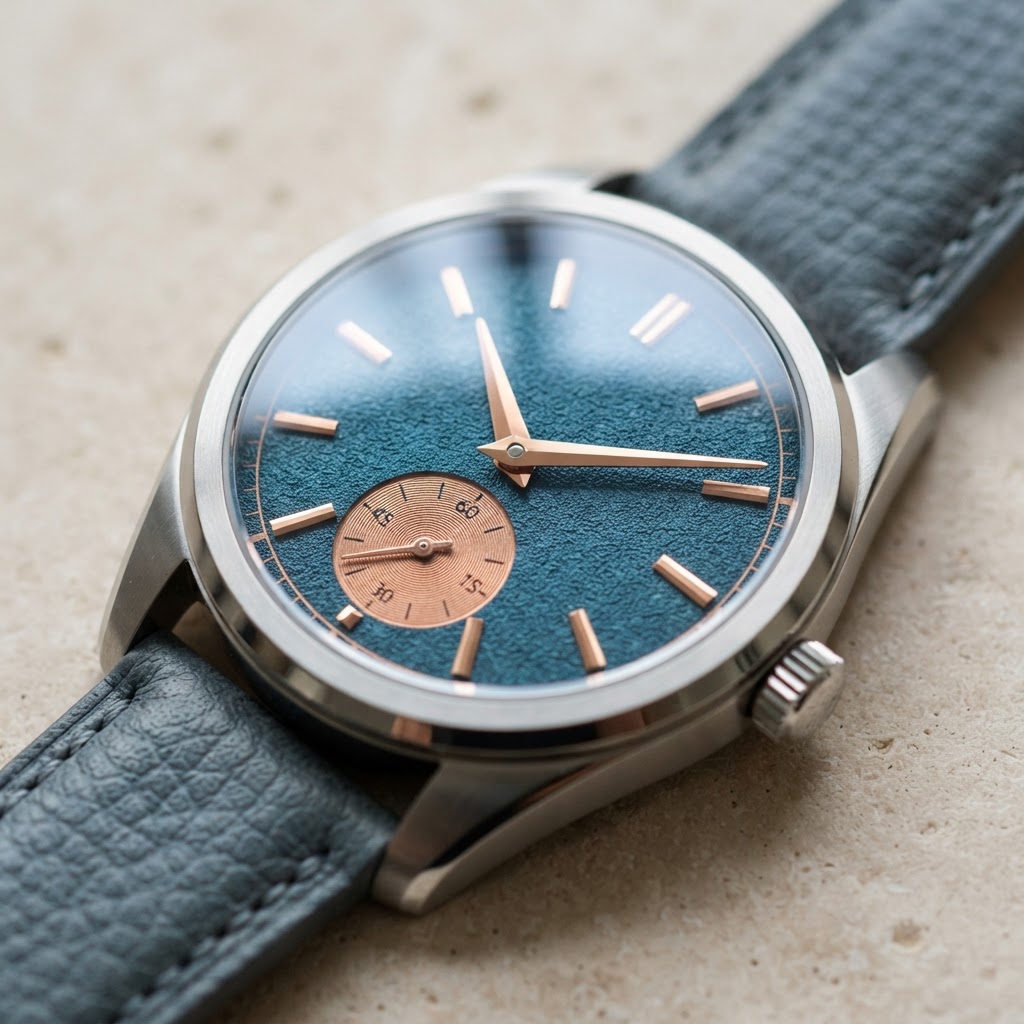
Collectors eventually learn that style cannot be reduced to boxes. Two people may own a diver, a field watch, and a dress watch, yet one wardrobe feels deeply personal while the other feels assembled from internet consensus. The difference is point of view.
This is where microbrands often shine. A brand like Mitch Mason might bring a slightly different design language, a playful use of color, or a more intimate connection between maker and collector. These watches may not carry the inherited prestige of larger Swiss or Japanese names, but they often carry clarity of intention. And intention is stylish.
The same is true of movement choices. A hand-wound watch creates a different ritual than an automatic. A meca-quartz chronograph wears its practicality honestly. A dependable Miyota 9000-series caliber or Seiko NH movement may not inspire the same romance as a haute horlogerie mechanism, but in a style-led collection, reliability and thinness can matter just as much as pedigree. Substance is not always found in price; often it is found in how thoughtfully a watch is made and how confidently it fulfills its role.
Straps are part of the wardrobe too
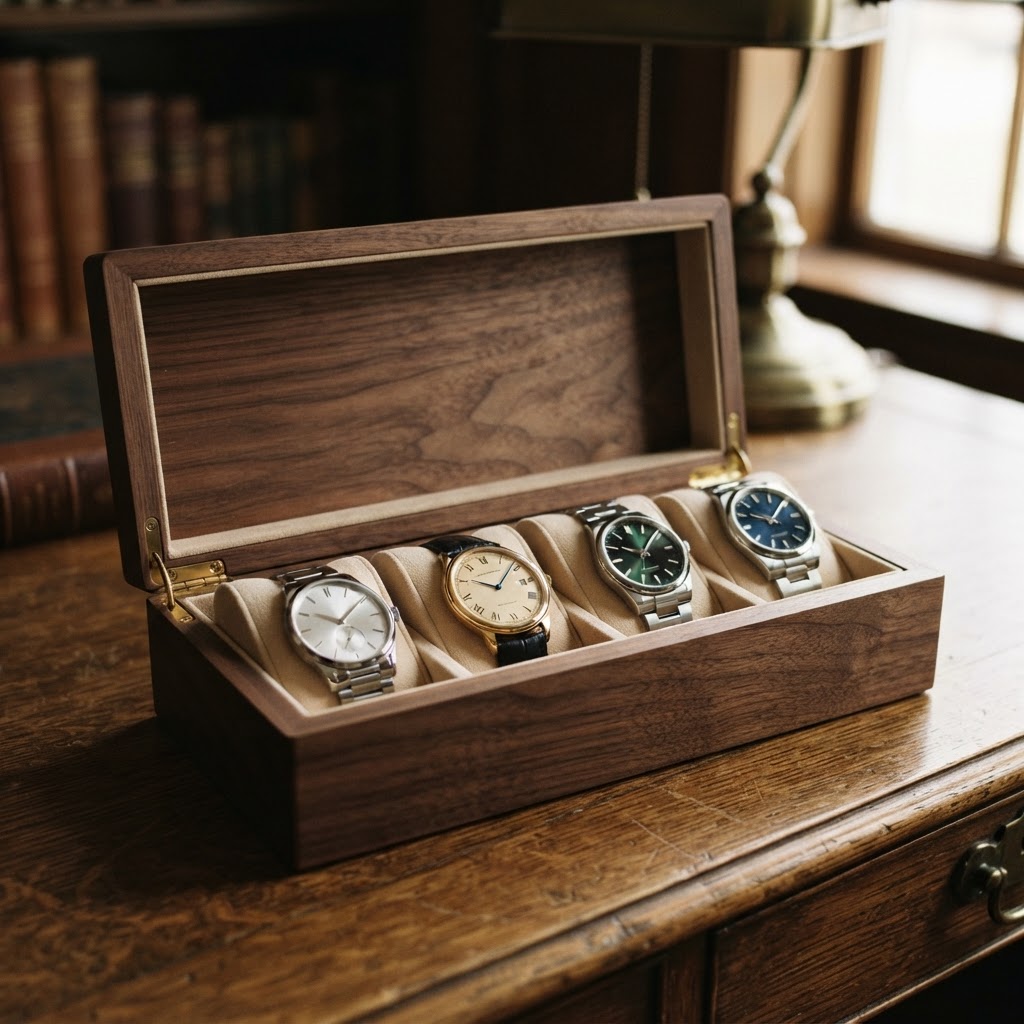
One of the most overlooked truths in watch style is that the strap is not an accessory to the watch. It is part of the watch’s identity. The same case and dial can shift dramatically on steel, suede, shell cordovan, or woven fabric.
A collector with a modest three-watch rotation but a well-chosen strap selection often looks more sophisticated than someone with a dozen watches worn only on stock bracelets. A Seiko diver on a supple rubber strap feels ready for summer. That same watch on a brushed bracelet can feel urban and architectural. A cream-dial Baltic on taupe suede can become almost impossibly elegant for autumn.
This is one of the smartest ways to build style without buying another watch. Learn which textures complement your clothing. Consider seasonal changes. Pay attention to taper, hardware finish, and the visual weight of the strap against the case. Small decisions produce the kind of coherence seasoned collectors notice immediately.
The most stylish collections reflect real life
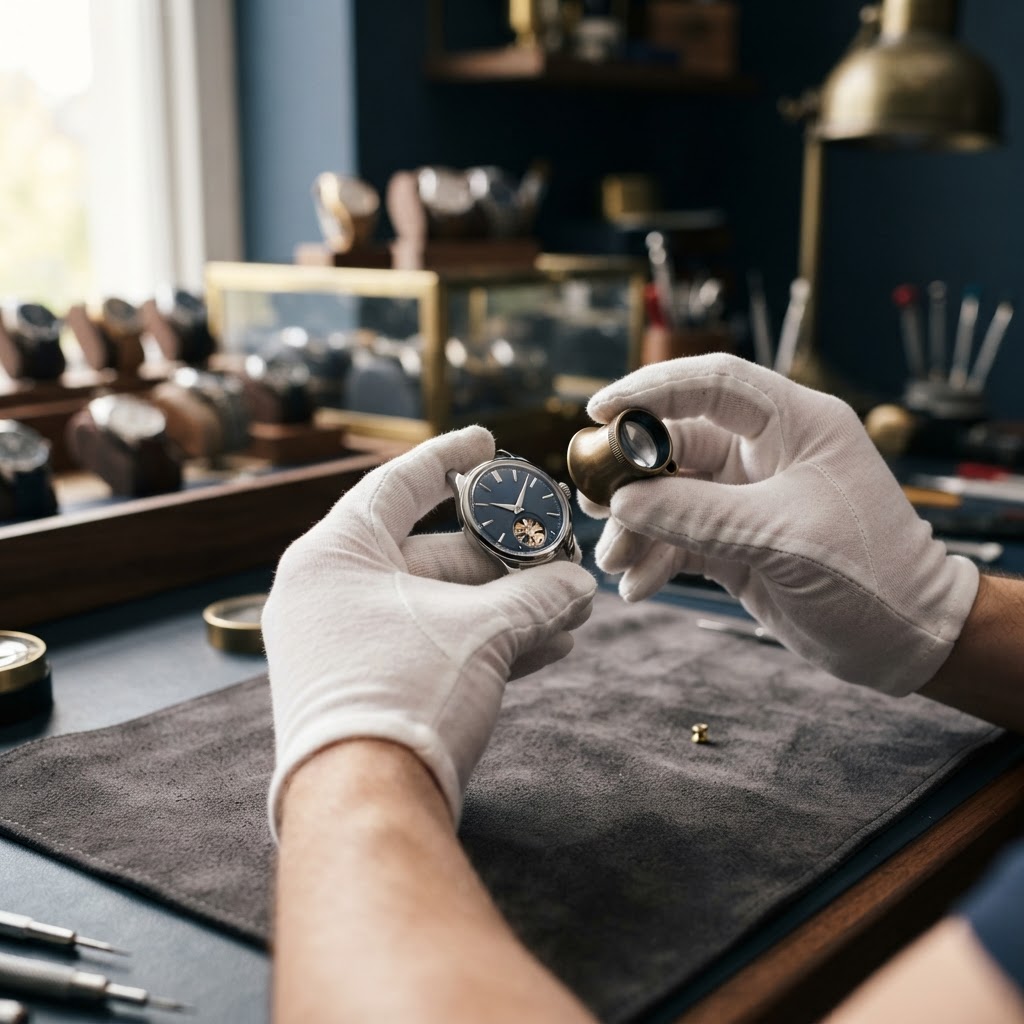
Perhaps the best collector wisdom is this: build around your actual life, not your aspirational one. If you attend one wedding a year but spend every weekend outdoors, your wardrobe probably deserves a tougher field watch before it needs a formal moonphase. If you work in a suit, then a slimmer, more refined piece may earn more wrist time than a chunky diver, however beloved divers may be online.
This practical honesty often leads to better style because it strips away performance. A watch wardrobe should support your life, not cosplay someone else’s. Over time, the pieces that remain are the ones that combine visual pleasure with lived usefulness.
That is also why there is real beauty in restraint. A rotation of four or five excellent watches, each chosen for a reason, often feels richer than a larger collection full of overlap. You begin to understand not just what you like, but why you like it: the warmth of a champagne dial, the confidence of a no-date layout, the comfort of 100 meters of water resistance paired with a slim case.
In the end, style in watch collecting is not about signaling expertise. It is about developing taste through wear, attention, and experience. It is about knowing that a Hamilton can feel as right as a more expensive Swiss piece, that a Farer can bring joy through color alone, that a well-made microbrand can sit proudly beside established names when chosen with conviction.
Build your watch wardrobe patiently. Let each addition answer a genuine need or deepen a personal fascination. When a collection starts to feel like a reflection of your days, your clothes, and your instincts, you are no longer just buying watches. You are curating a life in time, the sort of pursuit that becomes even more rewarding when shared with fellow enthusiasts who understand exactly why one well-chosen watch can change the way an entire outfit feels.