A collection should dress the life you actually live
For many enthusiasts, the first stage of collecting is driven by attraction. A blue dial catches the light just right, a vintage-inspired diver stirs something emotional, or a hand-wound field watch feels like a direct line to military history. That instinct is part of the romance of horology. But style, especially personal style, begins when a collection starts to make sense as a whole.
A watch wardrobe is not the same thing as a large watch box. It is a considered rotation of pieces that meet different moments with confidence: work, travel, weekends, formal occasions, and the quiet in-between hours when the right watch simply feels like an extension of the wrist. The best wardrobes are built with restraint, not excess. They are edited.
That is why some of the most stylish collectors do not necessarily own the most watches. They own watches that speak to one another.
Start with rhythm, not categories
Collectors often begin by asking what categories they “need”: a diver, a dress watch, a field watch, a GMT, perhaps a chronograph. There is nothing wrong with those buckets, but style is better served by a different question: how do you actually move through your week?
If your days involve a blazer, knitwear, and business-casual tailoring, a compact everyday watch with polished details may do more work than a hulking 300-meter diver. If you travel often, a GMT becomes less of a complication and more of a companion. If weekends mean denim, boots, and time outdoors, a Hamilton Khaki Field Mechanical or Seiko Alpinist may suit your life better than a fragile dress piece.
This shift matters because good style is never theoretical. It is lived. A well-built watch wardrobe mirrors the cadence of your life, not an internet checklist.
The everyday anchor matters most
Every strong wardrobe has an anchor watch: the piece that can absorb the largest share of wrist time without feeling dull. It should be versatile, comfortable, and visually balanced. This is where proportion becomes more important than prestige.
A 38 to 40mm case often hits the sweet spot for many wrists, especially when the watch needs to move between a T-shirt and a sport coat. Think of the Formex Essence 39, which blends sharp finishing, everyday wearability, and excellent ergonomics. A Citizen Series 8 offers a similarly modern proposition, while a Farer Three-Hand can bring color and personality without becoming too loud.
This is also where movement choices become part of the style conversation. Reliable calibers like the Sellita SW200, ETA 2824 family, or Miyota 9039 may not inspire dinner-party poetry, but they help create watches that are slim enough, sturdy enough, and practical enough to wear often. And that, ultimately, is stylish: a watch you trust enough to forget about.
Dress watches are about restraint, not fragility
Many newer collectors misunderstand the dress watch. They imagine something formal to the point of uselessness: thin, precious, and rarely worn. In reality, the modern dress watch can be one of the most expressive elements in a watch wardrobe.
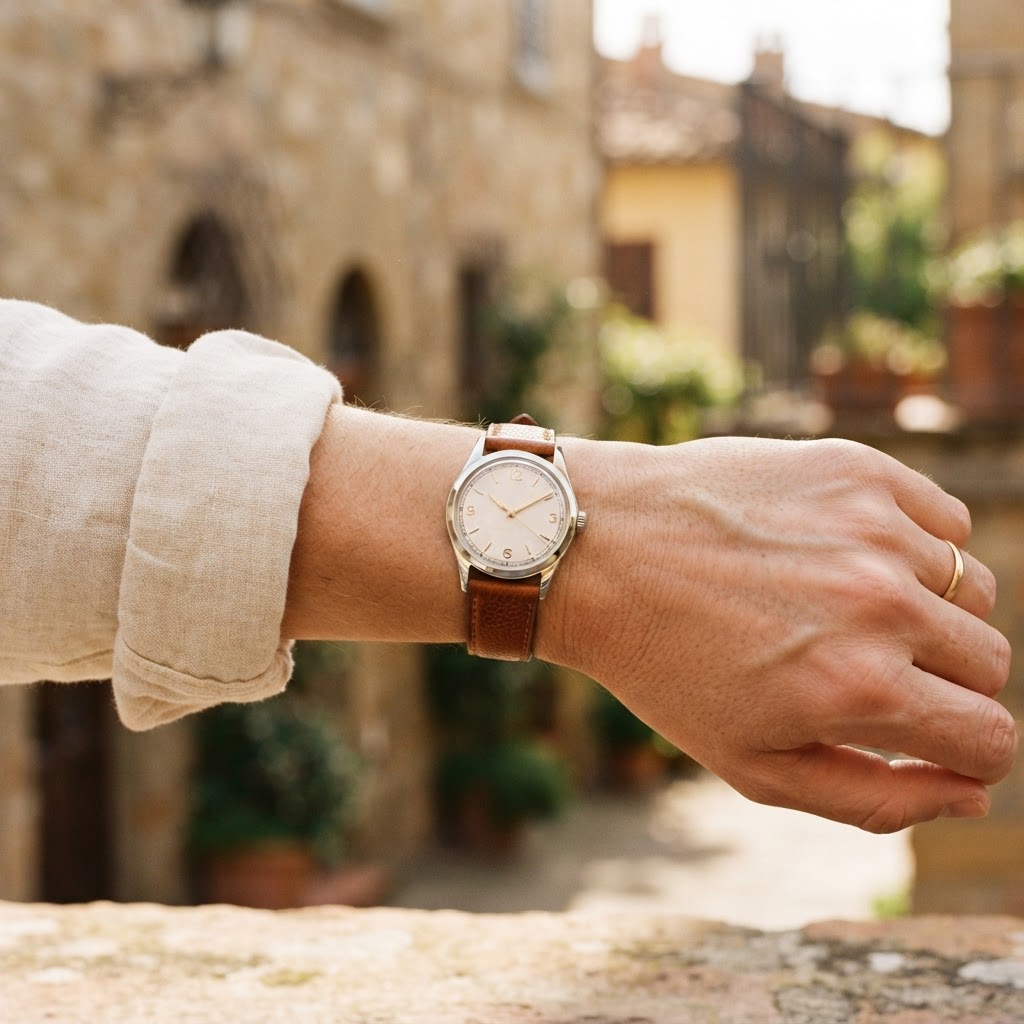
The trick is not to think in black-tie terms alone. Think texture, proportion, and quiet detail. A Baltic MR01, with its compact dimensions and graceful dial architecture, has more versatility than its classical inspiration might suggest. A hand-wound piece with a slim case and a good leather strap can elevate even simple clothing: an Oxford shirt, tailored trousers, loafers, a cashmere sweater.
Here, smaller sizes often feel more assured. A watch does not need to dominate the cuff to have presence. In fact, the collector who understands when to wear a more discreet watch often projects more confidence than the one reaching automatically for the biggest case in the box.
Straps matter enormously in this category. Shell cordovan, suede, grained calfskin, even a dark nubuck can transform the mood of a watch. Style lives in these details.
Sport watches need just as much refinement
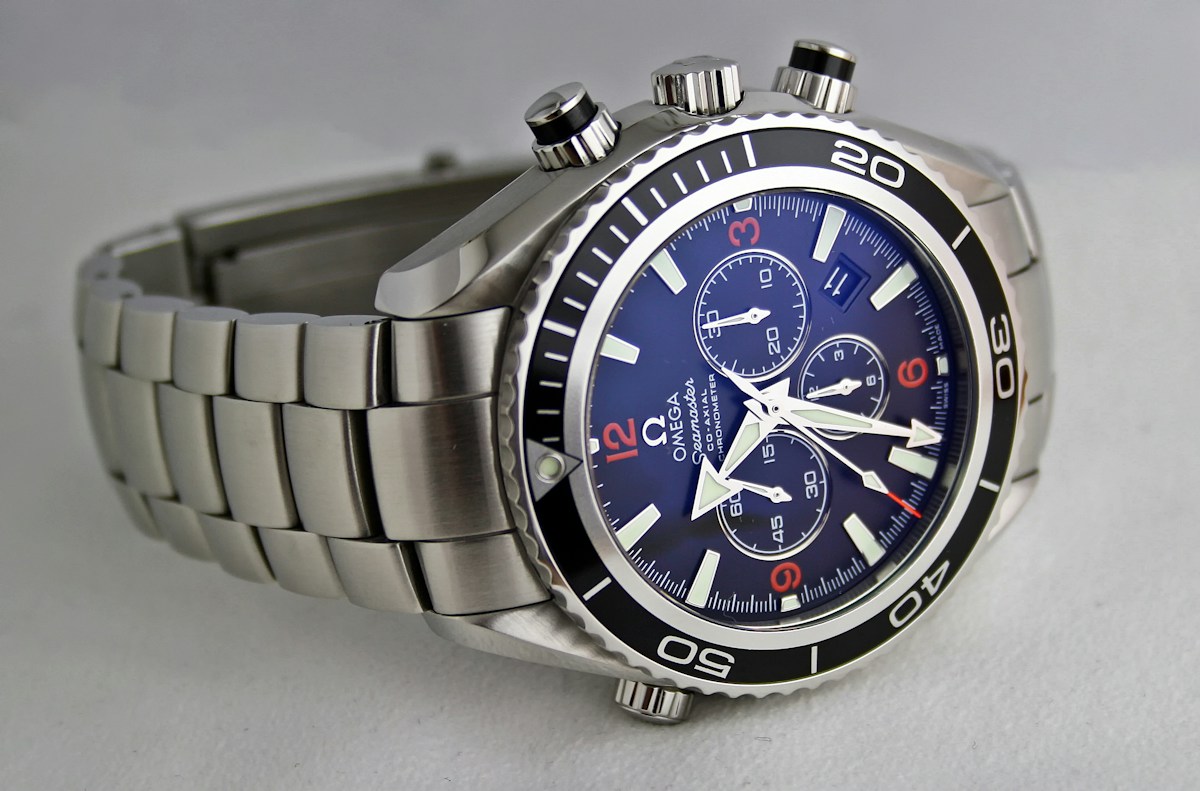
The sport watch is where many collections begin, and understandably so. Divers, field watches, and integrated-bracelet pieces bring utility, toughness, and visual energy. But the most stylish sport watches are not simply rugged; they are edited.
Consider the enduring appeal of the Seiko SPB143. It is a diver, yes, but its success comes from balance: muted color, sensible proportions, strong legibility, and a design language that does not beg for attention. The same principle explains the popularity of the Baltic Aquascaphe. It has vintage character, but enough discipline to avoid costume.
Microbrands often excel here because they understand modern enthusiast tastes. Mitch Mason has built a following by producing purposeful, cleanly designed tool watches that feel considered rather than derivative. NEUTRA brings an architect’s eye to vintage references, while Venezianico has become increasingly adept at mixing Italian flair with wearability.
A stylish sport watch should still work with a sweater, chore jacket, or oxford cloth shirt. If it only looks right in explicitly casual settings, it may be less versatile than it first appears.
Color and complications should serve personality
One of the pleasures of collecting is discovering where your own taste becomes visible. For some collectors, that arrives through complications. A Baltic Bicompax chronograph, a flyer-style GMT, or a power reserve display can become a signature. For others, it is color: a warm salmon dial, a restrained forest green, an icy silver sunburst, a rich gilt accent.
The key is intentionality. A wardrobe does not need five safe watches in nearly identical shades of blue any more than it needs one bright watch that never leaves the box. A colorful Farer, a playful Citizen, or a thoughtfully executed microbrand piece can provide contrast and character if the rest of the collection is grounded.
This is where collector wisdom becomes valuable: buy the “personality watch” only after you understand your foundations. The bold piece sings louder when the basics are already handled.
Taste is built slowly
The most elegant watch wardrobes are rarely assembled in a rush. They develop through trial, error, and honest self-observation. Which watches do you keep reaching for? Which looked brilliant online but feel awkward on the wrist? Which pieces still excite you after six months, not six days?
It is worth paying attention to the non-obvious lessons. Bracelet comfort may matter more than dial complexity. Lug-to-lug length may affect wearability more than case diameter. A well-regulated Miyota or Sellita can bring more satisfaction than a more prestigious movement hidden inside a watch you do not enjoy wearing.
There is also wisdom in leaving gaps. You do not need to “complete” a collection. In style, breathing room is part of the composition. A wardrobe with intention always feels richer than one built for speed.
The best collections feel personal on the wrist
In the end, style in watch collecting is not about following the market toward the next hot release. It is about learning what suits your life, your eye, and your sense of proportion. A good watch wardrobe has variety, but also coherence. It can move from a Hamilton field watch to a refined Baltic, from a Seiko diver to a clean Formex, without feeling scattered.
That kind of cohesion is one of collecting’s quiet pleasures. Over time, the watches begin to tell a story not just about horology, but about how you inhabit the world. And when that story is shared with fellow enthusiasts who notice the details, the hobby becomes richer still — the sort of conversation that always feels at home among people who understand why one watch can change the tone of an entire day.