

The watch on your wrist is a story you choose to tell
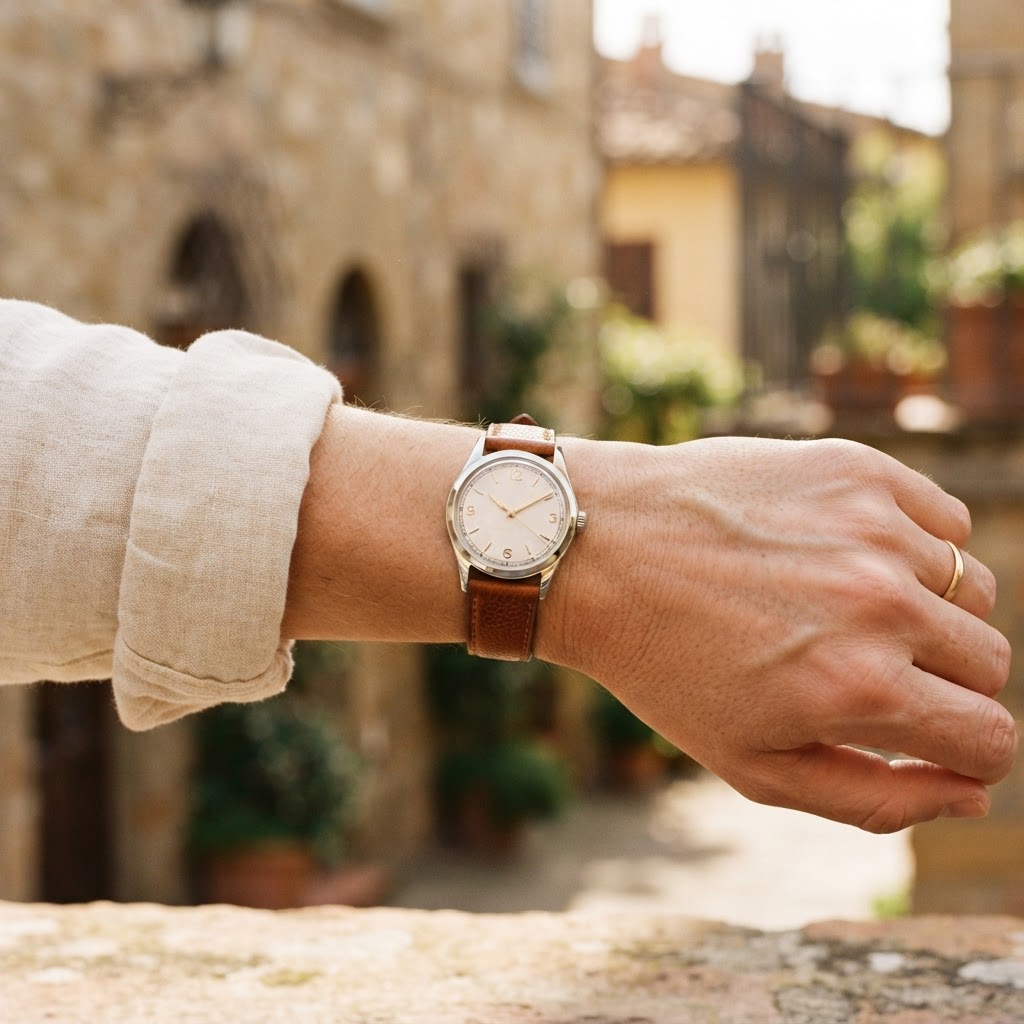
We don’t really wear watches because we need the time. Not anymore. We wear them because a small, well-made machine can carry memory, intent, and identity in a way almost nothing else does. The ritual of winding, the glance at a dial you’ve learned like a familiar face, the scuffs that mark a summer well spent, these are cultural cues, not just technical ones. A watch lives at the intersection of object and meaning.
Spend five minutes at a meetup and you’ll hear it: the shared language of lume plots and lug lengths. A Hamilton Khaki Field whispers of utility and the romance of the everyday. A Seiko SKX, even retired, still hums with the kinetic energy of first-time divers and first-time collectors. A Citizen Promaster holds a blueprint of rugged, democratic design, technology that shows up, rain or shine. Each speaks to a tribe within the broader culture of watch enthusiasm.
The code on our wrists
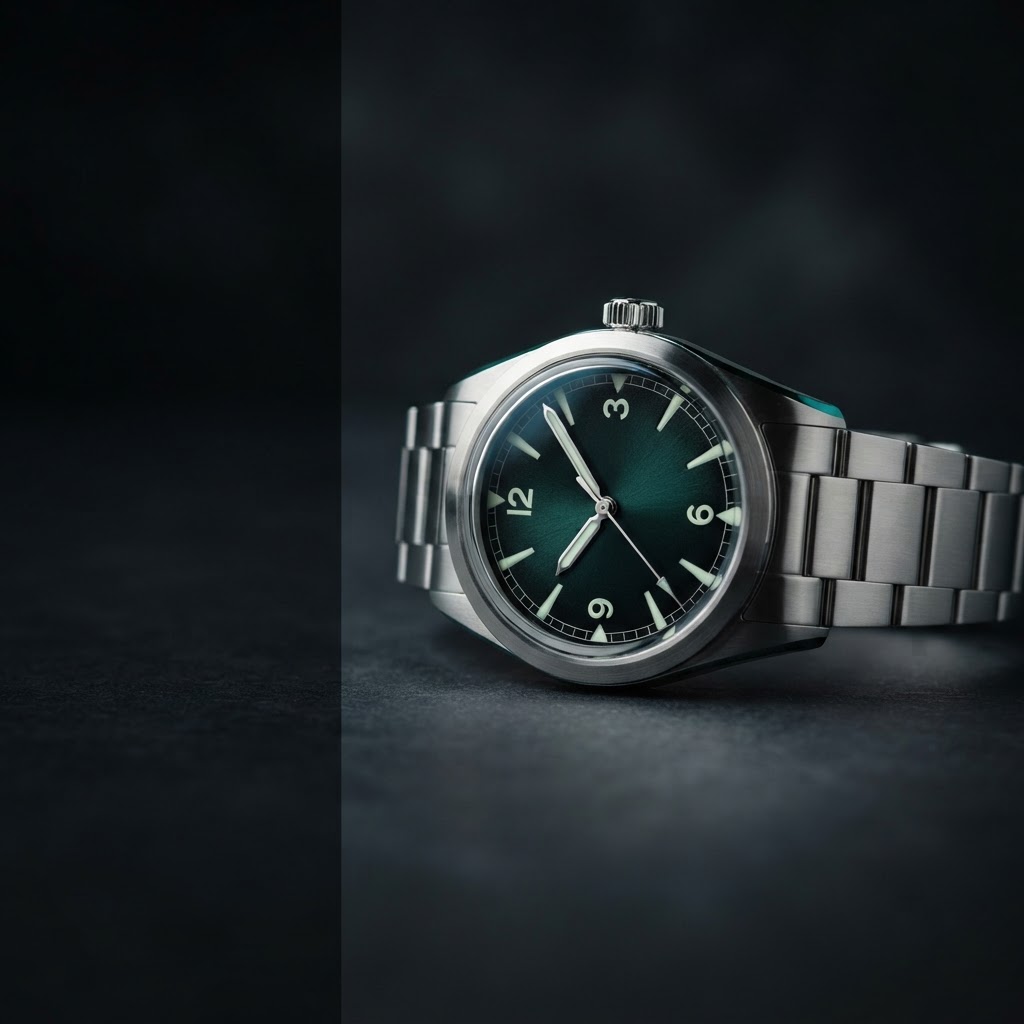
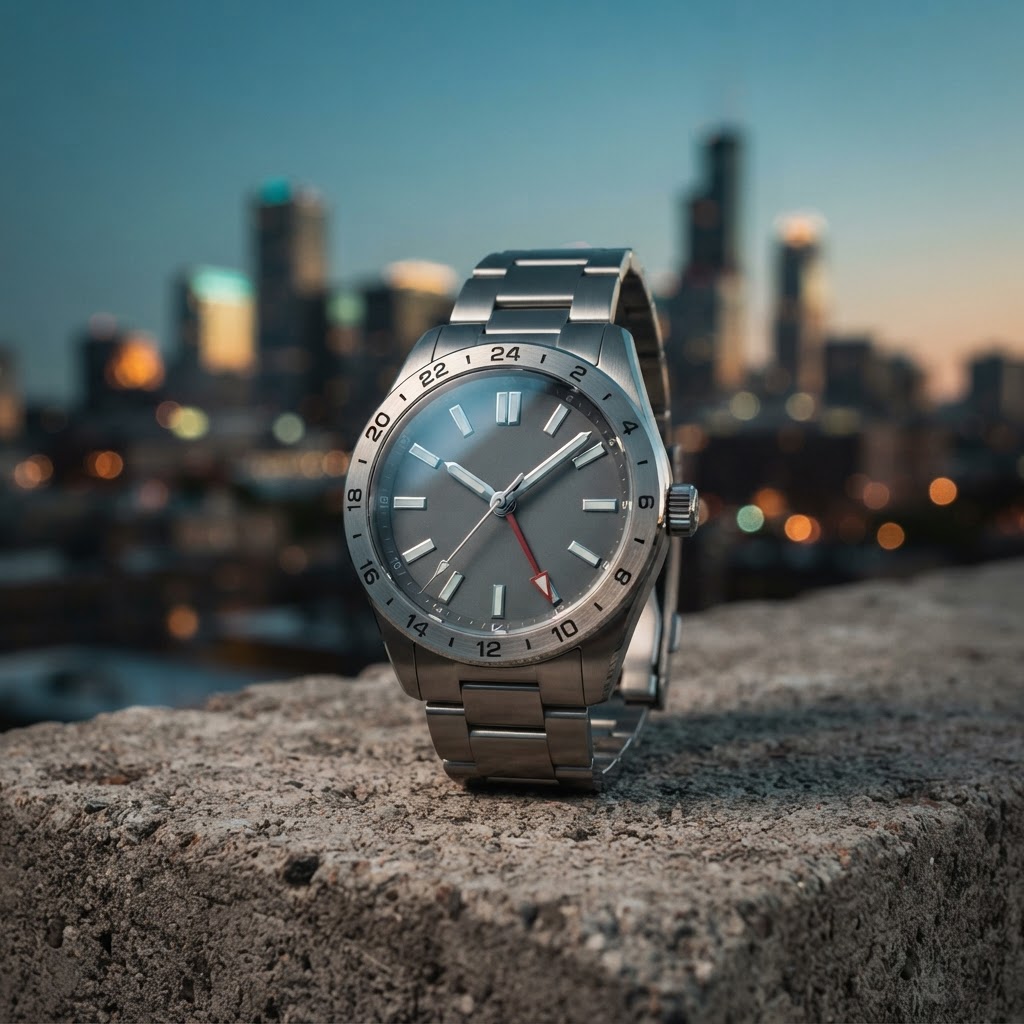
Watches are social shorthand. A patinated bezel on a travel-worn GMT says you’ve been places. A crisp dress watch under a cuff suggests reverence for craft and restraint. The choice of bracelet, strap, and even clasp becomes part of the code. Try a bead-of-rice bracelet on a compact diver like the Baltic Aquascaphe and you’ll feel the vocabulary shift from utilitarian to cosmopolitan. Swap to FKM rubber on a Farer compressor-style piece and it becomes weekend-ready.
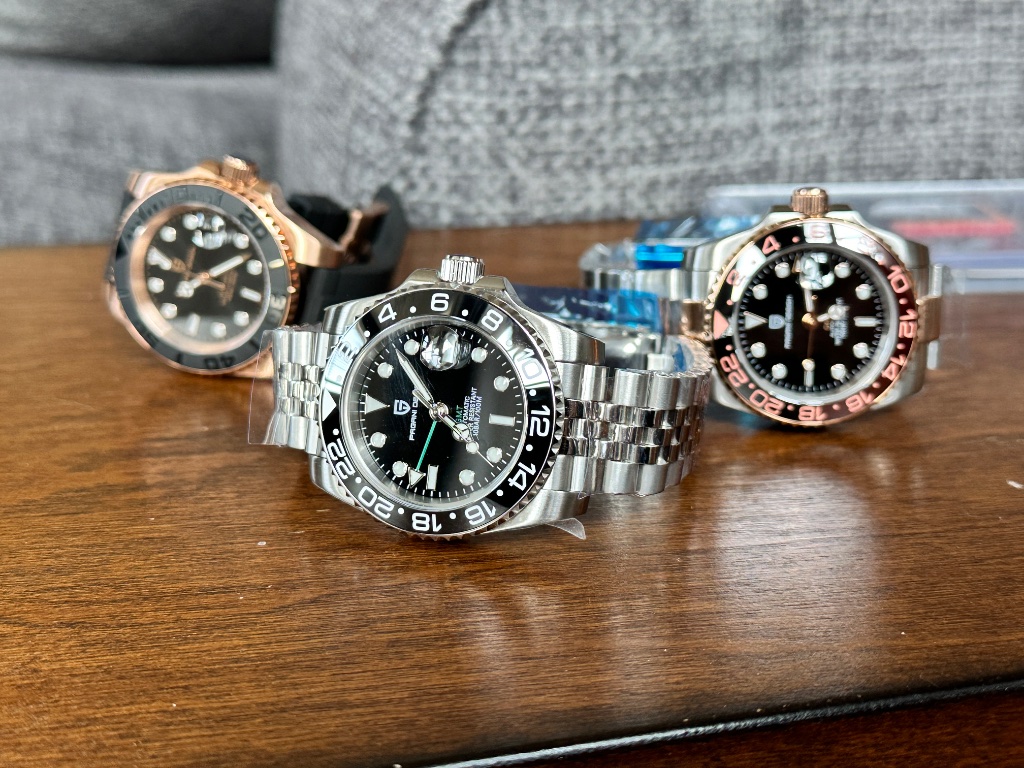
This code isn’t about price; it’s about fluency. A seasoned aficionado reads a Formex clasp and sees engineering devotion. A Venezianico Nereide carries the breeze of Trieste and a dose of Italianate bravado. Mitch Mason’s field-forward designs reframe mid-century practicality for modern wrists. NEUTRA’s clean, architectural lines say West Coast minimalism with a mechanical heartbeat. The beauty of our era is that microbrands, alongside stalwarts like Seiko and Citizen, are expanding the dictionary in real time.
Provenance, place, and the microbrand renaissance
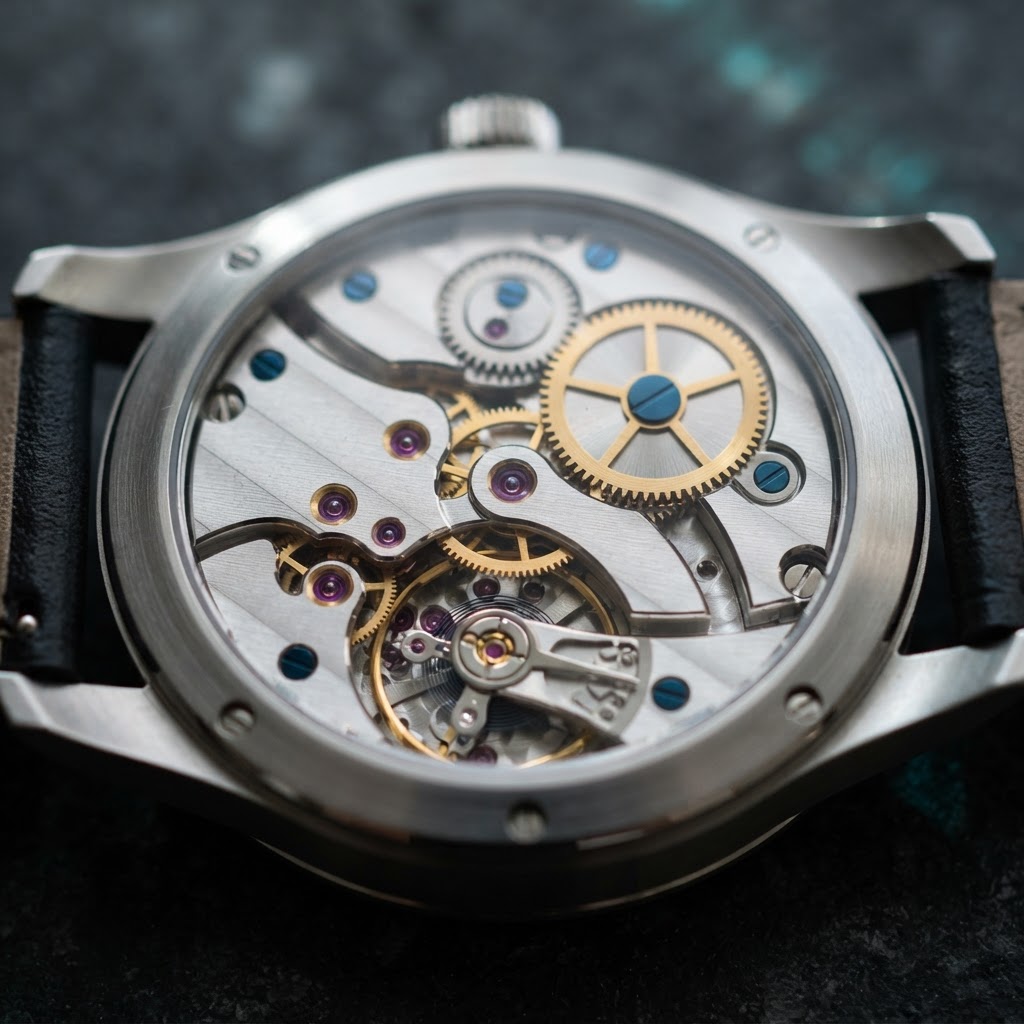
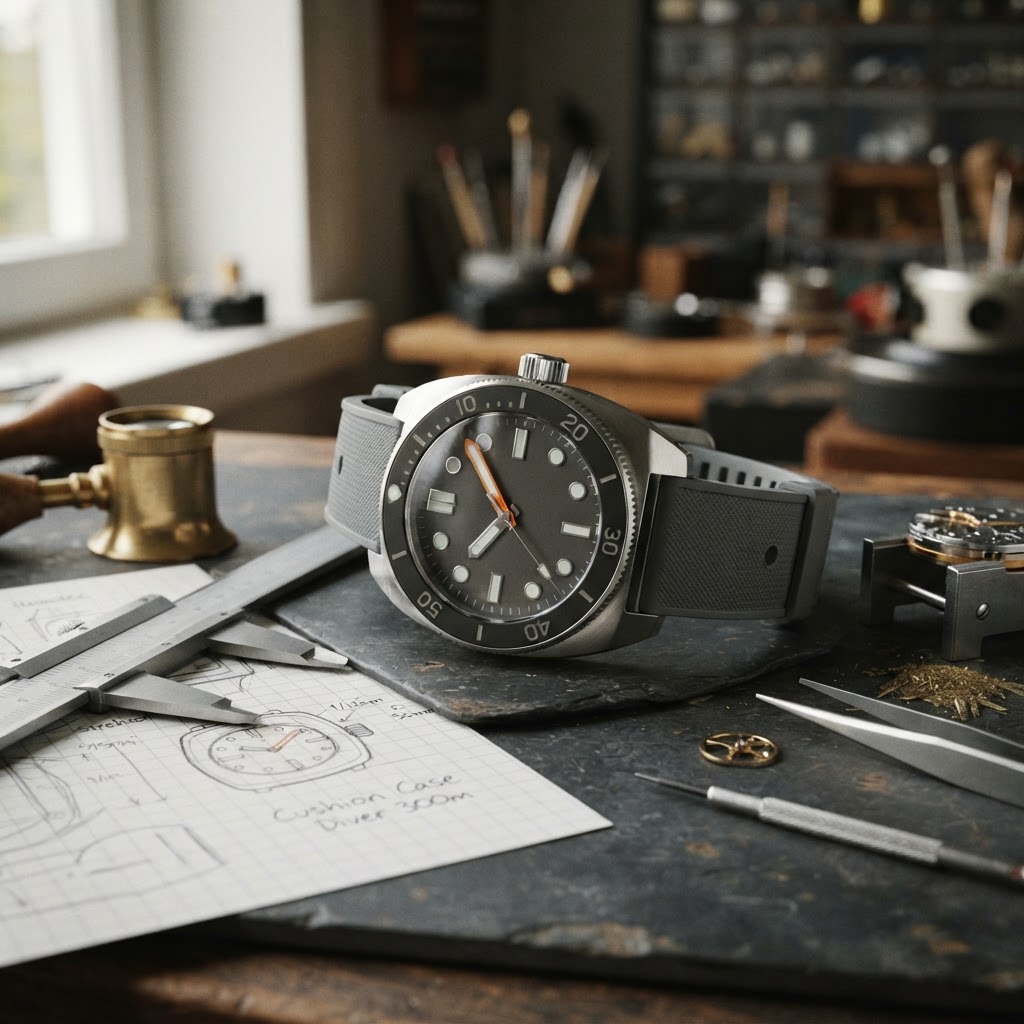
We are living in a golden age of small-batch watchmaking. Microbrands have made transparency and narrative central to their appeal: where the case is machined, how the crystal is cut, which movement drives the hands. Baltic’s Parisian lens on mid-century sport watches, Farer’s joyful color and British eccentricity, and Formex’s Swiss tech-first ethos show how place and personality become part of the proposition.
This renaissance is also pragmatic. Movements like the Miyota 9039, Sellita SW200-1, and Seiko’s NH35 and 6R families have democratized reliable mechanics. You can buy a watch that is serviceable, robust, and thoughtfully designed without remortgaging your ambitions. That accessibility doesn’t dilute culture; it deepens it. More stories enter the room. More wrists join the conversation.
Provenance still matters. The Omega Speedmaster carries the gravity of Apollo; a Cartier Tank the imprint of early modernism. But provenance is not only about brand mythology, it’s your own. The Hamilton you bought with your first paycheck. The Baltic that came on a trip to Lisbon. Culture is made from the collision of personal narrative and broader history.
Movements and meaning
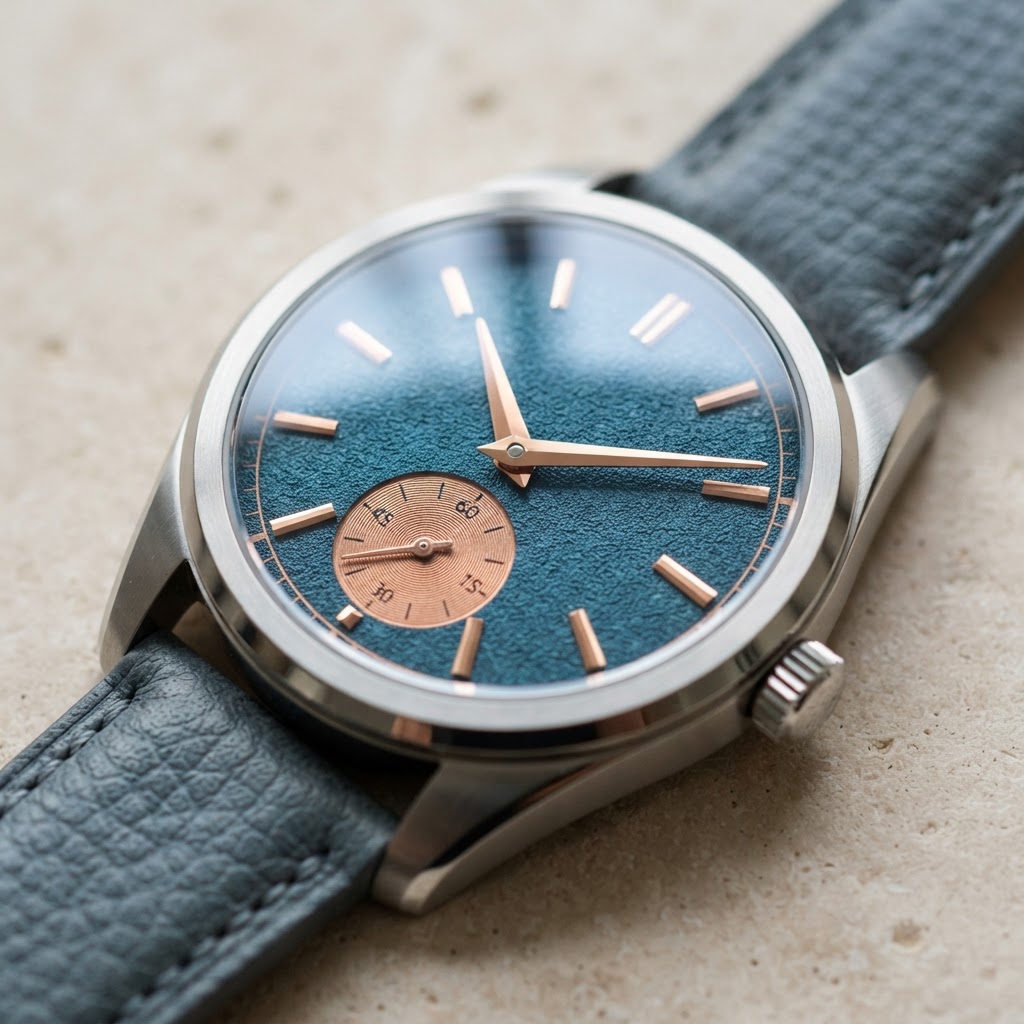
Specs are important, but feel is what endures. The buttery engagement of an SW200-1 crown, the smooth sweep of a Grand Seiko Spring Drive, the slight wobble of a unidirectional bezel as it settles, these tactile signatures become part of your mental map.
It helps to be movement-literate without being spec-obsessed. An ETA 2824-2 or Sellita SW200-1 is a known quantity: easy to regulate, widely serviceable, parts available. The Miyota 9039 is slim, reliable, and keeps case profiles honest. Seiko’s 6R calibers bring in-house credibility and a distinct cadence. Quartz need not be a dirty word; a well-made Citizen Eco-Drive offers a maintenance-light pathway to robust daily wear, with the ecological nicety of light-powered convenience.
Service is the practical flip side of movement poetry. Mechanical watches are machines. Gaskets age, oils dry, tolerances shift. Budget for maintenance the way car enthusiasts do: not with dread, but with respect. A trusted independent watchmaker is a collector’s best friend, someone who knows your preferences, documents their work, and helps triage when your calendar and your chronograph fall out of sync.
Practical wisdom for the long game
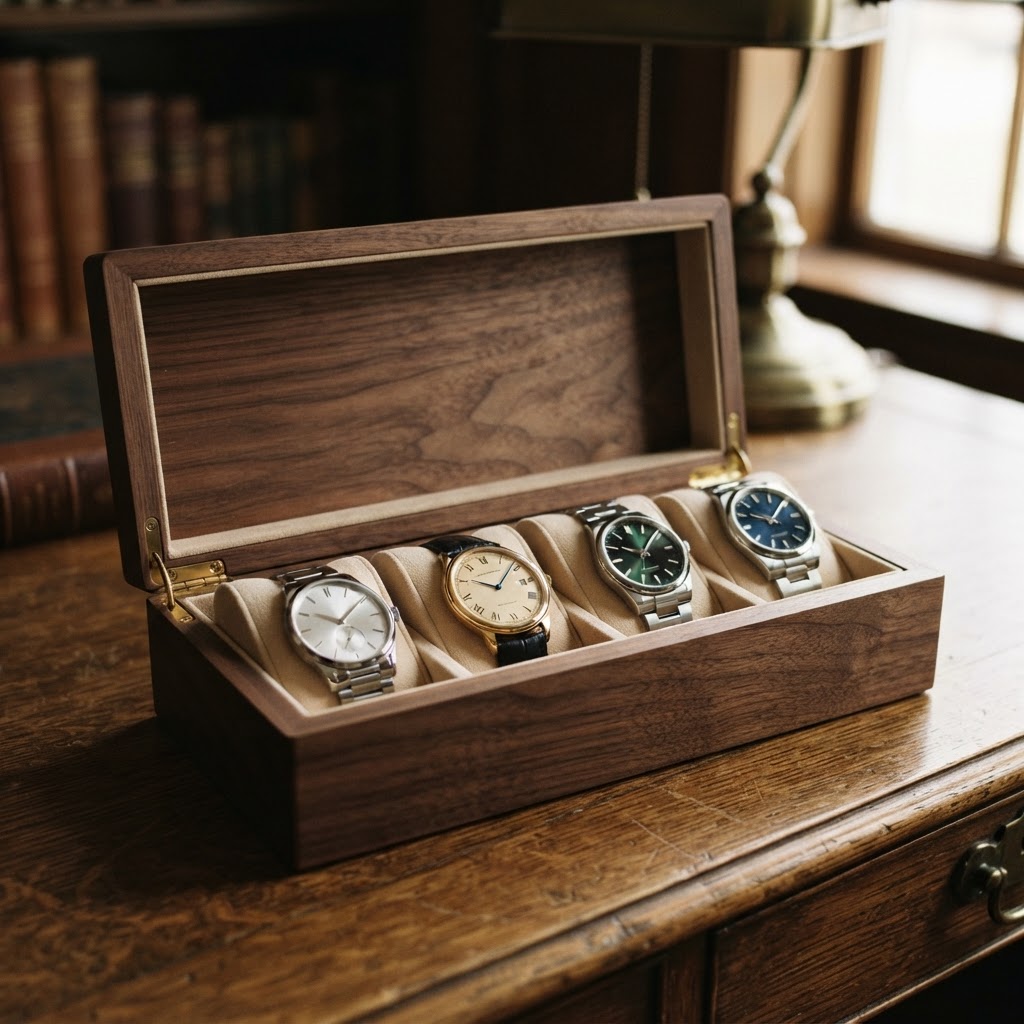
Buy the seller. Condition matters more than box and papers, but paperwork helps when the time comes to pass a watch along. If you’re new, lean on brands with transparent support and dependable parts. When considering size, prioritize lug-to-lug over diameter; a 36 mm field watch with a 44 mm span can wear larger than a 40 mm diver with compact lugs.
Don’t test water resistance on faith. If your watch is going to see a pool, have the seals checked. If it isn’t, there is no shame in a desk-diver’s life. Be careful with polishing; overzealous refinishing erases more than metal, it blurs character.
Straps are cultural accelerants. A gray suede can take a dressy piece into casual territory. A woven Perlon feels like summer. NATOs have a uniformed past; they also make great travel companions. Keep a small kit: spring bar tool, extra bars, a microfiber cloth, and a sliver of Polywatch for acrylic crystals.
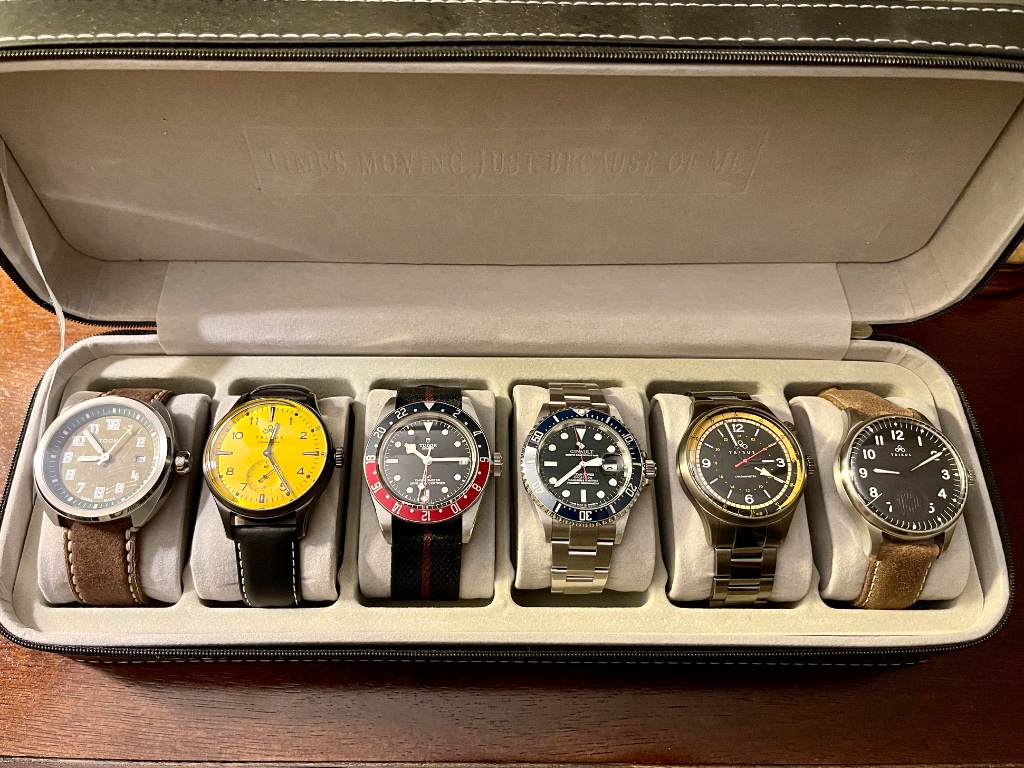
On microbrand preorders and limited drops: fight the fear of missing out. Most good ideas come around again, and the market is big enough to reward patience. Your tastes will evolve; let them. Insurance for higher-value pieces is inexpensive peace of mind. A watch roll invites you to take two or three personalities on the road; a small safe with desiccant keeps them honest at home.
Above all, wear your watches. The point is not preservation but participation. A collection is a living organism, not a museum cabinet.
What makes a keeper
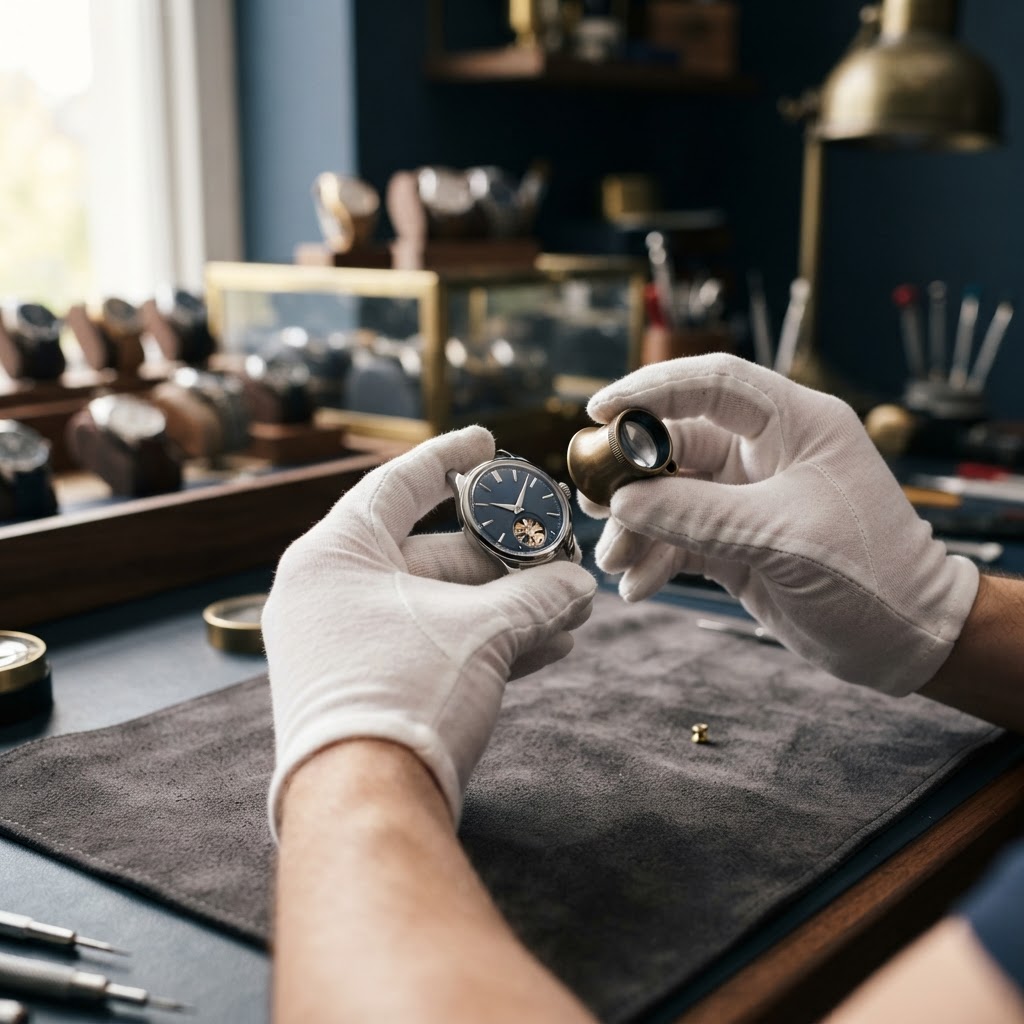
A keeper earns its place by showing up across chapters. It might be humble: a Seiko diver that absorbs sand and brine, or a Hamilton field that looks right with everything. It might be idiosyncratic: a Formex with a clasp you can’t quit fiddling with, a Farer whose color makes gray mornings feel brighter. Sometimes a watch becomes a keeper not because it is perfect, but because you learned something important while wearing it.
Letting go can be as cultural as keeping. Selling a watch clears space for curiosity. Trading at a meetup binds you to the community with a handshake and a story. The best collections are coherent not because they follow a rule, but because they reflect a life lived attentively.
If there is a single rule, it’s this: align the story a watch tells with the story you want to live. The rest, spec sheets, secondary values, dial text, will fall into place.
And if you want a place to try all of this on for size, literally and figuratively, you already know where to look. Around our tables, the conversation is never just about time; it’s about how we spend it. In that sense, every wrist at The Keeper Box is part of the culture we’re building together.