There are few categories in horology as enduring, or as emotionally resonant, as the tool watch. Long before watches became shorthand for taste, status, or connoisseurship, many of them were exactly what the name suggests: tools built for work. They were designed to be read quickly, trusted under pressure, and repaired when the mission, dive, flight, or expedition was over. That original sense of purpose still explains a great deal about why collectors gravitate toward them today.
For beginners, the appeal can seem obvious: tool watches are usually legible, robust, and easy to wear. For seasoned enthusiasts, the attraction often runs deeper. A good tool watch tells a story about the era that produced it—about industrial design, military necessity, evolving materials, and the changing relationship between humans and machines. In many ways, the history of the tool watch is the history of the modern wristwatch itself.
From trench necessity to everyday companion
The wristwatch did not become mainstream because it was fashionable. It became indispensable because it was practical. In the late 19th and early 20th centuries, pocket watches still dominated, but military use helped shift the balance. Officers needed to coordinate movements quickly, and a watch strapped to the wrist was simply more efficient than one tucked into a waistcoat.
By the First World War, so-called trench watches established many of the visual cues we still associate with utilitarian design: luminous numerals, bold hands, protective cases, and wire lugs built for straps. These watches were not luxurious objects in the contemporary sense. They were instruments for timing maneuvers under unimaginable conditions.
That basic premise—clarity first, ornament second—would shape nearly every major tool-watch category that followed. It is one reason a modern Hamilton Khaki Field still feels so intuitively right. Its roots are not invented by marketing; they are grounded in the long lineage of military timekeeping.
The rise of specialization
As the 20th century advanced, the wristwatch evolved from general-purpose companion into a family of specialized instruments. Distinct professions and pursuits created distinct demands, and watchmakers responded with remarkable ingenuity.
Field watches prioritized durability and legibility. Pilot’s watches grew larger to improve readability in cramped cockpits, often adding oversized crowns for use with gloves. Dive watches introduced rotating bezels, screw-down crowns, and increased water resistance as recreational and professional diving expanded after the Second World War.
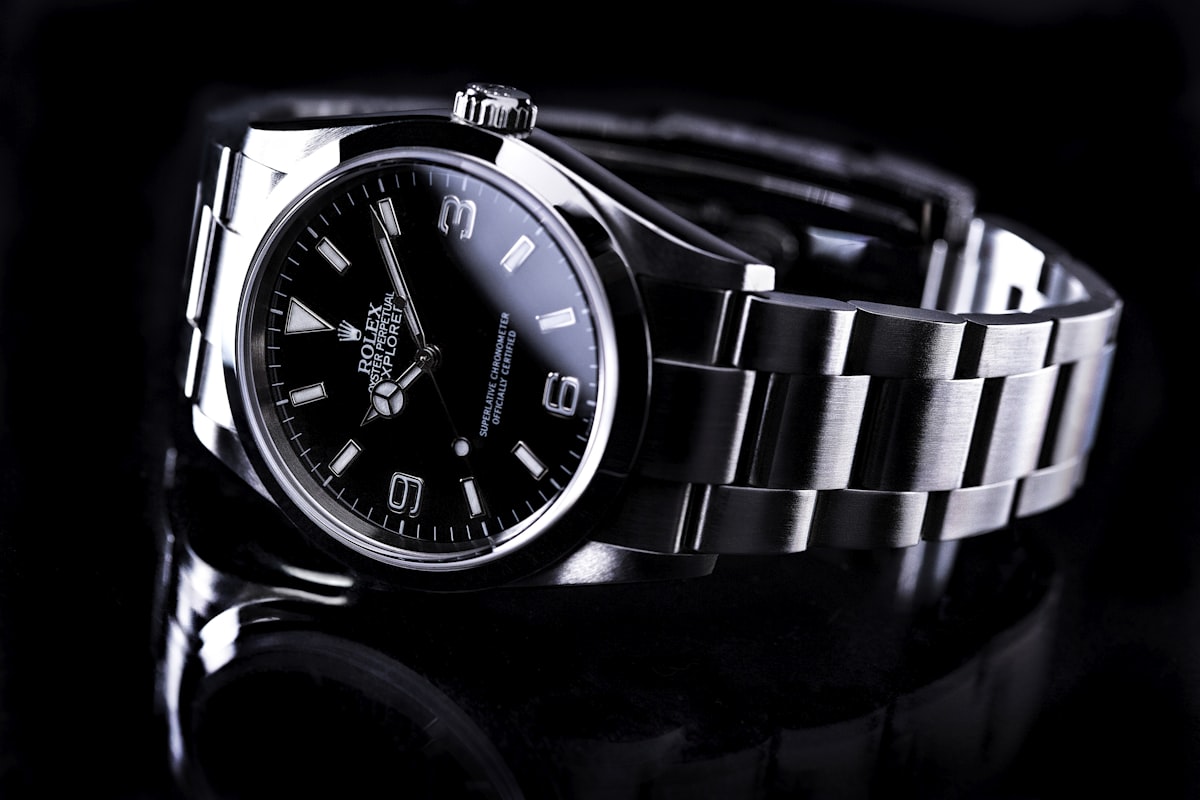
Then came chronographs, GMTs, and alarms—each tied to a practical need. Timing laps, fuel calculations, decompression stops, or multiple time zones was not a romantic abstraction. It was work. The Rolex Submariner, Blancpain Fifty Fathoms, Omega Speedmaster, and GMT-Master became icons precisely because they solved real problems well.
This is an important point for collectors: the best-known tool watches earned their reputations before they earned their mythology. Their designs were refined through use, not mood boards.
Military contracts, civilian imagination
Military procurement had an outsized effect on tool-watch development. Specifications demanded shock resistance, anti-magnetic properties, black dials, high contrast, and easy servicing. In Britain, the so-called Dirty Dozen watches supplied during the Second World War remain fascinating to collectors not because they are flashy, but because they represent standardized utility executed by different makers.
Later, the broad-arrow ethos and the military divers issued to various navies reinforced an idea that still resonates today: a serious watch should be unpretentious and dependable. Even for collectors who will never parachute into combat or navigate by dead reckoning, there is something satisfying about a watch whose form follows function so honestly.
Modern brands continue to draw from this history. Hamilton’s field watches are perhaps the clearest mainstream example, but the spirit also survives among independent and enthusiast-led brands. Mitch Mason, NEUTRA, and Farer, for instance, often interpret vintage functional design through a contemporary lens—clean dials, practical proportions, useful complications, and a genuine appreciation for historical cues without simply copying them.
Dive watches and the democratization of adventure
No tool-watch story is complete without dive watches, which arguably did more than any other category to bridge professional utility and consumer desire. In the 1950s and 1960s, improved water resistance and bezel technology transformed what a wristwatch could do. But dive watches also arrived at the exact moment underwater exploration captured the public imagination.
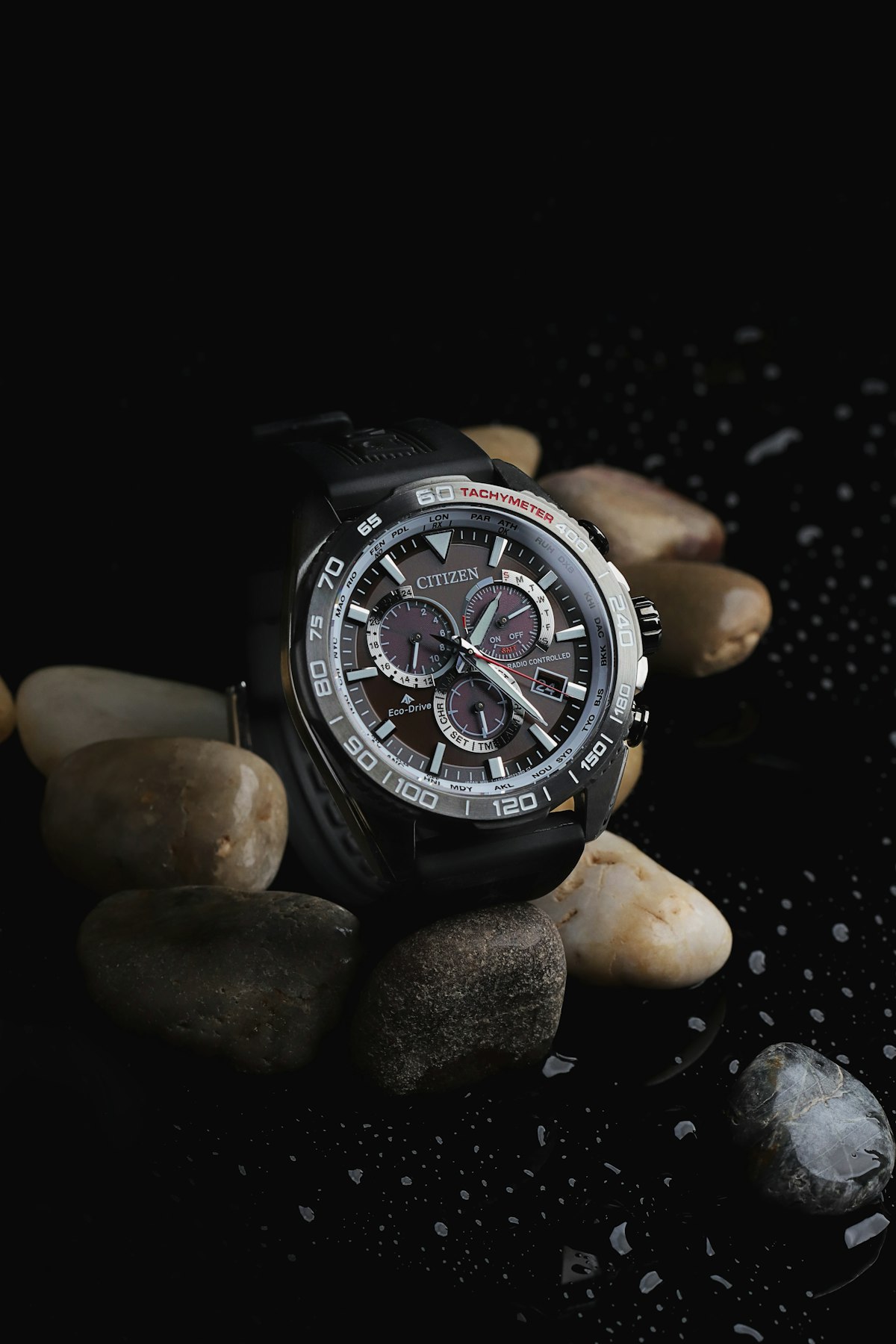
A Submariner or Fifty Fathoms was not just equipment; it was a passport to a more adventurous identity. Even affordable models carried that promise. Seiko, in particular, played a major role in democratizing the category. From the 62MAS to later generations of capable divers, Seiko proved that robust underwater watches did not need to be reserved for elite buyers. Citizen followed a similar path, especially through practical, value-driven professional divers that built loyalty through reliability rather than prestige.
This remains one of the healthiest entry points for new collectors. A good Seiko or Citizen diver offers not just heritage, but a lived sense of what made the genre important in the first place: toughness, clarity, and usefulness. You can feel the design logic on the wrist.
Movements that mattered
Collectors sometimes focus so much on cases and dials that they forget how important movement history is to the tool-watch story. A tool watch needed a caliber that could survive vibration, temperature change, and irregular service intervals. Reliability often mattered more than decoration.
That helps explain the lasting respect for workhorse movements and straightforward engineering. The utilitarian appeal of hand-wound military calibers, robust automatic divers, and serviceable chronograph mechanisms remains strong because they embody an older philosophy of ownership: use it, maintain it, depend on it.
Today, that spirit carries into watches powered by proven Swiss and Japanese engines, whether Sellita, Miyota, or Seiko calibers. Formex has built much of its modern reputation around high-spec practicality paired with excellent finishing. Baltic and Venezianico, though stylistically distinct, both understand that enthusiasts appreciate watches that feel coherent—where the movement, case design, and intended use align naturally.
For the collector, that coherence matters more than spec-sheet theater. A 300-meter rating means little if the watch is uncomfortable, illegible, or poorly regulated. The best tool watches make competence feel effortless.
Why tool watches still matter now
We all carry phones, GPS, dive computers, and digital backups. Strictly speaking, the mechanical tool watch is no longer necessary. Yet that has not diminished its appeal. If anything, it has clarified it.
A tool watch represents focused design in a distracted age. It is an object built to do a small number of things exceptionally well. That restraint feels increasingly rare. It also gives collectors something invaluable: a direct connection to purpose.
This is why vintage-inspired models from brands like Baltic, Farer, or even younger makers in the microbrand space continue to resonate. The appeal is not nostalgia alone. It is the pleasure of wearing a watch whose proportions, dial layout, lume, and bezel all reflect a design language forged by real-world need.
The practical lesson for collectors is simple: buy the watch whose purpose you can understand. Even if you never dive, fly, or serve, a watch with honest design tends to age well in a collection. It is easier to love over time because its choices make sense.
Collecting with purpose
When evaluating a tool watch—vintage or modern—ask a few old-fashioned questions. Is it legible in poor light? Does the crown operate cleanly? Is the bezel precise? Is the movement easy to service? Does the case wear well for long periods? These questions are not as glamorous as resale trends, but they often lead to better purchases.
Just as importantly, learn the history behind what you buy. The collector who understands why the broad-arrow dial matters, why compressor-style cases appeared, or why certain military-issued references were built the way they were will always get more from the hobby than someone chasing labels alone.
Tool watches endure because they remind us that horology is not only about luxury. It is also about problem-solving, discipline, and human ingenuity made visible in steel, lume, and gears. They are artifacts of work, exploration, and ambition.
And perhaps that is why they continue to spark such rich conversation among collectors. Every scratch can feel earned, every design cue has a lineage, and every reference invites another story. In a strong collecting community, those stories become part of the pleasure—shared across wrists, across generations, and across the table with people who understand exactly why a purposeful watch still matters.