
The best collections are built on meaning
Spend enough time around watches and one truth becomes obvious: the most memorable collections are rarely the most expensive ones. They are the ones with a point of view.
That may sound romantic, but it is also the clearest way to understand modern watch collecting culture. For every collector chasing a steel sports model with a multi-year waiting list, there are many more finding real joy in a Hamilton Khaki Field Mechanical, a Baltic MR01, a Citizen Promaster, or a well-loved Seiko Alpinist. The pleasure comes not just from ownership, but from recognition. A watch speaks to something: design, history, engineering, travel, memory, taste.
This is why collecting has become such a rich cultural space. Watches are objects, yes, but they are also markers of identity. They tell us what kind of details we notice, what eras we admire, and how we relate to craft. A collector who rotates between a Farer for color, a Formex Essence for daily wear, and a vintage-inspired NEUTRA for weekends is expressing something every bit as personal as someone curating a record shelf or a camera bag.
Beyond status, toward taste
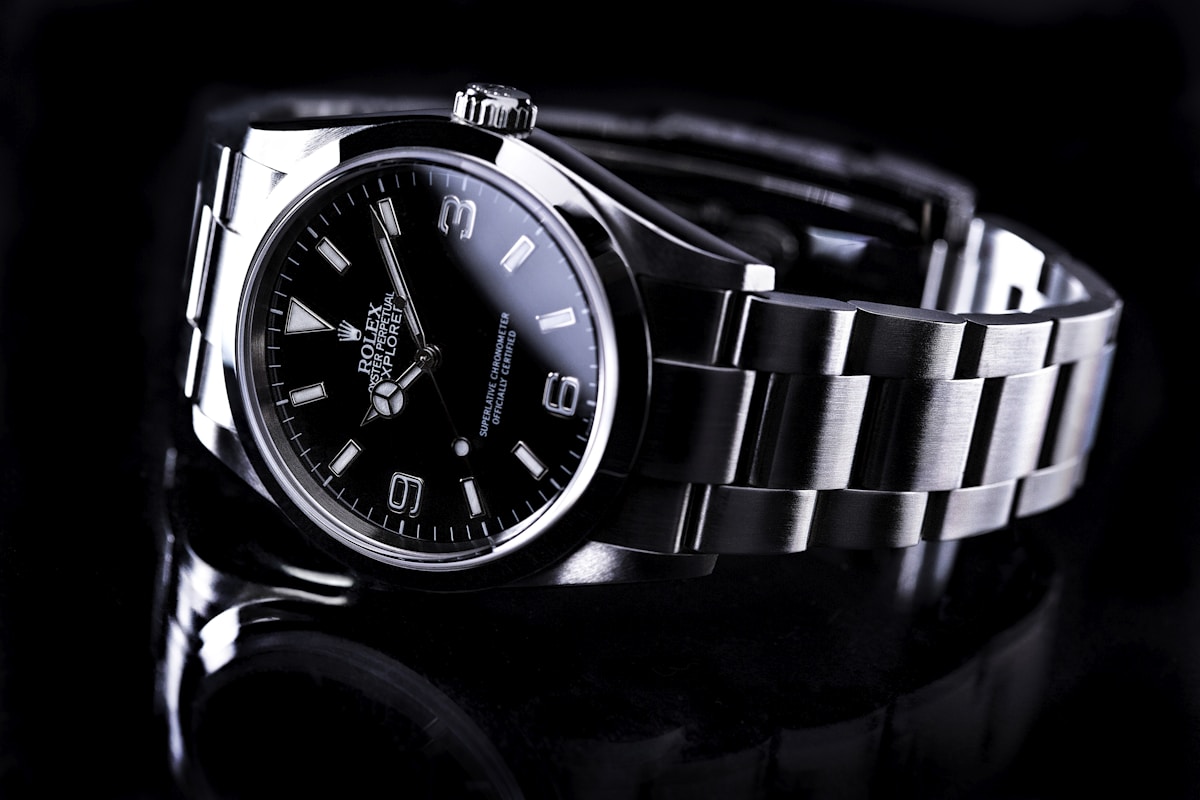
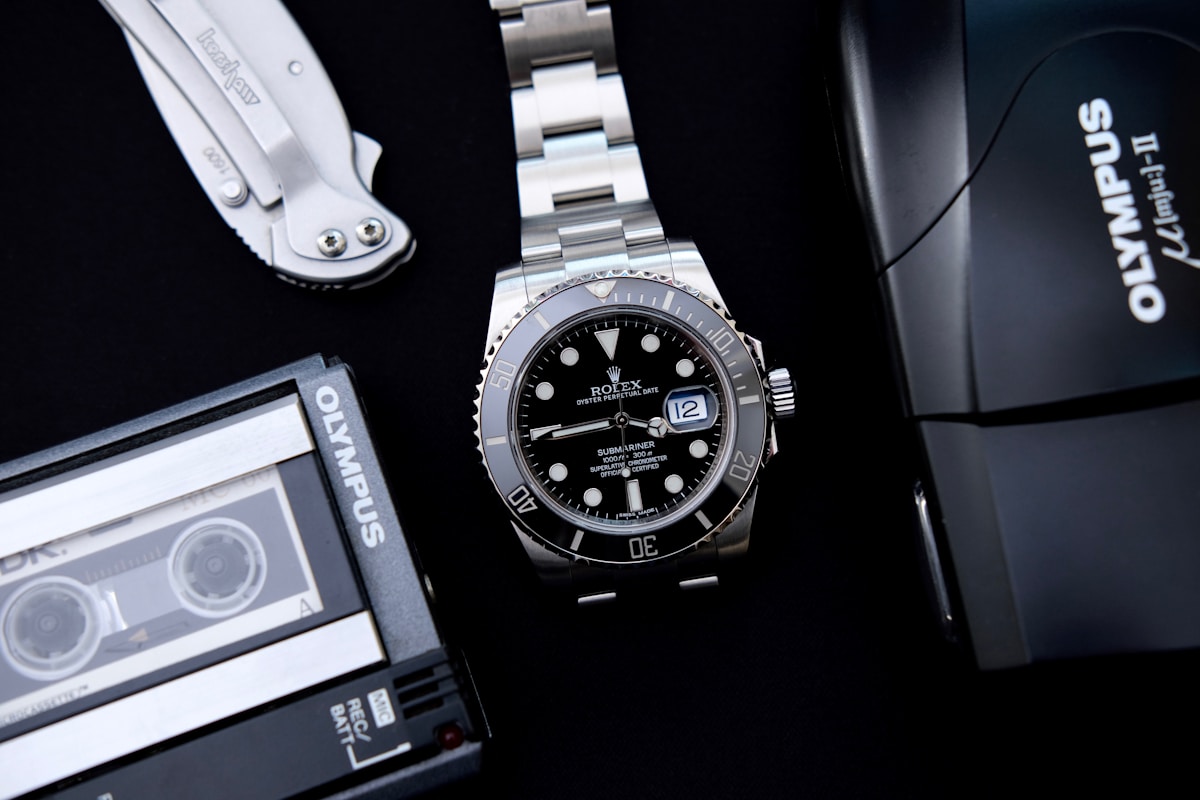
Luxury will always be part of horology. It is impossible to talk about watches without acknowledging the gravity of Rolex, Omega, Cartier, or Patek Philippe. But watch culture today feels broader and more interesting than the old idea of luxury as a simple status ladder.
In many enthusiast circles, taste now earns more respect than price. A carefully chosen Seiko SKX007 with years of wear can say more about a collector than a safe queen purchased to satisfy internet expectations. A Hamilton Murph might open a deeper conversation than a watch acquired purely because it was hard to get. Among enthusiasts, the question is less What did it cost? and more Why this one?
That shift has created room for newer brands and independents to matter. Baltic has shown how strong design language can create emotional pull without heritage theatrics. Formex has earned admiration through case engineering, comfort, and honest value. Venezianico has brought Italian styling into sharper focus for collectors who want something distinct without entering five-figure territory. Mitch Mason and other thoughtful microbrands prove that smaller companies can produce watches with clarity of purpose, not just novelty.
In other words, the culture has matured. Enthusiasts still appreciate prestige, but they increasingly reward discernment.
The internet changed everything, for better and worse
No discussion of watch collecting culture is complete without acknowledging the role of the internet. Forums, Instagram, YouTube, podcasts, and group chats have transformed what it means to become a collector.
A beginner can now learn the difference between an ETA 2824 and a Sellita SW200 in a single evening. They can compare a Miyota 9039-powered microbrand with a Seiko NH35-based diver and understand why one might wear thinner or feel more refined. They can watch side-by-side reviews of a Citizen Series 8, a Farer GMT, and a Baltic chronograph before ever stepping into a store.
That democratization of knowledge is one of the best things to happen to the hobby. It lowers the barrier to entry and helps collectors buy with confidence rather than intimidation.
At the same time, online culture can flatten judgment. Hype cycles move fast. Certain references become mandatory for a season, then disappear from conversation. Photos can make every collection look finished when real collecting is never finished at all. The danger is mistaking visibility for value.
Collector wisdom often begins here: do not outsource your taste. Listen widely, learn constantly, but pay attention to the watches that stay in your mind after the scroll ends.
Good collections are edited, not accumulated
One of the most important lessons in horology is that buying a lot of watches is not the same as building a collection. The difference is intention.
Seasoned enthusiasts often arrive at this after a period of experimentation. They buy a few affordable divers, realize they all scratch the same itch, and begin to refine. They discover that case shape matters more to them than dial color, or that hand-wound watches create a stronger daily bond than automatics. Maybe they learn they would rather own one excellent GADA watch than four near-misses.
This is where practical collecting wisdom becomes invaluable. Before buying, ask a few simple questions. Does this watch add something new to the collection? Will I still want to wear it six months from now? Am I responding to the watch itself or to the noise around it?
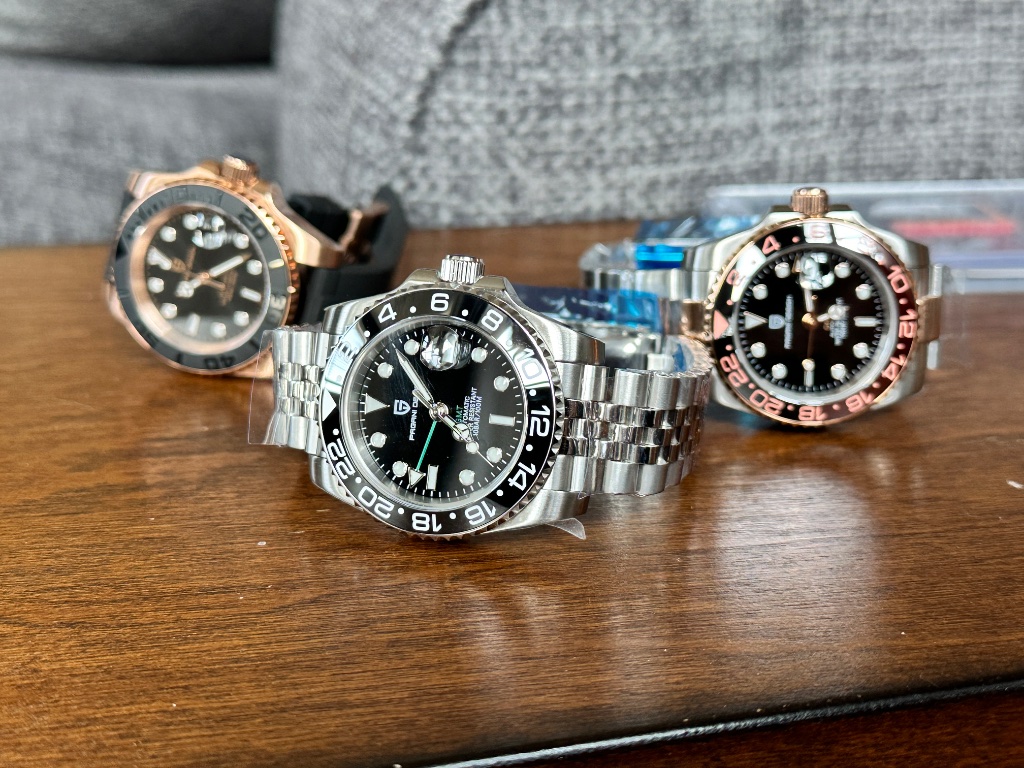
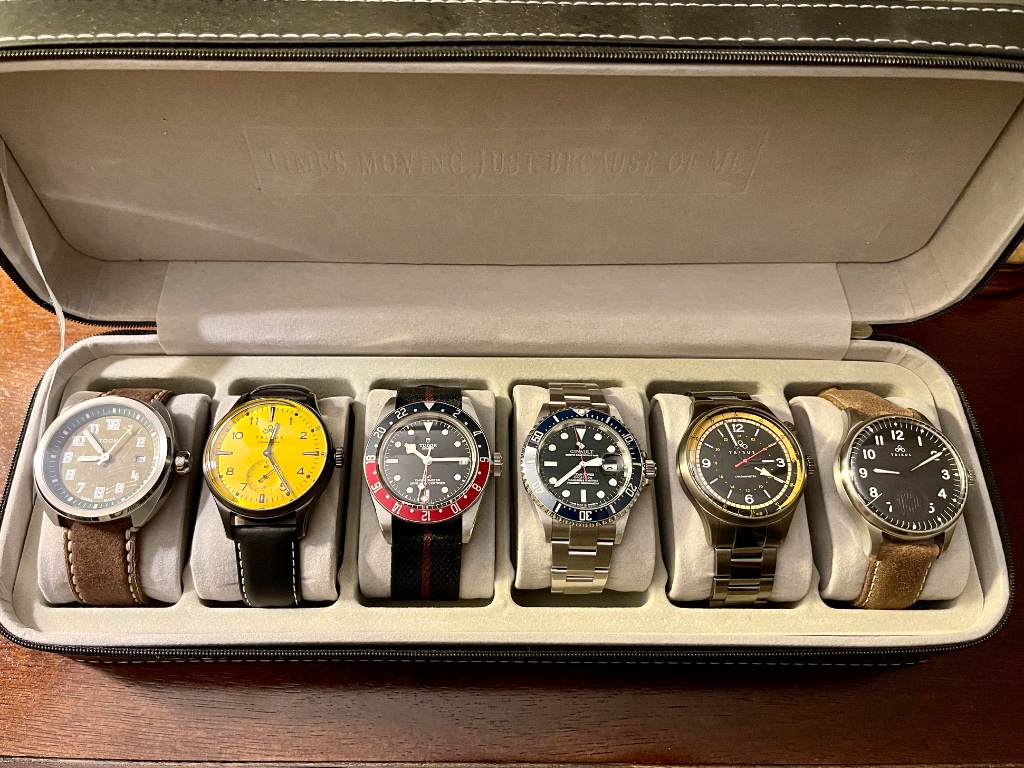
There is nothing wrong with a broad collection, of course. A box that holds a Seiko diver, a dressy Baltic, a rugged Hamilton, a colorful Farer, and a titanium Citizen can be wonderfully varied. But even variety benefits from a coherent eye. The best collections feel less like inventory and more like autobiography.
The emotional life of a watch
This is the part non-collectors often miss. A watch is not meaningful only because of its specs. In fact, some of the most cherished pieces are objectively imperfect.
A mineral crystal picks up scratches. A movement runs a few seconds fast. The lume is merely decent. None of that necessarily matters if the watch accompanied you on a trip, marked a career milestone, or became the piece you reached for during a significant season of life.
A collector may admire the technical appeal of a high-beat movement or the crisp architecture of a beautifully machined bracelet, but emotional attachment is what turns admiration into permanence. A modest Citizen gifted by a parent can outrank far more expensive pieces in sentimental value. A first mechanical watch, perhaps a Seiko 5 or Hamilton Khaki, often remains important long after a collection becomes more sophisticated.
That emotional depth is part of what gives watch culture its staying power. The hobby is tactile, visual, historical, and deeply personal all at once.
Why this culture endures
Watches sit at a rare intersection of utility and art. Even in an age when a phone tells perfect time, a mechanical watch still makes sense to people because it offers something technology cannot replace: ritual.
You wind it. You set it. You notice how the light hits the dial at 6 p.m. You learn the sound of the clasp, the feel of the crown, the way a case settles on the wrist. Over time, these small interactions become part of a collector's daily rhythm.
That is why watch collecting culture continues to attract people across generations. Some come for engineering, others for design, others for history, and many simply because a watch makes them feel more connected to time itself. The watches may differ, from a field-ready Hamilton to a playful Farer or a sharply built Formex, but the instinct is shared.
In the end, a strong collection is not a monument to acquisition. It is a record of attention - what you valued, what you learned, what you kept. And if the culture is at its best when it encourages curiosity over competition, that may be the real pleasure of the hobby: finding people who understand why a watch can matter so much.
That conversation, more than any single reference, is what keeps collecting alive. It is also what makes a good watch club feel less like a marketplace and more like a circle of fellow keepers.