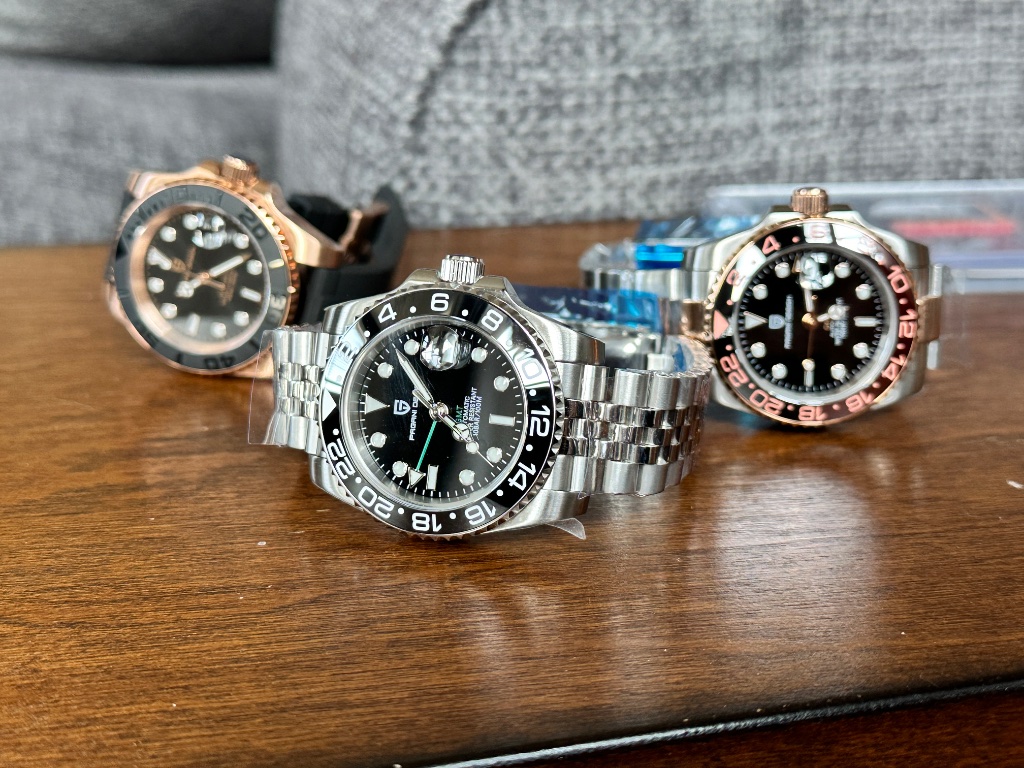

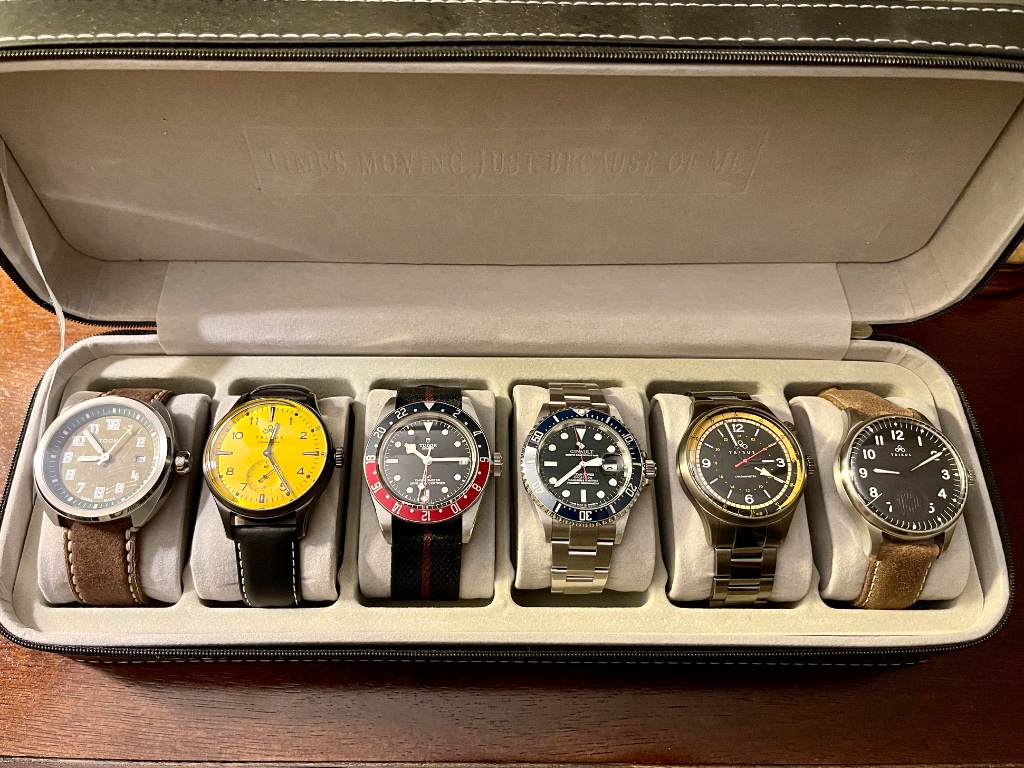
For all the talk of waitlists, secondary prices, and “must-have” releases, the most enduring part of horology has never been hype. It is culture: the shared language of design, mechanics, history, and personal meaning that turns a simple object into something worth keeping for years.
A healthy watch culture makes room for many kinds of collectors. It welcomes the new enthusiast buying a first mechanical Seiko 5, the vintage lover chasing an old Hamilton with honest patina, and the seasoned collector comparing the feel of a Sellita SW200 against a Miyota 9 series or a hand-wound ETA/Peseux architecture. It values discernment over status, curiosity over flexing, and conversation over consensus.
That may sound lofty in an age of instant trends, but it is also wonderfully practical. If you want to build a collection that remains satisfying long after the internet has moved on, culture matters more than hype.
The difference between buying watches and collecting them
Anyone can buy a popular watch. Collecting, however, begins when your choices start to reflect your point of view.
That point of view might start with field watches. A collector discovers the appeal of legibility, proportion, and purpose through pieces like the Hamilton Khaki Field Mechanical or a Citizen Promaster Tough. Another collector falls for the restrained romance of mid-century design and finds it in a Baltic MR01, with its sector-inspired dial and dressy sensibility. Someone else may realize that what truly speaks to them is contemporary engineering, leading them toward a Formex Essence with its thoughtful case construction and chronometer-grade ambition.
The shift is subtle but important. Instead of asking, “What should I buy next?” the collector begins asking, “What am I responding to?” That question leads to better decisions. It keeps you from assembling a watch box full of other people’s opinions.
In practical terms, this is how great collections become coherent. Not necessarily expensive, not necessarily large, but coherent. A three-watch collection can say more about a person’s taste than a dozen trend-driven purchases.
Taste is built slowly, not downloaded overnight
One of the great pleasures of this hobby is that taste evolves. Most enthusiasts can remember watches they once dismissed and now admire deeply.
At first, a beginner may focus on specifications alone: sapphire crystal, 200 meters of water resistance, automatic movement, solid bracelet. Those things matter, of course. But over time, more nuanced questions begin to surface. How does the case sit between the lugs? Does the dial have tension and depth? Is the handset proportionate? Does the crown action feel deliberate? Why does one blue dial feel alive while another looks flat?
This is where brands at many price points can teach us something. Seiko has long shown how expressive dial work can elevate an accessible watch. Farer demonstrates how color, when handled with confidence, can create character rather than novelty. NEUTRA often reveals the power of clean typography and Italian-inflected restraint. Mitch Mason and Venezianico, in different ways, show how younger brands can honor familiar categories while refining the details that collectors increasingly notice.
Good culture encourages this kind of seeing. It sharpens the eye. It teaches patience. It reminds us that immediate certainty is often overrated; many of the best watches are the ones that grow on you.
The quiet importance of movements, and the wisdom not to obsess
Collectors love movements because movements reward attention. They are the hidden architecture of the watch: the engine, the rhythm, the logic. To learn the differences between a Seiko NH35, a Miyota 9015, and a Swiss Sellita SW200 is to better understand why watches feel, wear, and perform differently.
But good collecting culture also resists the temptation to reduce every conversation to movement snobbery.
A watch is never just its caliber. The charm of a hand-wound Hamilton is not merely in its mechanics, but in the ritual it creates each morning. A Citizen Eco-Drive may not satisfy the same itch as a manually finished mechanical movement, yet its reliability and ease can make it one of the most frequently worn watches in a collection. Even among microbrands, the best pieces are rarely defined by movement alone; they succeed because the case, dial, proportions, finishing, and intent all work together.
Collector wisdom often sounds less glamorous than internet commentary: buy the whole watch, not the spec sheet. A movement matters, but harmony matters more.
Microbrands and the democratization of taste
One of the healthiest developments in modern watch culture is the rise of serious microbrands. They have made collecting more open, more experimental, and in many cases, more fun.
There was a time when enthusiast credibility seemed overly tied to a short list of established Swiss names. Today, a thoughtful collector can build a deeply satisfying collection that includes Baltic, Farer, Formex, Venezianico, Mitch Mason, or NEUTRA alongside Seiko, Hamilton, and Citizen without feeling like they are shopping in different leagues of legitimacy.
That matters because microbrands often bring a freshness that larger companies cannot. They take risks on dial textures, dimensions, and niche inspirations. They listen closely to enthusiasts. They are often more responsive to what collectors actually want: shorter lug-to-lug lengths, better clasp systems, cleaner date execution, stronger lume, and more considered colorways.
Of course, not every new brand deserves the same enthusiasm. This is where culture becomes discernment. The wise collector looks beyond launch photography and asks harder questions. Is the design original or derivative? Is the finishing honest for the price? Is there after-sales support? Will this watch still feel compelling once the novelty fades?
These are not cynical questions. They are the habits of a collector learning to separate excitement from substance.
What endures in a good collection
Years from now, the most meaningful watches in your collection will probably not be the ones that received the loudest applause at release. They will be the ones that proved themselves over time.
The field watch that became your default travel companion. The dress watch whose simplicity taught you restraint. The quirky microbrand piece that made you realize personality matters as much as prestige. The affordable diver that survived summer after summer and never asked for attention to feel important.
This is the quiet confidence at the heart of collecting culture. It is not anti-luxury, anti-vintage, or anti-anything. It simply insists that enthusiasm be grounded in taste, knowledge, and honest enjoyment.
For the beginner, that means permission to start anywhere and learn slowly. For the seasoned enthusiast, it is a reminder that refinement should make us more generous, not more rigid. The best collectors are rarely the loudest; they are the ones still capable of wonder.
In the end, watches become more meaningful when they are part of an ongoing conversation—between design and utility, history and innovation, personal taste and shared appreciation. And that conversation is always richer when it happens among fellow enthusiasts who understand that the joy of collecting is not just in what we keep, but in what we discover together.