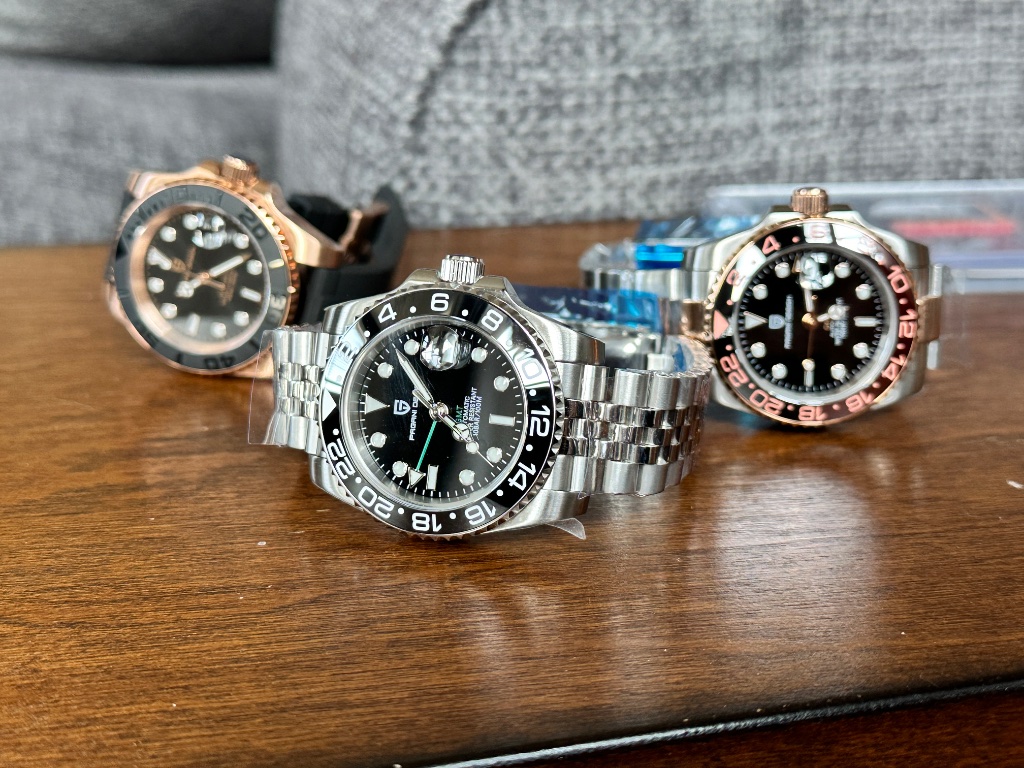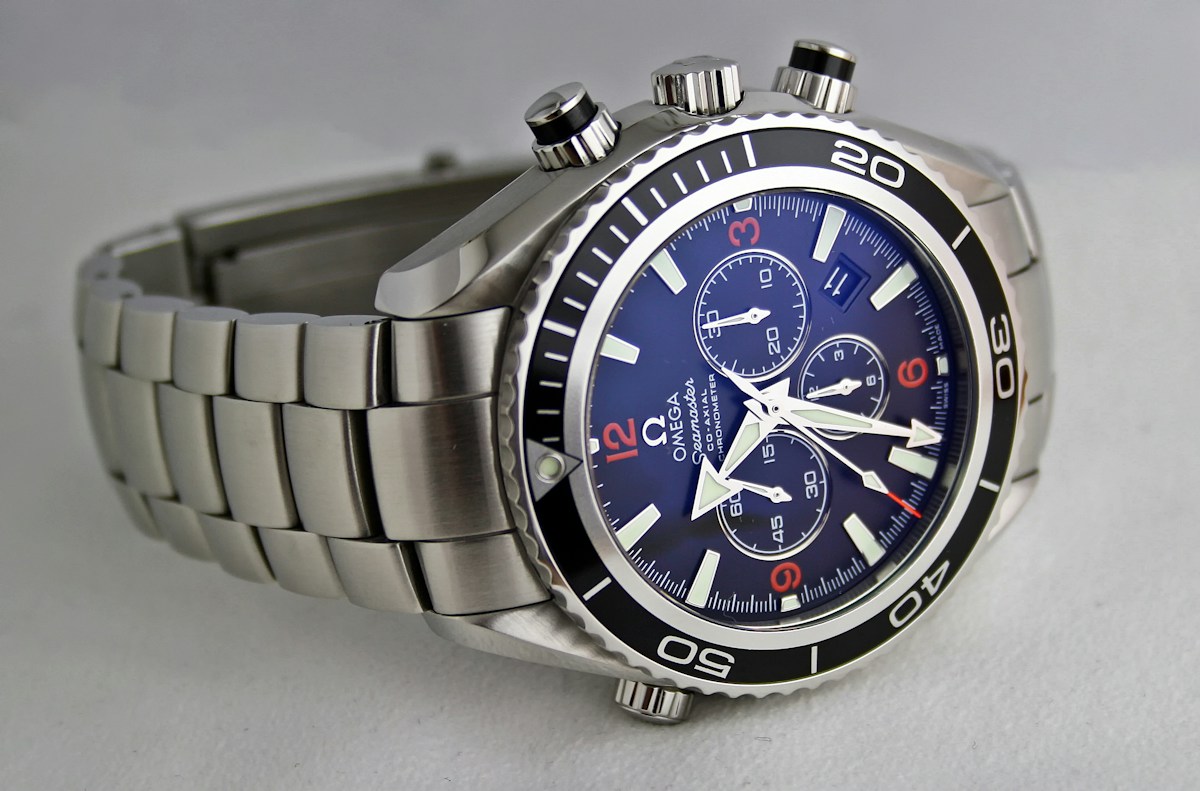

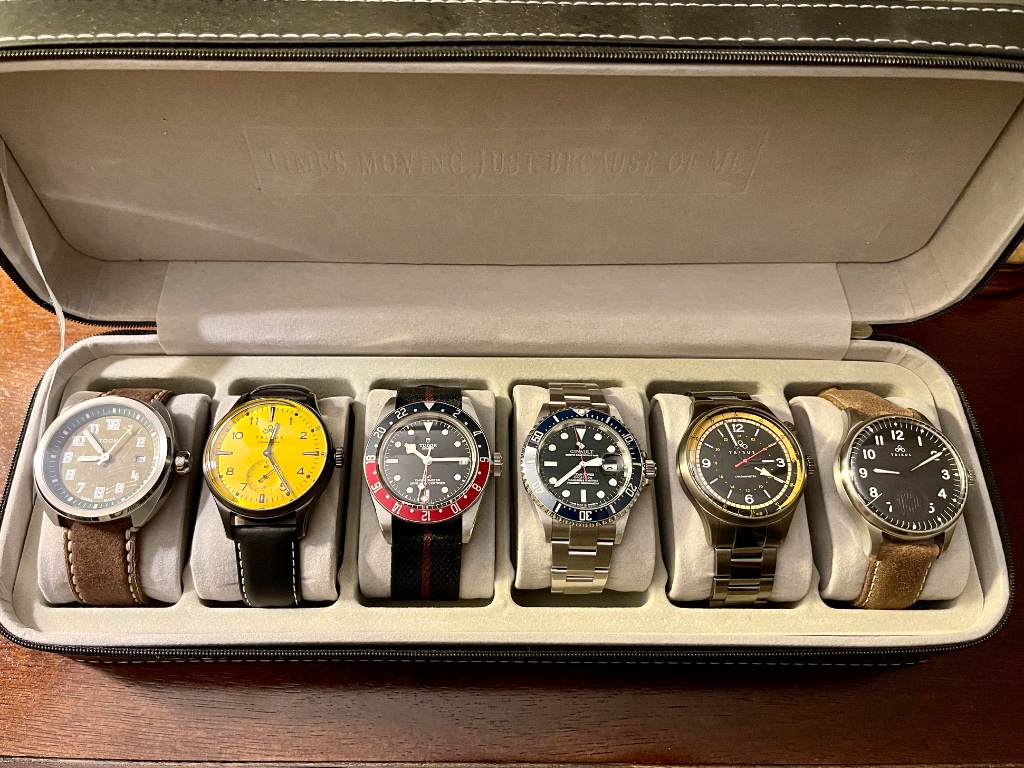

The appeal of something beautifully unnecessary
For all the speed and convenience of modern life, a wristwatch has become an almost irrational object. Our phones tell more accurate time. Our cars, ovens, laptops, and speakers glow with synchronized digits. And yet the fascination with watches only seems to deepen. From first-time buyers discovering a Seiko 5 Sports to seasoned collectors debating the merits of a hand-wound Hamilton Khaki Field Mechanical, the culture around watches feels not only alive, but increasingly meaningful.
That is because watches are no longer just instruments. They are small, wearable expressions of taste, memory, engineering, and identity. In a digital age, they offer something rare: an intimate relationship with an object that asks to be understood rather than merely used.
A mechanical watch does not compete with a smartphone on utility. It competes on feeling. The sweep of a seconds hand, the resistance of a crown, the weight of a well-finished case, the faint sound of a rotor on the wrist—these details create a kind of quiet companionship. For many collectors, that is where the obsession begins.
Watches as culture, not just consumption
The strongest collections are rarely built around price alone. They are built around points of view. One collector may be drawn to military heritage and spend years rotating between a Hamilton field watch, a Tudor Ranger, and a vintage-inspired NEUTRA. Another may prefer design-forward independent brands like Farer, whose color palettes feel unmistakably British, or Baltic, whose Aquascaphe and MR01 have become modern reference points for thoughtful, accessible design.
This is what makes watch collecting culture so compelling. It sits at the crossroads of history, design, mechanics, travel, sport, and personal ritual. A Citizen Promaster tells a different story from a dressy Formex Essence, even if both occupy a similar price conversation for a buyer seeking quality. A Venezianico channels Italian architecture and texture in a way that speaks to collectors who value visual character. A Mitch Mason diver may appeal because it feels like a founder’s vision made tangible rather than a committee product assembled to hit market trends.
When collectors talk about watches, they are often talking about something larger: what they admire, what they remember, and how they want to move through the world. That is culture. Not hype, not just acquisition, but a language of shared reference and individual meaning.
The pleasure of learning the details
One of the great gifts of horology is that it rewards attention. A beginner can enter the hobby through aesthetics—perhaps the clean dial of a Baltic, the rugged charm of a Seiko diver, or the all-around versatility of a Citizen Tsuyosa—and gradually discover that every watch contains layers of decision-making.
Why does one case wear smaller than another with the same diameter? Why does a box sapphire crystal change the mood of a watch so completely? What is the practical difference between a Miyota 9039, a Sellita SW200, and a Seiko NH35? Why do some collectors prefer the tactile honesty of hand-winding over the convenience of an automatic movement?
These questions are not barriers; they are invitations. The hobby becomes richer when you learn that a movement choice affects serviceability, thickness, winding feel, and long-term ownership. An ETA 2824 or SW200 may not stir the heart like a haute horlogerie caliber, but part of collector wisdom is appreciating honest, proven mechanics. A well-regulated Miyota can be a joy. A humble NH35 can be the reliable engine inside years of casual wear.
Knowledge does not have to make collecting more clinical. In fact, it often makes it more emotional. The more you understand why a watch feels right, the more meaningful that response becomes.
The best collections reflect a life, not a leaderboard
There is a temptation in every era of collecting to chase consensus. Today that often means chasing scarcity, resale chatter, or whatever model social media has crowned as the week’s essential purchase. But the collections that endure—the ones people remember—tend to have more personality than strategy.
A good collection does not need to be large. It needs to be coherent to the person wearing it. That could mean a three-watch rotation: a field watch, a diver, and something refined for evenings. It could mean a drawer full of colorful microbrands because independent design excites you more than legacy status. It could mean one modern piece and one heirloom, with the rest of the budget going toward straps, service, and time spent actually wearing the watches.
Seasoned collectors often arrive at the same conclusion beginners should hear early: buy curiosity before prestige. If a Farer GMT makes you smile every time you check the time, that matters. If a Formex offers the finishing and comfort you wanted after handling more expensive Swiss pieces, that matters. If the dial texture on a Venezianico or the proportions of a Mitch Mason speak to you more than the market’s favorites, trust that instinct.
The point is not to collect what everyone agrees is important. The point is to discover what becomes important to you.
Why analog objects feel more human now
Part of the renewed energy around watch collecting comes from a broader cultural fatigue. We live inside systems designed for frictionless upgrades. Phones are replaced every few years. Software changes without asking. Music and photographs exist everywhere and nowhere at once. In that environment, a watch feels refreshingly grounded.
It ages with you. It acquires scratches honestly. It can be serviced instead of discarded. Even quartz watches, often unfairly dismissed in collector circles, carry this virtue when well designed. A Citizen Eco-Drive, for example, embodies a practical kind of long-term thinking that many enthusiasts eventually come to respect deeply.
Mechanical watches take that relationship further by making time visible through motion and maintenance. They remind us that precision is not magic; it is achieved through springs, gears, lubrication, tolerances, and care. There is something deeply human about that.
In cultural terms, watches resist the disposable logic of modern consumption. They ask us to value continuity. To notice materials. To develop taste slowly. To keep something long enough that it becomes associated with places, conversations, and seasons of life.