

The new center of gravity in watch collecting
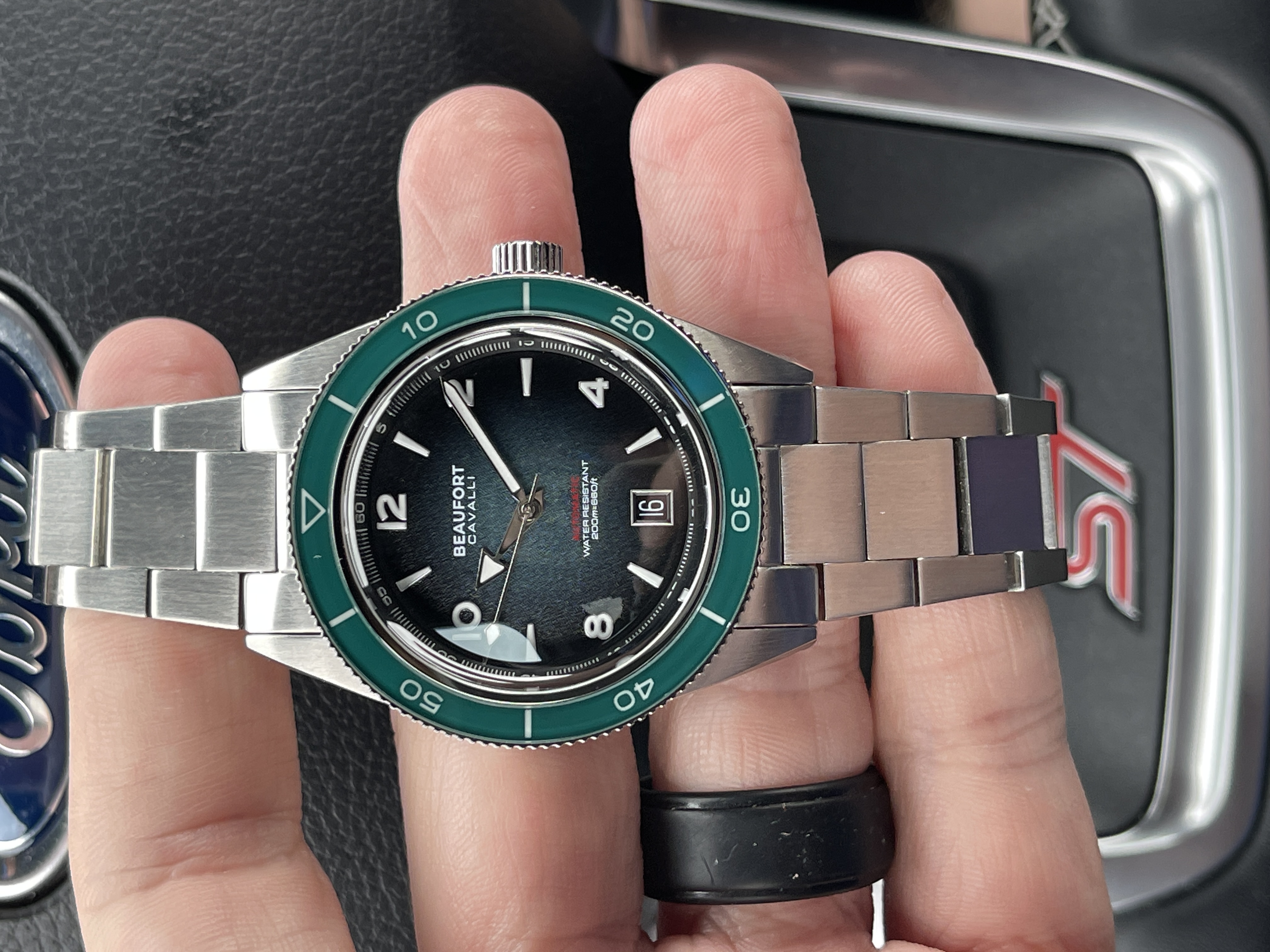
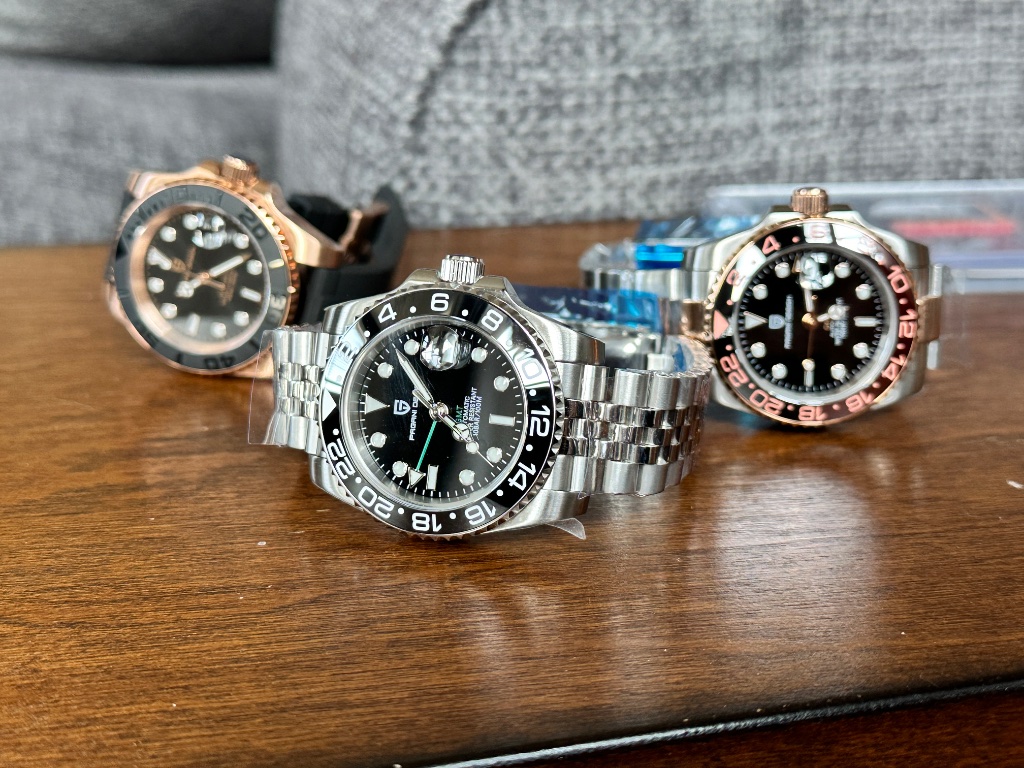
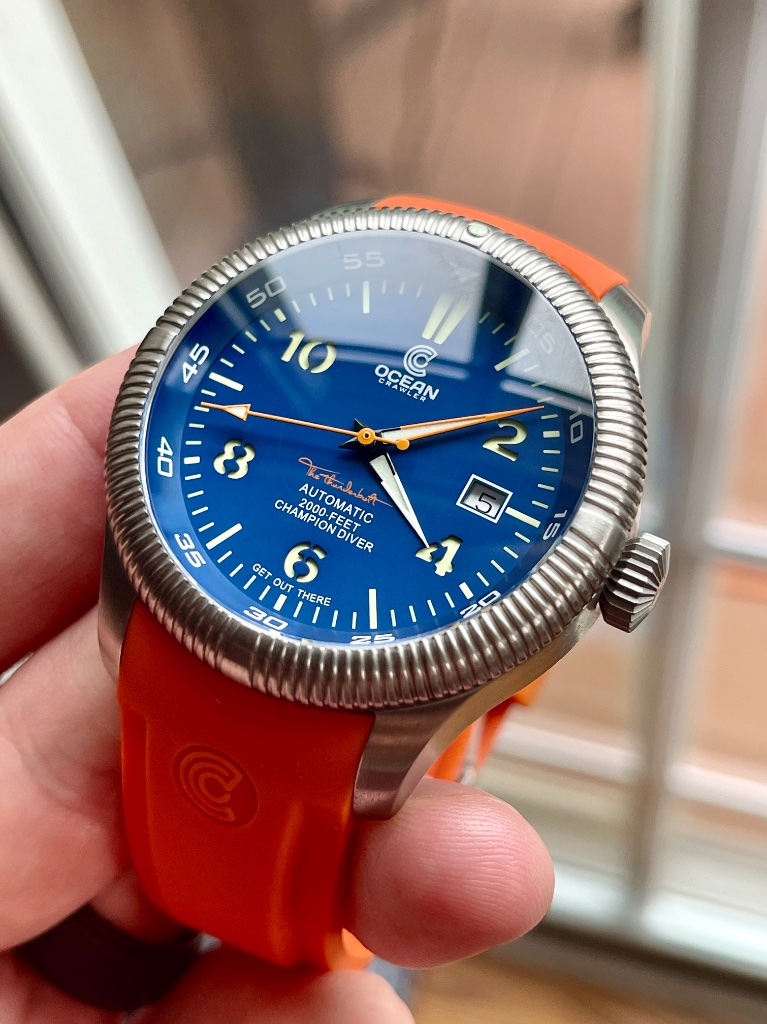
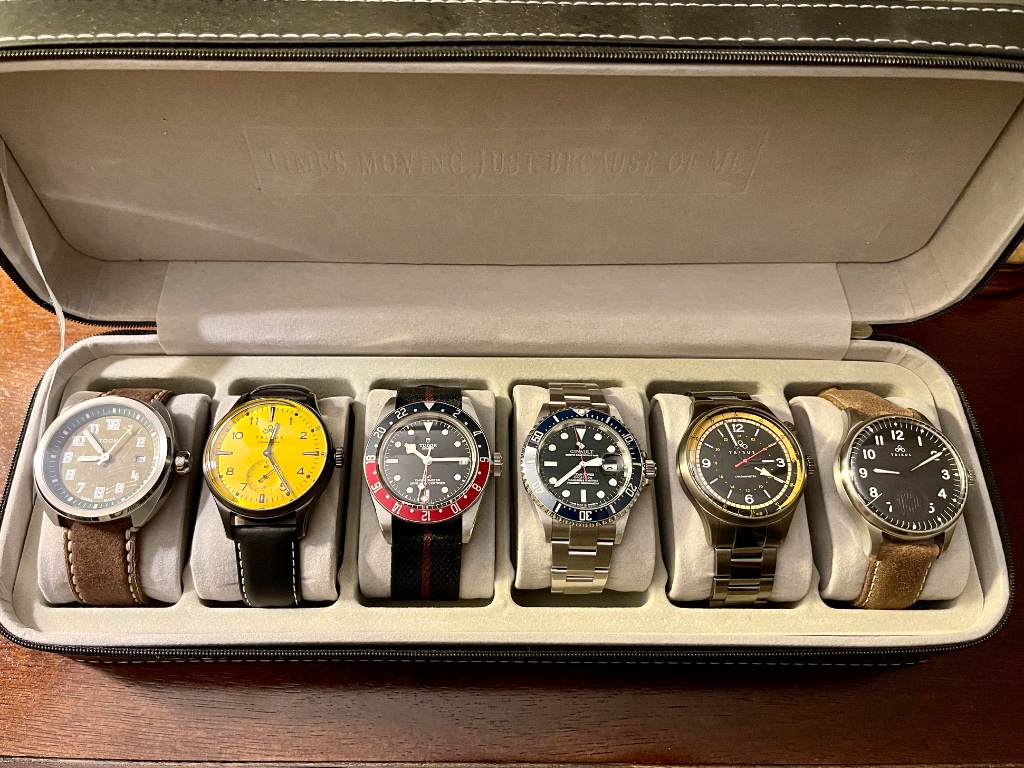
There was a time when “microbrand” felt like a side road in horology: interesting, occasionally charming, but rarely essential. That is no longer true. Today, microbrand watches sit at one of the most exciting intersections in collecting, where independent design, modern manufacturing, and enthusiast culture meet.
For newer collectors, microbrands offer a welcoming point of entry into mechanical watch ownership without the weighty pricing of Swiss luxury. For seasoned enthusiasts, they provide something that can be harder to find from major maisons: surprise. Not just affordability, but fresh thinking.
That shift matters. In an era when many large brands are refining familiar formulas, the best microbrands are taking genuine creative risks with case architecture, dial color, material choices, and wearability. They are not replacing heritage houses, of course. A Hamilton Khaki Field, a Seiko Prospex diver, or a Citizen automatic still earns its place for good reason. But microbrands are proving that compelling watchmaking does not need a century-old archive to feel meaningful on the wrist.
What microbrands do especially well
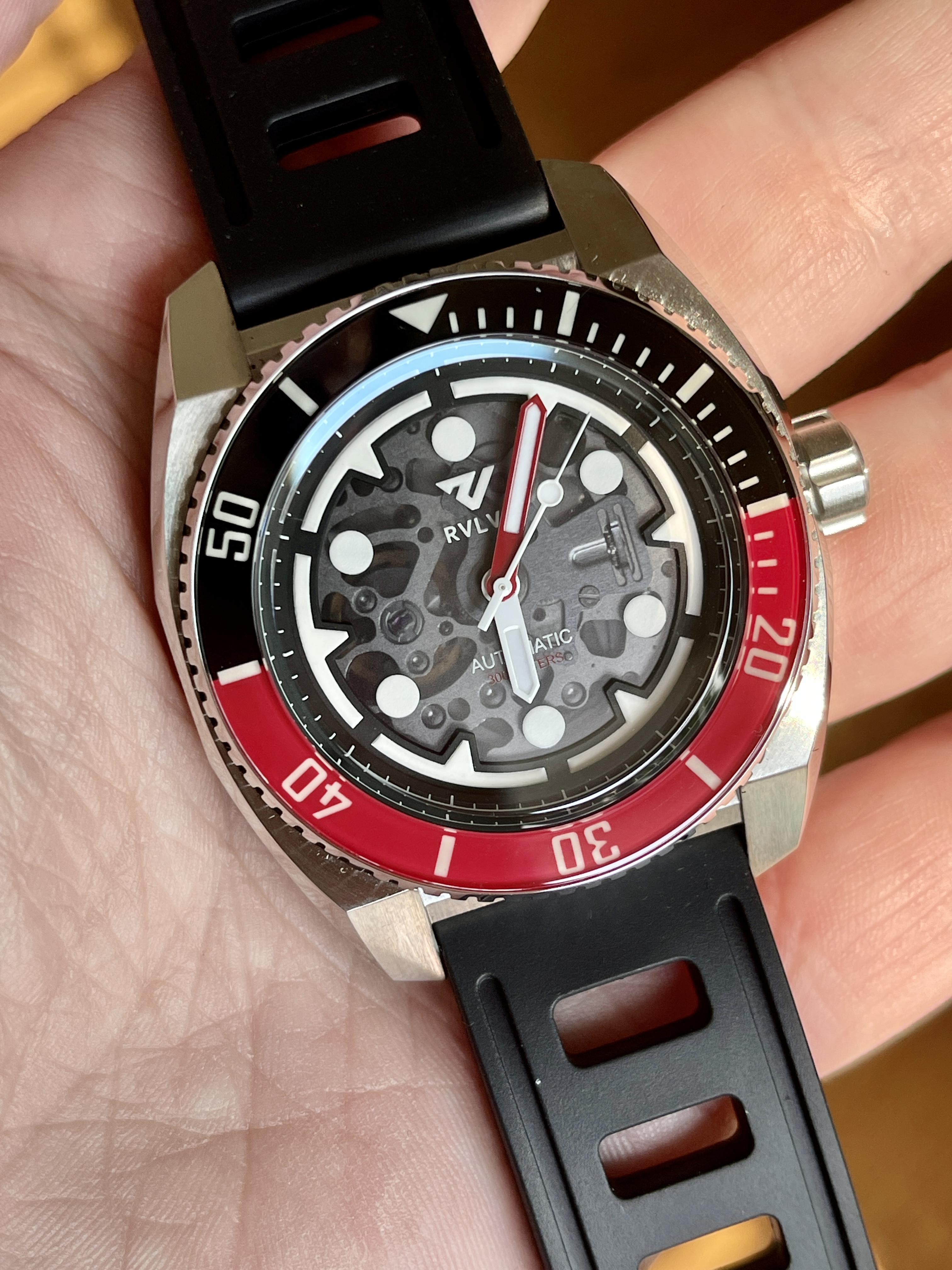
The strongest microbrands understand a truth that every collector learns sooner or later: the magic of a watch is rarely found in spec sheets alone. It lives in proportion, finishing, tactile quality, and the coherence of the whole object.
Take Baltic, whose Aquascaphe has become a modern reference point for accessible vintage-inspired design. On paper, it is not trying to overwhelm you. In person, the restrained case profile, balanced dial, and old-world sensibility make it feel considered in a way many larger brands sometimes miss. Farer approaches things differently, leaning into color and typography with a confidence that feels distinctly British yet broadly appealing. A Farer never seems designed by committee.
Then there is Formex, a brand that often blurs the line between microbrand energy and larger-scale execution. Watches like the Essence show what happens when a small independent operation obsesses over ergonomics, bracelet comfort, and crisp finishing. Venezianico has also caught the attention of collectors by combining strong visual identity with impressive dial work, especially in pieces like the Nereide.
These brands succeed because they are close to enthusiasts. They spend time in forums, on Instagram, in collector groups, and at meetups. They know what people actually care about: a bezel that clicks with authority, drilled lugs for easy strap changes, a bracelet that tapers properly, and dimensions that suit real wrists rather than marketing fantasies.
A better era for quality and movements
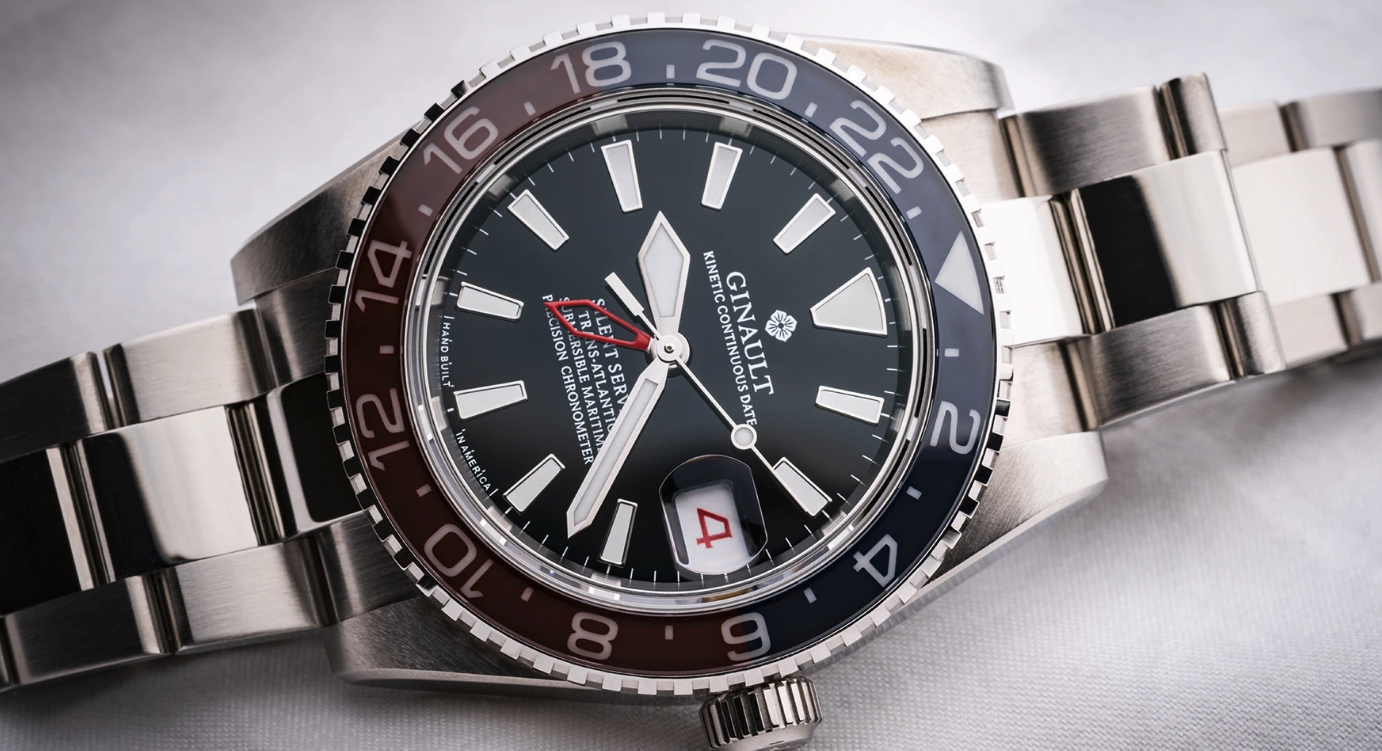
Part of the microbrand renaissance comes down to timing. It has simply become easier for small brands to build very good watches.
Reliable movements are more accessible than ever. The Seiko NH35 remains a dependable workhorse in entry-level and tool-focused pieces. Miyota’s 9000-series calibers, especially the 9039, have become a favorite for thinner, better-proportioned watches. Sellita’s SW200-1 continues to give independents a Swiss option with familiar serviceability, while some brands are moving into more ambitious territory with La Joux-Perret or customized platforms.
That said, seasoned collectors know not to worship a movement name in isolation. A well-regulated Miyota 9039 in a thoughtfully designed case is often more satisfying than a mediocre watch hiding behind a Swiss label. Practical wisdom matters here: ask how the watch wears, how easy it is to service, whether replacement parts are likely to be available, and how responsive the brand is after the sale.
Microbrands have also benefited from improved manufacturing partners. Case finishing, lume application, dial printing, and bracelet tolerances have all advanced. Five or ten years ago, many collectors approached small brands with caution because execution was inconsistent. Today, that caution should be more selective than automatic. There are still misses, of course, but the baseline has risen dramatically.
The collector’s eye: how to separate substance from hype
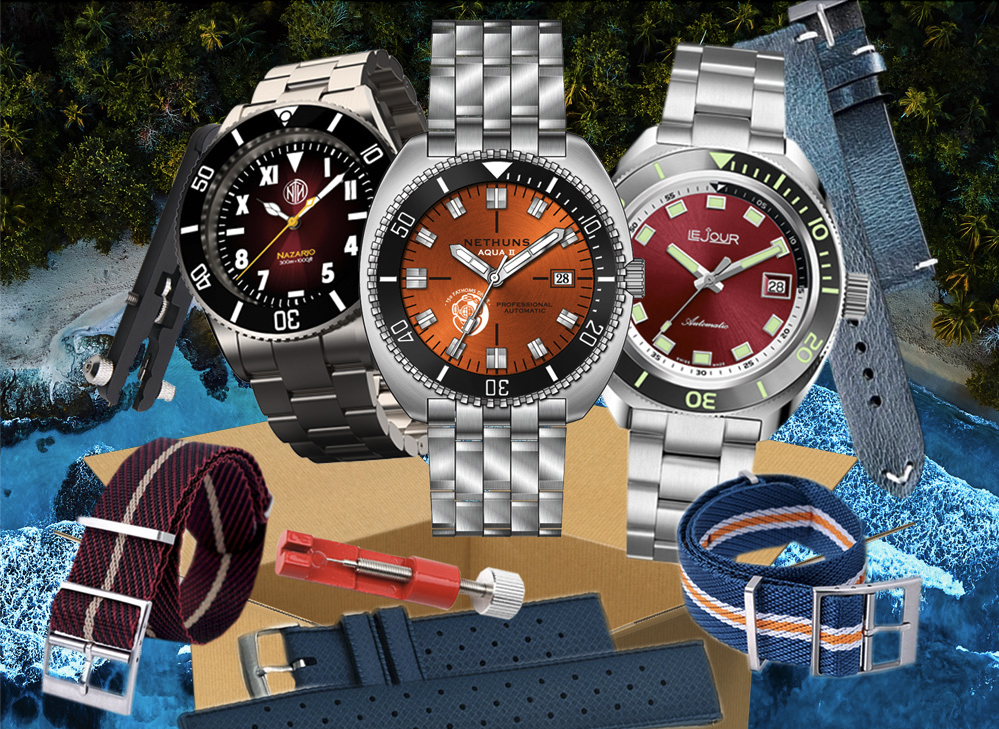
Not every microbrand deserves the enthusiasm attached to the category. Some are long on marketing and short on original thought. That is why a slightly trained eye goes a long way.
First, look for design integrity. Is the watch merely remixing a Submariner, Speedmaster, or Royal Oak with superficial changes, or does it have its own visual rhythm? Brands like Mitch Mason and NEUTRA are good examples of companies that understand influence without disappearing into imitation. The best watches acknowledge the past while still feeling authored.
Second, study dimensions beyond diameter. Lug-to-lug length, thickness, bezel width, and dial opening tell you more about wearability than a single number on a product page. A 39mm diver can feel perfect or awkward depending on those relationships. Microbrands often excel here because they design for enthusiasts who notice.
Third, evaluate the bracelet and clasp. Collectors often say “buy the bracelet, wear the strap,” because an excellent bracelet is harder to source later and tells you a lot about the brand’s priorities. Tool-free micro-adjustment, smooth articulation, and a sensible taper can elevate a watch from good to memorable.
Finally, pay attention to support. A young brand with clear communication and a solid warranty can be a safer buy than a more established name with indifferent service. Trust is part of the product.
Why experienced collectors keep coming back
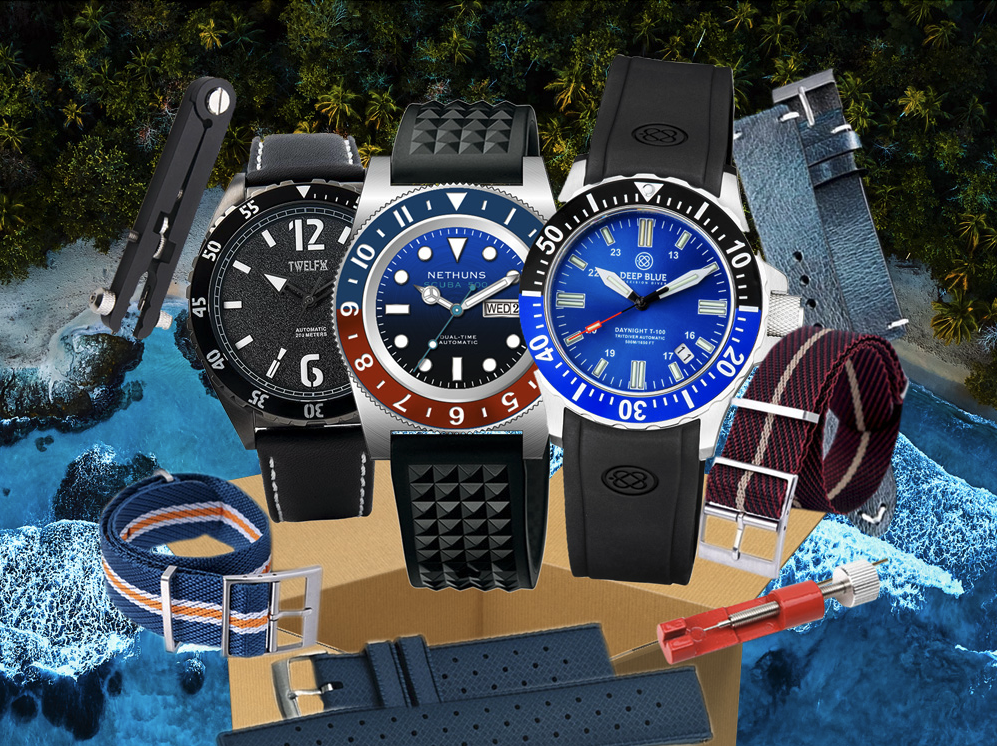
It is easy to assume that microbrands are mainly for beginners, a stepping stone before one “graduates” to larger Swiss names. In practice, many experienced collectors move in the opposite direction. After years of chasing status, they begin to value sincerity.
A well-made microbrand watch can feel refreshingly free of baggage. You wear it because the case lines are right, the dial has character, and the brand made a deliberate choice rather than the expected one. That pleasure is deeply horological. It returns the hobby to observation, conversation, and personal taste.
There is also something attractive about buying closer to the source. When you purchase from a small independent, you often understand who designed the watch, why certain tradeoffs were made, and what the brand hopes to become. That narrative can be far more engaging than a polished corporate campaign.
And let us be honest: there is still thrill in discovery. Spotting a Baltic, Farer, Formex, or Venezianico across a room tells you something about the wearer. Not that they spent the most, but that they looked carefully.
The future is smaller, smarter, and more personal
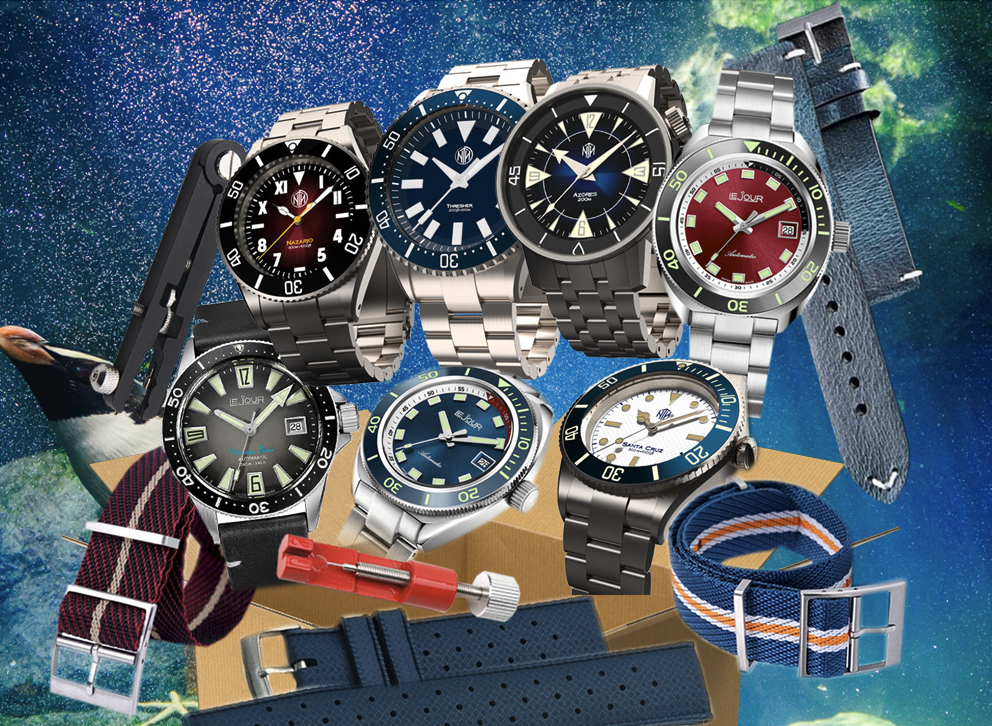
Microbrand watches are not a trend at the edge of collecting anymore. They are now one of the clearest expressions of where modern enthusiasm lives. They bring design experimentation, honest value, and a human scale back into a category that can sometimes become overly formal or predictable.
For beginners, they are an education in what makes a watch worth loving. For longtime collectors, they are a reminder that curiosity is often more rewarding than prestige.
The smartest approach is simple: buy slowly, research deeply, and choose the watch that keeps drawing your eye back to the dial. If a microbrand can do that, it has already done something important.
And in a community of collectors, that is often where the best conversations begin, not with the biggest name on the box, but with the watch that tells a more personal story once it is on the wrist.