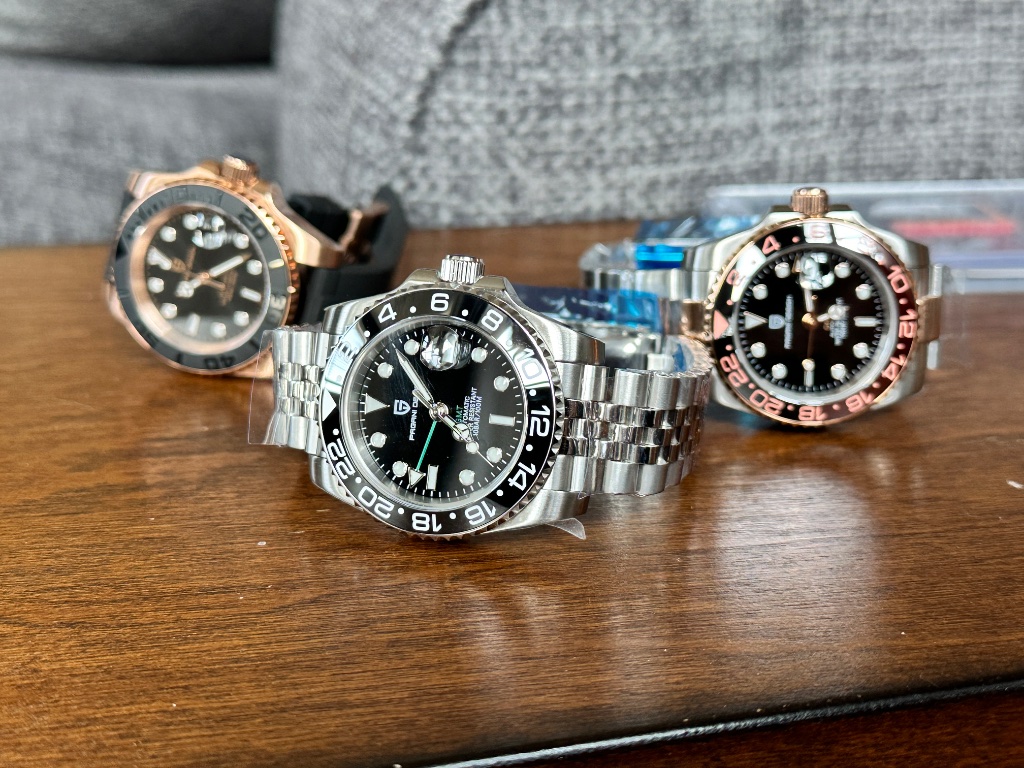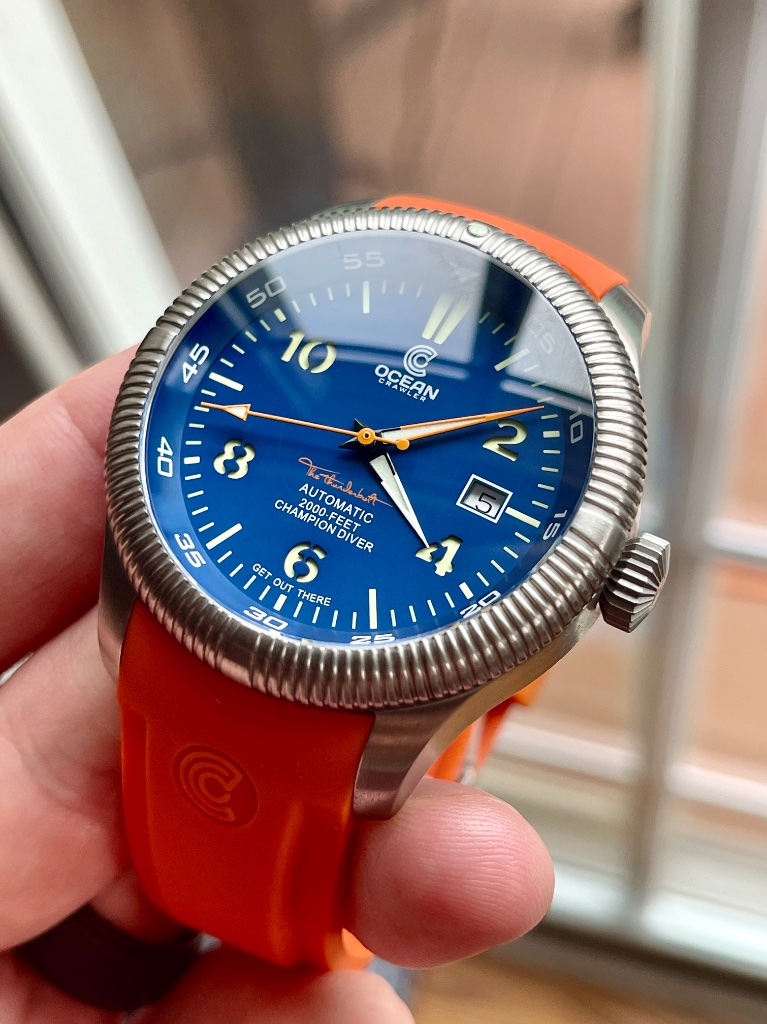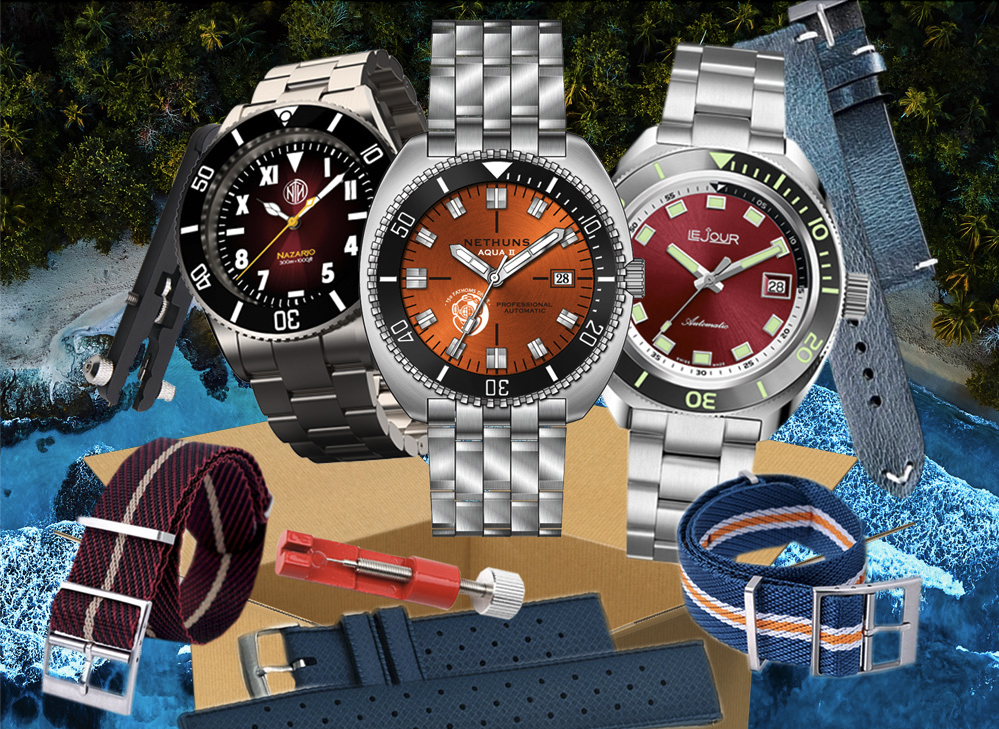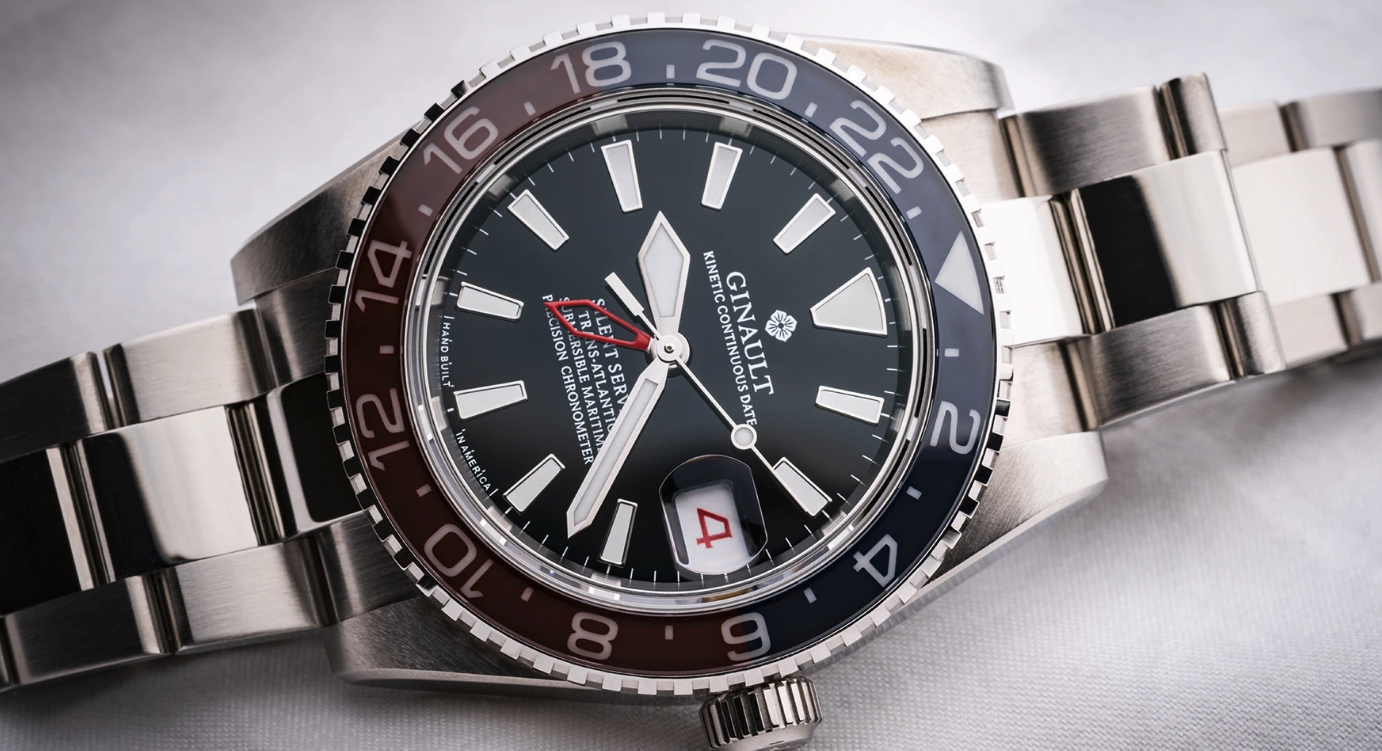

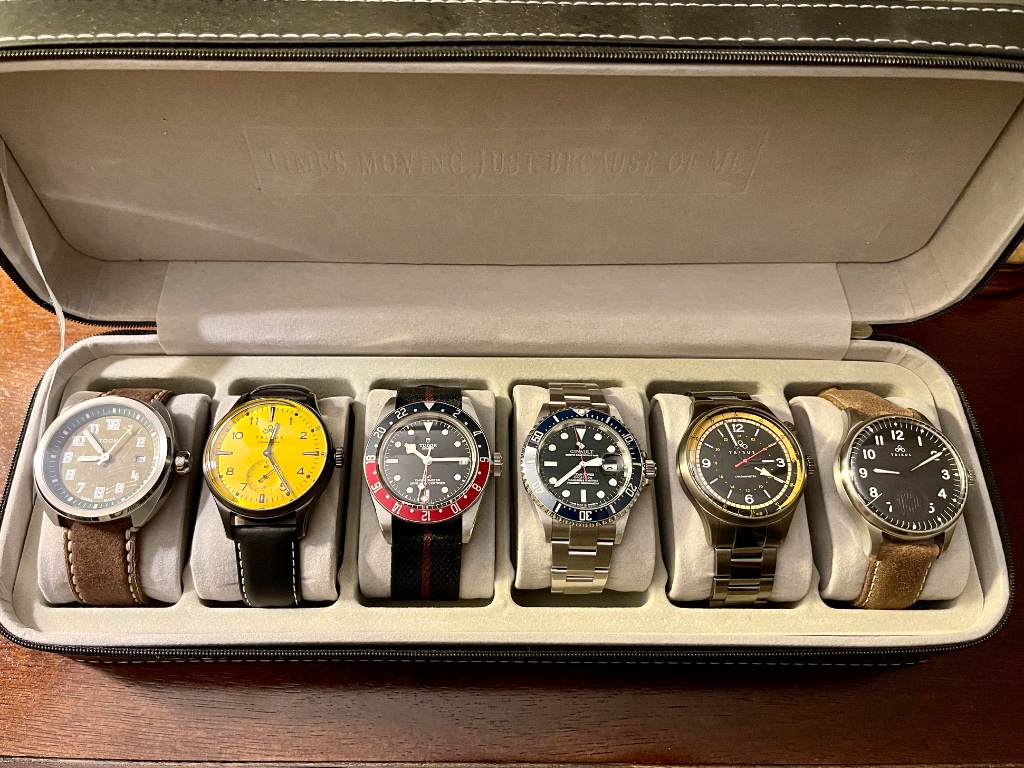
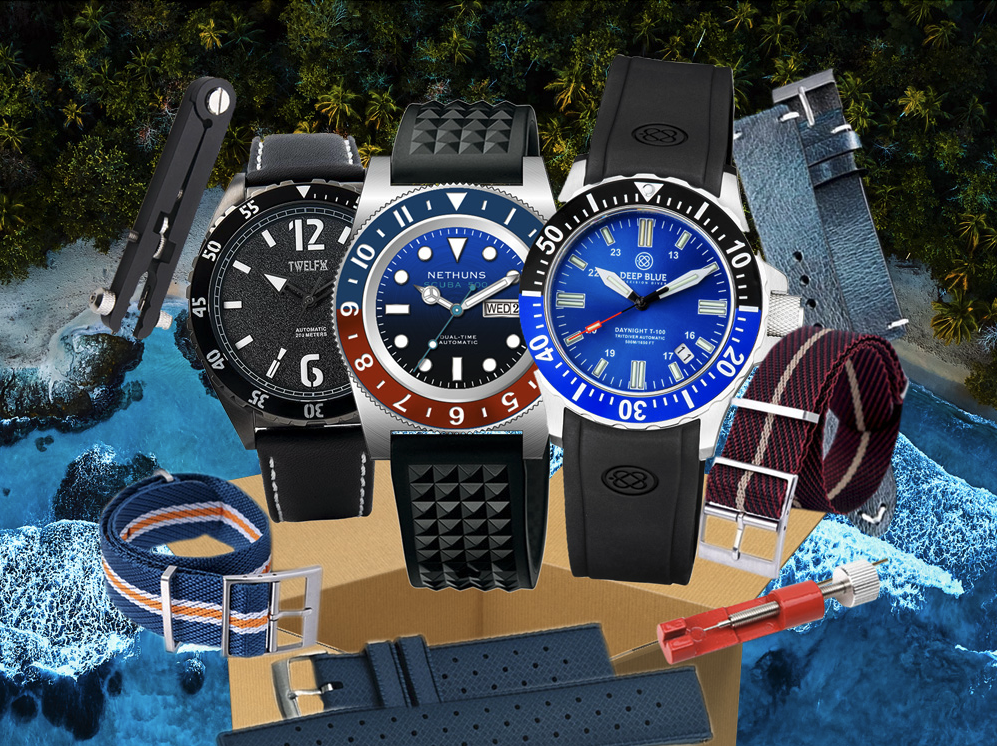

Not long ago, the phrase "microbrand watch" was often spoken with a hint of apology. These were the interesting outsiders: enthusiast-led projects, sold online, sometimes charmingly rough around the edges. Today, that picture feels outdated. The best microbrands are no longer compelling merely because they are affordable. They matter because they have become one of the most dynamic corners of modern watchmaking.
For newer collectors, microbrands can be an accessible way into mechanical watches without sacrificing character. For seasoned enthusiasts, they offer something just as valuable: surprise. In a market where heritage names can lean heavily on archive reissues and predictable formulas, small independent brands often move faster, take more risks, and listen more closely to the people who actually wear their watches.
Design freedom is their greatest advantage
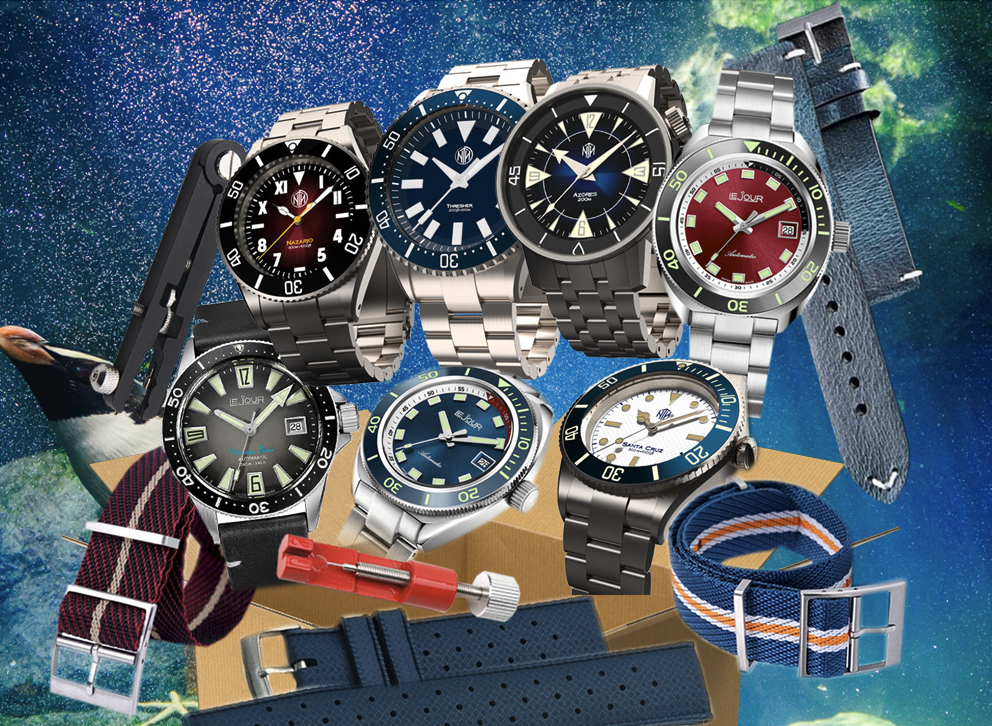
Large brands have history, scale, and deep manufacturing relationships. What they do not always have is agility. That is where microbrands shine.
Consider Baltic. The Aquascaphe became a modern favorite not because it reinvented the dive watch, but because it distilled vintage proportion and restraint better than many larger competitors. The MR01, with its slim case, sector-style dial, and micro-rotor movement, showed that a young brand could produce a dress watch with real emotional pull. Farer has taken a different route, leaning into color with confidence that many conservative Swiss houses would never dare. Formex, meanwhile, has built a reputation for technical practicality, with models like the Essence ThirtyNine delivering sharp finishing, chronometer-grade performance, and everyday wearability in one coherent package.
That freedom matters. Microbrands are often founded by enthusiasts rather than marketing committees, and you can feel the difference. A well-judged handset, a thoughtful case profile, a bold but balanced dial color, these decisions are often made with a collector’s eye rather than a corporate risk matrix.
The movement conversation deserves more nuance
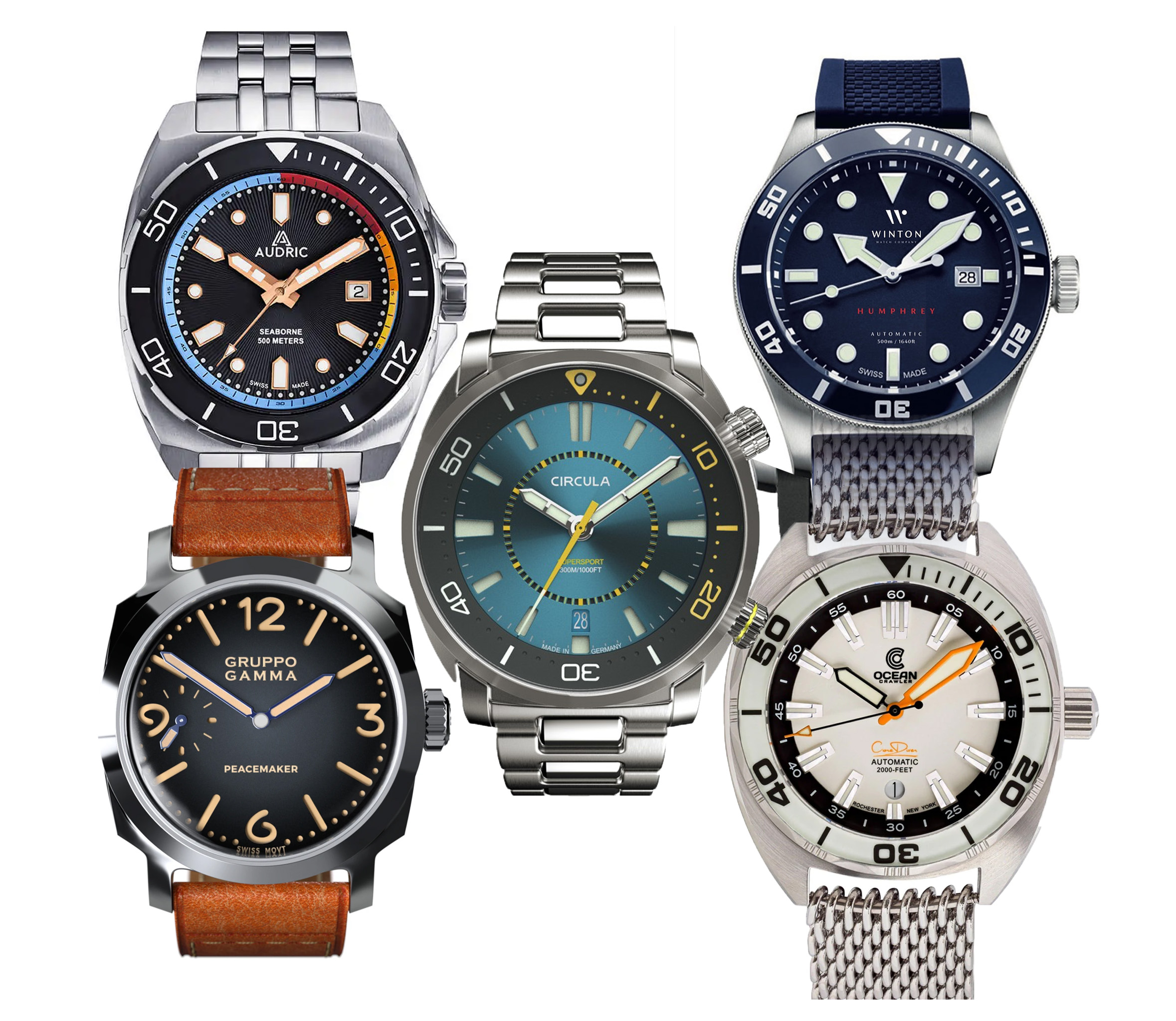
Among enthusiasts, movement talk can become oddly tribal. Some dismiss a watch the moment they see Seiko NH35 on the spec sheet; others insist only Swiss calibers justify serious attention. In practice, the truth is more interesting.
A robust, serviceable movement is often better than an exotic one that becomes a headache five years later. The NH35, Miyota 9039, and Sellita SW200-1 have become staples for good reason. They are known quantities, widely serviceable, and capable of strong everyday performance when properly regulated. For a young collector, that reliability is not a compromise; it is a virtue. For an experienced collector, it can be refreshingly honest.
What matters is whether the movement suits the watch. A rugged field watch from a small brand does not need to pretend it contains haute horlogerie. A Miyota inside a clean, well-built daily wearer can be exactly the right choice. At the same time, brands that step up to a chronometer-certified Sellita or a more unusual caliber should be able to explain why the upgrade improves the ownership experience, not just the price tag.
This is one area where brands like Formex have earned respect. The specifications support the wearing experience rather than simply dressing up a sales page. That is the standard microbrands should be judged by.
Quality is revealed in the small things
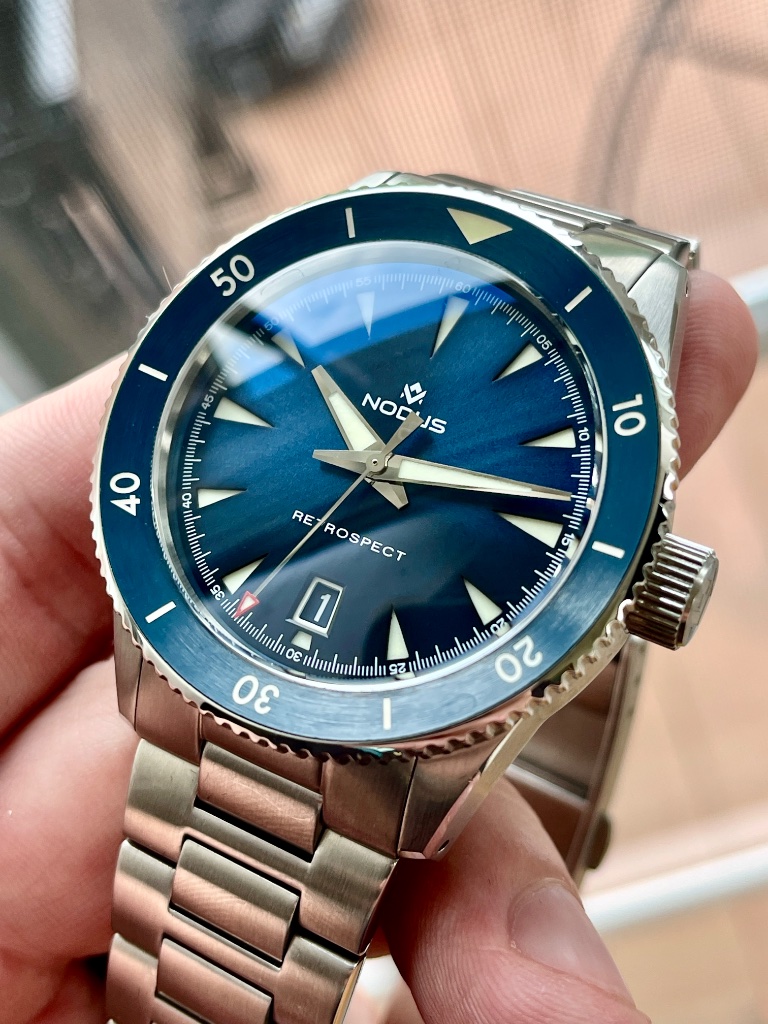
If you want to evaluate a microbrand seriously, stop staring at renderings and start paying attention to the details that owners actually live with.
The bracelet is one of the clearest tells. A watch can have a handsome dial and still disappoint the moment it hits the wrist. Look for solid end links, clean articulation, practical adjustment, and a clasp that feels engineered rather than merely adequate. Case finishing also separates the contenders from the pretenders. Sharp transitions between brushing and polishing, a well-proportioned bezel, and a crystal that sits naturally within the design all signal maturity.
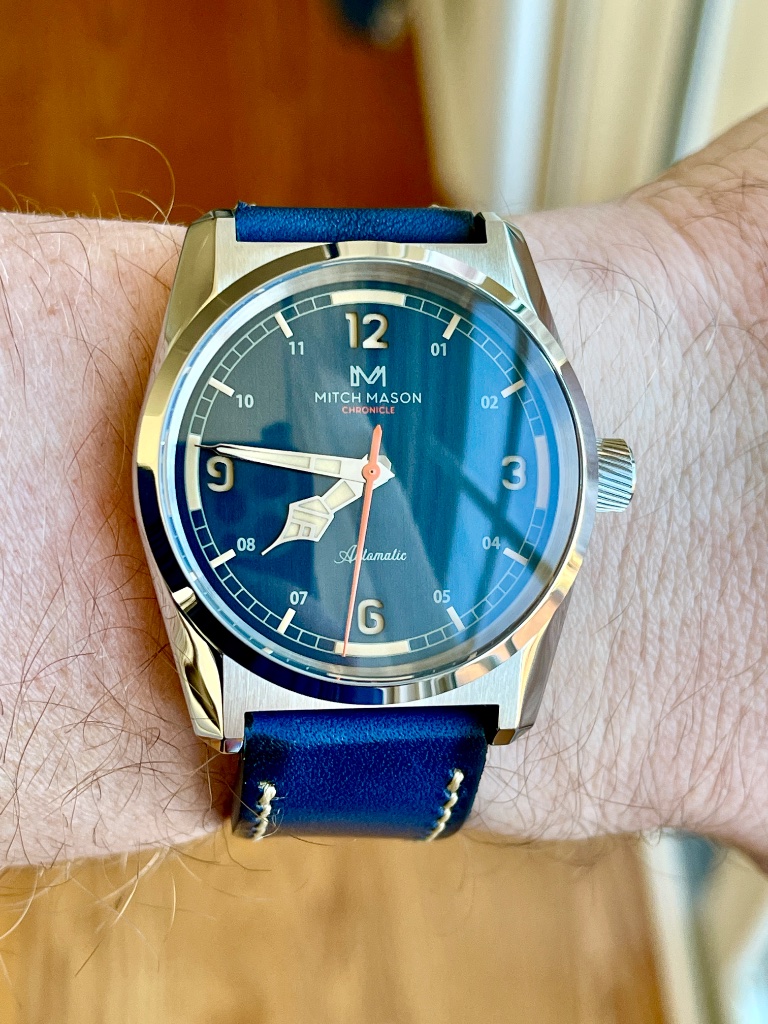
This is where the best modern microbrands have genuinely closed the gap. Compare a current Venezianico Nereide or a recent Formex against the sort of entry-level mechanical watch collectors defaulted to a decade ago, and the progress is obvious. Even brands like Mitch Mason and NEUTRA, working with more compact production runs, have shown how much design discipline and tactile quality can be delivered without resorting to luxury-house pricing.
For perspective, it is helpful to think of strong microbrands not only against one another, but against mainstream alternatives. If a buyer is considering a Hamilton Khaki Field, a Seiko Prospex, or a Citizen Series 8, a microbrand option should be able to compete on more than novelty. It should offer a distinct point of view, convincing execution, and a reason to exist beyond "better specs for less money."
Buying microbrands requires a collector’s mindset
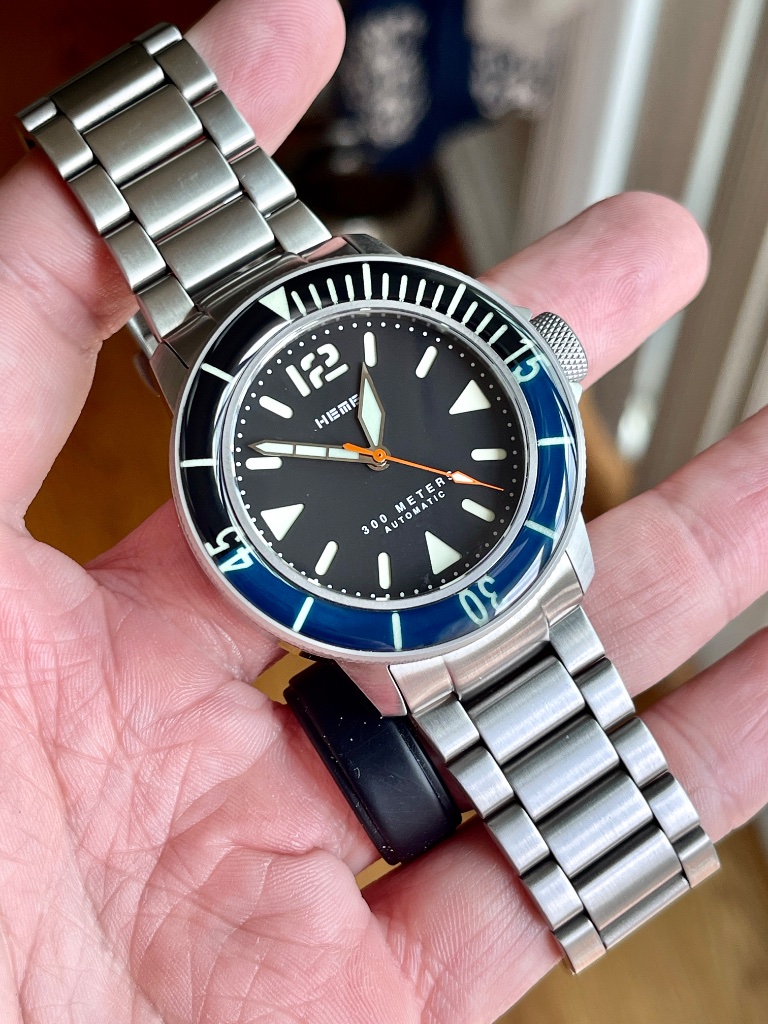
Microbrands reward curiosity, but they also ask for a little discernment.
First, buy the watch, not just the origin story. A passionate founder and beautiful brand photography can be persuasive, but the fundamentals still matter: dimensions, lug-to-lug length, water resistance, lume quality, movement choice, and after-sales support. Enthusiasm is not a substitute for infrastructure.
Second, understand the service path before you buy. If a watch uses a common movement, your local independent watchmaker may be able to handle it with ease. If it uses a more unusual caliber or proprietary parts, ask what support looks like several years down the line. This is collector wisdom that becomes more valuable with time.
Third, be realistic about resale. While a few sought-after releases develop strong secondary-market demand, most microbrands should be bought to wear and enjoy, not to flip. That is not a weakness. In many ways, it is a healthier way to collect.
Finally, pay attention to how a brand communicates. Clear specifications, honest lead times, responsive customer service, and transparent warranty policies tell you a great deal about the integrity of the operation. In the microbrand world, trust is part of the product.
Why microbrands matter to the hobby at large
The most exciting thing about microbrands is not that they challenge large brands on price. It is that they keep the culture of watch enthusiasm alive.
They prove that there is still room in horology for experimentation, personality, and direct conversation between maker and wearer. They give collectors a chance to discover something before it becomes obvious. They remind us that taste matters at least as much as status, and that a watch can be meaningful because it is thoughtfully made, not merely because it carries an old name on the dial.
That does not diminish the appeal of legacy brands. There will always be good reasons to love Hamilton, Seiko, Citizen, or the great Swiss maisons. But microbrands have earned their place beside them, not beneath them. At their best, they make the entire watch world more interesting.
And perhaps that is why they inspire such loyal followings. To collect microbrands is to remain open to discovery, to the thrill of finding a watch that feels personal, well judged, and a little off the expected path. In communities of collectors, those are often the pieces that start the best conversations.