
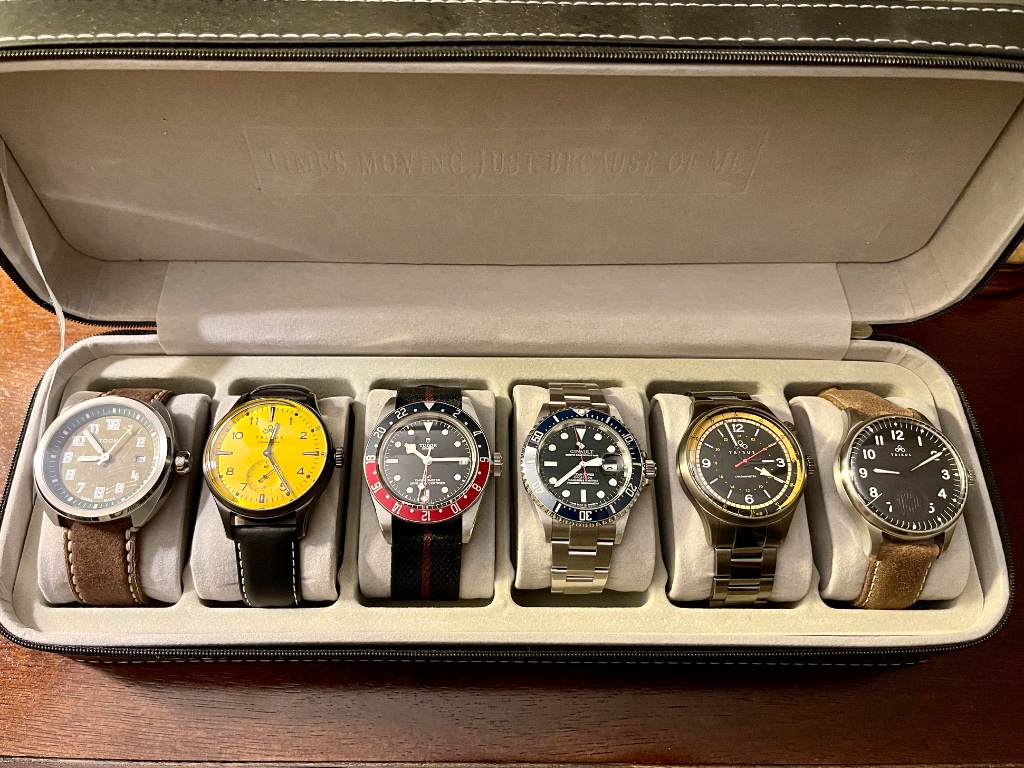

For a long time, microbrand watches occupied a strange corner of the hobby. They were admired by adventurous enthusiasts, dismissed by traditionalists, and often misunderstood by newcomers who assumed that anything outside the orbit of Seiko, Citizen, Hamilton, or Swiss luxury houses must be a compromise. That picture no longer fits reality.
Today, the best microbrands are not simply affordable alternatives. They are some of the most interesting expressions of modern watchmaking: nimble, enthusiast-driven, design-conscious, and often startlingly honest about what they are making and why. If you care about watches not just as status objects, but as objects of taste, engineering, and personality, microbrands deserve your attention.
The new meaning of a microbrand
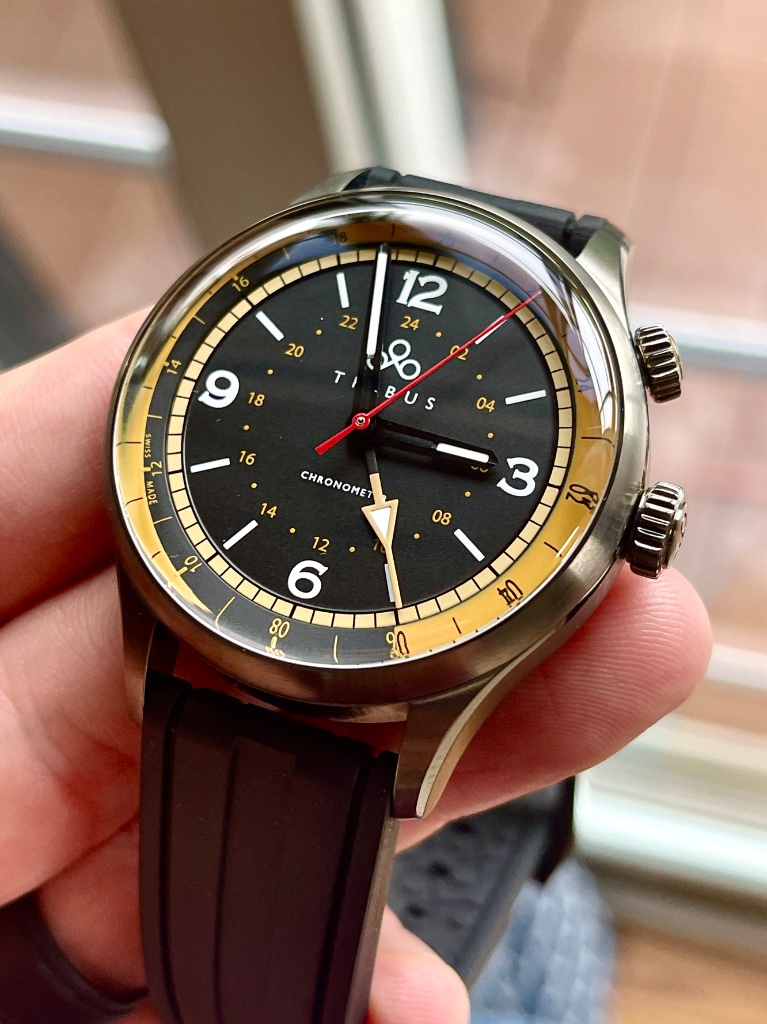
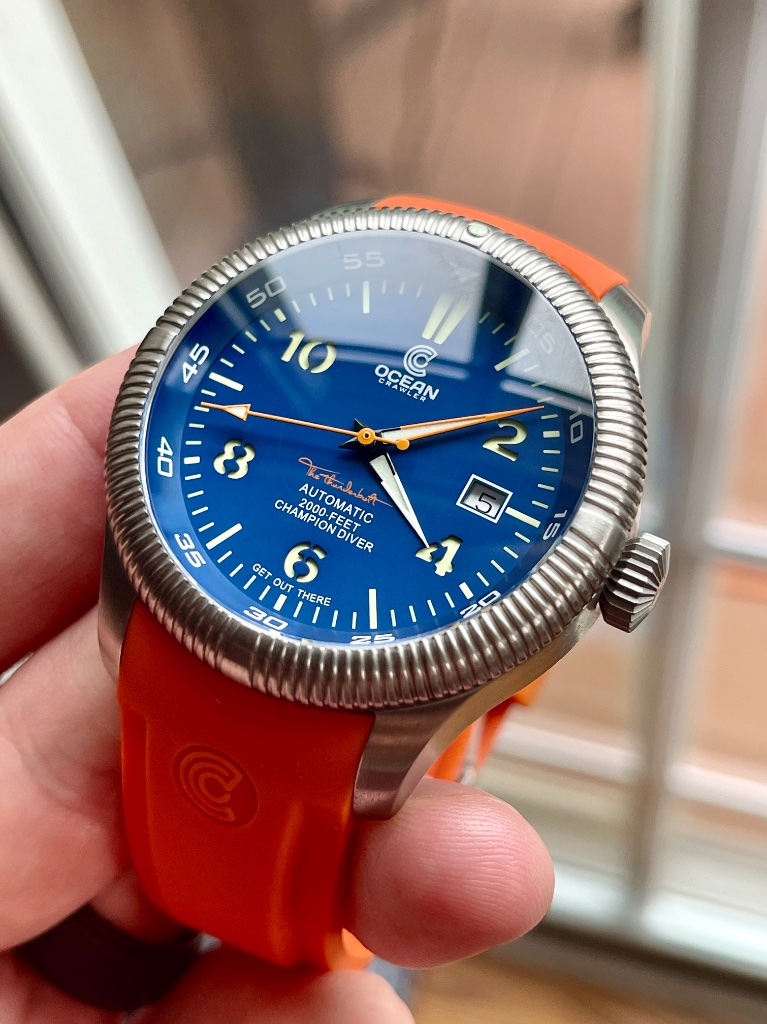
At its best, a microbrand is not defined by being small for its own sake. It is defined by intent. These are usually founder-led companies producing in modest quantities, often selling directly to collectors and building watches around a clear point of view. That can mean vintage-inspired restraint, bold color, unusually strong value, or a highly specific functional brief.
A brand like Baltic is a perfect example. The Aquascaphe and MR01 do not feel like random products dropped into the market to chase trends. They feel considered. The proportions are thoughtful, the visual references are coherent, and the watches carry a sense of identity that many larger brands struggle to maintain across sprawling catalogs.
The same is true of Farer, whose use of color and typography has become instantly recognizable, or Formex, which has built a reputation for technical refinement and excellent wearability with models like the Essence and Reef. Venezianico has brought a distinctly Italian sense of texture and presentation to pieces such as the Nereide, while brands like Mitch Mason and NEUTRA show how a younger company can still deliver maturity in design.
Not every microbrand succeeds, of course. But the category itself has evolved. These are no longer just passion projects assembled from catalog parts. Many work with respected suppliers, use proven calibers, and communicate with a level of transparency collectors increasingly value.
Why collectors keep coming back
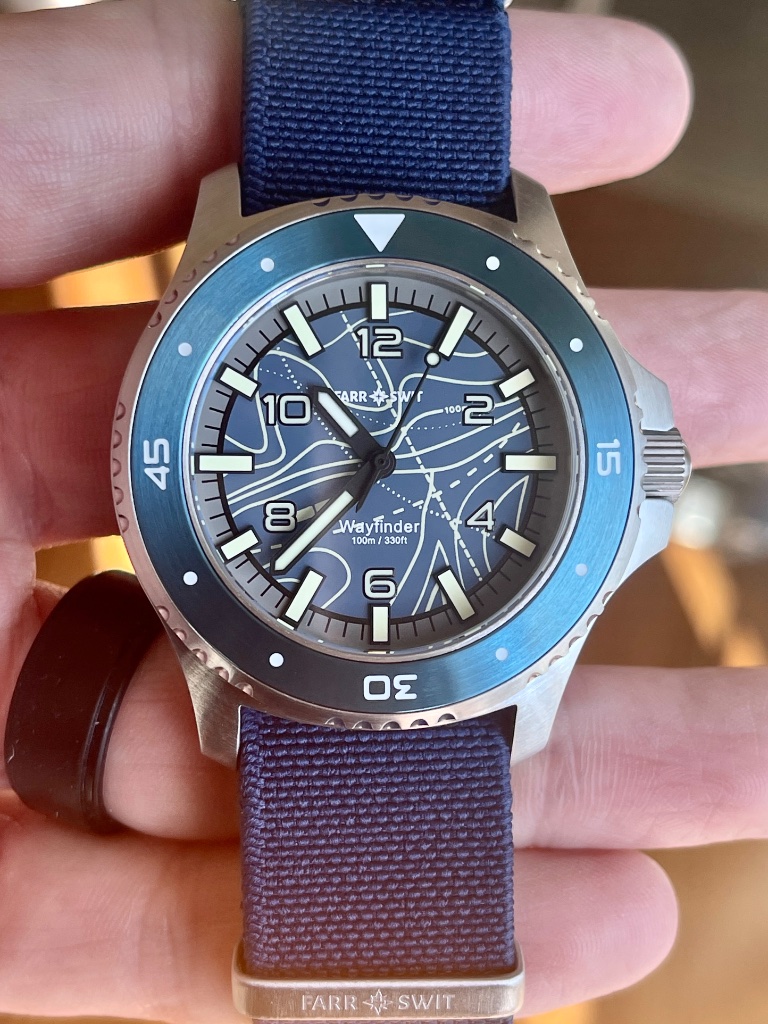
What draws people in is rarely just price. It is the feeling that someone who genuinely loves watches made a series of smart, disciplined choices.
Spend enough time in this hobby and you realize that collecting is not only about specifications. It is about proportion, tactility, detail, and emotional coherence. A 38 mm case that sits just right can matter more than a few extra hours of power reserve. A beautifully brushed bezel or a well-judged handset can make a familiar layout feel new again.
Microbrands often excel here because they are closer to the enthusiast mindset. They know collectors notice the shape of the crown guards, the length of the lugs, the tone of the lume, or whether the date window has been integrated with care. They know a watch lives or dies on the wrist, not in a spreadsheet.
That is why a Baltic Aquascaphe can feel more compelling to some collectors than a more mainstream diver. It is why Farer has earned loyalty through character rather than imitation. It is why Formex has impressed seasoned buyers who might already own Omega or Tudor, because comfort, clasp quality, and finishing still matter at every level.
There is also a freshness to microbrands that can be deeply appealing once you have seen a hundred variations of the same familiar icons. Seiko and Citizen remain giants for good reason, and Hamilton still makes one of the best gateway watches in the Khaki Field line. But smaller brands often have the freedom to be specific in a way big companies cannot. That specificity is magnetic.
Value is more than a movement choice
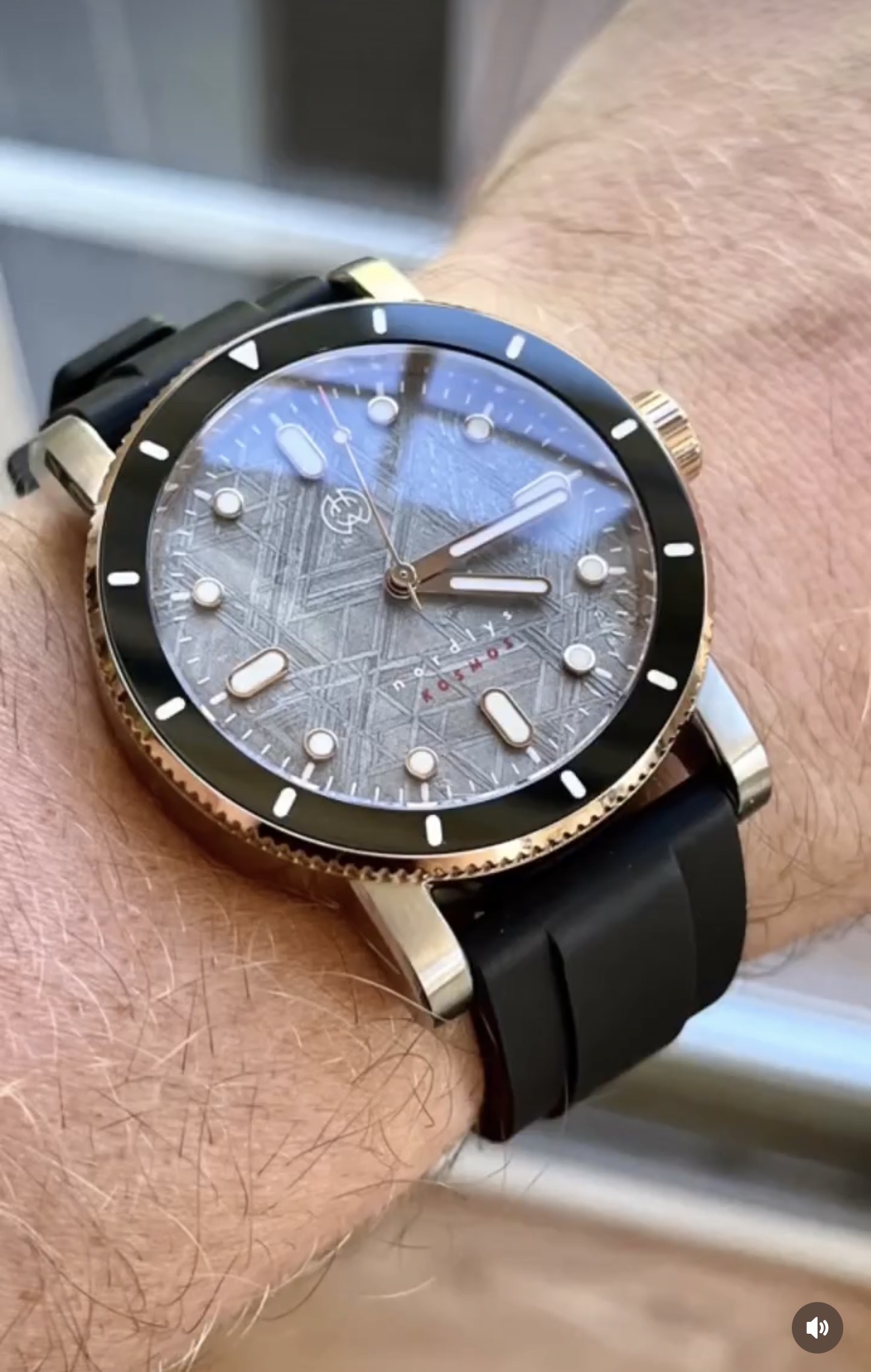
One of the easiest mistakes in modern collecting is to reduce a watch to its movement. Yes, calibers matter. A Sellita SW200-1, Miyota 9039, Seiko NH35, or La Joux-Perret G100 each tells you something about the watch's architecture, serviceability, and likely price position. But movement selection is only part of the story.
A well-executed NH35 watch can be more satisfying than a poorly considered Sellita build. Regulation, case finishing, handset quality, crystal clarity, bracelet articulation, clasp execution, and after-sales support all shape ownership far more than many buyers expect.
This is where the strongest microbrands distinguish themselves. Formex, for instance, has built serious credibility by focusing on engineering details the wearer feels every day. Baltic has shown how thoughtful design can elevate familiar mechanics. Even brands using relatively common movements can create something distinctive when the watch is balanced and well edited.
Collector wisdom here is simple: do not buy a microbrand because the spec sheet looks unbeatable in isolation. Buy because the watch makes sense as a whole. Does the design feel resolved? Are the dimensions believable for real-world wear? Has the brand invested in the parts of the watch you actually touch and see?
And keep your expectations realistic about resale. Some microbrands hold value better than others, but resale is rarely the main proposition. The smarter approach is to buy what you would be happy to keep. In this category, conviction tends to be rewarded more than speculation.
How to buy microbrands like a collector
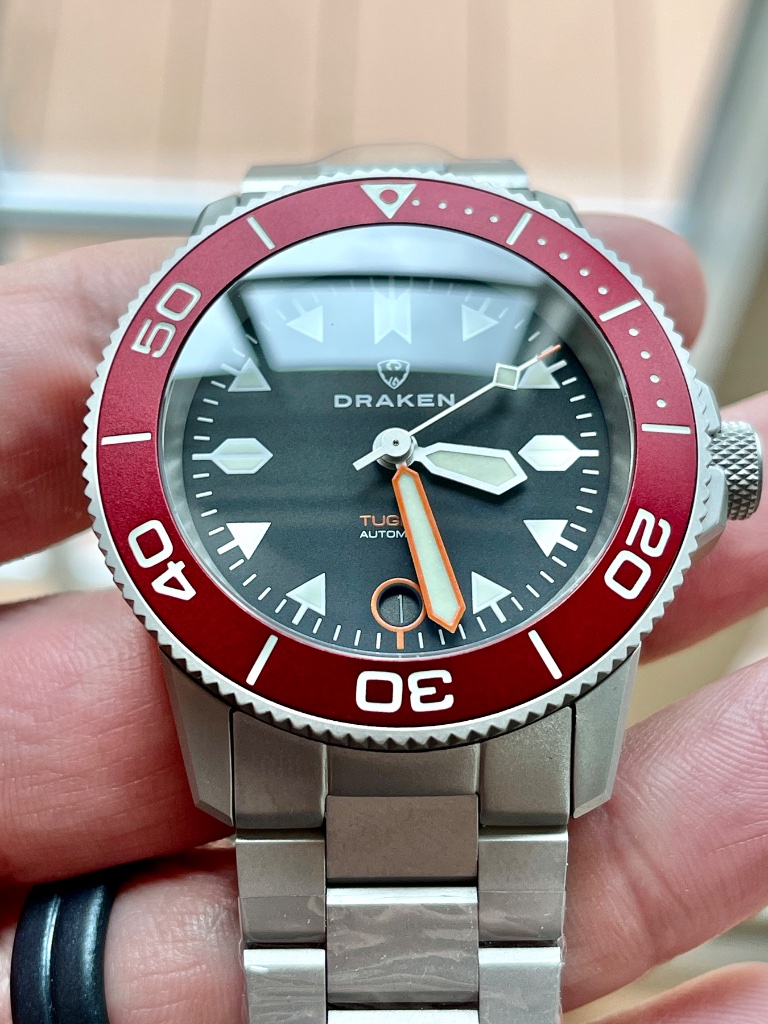
The romance of discovery should be balanced with discipline. Before ordering, look beyond launch photos. Read long-term owner impressions, study wrist shots in ordinary light, and pay attention to thickness figures that include the crystal, not just the mid-case.
Research the founder and the brand's communication style. Are they clear about where the watch is assembled? Do they explain the movement, warranty, and service process in the United States? Can they source spare links, clasps, or replacement parts if needed? A beautiful watch becomes much less appealing if support disappears six months later.
It is also worth asking whether the design has a point of view or is merely a familiar silhouette in a new color. Homage fatigue is real. The microbrands that endure tend to add something of their own, whether through case architecture, dial design, or a stronger emotional signature.
Finally, be careful with preorder urgency. Limited runs can be exciting, but fear of missing out is a poor substitute for genuine attraction. The best purchases usually survive a little reflection.
The pleasure of wearing something personal
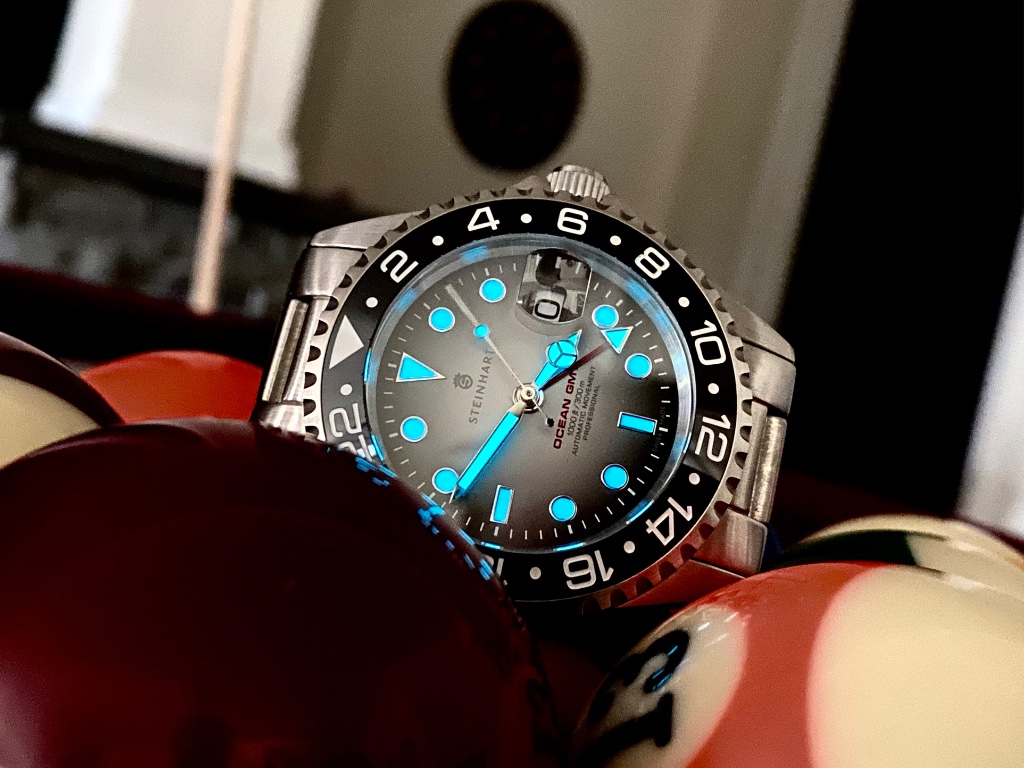
There is a special satisfaction in wearing a watch that prompts a different kind of conversation. Not because it is obscure for the sake of obscurity, but because it reflects curiosity. A microbrand piece says the owner looked beyond the obvious, paid attention, and chose with intention.
That is why microbrands matter more than ever. They keep the hobby alive at a human scale. They give newer collectors a route into thoughtful design without demanding luxury-house money, and they give seasoned enthusiasts a chance to rediscover what first made watches fascinating.
In the end, the best microbrands remind us that collecting is not a race toward the most recognizable logo. It is a search for resonance. And few things are more enjoyable than comparing those discoveries with other people who notice the same small details - the sort of conversation that always feels at home in a good watch club.