
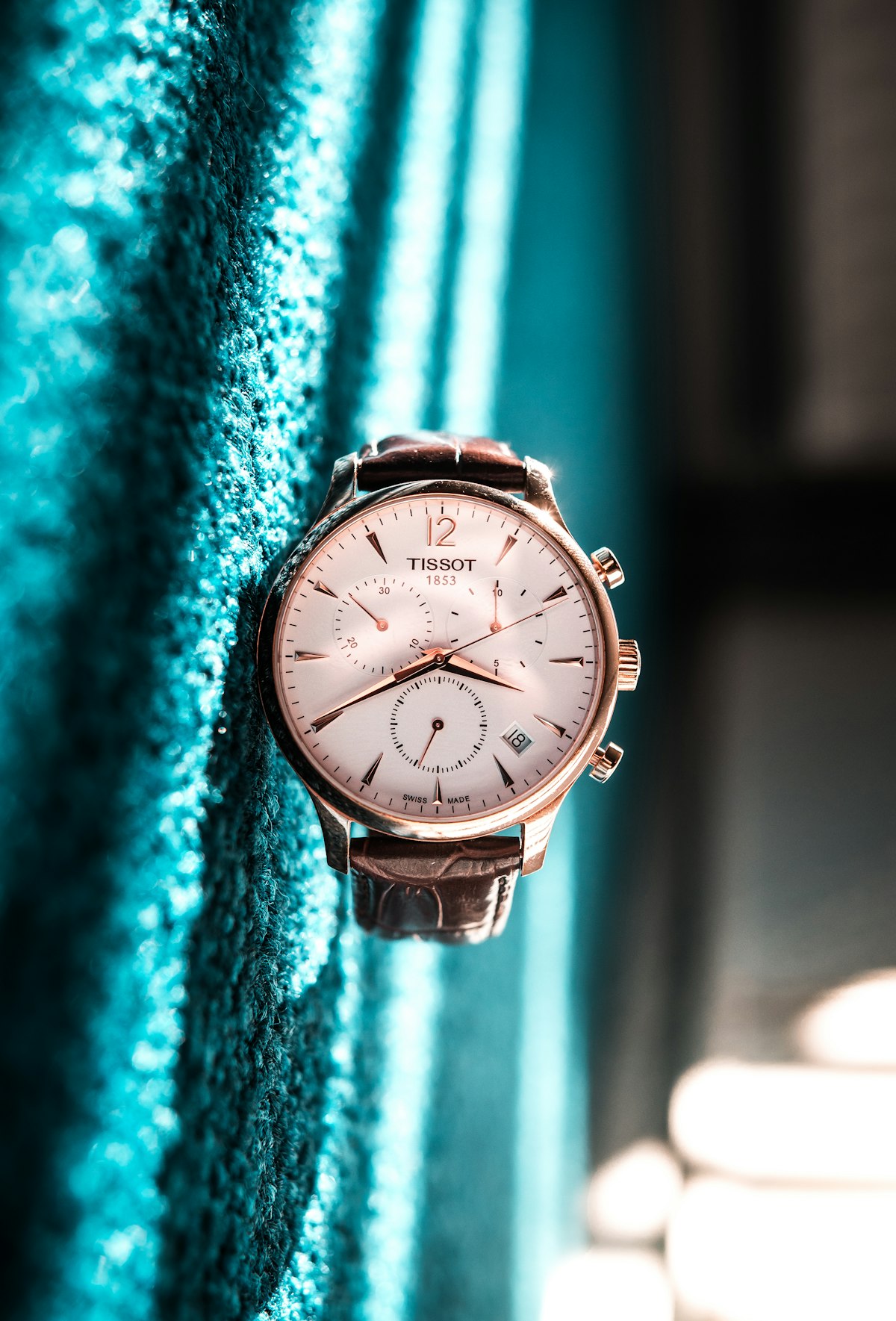
The Silent Ticking Clock: Why Service Matters
There is a peculiar anxiety that settles in when you realize your Rolex Submariner has been keeping perfect time for seven years without ever seeing the inside of a workshop. As collectors, we often treat our mechanical watches like static art, forgetting that beneath that sapphire crystal is a frantic, microscopic ballet of oil, steel, and brass. I remember the first time I sent my grandfather’s vintage Omega Speedmaster in for service; there was a palpable relief in knowing that the heart of the watch—the movement—was being cleared of the congealed oils that had been slowly grinding against its gears for a decade. Proper maintenance isn't just a chore; it is an act of stewardship.
Understanding the Service Interval: The 5-to-7 Year Rule
For most modern mechanical movements, the standard recommendation is to have a professional service every five to seven years. However, this is not a hard-and-fast law.
Factors Influencing Service Frequency
- Water Resistance: If you frequently dive with your Tudor Pelagos, those seals are your only line of defense. Rubber gaskets degrade over time, losing elasticity even if you don't hit the water. If your watch loses its water resistance rating, moisture enters the case, causing catastrophic rust.
- Complications: A simple Patek Philippe Calatrava is easier to service than an annual calendar or a perpetual calendar. More moving parts mean more points of potential friction.
- Usage Patterns: A watch worn daily is less prone to oil coagulation than one that sits in a safe for years. When a watch sits, the oils can migrate away from the pivots and dry out, leading to 'dry friction.'
What Actually Happens During a Service?
When you hand your watch to a certified horologist, it undergoes a rigorous process that justifies the $500 to $1,500+ price tag.
The Anatomy of a Service
- 2Disassembly: Every single component, from the mainspring barrel to the tiny screws in the balance cock, is removed.
- 4Cleaning: Parts are placed in specialized ultrasonic machines with specific cleaning solvents to strip away old, polymerized oil and microscopic metal shavings.
- 6Inspection: The watchmaker inspects every jewel and gear for wear. Parts like the mainspring or the hairspring are often replaced automatically.
- 8Lubrication: This is the 'secret sauce.' Modern synthetic oils are applied with surgical precision. Too little, and you get friction; too much, and the oil spreads, contaminating other parts.
- 10Regulation: The watch is placed on a Witschi timing machine to ensure it meets the manufacturer’s COSC or internal standards (e.g., the +2/-2 seconds per day for Rolex Superlative Chronometers).
The Cost of Neglect
Neglect is the most expensive way to own a watch. If you ignore a dry movement, the gears begin to grind metal-on-metal. Eventually, the power reserve will drop, and the amplitude—the swing of the balance wheel—will suffer. By the time you notice the watch running poorly, the movement is often damaged, requiring expensive part replacements rather than a simple 'overhaul.'
Professional Service vs. Third-Party Bench
Choosing where to send your watch is as important as the service itself.
- Manufacturer Service: Best for warranty preservation and vintage pieces where specific original parts are required. While expensive, it offers the peace of mind of brand-certified technicians.
- Independent Horologist: Often faster and more personable. If you have a reputable local watchmaker who works on ETA or Sellita movements, they can provide exceptional results for a fraction of the cost of a flagship boutique.
The Keeperbox Advantage
Navigating the world of watch ownership—from service schedules to selecting your next grail—is a journey best taken with a community. At Keeperbox Watch Club, we understand that the joy of collecting is in the rotation. By subscribing to Keeperbox, you can experience a curated selection of luxury timepieces without the immediate burden of maintenance and long-term service costs on every single watch in your collection. Explore our diverse catalog to find your next obsession and join a club that treats horology with the respect it deserves.