


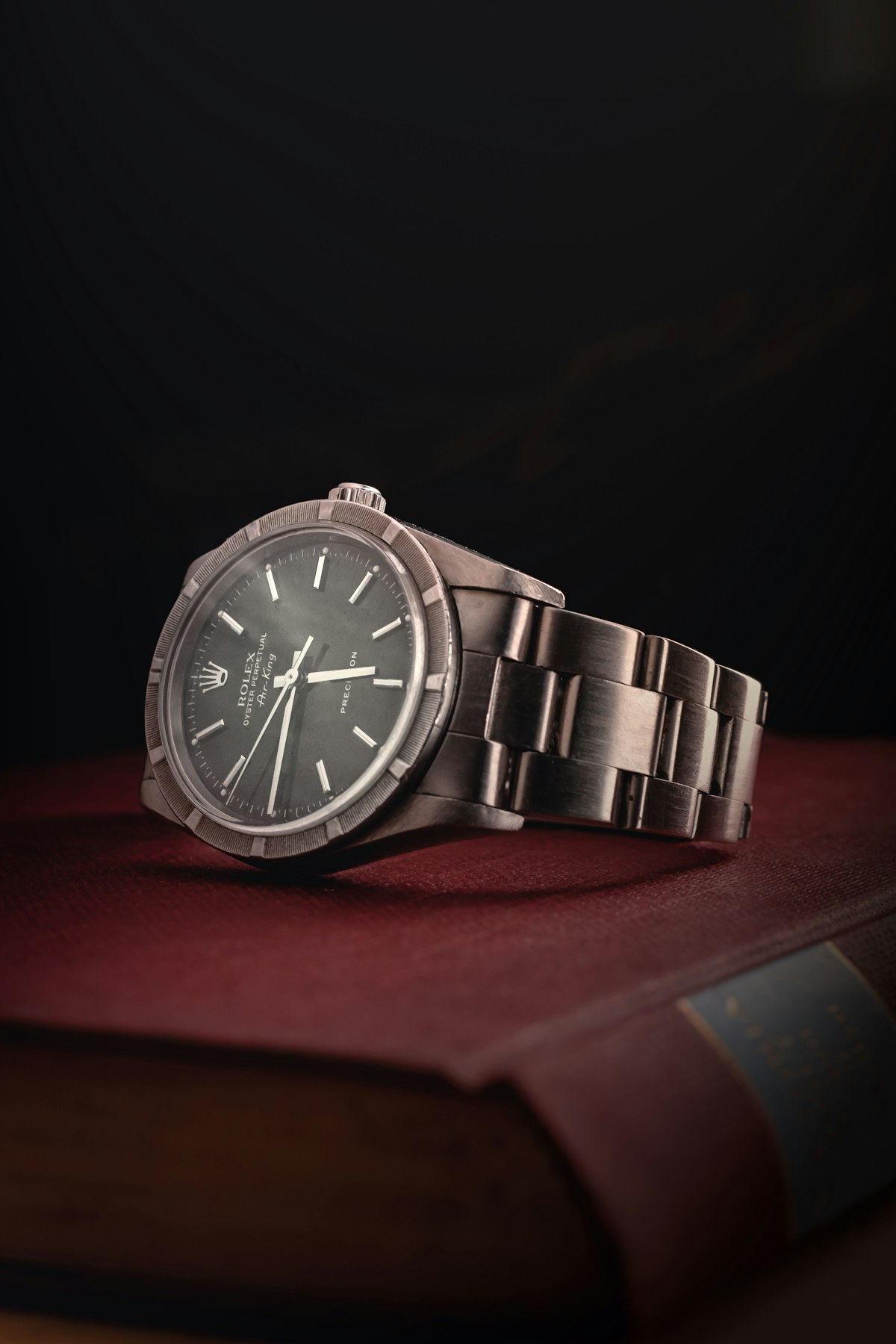
The Living Machine on Your Wrist
There is a specific, quiet magic in the oscillation of an automatic movement. Unlike quartz pieces powered by sterile batteries, your mechanical watch—whether it is a rugged Seiko or an exquisite Patek Philippe—is a living, breathing mechanical organism. I remember the first time I held a vintage Omega Speedmaster; the realization that I was holding a heart made of brass, steel, and synthetic rubies that had been beating for decades changed how I viewed time itself. However, that beauty comes with a responsibility. Neglect is the silent killer of horological excellence, and a lack of proper maintenance turns a masterpiece into a paperweight.
Understanding the Anatomy of Care
To maintain your watch, you must first respect its complexity. Most modern automatic movements, such as the ETA 2824-2 or the in-house Rolex Calibre 3235, consist of hundreds of miniature parts working in unison under constant tension.
The Enemies of Precision
- 2Magnetism: This is the invisible culprit behind most 'broken' watches. Living near laptops, smartphones, and induction cooktops subjects your watch to magnetic fields that can pull the hairspring coils together, causing the watch to run drastically fast. If your watch is suddenly gaining 30 seconds a day, it is likely magnetized.
- 4Moisture: Even watches rated for 300m, like the Tudor Pelagos, are not invincible. Over time, rubber gaskets (o-rings) dry out and crack. A single swim with compromised gaskets is all it takes to ruin a movement with rust.
- 6Shock: While a G-Shock is built for impact, a delicate dress watch like a Cartier Tank is not. Avoid high-impact sports while wearing thin mechanical pieces.
The Routine: A Maintenance Schedule
Consistency is the hallmark of a serious collector. You don't need to be a watchmaker, but you do need a system.
Daily Habits
- Winding: If you aren't wearing the watch daily, give it a manual wind—about 20-30 turns of the crown—to keep the lubricants distributed. Don't over-wind; once you feel resistance, stop.
- Cleaning: Use a soft, lint-free microfiber cloth after every wear to remove skin oils and salt, which can corrode stainless steel over time, especially around the spring bars.
Monthly Checks
- Accuracy Tracking: Use an app like Toolwatch to track your watch’s deviation over a week. If you notice a sudden shift, it’s a red flag for service.
- Gasket Inspection: Visually inspect the crown. If it feels 'gritty' when pulling out, it’s time for a professional cleaning to remove accumulated debris.
When to Visit the Professional
There is a fine line between a enthusiast and an amateur mechanic. Do not attempt to open your Grand Seiko case back without the proper specialized tools (like a Bergeon case opener). A movement service is generally required every 5 to 7 years. During this service, a watchmaker will disassemble the movement, clean it in an ultrasonic bath, replace worn components, and re-lubricate the 'jewels' that allow the gears to spin with minimal friction.
The Role of Watch Rotations
One of the best ways to maintain a collection is to keep the oil from settling and ensure all functions (chronographs, date wheels) remain operational. This is exactly where the Keeperbox Watch Club shines. By subscribing, you can rotate through a premium selection of watches, ensuring that you aren't just wearing the same piece until it wears down, but rather enjoying a varied rotation that keeps your personal collection fresh while learning about the maintenance requirements of different movements. Membership allows you to test-drive high-end complications and gauge how different brands build their cases, making you a more educated collector in the process.