
For anyone entering the hobby, the phrase "investment watch" arrives early and often. It is usually spoken with equal parts excitement and anxiety, as though a good purchase should deliver emotional satisfaction, mechanical fascination, and financial upside all at once. Seasoned collectors know the truth is more nuanced. Most watches are not investments in the strict Wall Street sense. But some are excellent stores of value, and a select few become truly rewarding long-term holdings.
The difference matters.
A thoughtful watch purchase should first be a pleasure to own. The strongest collections are rarely built by chasing whatever is hottest on social media this month. They are built by understanding why certain watches remain desirable year after year: clarity of design, serviceable mechanics, brand trust, and the quiet confidence that comes from buying well.
Value begins where hype ends
If you approach watches expecting stock-market returns, disappointment is likely. Even highly sought-after pieces can cool quickly, and the costs of ownership, insurance, servicing, and illiquidity are real. Yet that does not mean value is imaginary. In horology, value retention often belongs to watches with lasting appeal rather than explosive buzz.
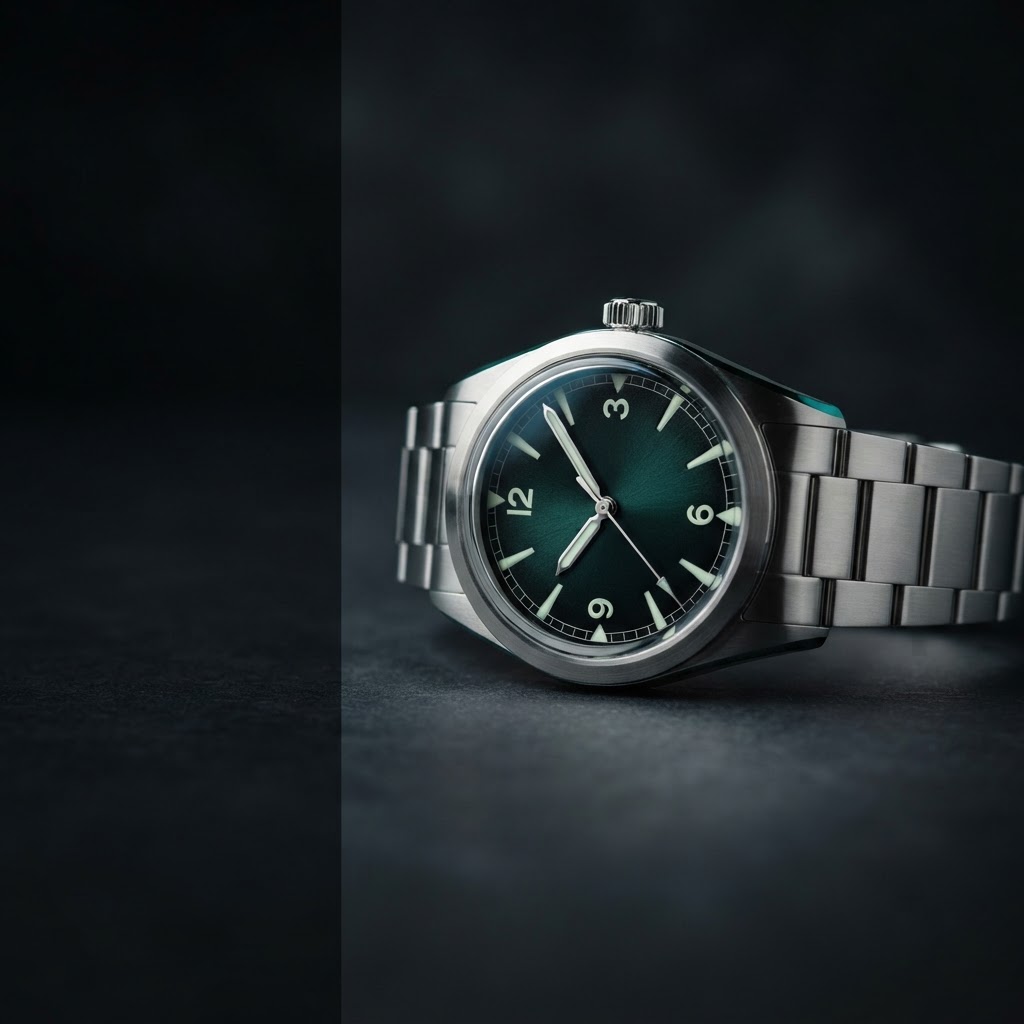
Consider the Hamilton Khaki Field Mechanical. It is not rare, nor marketed as a speculative asset, but it has enduring design language, military credibility, and broad collector respect. The same can be said for models like the Seiko Alpinist or the SPB143, watches whose appeal stretches well beyond trend cycles. These are the kinds of pieces that tend to age gracefully in a collection because people continue to want them after the excitement fades.
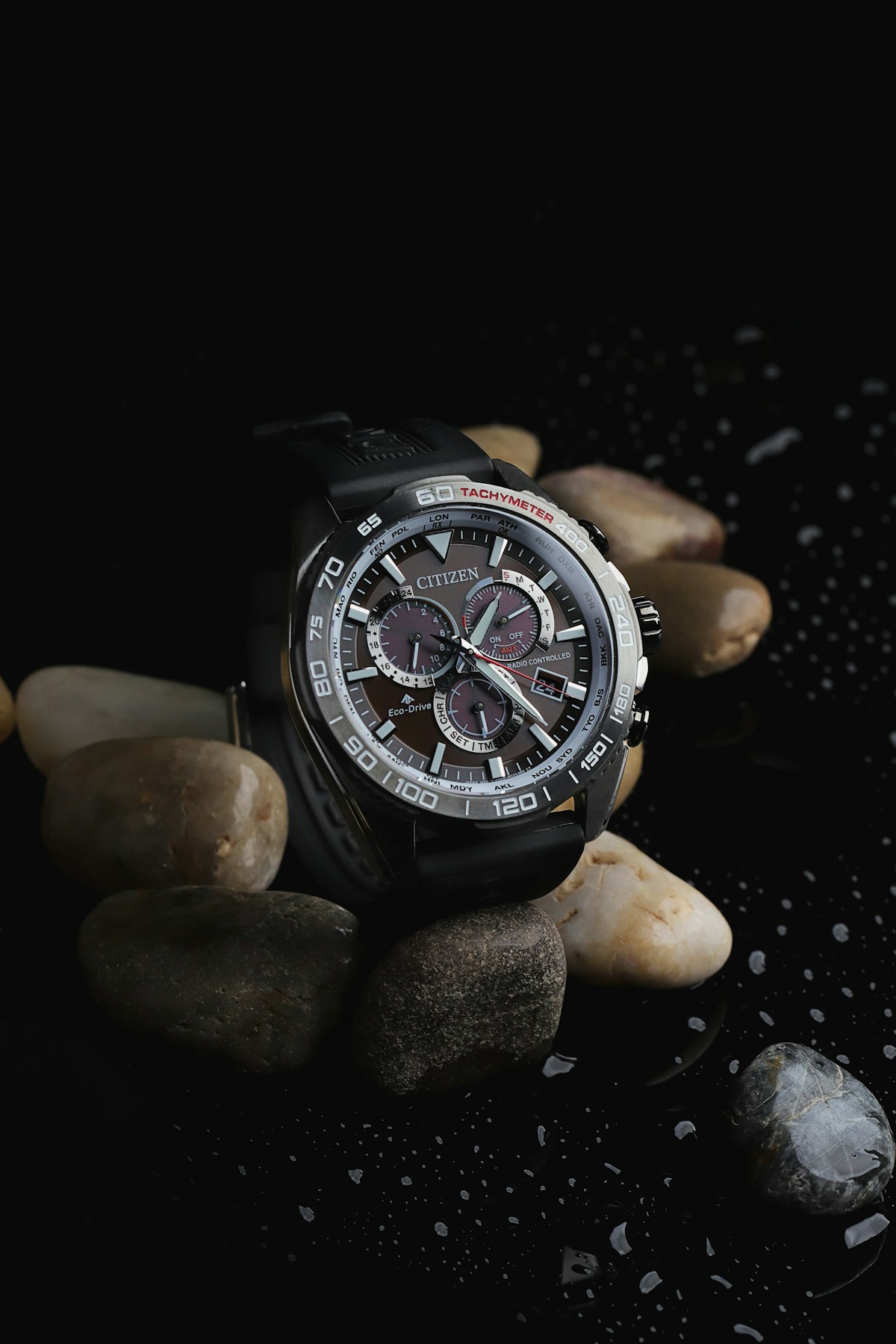
That idea scales upward and downward. A young collector buying a Citizen Promaster or a Baltic Aquascaphe can practice the same discipline as a veteran weighing a more expensive acquisition: ignore the noise, study the object, and ask whether the watch will still feel relevant in five years.
What actually supports long-term value
Long-term value in watches usually rests on three pillars: design integrity, brand credibility, and ownership practicality.
Design integrity is the easiest to feel and the hardest to fake. A watch with balanced proportions, a coherent dial, and a case shape that does not rely on gimmicks has a better chance of staying desirable. This is why some modestly priced watches punch above their class. The Baltic MR01 gained attention not because it promised huge returns, but because it offered charm, restraint, and a distinctive character uncommon at its price point. Farer has built a following in much the same way, pairing adventurous color with serious design discipline.
Brand credibility matters too, though not only in the obvious luxury sense. Collectors want confidence that a maker will stand behind the watch, maintain parts access, and preserve a clear identity. Hamilton, Seiko, and Citizen have deep histories and global service networks, which helps resale resilience. But newer independent and microbrand names can also earn trust when they show consistency. Formex is a strong example: technical quality, transparent pricing, and excellent finishing have given the brand a reputation that supports demand on the secondary market.
Then there is practicality. A watch is easier to own, sell, and recommend when servicing is straightforward, strap and bracelet fit is well sorted, and the wear experience matches the promise. Comfort and usability are not soft considerations; they are part of value.
The movement matters, but maybe not how you think
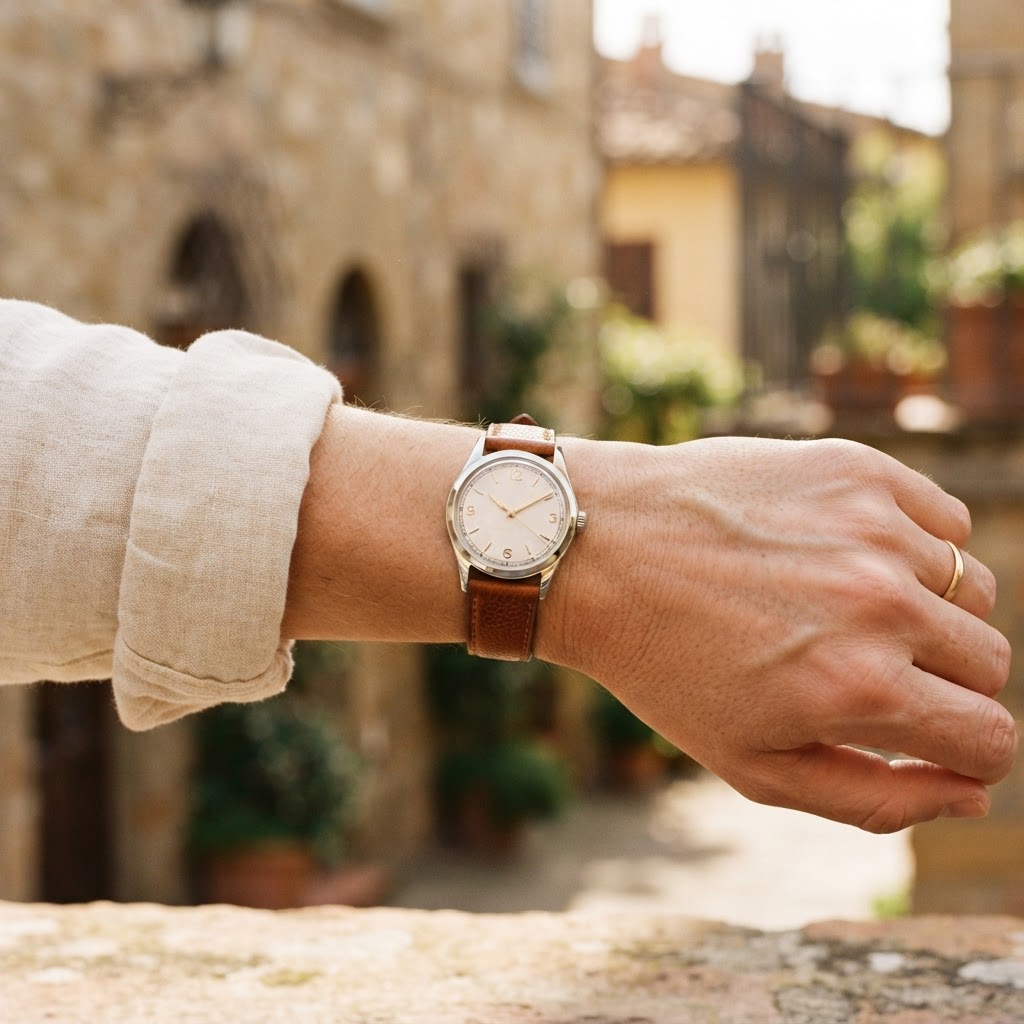
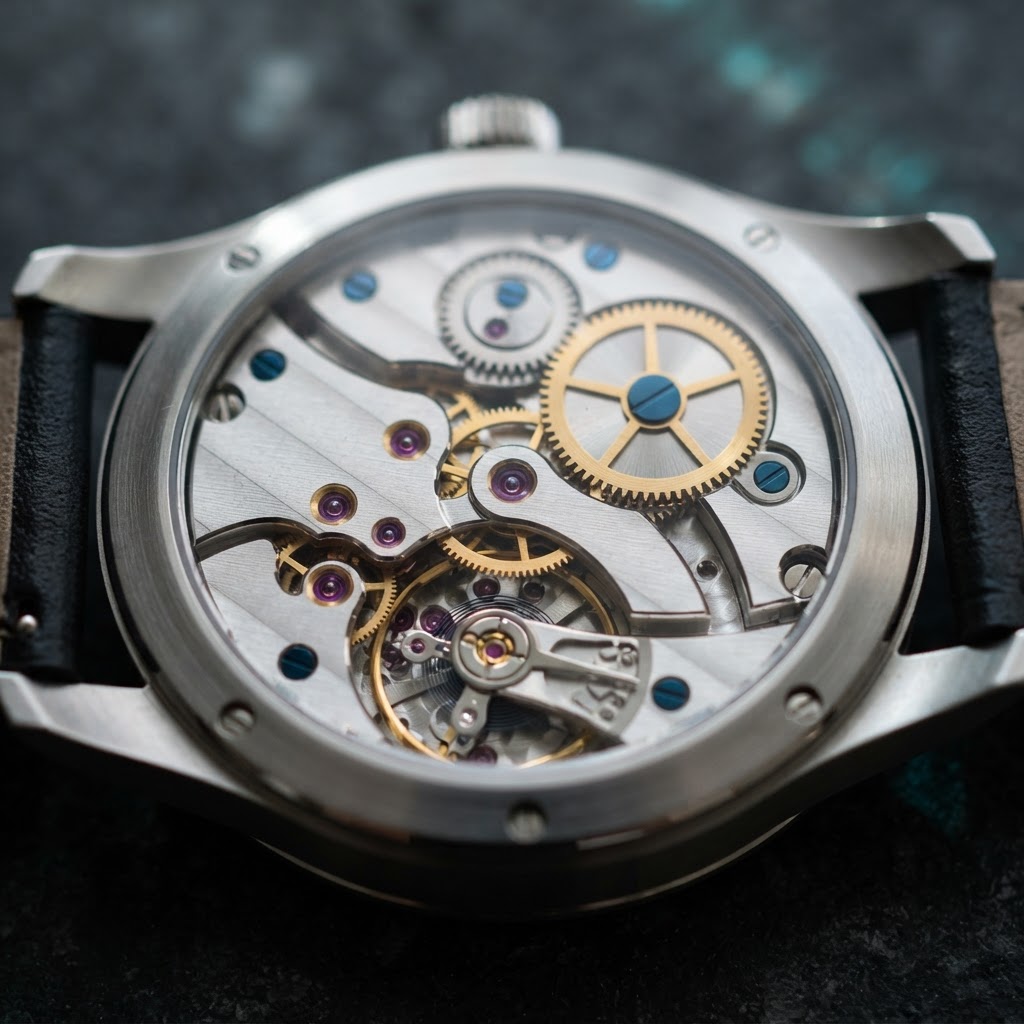
Collectors often speak about movements as if the mere phrase "in-house" settles the matter. In reality, investment-minded buyers should care less about marketing labels and more about reliability, parts availability, and the reputation of the caliber inside.
There is a reason movements like the ETA 2824, Sellita SW200, Miyota 9015, and even the humble Seiko NH35 appear so frequently across respected brands. They are known quantities. Watchmakers can service them. Parts are widely available. They are easy to explain to the next buyer. That kind of mechanical transparency supports liquidity.
A more exclusive caliber can absolutely add value, especially when it is beautifully executed or historically important, but exclusivity without serviceability can become a liability. Even at accessible price points, collectors are beginning to appreciate this distinction. A Formex with a Sellita SW200, a Farer GMT with a reliable Swiss automatic, or a Venezianico equipped with a proven movement may be a more sensible long-term buy than a flashier piece with uncertain support.
For vintage buyers, the rule becomes stricter still: rarity is only attractive when it does not turn every future repair into an archaeological expedition.
Condition, completeness, and timing still rule the market
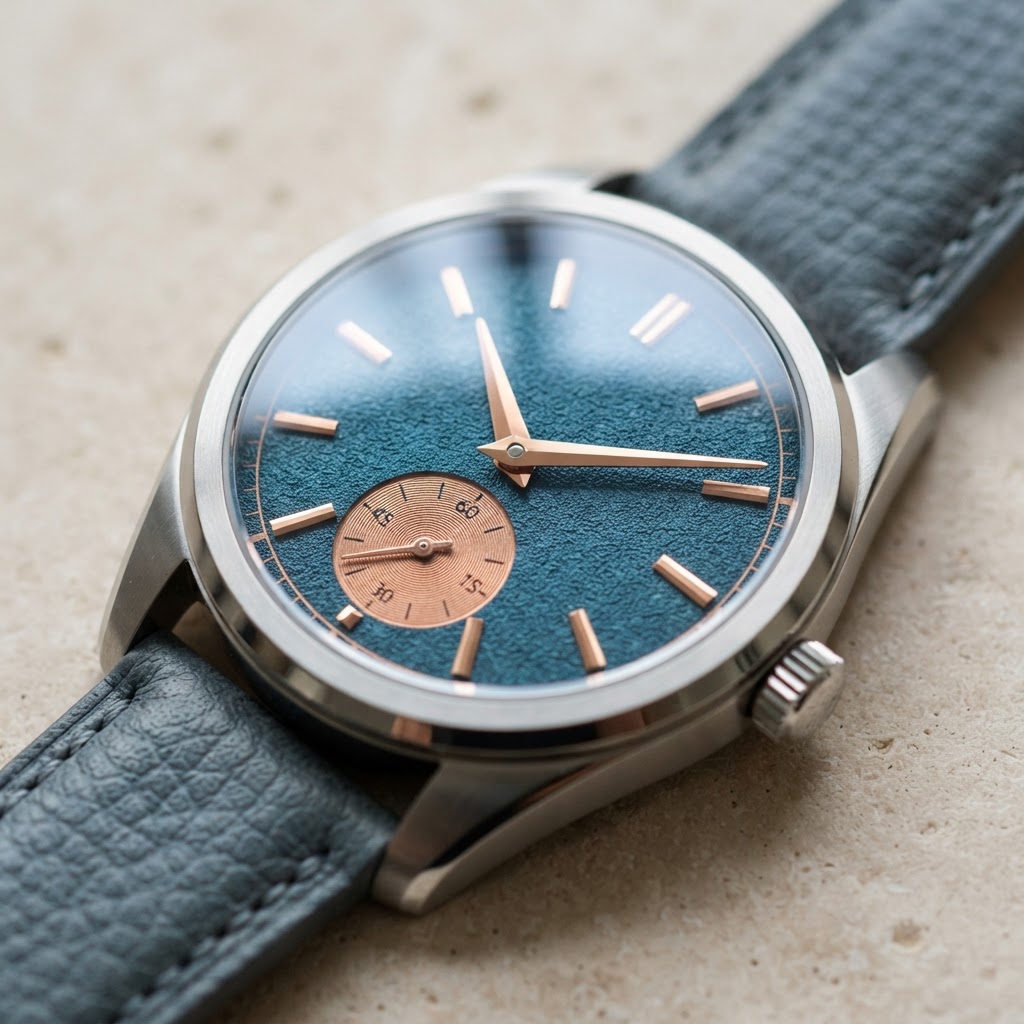
If design and mechanics create baseline desirability, condition is what separates a good buy from a mediocre one. Sharp case lines, an unoverpolished profile, clean lume, original hands, and a healthy movement can materially affect value. Box and papers are not everything, but in the modern market they still matter, especially for more expensive pieces.
The practical collector learns to buy the watch, not the story. A seller may emphasize a "rare" dial variation, but if the case has been polished into anonymity or the service history is unknown, the discount should reflect that. On the other hand, a complete set with recent service records and an original bracelet often proves easier to sell later, even if the purchase price is slightly higher.
Timing matters too. Buying into a frenzy is usually the costliest mistake. Many watches that become impossible to find at retail eventually settle into a rational secondary-market price. Patience is one of the most underrated tools in collecting.
Microbrands, limited runs, and the modern collector’s dilemma
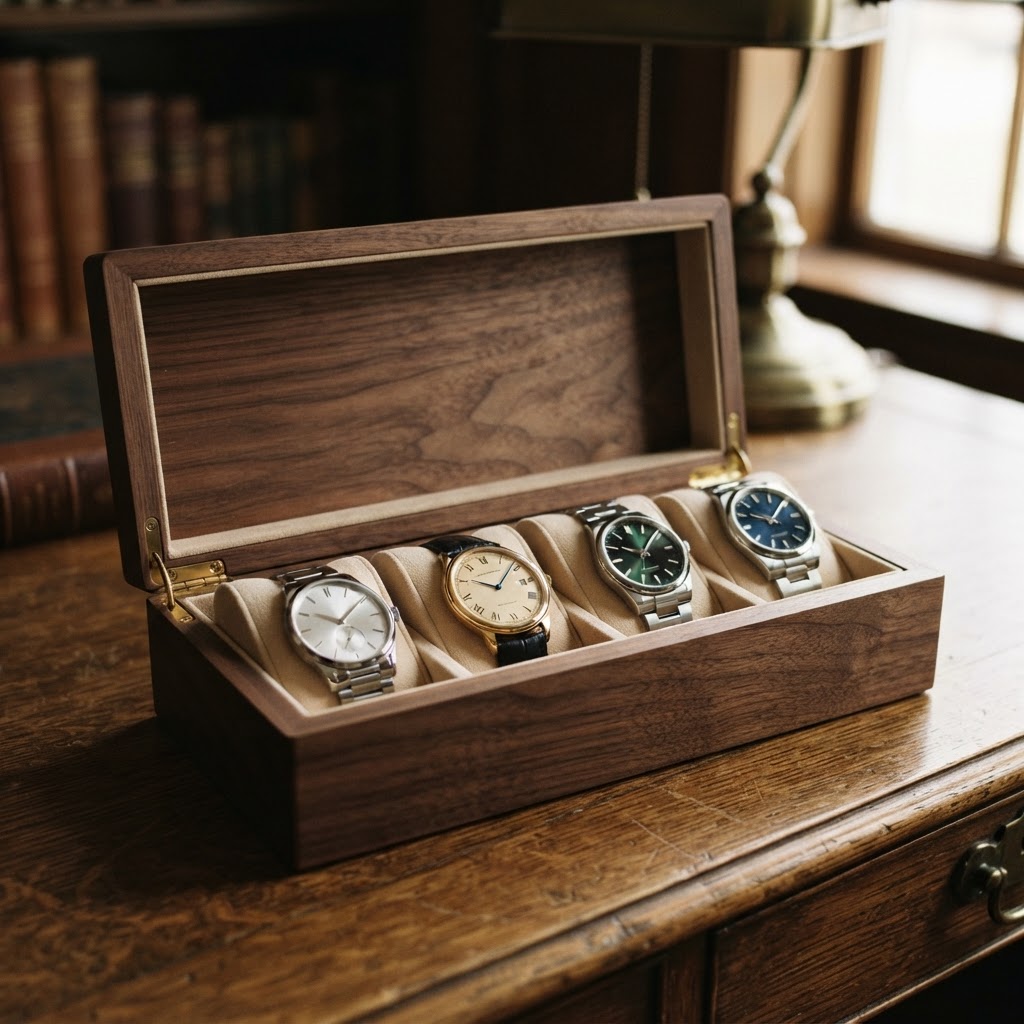
This is where the conversation becomes especially interesting. Most microbrands are not investment vehicles in the traditional sense, and they should not be bought as if they are. But dismissing them entirely would ignore how today’s collecting culture actually works.
Brands like Baltic, Formex, Farer, Mitch Mason, NEUTRA, and Venezianico have shown that thoughtful design, good finishing, and honest communication can generate durable enthusiasm. Some references from these brands hold value surprisingly well, particularly when production runs are limited but not artificially inflated, and when the watch offers something genuinely distinctive.
Still, selectivity is essential. The microbrand landscape is crowded, and not every attractive release matures into a sought-after piece. Look for consistency across multiple collections, evidence of after-sales support, and watches that would still be compelling if the brand stopped posting on Instagram tomorrow. A limited edition alone is not a thesis.
The smartest return is the one you can wear
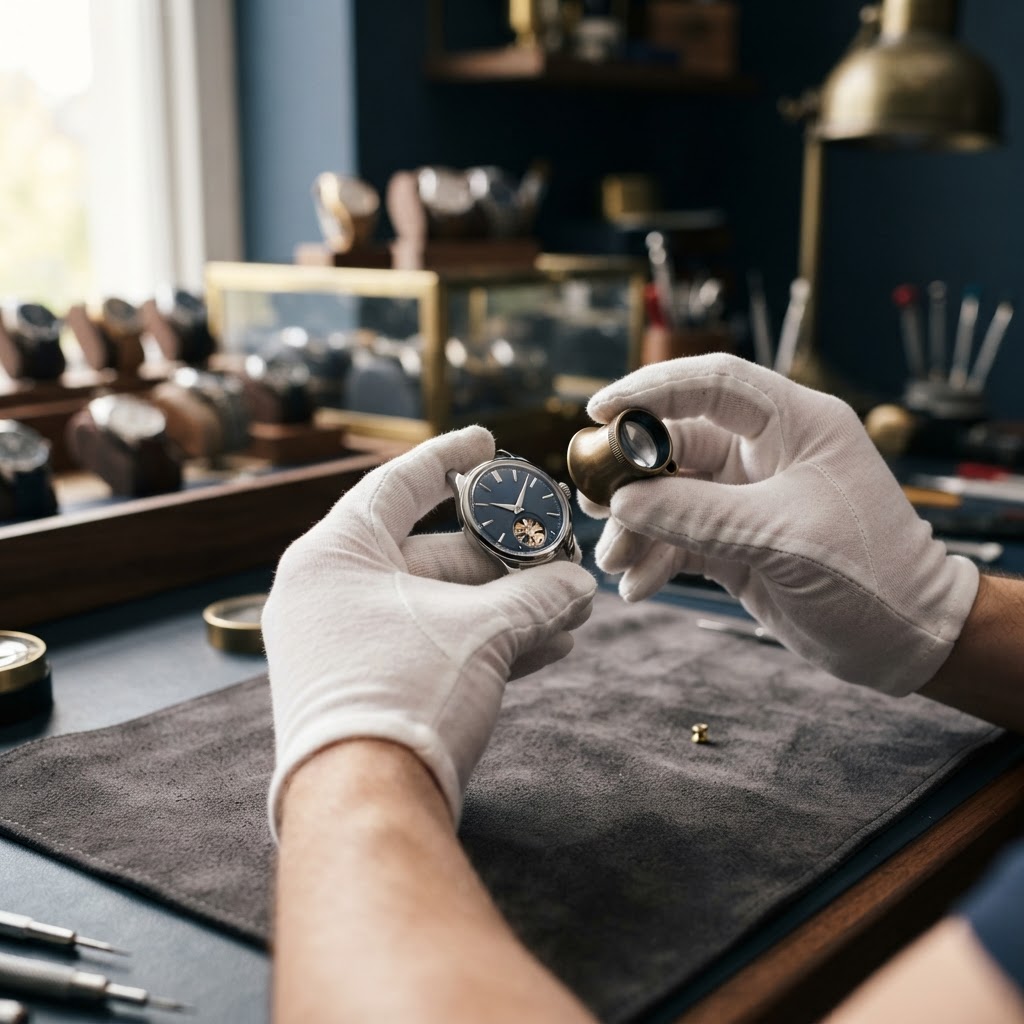
Perhaps the best collector wisdom is this: buy watches you would be happy to keep if the market disappeared overnight.
That mindset changes everything. It encourages you to notice dial depth rather than price charts, to value a well-cut handset over temporary scarcity, and to choose the watch that earns wrist time instead of the one that merely wins attention. Financial discipline still has a place, of course. Buy the best example you can afford. Favor serviceable movements. Study secondary prices. Be patient. Keep documentation. But remember that the most satisfying return in watch collecting is often the overlap between emotional enjoyment and sensible purchasing.
In the end, a strong watch investment is rarely about prediction. It is about judgment. Learn what quality feels like. Learn which brands have earned trust. Learn how the market behaves when the spotlight moves on. That is how collections become more coherent, more personal, and yes, more financially resilient.
And if you spend enough time around serious enthusiasts, you begin to realize that this kind of judgment is sharpened in conversation as much as in solitary research. The best collectors are always learning from one another, one watch at a time.