


The difference between price and value
There is a particular kind of excitement that comes with buying a watch you believe might appreciate. It is part scholarship, part instinct, and part optimism. But in horology, investment is rarely as simple as buying whatever is hot and waiting for the market to catch up. The watches that reward collectors over time usually do so because they sit at the intersection of design, quality, provenance, and enduring desirability.
That is why the most useful way to think about watch collecting as an investment is not as speculation, but as disciplined ownership. A good investment watch is not merely expensive, rare, or difficult to buy. It is a piece that can stand on its own merits even if the secondary market cools tomorrow.
For most collectors, that is a healthier framework than chasing the latest frenzy. It also leads to better collections.
Buy watches with two kinds of return
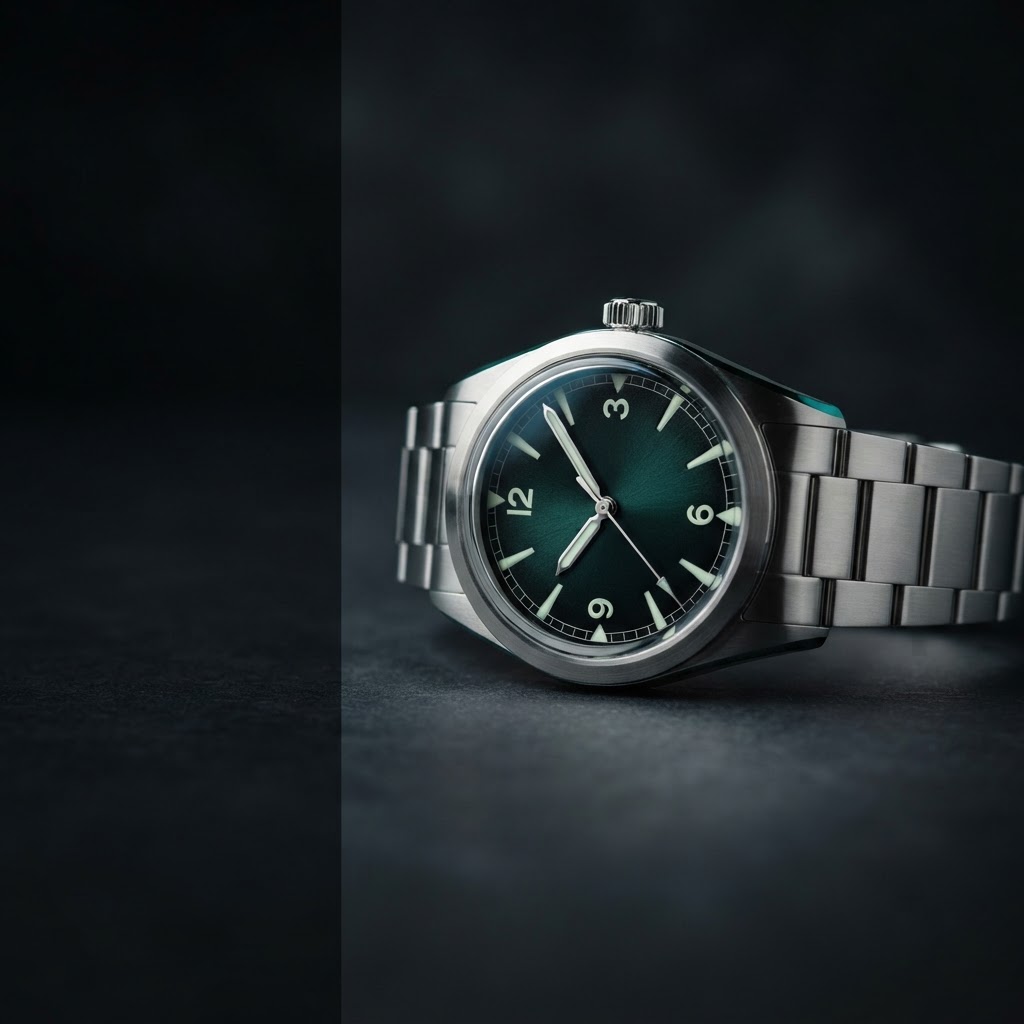
The best watch investments offer two returns: emotional and financial. If you wear a watch often, admire its dial in changing light, and enjoy the movement inside, that value is real even if the resale price stays flat. A watch that delivers years of pleasure while holding most of its value has already done something impressive.
This is especially true outside the ultra-hyped corners of the market. Not every buyer is hunting a steel sports Rolex, and not every smart purchase needs to outperform an index fund. Sometimes the wisest move is buying a well-made watch at a fair price, from a brand with strong identity and lasting relevance.
Hamilton is a classic example. A Khaki Field Mechanical is unlikely to become a speculative rocket, but it represents honest horology, real heritage, and broad collector respect. Buy one well, keep it in excellent condition, and it may prove a far better long-term proposition than a trend-driven piece that loses its audience after a year.
Where enduring value usually lives
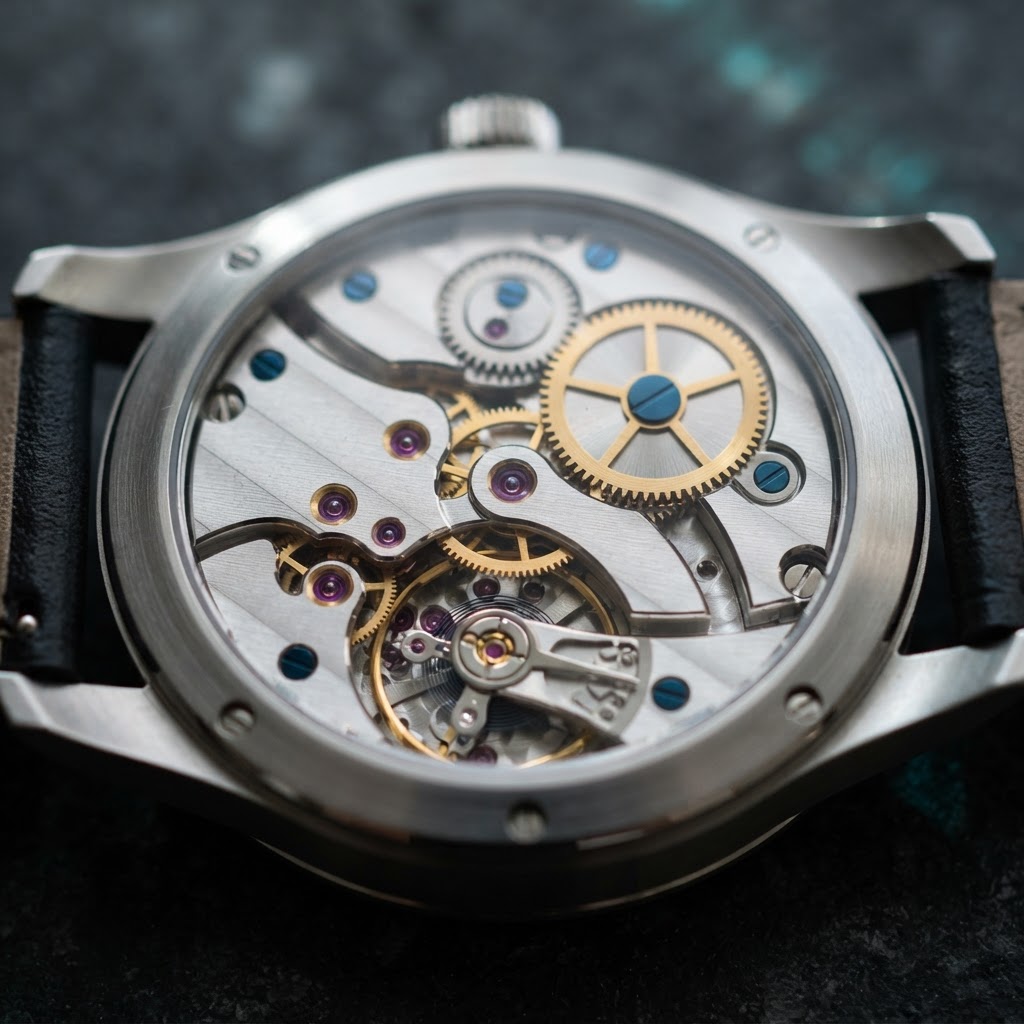
When collectors talk about investment watches, the conversation often begins with giants like Rolex, Omega, and Cartier, and with good reason. Brand power matters. So does service infrastructure, broad market recognition, and a track record of demand across decades rather than seasons.
But enduring value also exists below that level, particularly among watches that combine strong design with sound mechanics and healthy collector followings. Consider Seiko’s better Prospex references, such as the SPB143. It sits in a sweet spot: respected brand, versatile design, in-house movement, and a reputation that extends beyond entry-level enthusiasm. It may not double overnight, but it has the ingredients that help a watch remain desirable.
Citizen deserves more attention in this conversation as well. Enthusiasts increasingly recognize the brand’s technical strength, from Eco-Drive innovation to high-accuracy quartz and refined JDM offerings. Certain references, especially those with strong finishing and lower export visibility, may age exceptionally well as more collectors reassess the brand’s place in modern horology.
Then there are independent-minded enthusiast favorites such as Farer and Formex. A Farer works because it does not look like everyone else’s watch; color, typography, and proportion give it identity. Formex, meanwhile, has built a reputation on engineering substance, case quality, and strong value for money. Watches that say something clearly, and say it well, tend to age better than watches that merely imitate larger brands.
Microbrands can reward taste, but liquidity is thinner
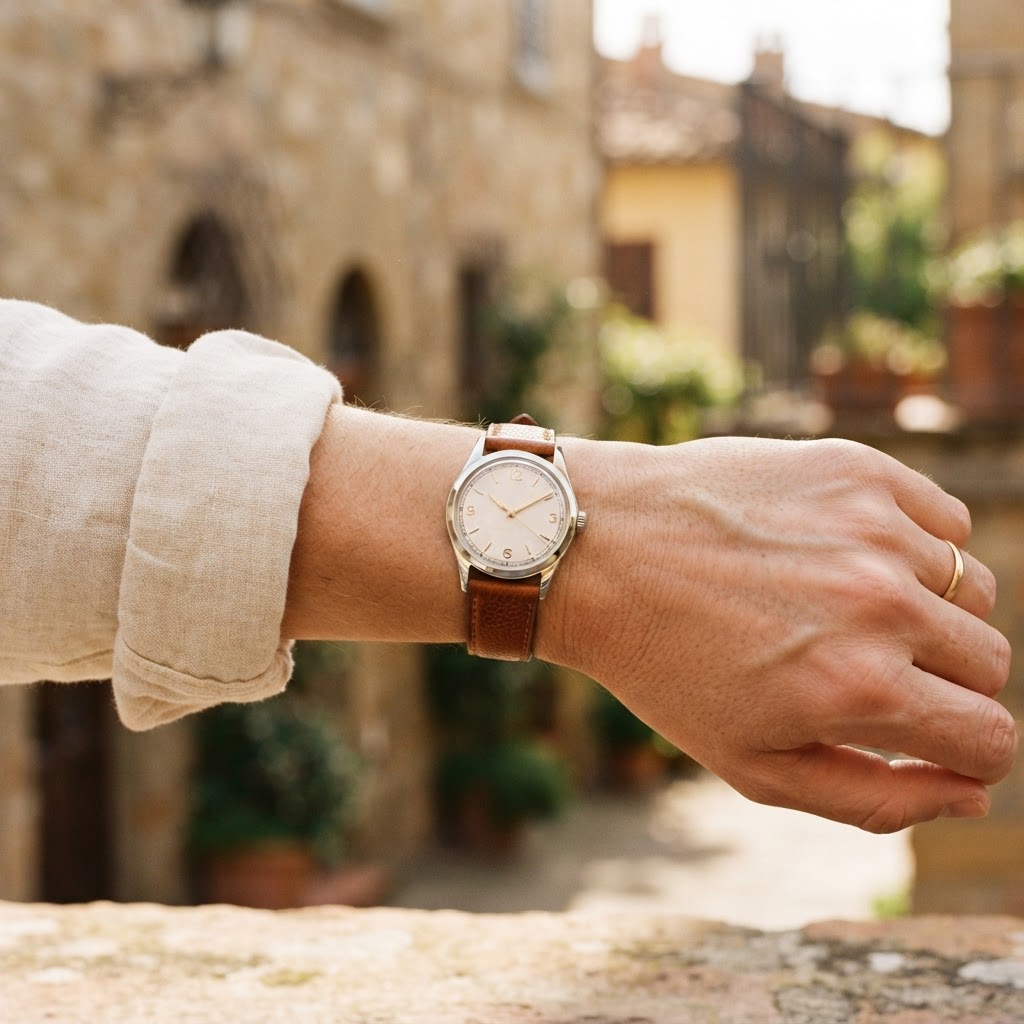
Microbrands are one of the most interesting areas in modern collecting, and occasionally one of the most misunderstood in investment terms. Brands like Baltic, Venezianico, Mitch Mason, and NEUTRA have proven that small operations can produce genuinely compelling watches with thoughtful design and excellent specifications.
Baltic, in particular, has shown how a young brand can build credibility through restraint. The appeal of models like the Aquascaphe or MR01 is not just novelty; it is coherence. They feel considered. That matters.
Still, collectors should be realistic. Resale markets for microbrands are thinner, and values can be more sensitive to short-term sentiment. If you are buying in this segment with investment in mind, focus on brands that show consistency rather than noise. Look for clean design language, reliable execution, sensible production numbers, and movements that any competent watchmaker can service.
That last point is crucial. A watch powered by an ETA 2824, Sellita SW200, Miyota 9000-series, or even a well-supported Seiko caliber has an advantage over a more exotic option with uncertain serviceability. In investment collecting, future maintenance is part of future value.
Condition, completeness, and timing matter more than most buyers think
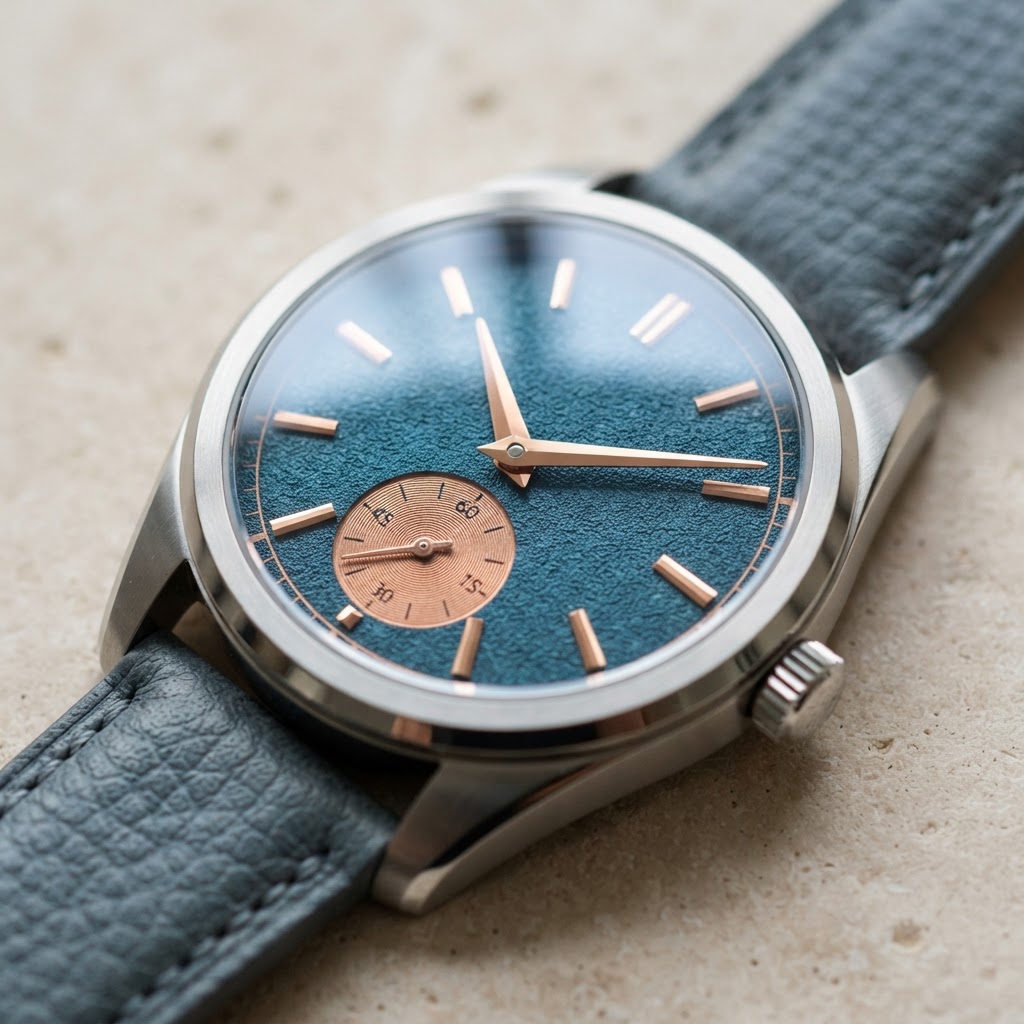
Collectors love to debate references, but condition often decides the financial outcome. A lightly worn watch with sharp edges, original finishing, full bracelet links, box, papers, hang tags, and purchase documentation will usually outperform the same watch without them.
Overpolishing is one of the quickest ways to erode value. So is casual part swapping. Keep original straps, buckles, and bracelets whenever possible. If you change anything, save the factory pieces in labeled pouches. The next buyer is not only purchasing the watch; they are purchasing confidence.
Timing matters too. Many watches are best bought after the first wave of launch enthusiasm has passed. A collector who buys carefully on the secondary market can reduce depreciation dramatically. This is especially relevant for brands with strong retail buzz but softer resale support. Buying a Formex Essence, a Seiko Prospex, or even a well-kept Hamilton pre-owned can be the difference between owning smartly and merely owning expensively.
Limited editions deserve special caution. Some become important, but many are limited only in quantity, not significance. A low production number does not automatically create long-term demand. The more useful question is whether the watch would still be desirable without the numbered caseback.
Investment habits that actually work
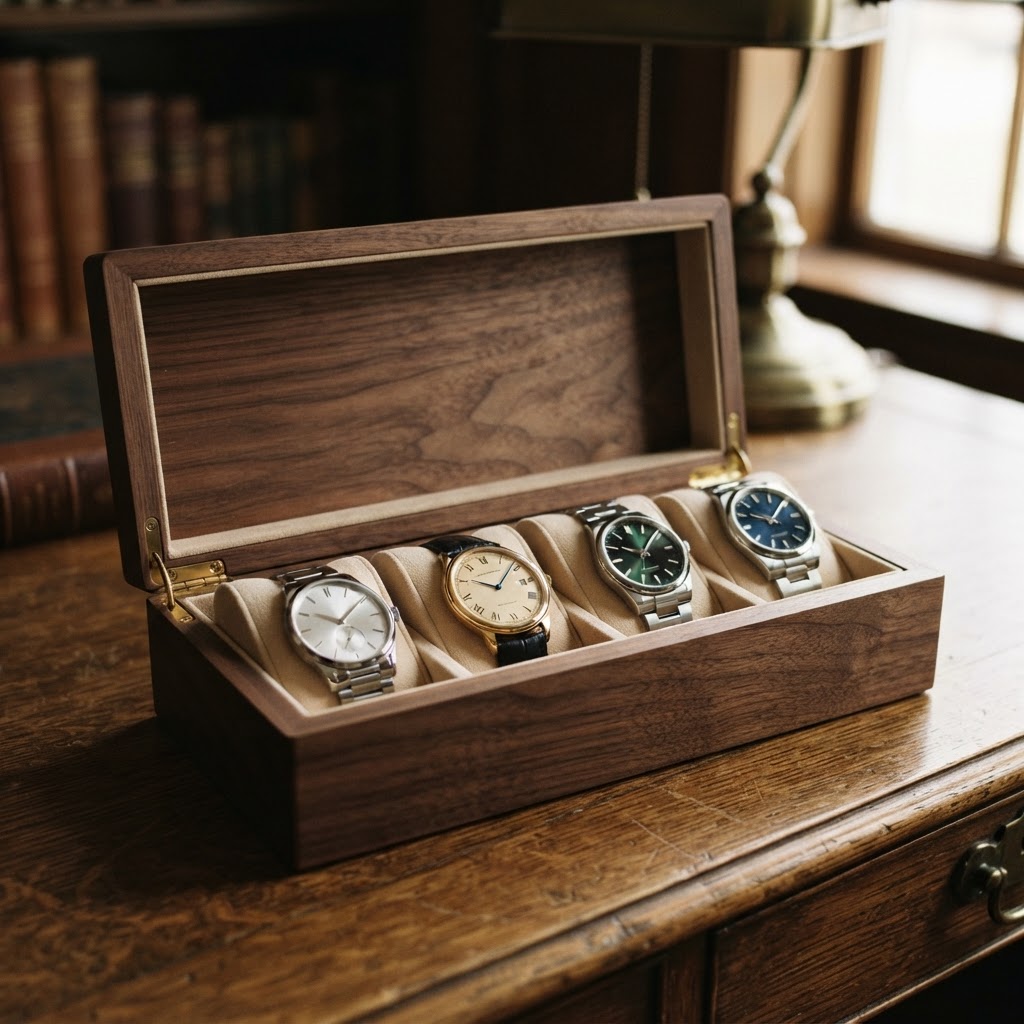
Good watch investing looks surprisingly unglamorous from the outside. It is built on patience, record-keeping, and selectivity. Keep purchase receipts. Photograph the watch when you acquire it. Track service dates. Store boxes and papers carefully. Insure pieces that have become difficult to replace.
Most importantly, buy fewer watches with stronger conviction. A drawer full of impulsive purchases rarely performs as well as a smaller collection shaped by research and restraint. Collectors who do best over time usually understand what they are looking at before they buy: case architecture, dial execution, movement quality, market history, and the brand’s broader trajectory.
It also helps to think in years, not months. The watch market can be noisy in the short term, especially in the age of social media. But genuine collectability tends to reveal itself slowly. It is built through repeated admiration, not sudden virality.
The best investment is still good taste
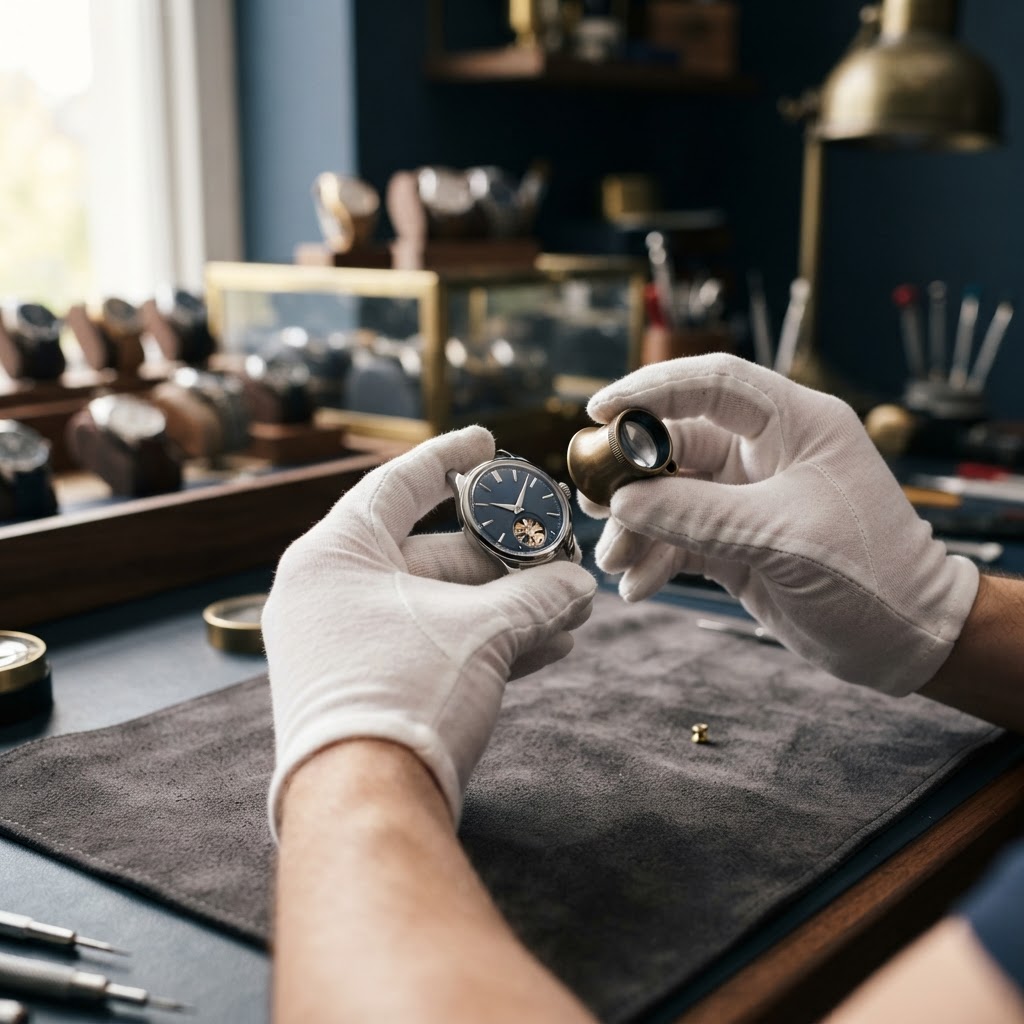
There is no formula that guarantees appreciation. If there were, collecting would be far less interesting. But there is a reliable principle: watches with authenticity, quality, serviceability, and emotional resonance tend to hold their place far better than watches bought purely on rumor.
In practical terms, that means choosing pieces you would be happy to keep. A Seiko that marks the beginning of your education, a Hamilton that becomes your weekend constant, a Baltic that reminds you why design matters, or a Formex that surprises you with how much engineering can live at a sensible price point. These are not second-tier choices. They are often the foundation of collections built with intelligence.
The most seasoned collectors understand that investment in watches is not only about exit price. It is about buying with clarity, living with discernment, and learning to recognize lasting value before the crowd names it. And, perhaps best of all, it is a pursuit that becomes richer when those insights are shared with fellow enthusiasts who notice the same details you do.