



The Ultimate Guide to Setting and Winding Your Automatic Watch
Owning a luxury automatic watch is a remarkable experience, one that combines craftsmanship, heritage, and various rituals that come with maintaining such a timepiece. Whether you're a seasoned collector or have recently joined the ranks of watch enthusiasts, understanding how to properly set and wind your automatic watch is essential. A beautiful watch ticking away is like music to the ears for aficionados, but if your watch isn't set or wound correctly, it can lead to frustration and, quite possibly, damage.
In this article, we'll dive deep into the intricacies of setting and winding automatic watches, share some anecdotes from our personal collector journeys, and help you discover best practices to keep your cherished timepieces running smoothly.
Why Wind an Automatic Watch?
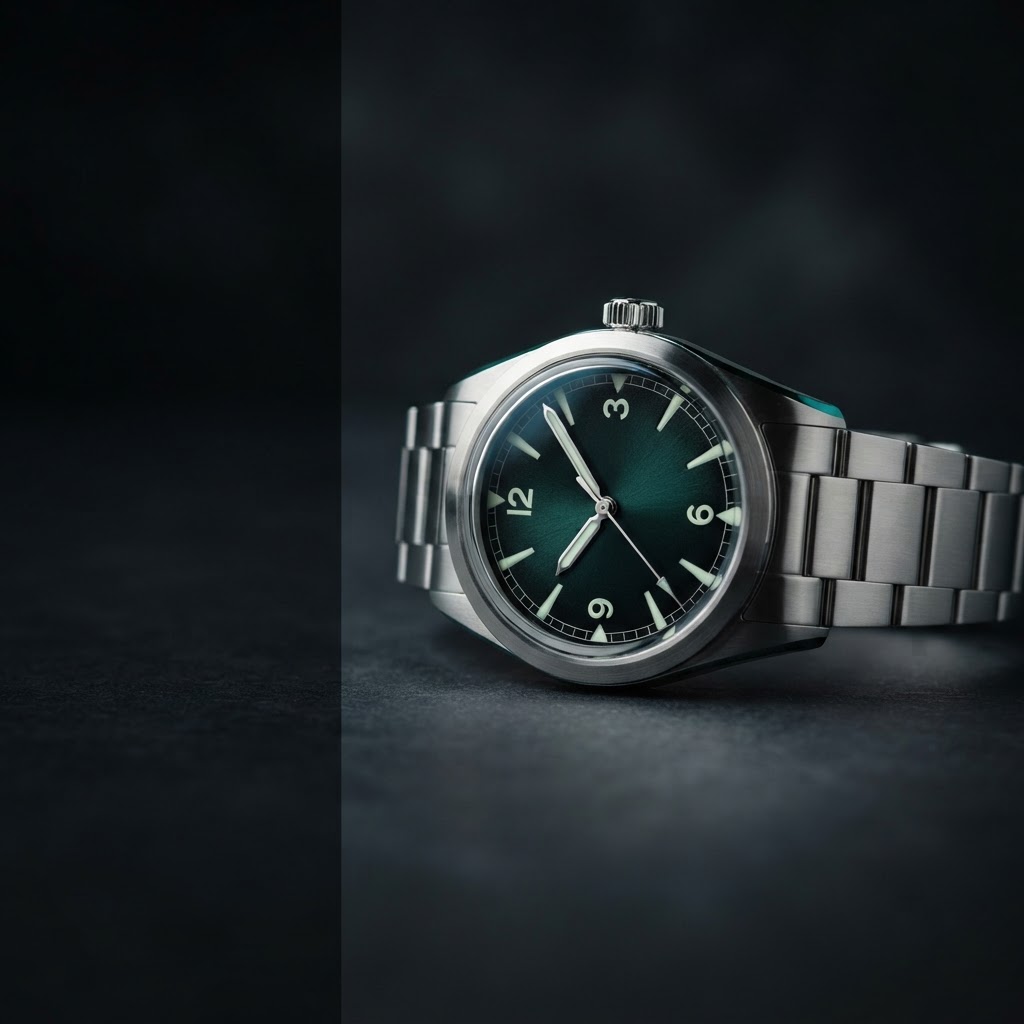
Automatic watches, often called self-winding watches, are designed to wind themselves as long as they are worn. They harness the energy from wrist movement to keep the mainspring wound, which in turn powers the watch. However, if an automatic watch is not worn for a period, it can lose power and stop running. This is where proper winding comes into play.
The Mechanics Behind Winding
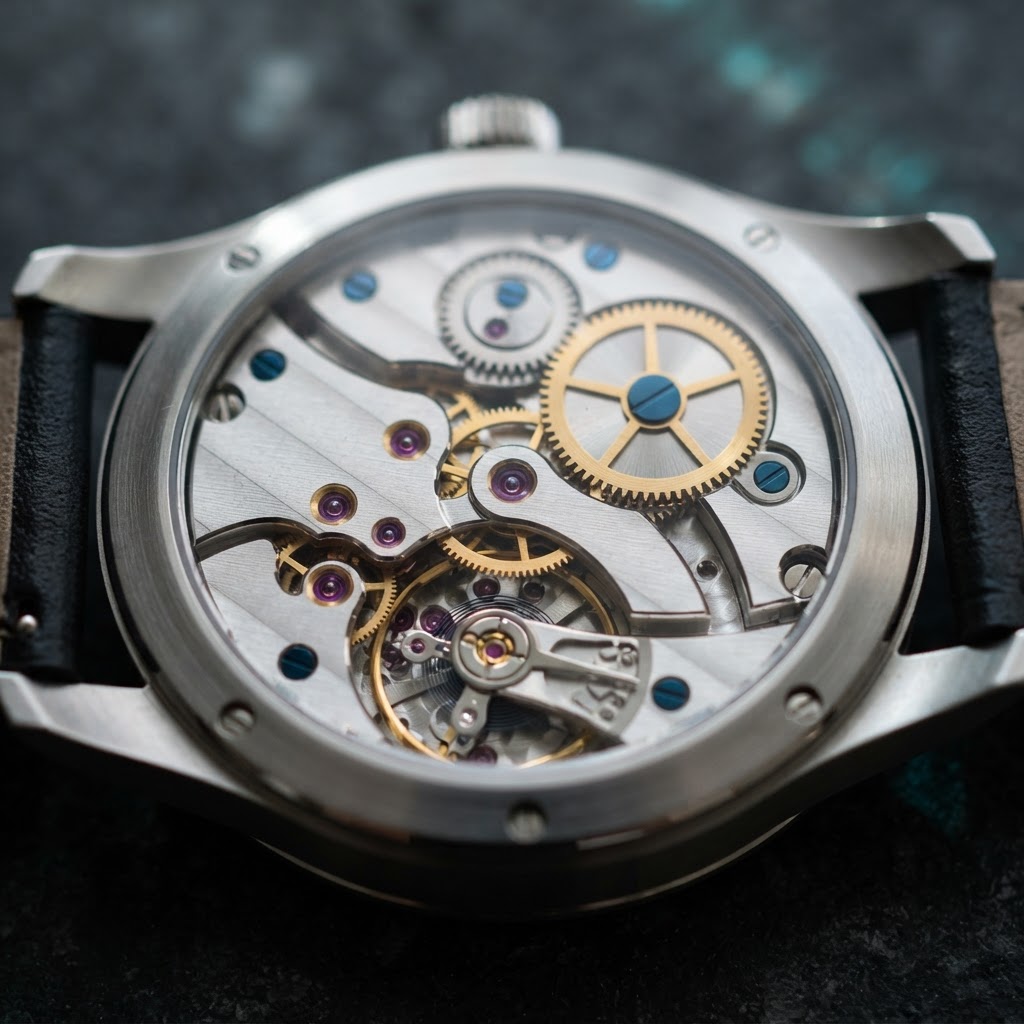
The magic happens within the movement, the heart of your watch. Inside, there’s a rotor, a semi-circular piece that moves with the motion of your wrist. The energy generated by this movement reaches the mainspring, which stores energy to power the watch. If your watch is idle, a manual wind can help jumpstart it back into action.
Key Benefits of Proper Winding
- 2Accuracy: Regularly winding your watch ensures it keeps correct time.
- 4Longevity: By winding and setting it properly, you maintain its internal mechanics and overall health.
- 6Heritage: There’s a certain charm in manually winding your watch; it connects you to the history and craftsmanship behind it.
Setting the Time: A Step-by-Step Guide
Setting your automatic watch isn’t as trivial as it might seem, especially if you own a prestige model such as the Rolex Submariner or an elegant Omega Seamaster. Here’s how to do it right.
Step 1: Unscrew the Crown (If Applicable)
If your watch has a screw-down crown (like many dive watches), first unscrew it by turning it counter-clockwise until it pops out. For models like the Breitling Navitimer, this is vital to ensure water resistance.
Step 2: Pull the Crown to the Correct Position
Most automatic watches have multiple positions for the crown: usually, the first will be for winding, and the second for setting the date and time. Pull gently until you reach the time-setting position (typically the second or third notch).
Step 3: Set the Time
Turn the crown to adjust the time. Always set the time past your desired time to ensure accuracy and then dial back to the exact time. This ensures that the internal mechanisms adjust correctly. For example, if setting a Tag Heuer Carrera at 3:00, pass through 12 and then backtrack.
Step 4: Confirm AM/PM
Take note if your watch has a date complication. Adjusting the time without proper AM/PM consideration can lead to the date changing incorrectly. For watches with a date feature, it’s best to set the time a little before midnight or a few hours past like 6:00 AM or 6:00 PM to ensure smooth transition through the date change.
Step 5: Push the Crown Back In
Once you’ve set the time and checked AM/PM, push the crown back to the original position and screw it down if applicable. Do not skip this step, as it secures water resistance.
Winding Your Automatic Watch with Care
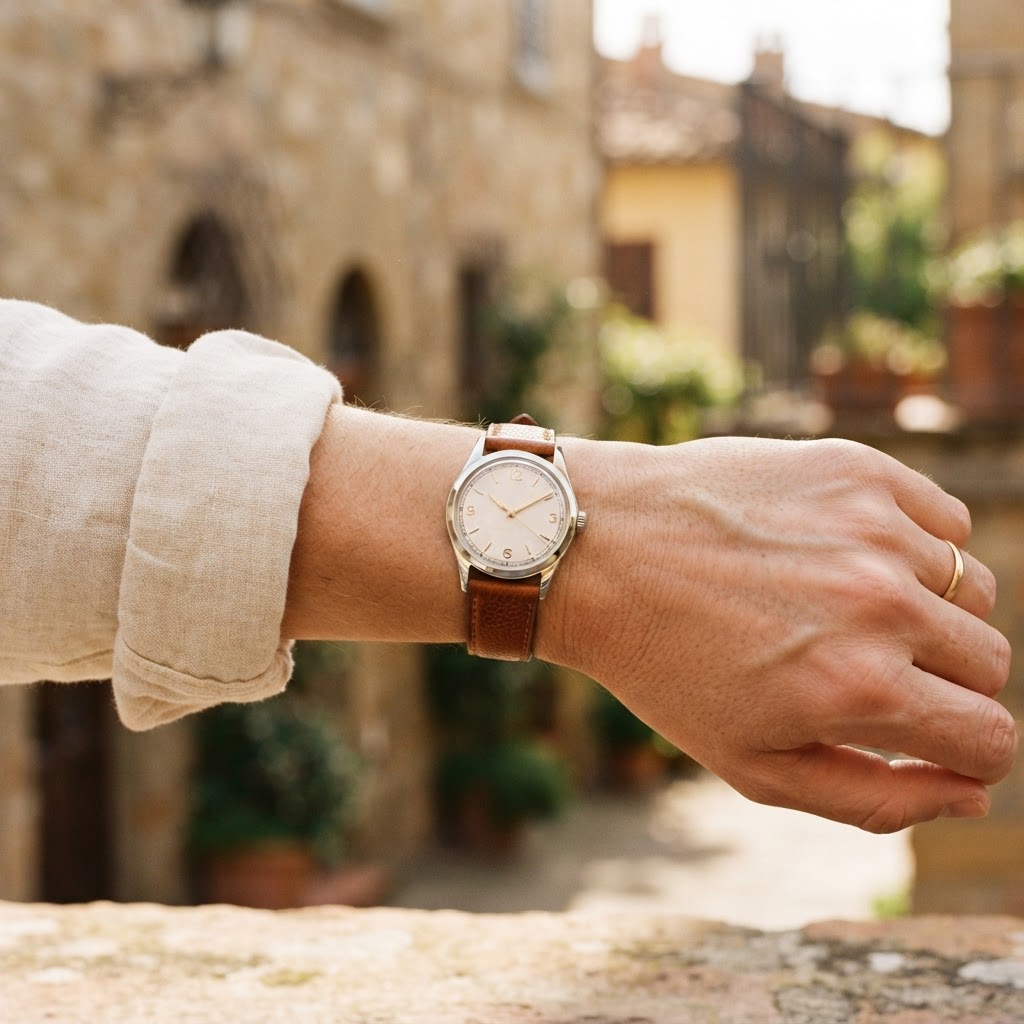
While wearing your watch is the best way to keep it wound, there are times when you may need to wind it manually. Consider some premium models like the Panerai Luminor or a Patek Philippe Nautilus, which may benefit from occasional manual winding to keep their internal mechanisms fresh and engaging.
Manual Winding Steps
- 2Pull the Crown to the First Position: Generally, this is where manual winding occurs.
- 4Turn the Crown in the Correct Direction: Wind it clockwise, and you should feel a bit of resistance. Avoid over-winding as it could damage movement.
- 6Count Your Turns: Many manufacturers suggest around 25 to 30 turns for a full wind, but always consult your watch's manual.
- 8Set the Time After Winding: If you wound the watch, set the time as detailed above.
How Often to Wind
As a good rule of thumb, if you haven’t worn your automatic watch in 48 hours, give it 20-30 winds to ensure it's ready for use before you put it on.
Common Mistakes to Avoid
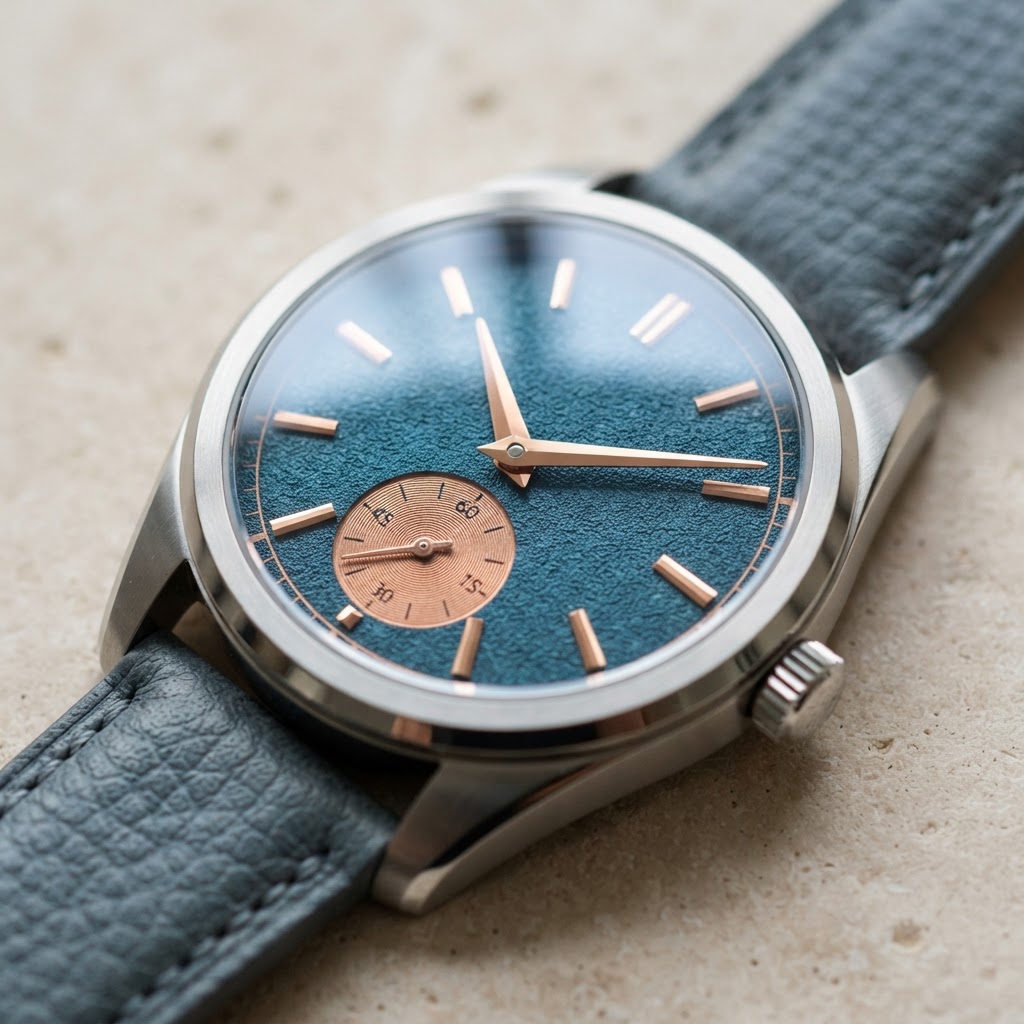
As you become more experienced, there are pitfalls to avoid in the upkeep of your automatic watch. Here are some common missteps:
Ignoring the Model Specifications
Different brands might have particular winding specifications. For instance, the IWC Portuguese may require a different approach than a Seiko Prospex. Always adhere to the guidelines specific to your model.
Over-Winding
Be vigilant about not over-winding, as this can lead to internal damage. When resistance is felt, stop winding! The mechanics are delicate, and care is paramount.
Setting the Date Between 8 PM and 4 AM
This is a critical period for most automatic watches, as that’s when the date-change mechanism is engaged. Adjusting the date during this timeframe could disrupt the mechanism, leading to costly repairs.
Personal Insights: A Collector's Perspective
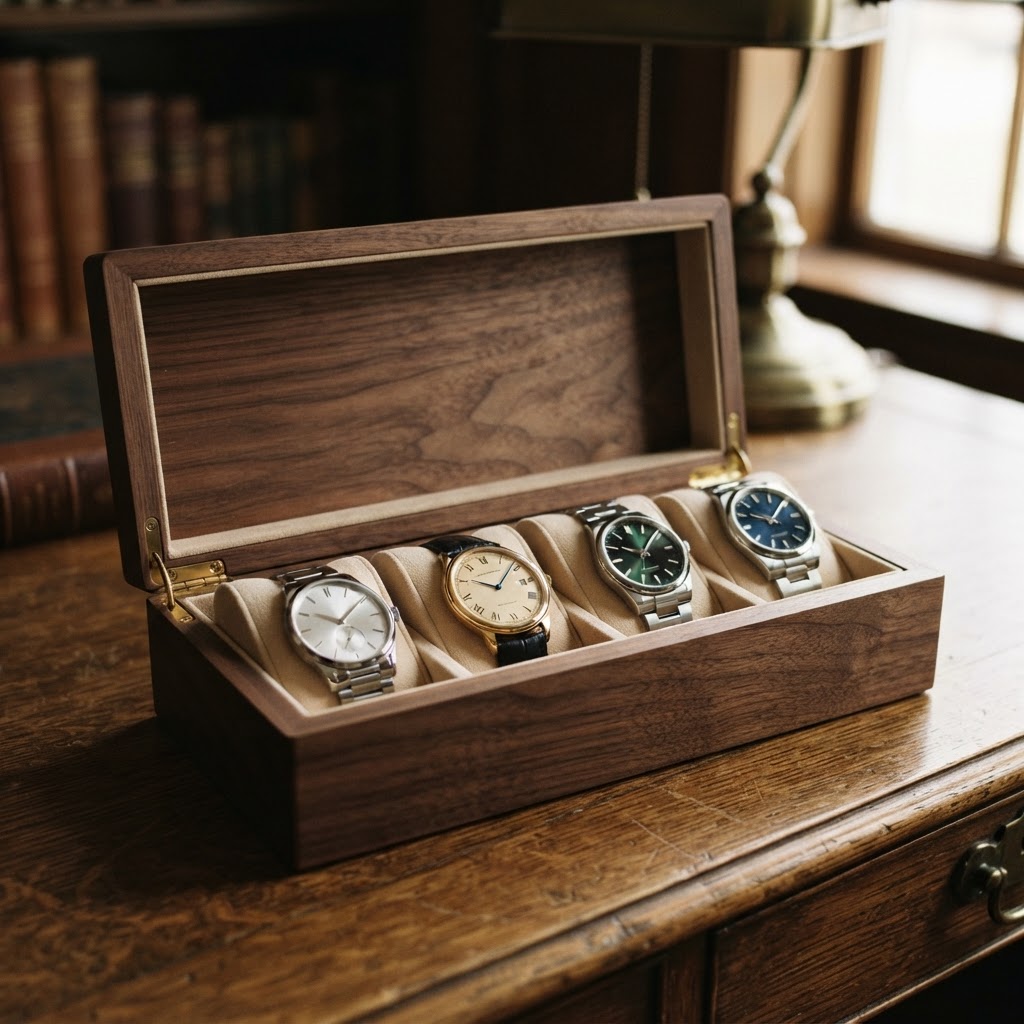
As someone who’s spent years curating a collection that includes pieces like the Tag Heuer Monaco and an IWC Big Pilot, I can attest to the joy of watching these machines perform under the care of proper maintenance. I often wind my models during quiet moments in the morning, much like a morning ritual, connecting me to the craftsmanship and heritage of each watch.
Beyond being just a timepiece, they represent stories, travel, and moments in time. Winding and setting them properly adds an extra layer of appreciation to my collection.
Conclusion: The Keeperbox Experience

Mastering the art of setting and winding your automatic watch not only keeps your timepiece functional but also enhances the relationship you have with each exquisite detail. Whether you’re rotating through a Tudor Black Bay or engaging with a classic Longines Heritage, embracing the tradition of watch care is essential.
If you’re looking for your next cherished piece to add to your collection, Keeperbox Watch Club provides the perfect opportunity to explore luxury watches without the commitment of ownership. Rotate, enjoy, and discover carefully curated models every month that can enrich your watch-winding experience!