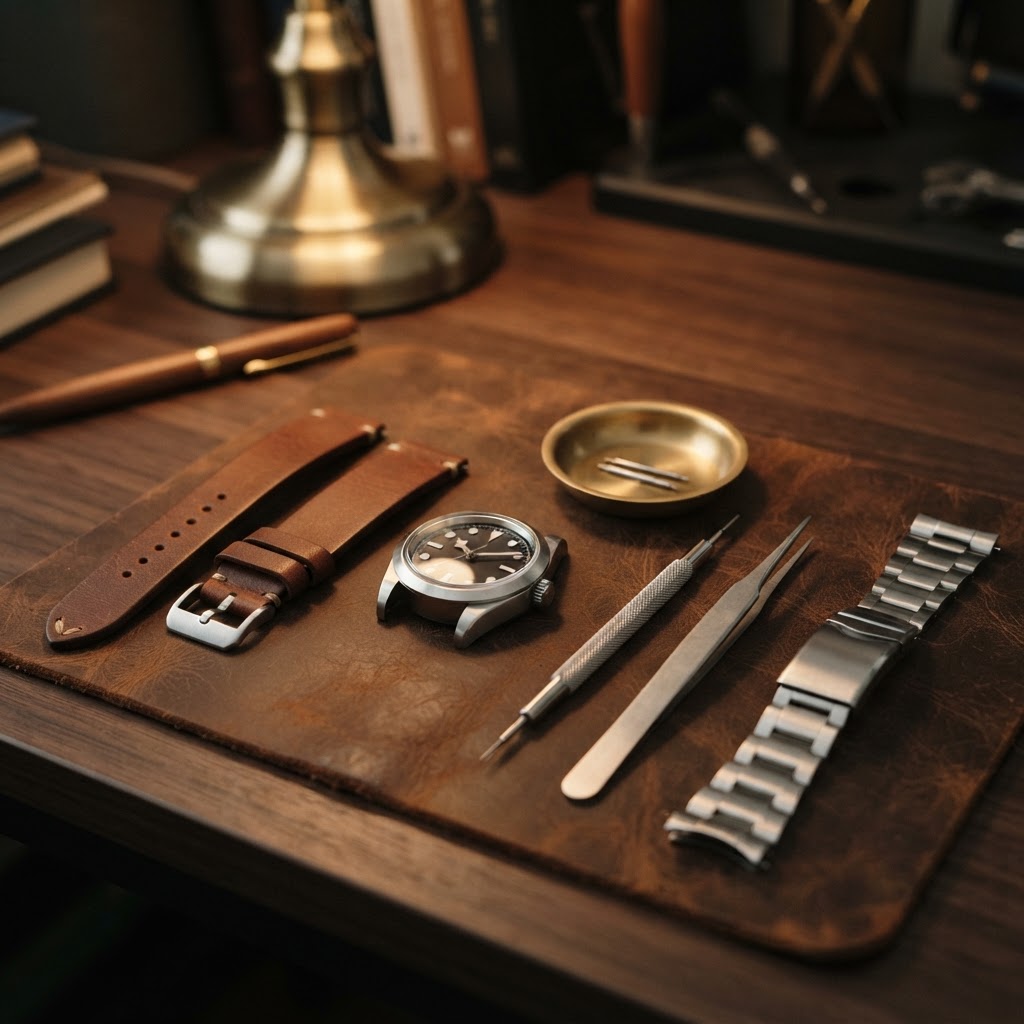




Mastering Your Timepiece: How to Properly Set and Wind Your Automatic Watch
Owning an automatic watch is a thrilling experience for any watch lover. But, the joy doesn’t stop at wearing it; the satisfaction comes from knowing how to properly care for and operate your timepiece. Whether you’re flaunting a Rolex Submariner or the elegant Omega Speedmaster, knowing how to set and wind your watch correctly not only enhances its performance but also prolongs its life span. Let’s dive deep into the elegant art of handling your automatic watch's functionalities.
Understanding Automatic Watches
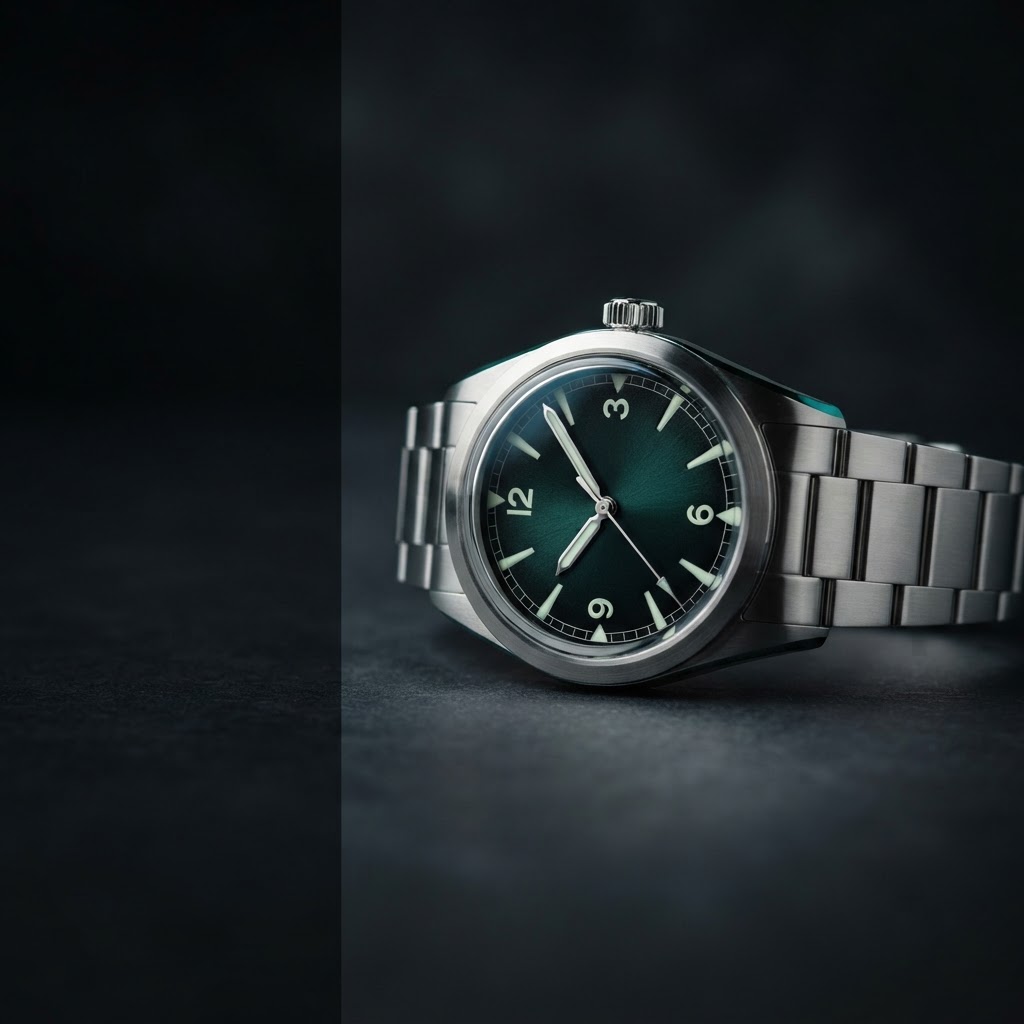
Before we jump into the nuts and bolts of setting and winding, it is crucial to grasp what defines an automatic watch. Unlike quartz watches that rely on batteries, automatic watches are powered by the motion of your wrist, thanks to a rotor that winds the mainspring. The intricacies of this mechanical movement set them apart, making them a favorite among horology enthusiasts.
The Mechanics Behind the Magic
When you wear an automatic watch all day, the rotor spins, winding the mainspring. But what happens when your watch hasn’t been worn for a while? It stops. This is where the winding process comes into play.
Key Components of Your Automatic Watch
Familiarize yourself with the major components:
- Crown: Used for winding and setting.
- Rotor: The semi-circular piece that winds the mainspring as you move.
- Mainspring: Stores energy to power the watch.
With this understanding, let’s focus on how to keep your automatic watch ticking.
How to Wind Your Automatic Watch
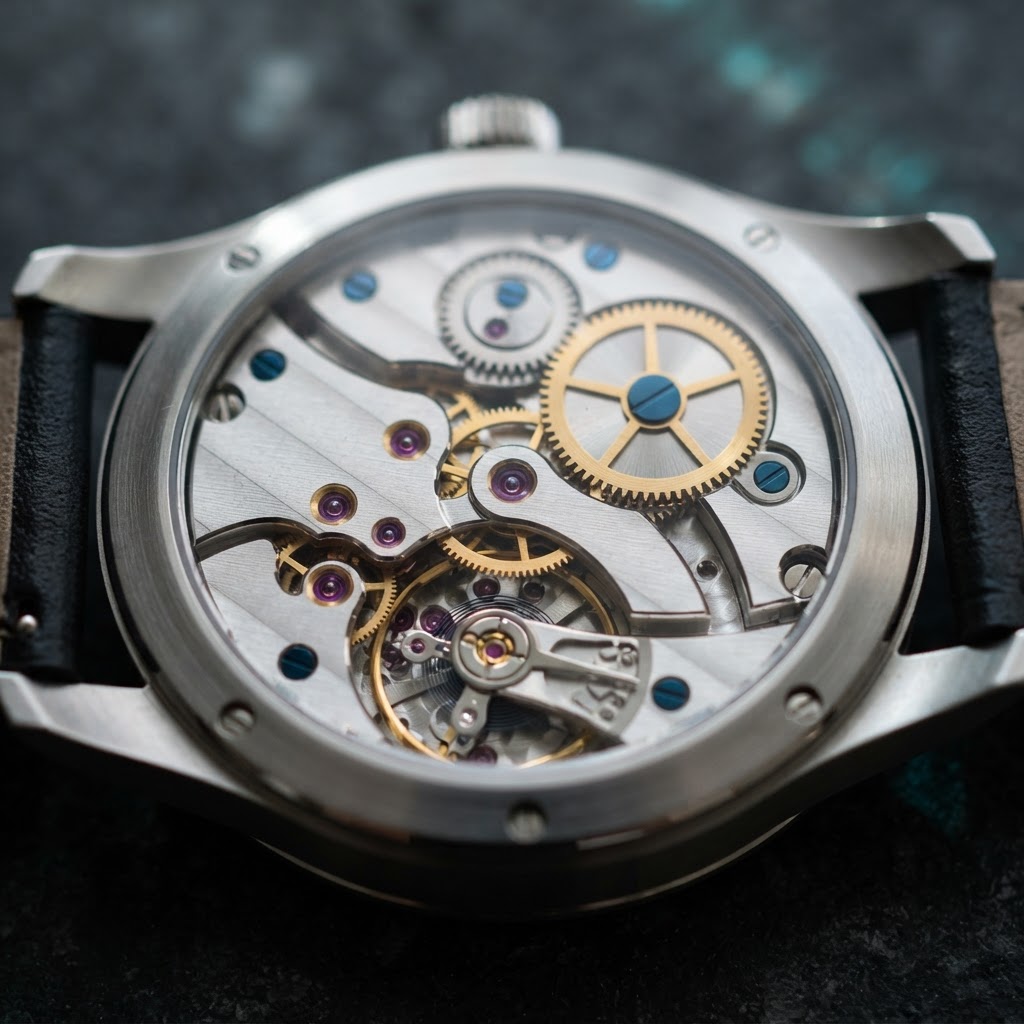
Winding your automatic watch correctly is essential to maintain its accuracy and longevity. Here's how:
Manual Winding Process
If your automatic watch has stopped, or you haven’t worn it in a while, follow these steps:
- 2Unscrew the Crown: If your watch has a screw-down crown, gently unscrew it until it pops out.
- 4Wind the Watch: In the position just before pulling it out to set the time, you can begin winding. Turn the crown clockwise about 15-20 times. You should feel the tension build.
- 6Test the Crown: By winding it manually, you should notice the watch start ticking again, indicating it’s receiving power.
Personal Insight: I remember the first time I reluctantly owned a Tag Heuer Carrera. I mistakenly thought that it would self-wind indefinitely. After two days without wearing it, I panicked when I saw it stopped. That’s when I deep-dived into the world of winding and learned the importance of manual winding, noticeably boosting my appreciation for my collection.
Knowing When to Wind
It’s commonly said that regular winding keeps an automatic watch functioning smoothly. If you wear your watch daily, the rotor generally does the job. However, if your watch sits unused for more than 48 hours, it’s best to give it a manual wind to prevent lubrication from pooling and to help avoid wear.
Setting Your Automatic Watch
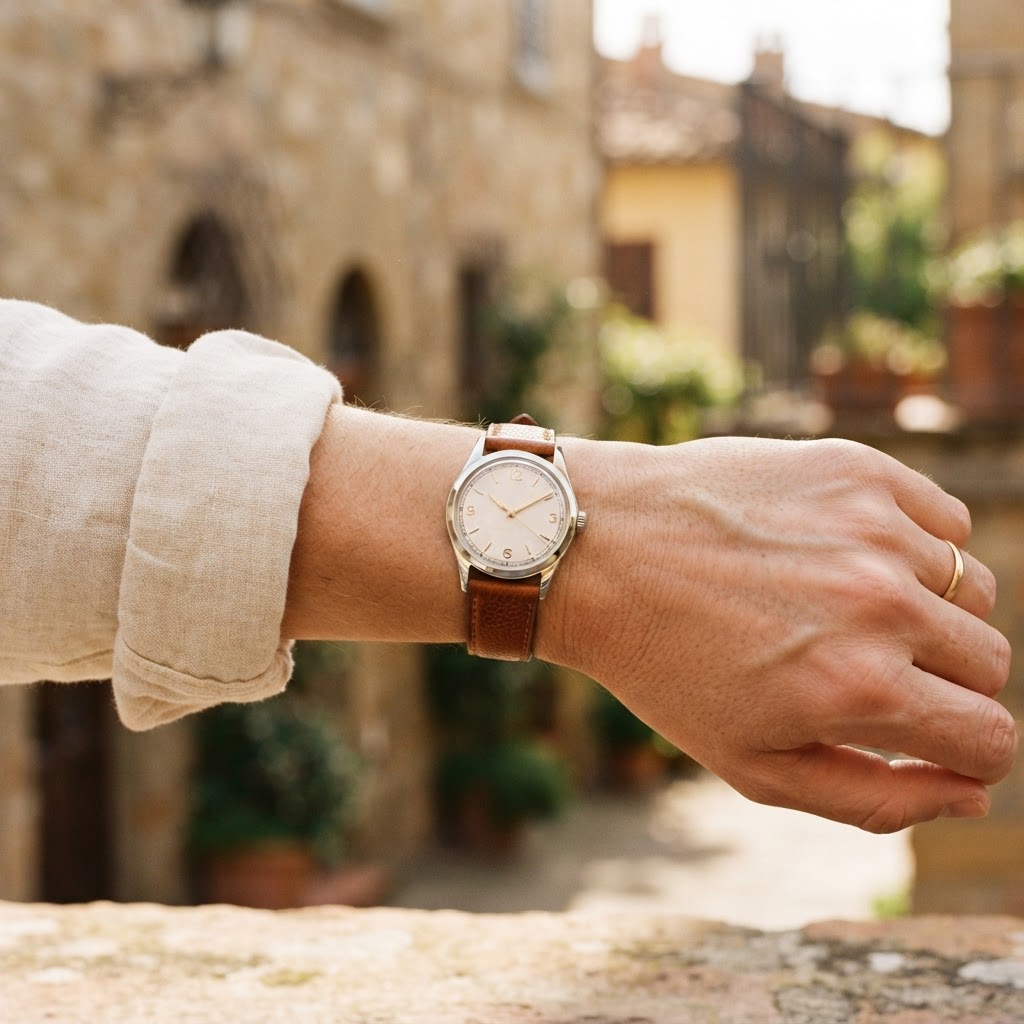
No one enjoys wearing a watch that’s set to the wrong time or date. Here’s a step-by-step guide on how to properly set your automatic timepiece:
Steps to Set the Time
- 2Pull the Crown to the Second Position: This is usually the farthest pull, where you can set the time.
- 4Rotate the Crown: Turn it clockwise or counterclockwise to adjust the hands to the desired time. Ensure you do not set the time backward, as this can damage the movement.
- 6Push the Crown Back: Secure the crown back to its original position, particularly if you have a screw-down crown, ensuring water resistance is vital.
Adjusting the Date
Setting the date on automatic watches often requires some extra caution:
- 2Pull the Crown to the First Position: You will feel it click into place.
- 4Rotate the Crown: Turn counterclockwise to adjust the date.
- 6Avoid Setting Between 8 PM and 4 AM: This crucial time frame is when the movement is engaged in changing the date, and adjusting within this window could result in damage.
Tip: Watches like the Seiko 5 feature a day-date complication that can be adjusted without concern as they don’t integrate the same mechanics. It’s a friendly reminder that while some models offer flexibility, others demand careful handling.
Maintenance Tips
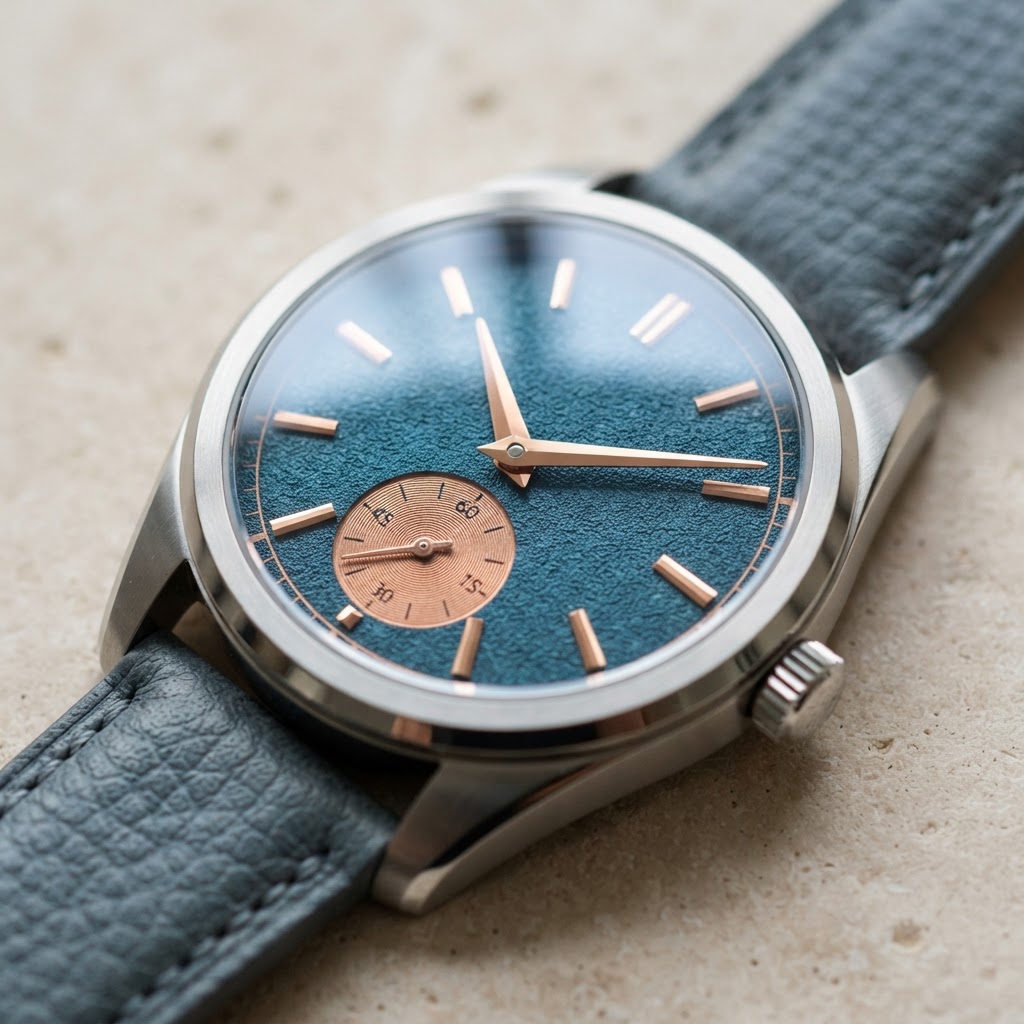
Taking care of your automatic watch is just as important as knowing how to wind and set it. Here are a few tips to ensure its longevity:
Regular Cleaning
- Use a Soft Cloth: Regularly wipe the case and bracelet with a soft cloth to prevent scratches.
- Avoid Harsh Chemicals: When cleaning, avoid exposing your watch to chemicals, which can corrode the materials.
Professional Servicing
- Service Every 3 to 5 Years: Just like your car, a watch requires a check-up by a professional to ensure the internal components are lubricated and functioning correctly.
- Choose a Reputable Watchmaker: Brands like Rolex and Audemars Piguet offer authorized service centers that are familiar with their mechanics.
Store Properly
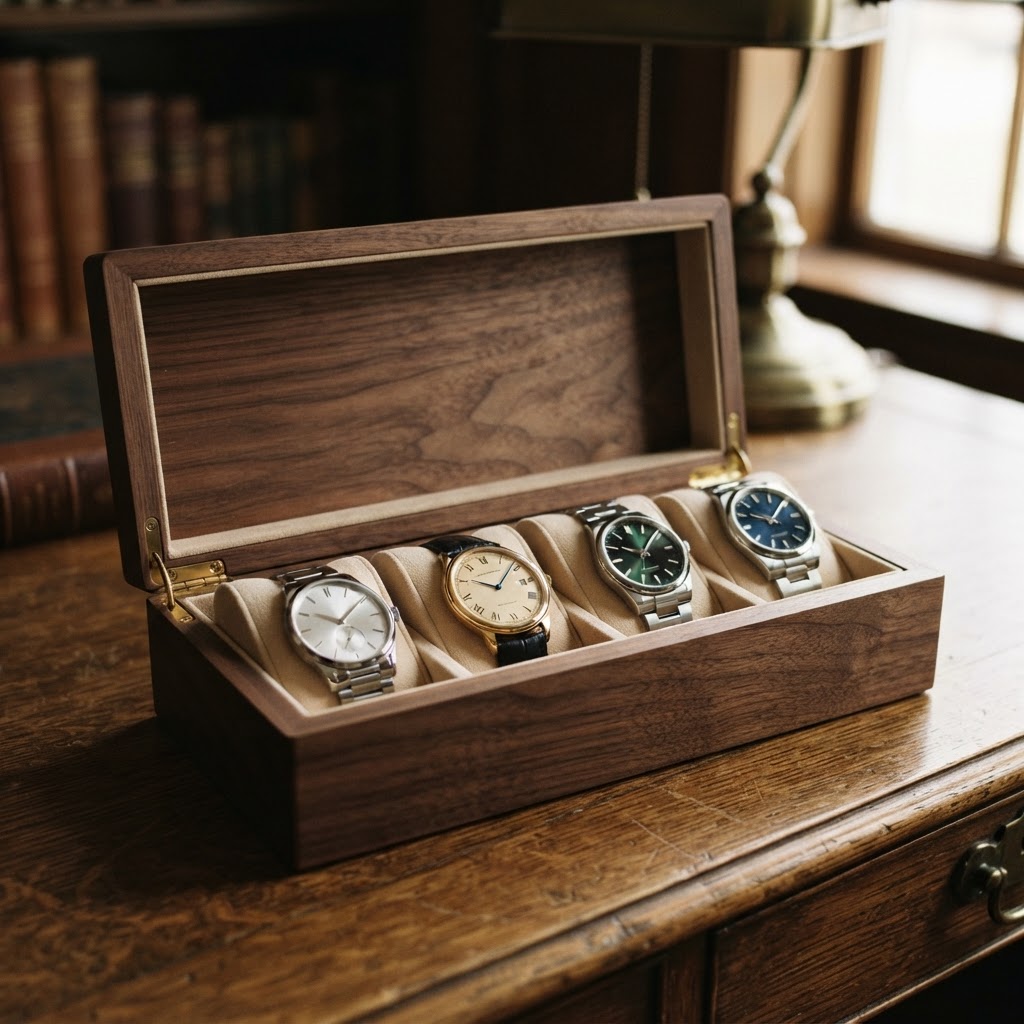
- Use a Watch Box: When not in use, store your watch in a watch box to keep it away from dust and light. A watch winder can be an excellent addition for those with a collection.
Conclusion
Mastering the art of winding and setting your automatic watch can significantly enhance your experience and appreciation for these intricate machines. Remember that each piece, be it a Breitling Navitimer or a Patek Philippe Calatrava, has its character and quirks that make it unique. Treating them with the respect they deserve will cultivate a deeper connection and joy in the hobby.
As a member of the Keeperbox Watch Club, you have the chance to explore an array of luxury watches, gain access to exclusive timepieces, and share dynamic experiences with fellow enthusiasts. Your next adventure in the world of horology awaits, and with the right knowledge, you can cherish every second of it.