Why Watches Still Matter
In a world where our phones deliver atomic accuracy, map our routes, and interrupt our thoughts every few minutes, the wristwatch should be obsolete. And yet for many of us, it has become more meaningful than ever.
That contradiction sits at the heart of watch culture. A good watch is practical, yes, but practicality alone does not explain why someone falls for a Hamilton Khaki Field Mechanical, hunts down a vintage-inspired Baltic Aquascaphe, or spends weeks comparing the dial textures of a Grand Seiko. Watches survive because they do something digital devices rarely do: they turn time into an experience.
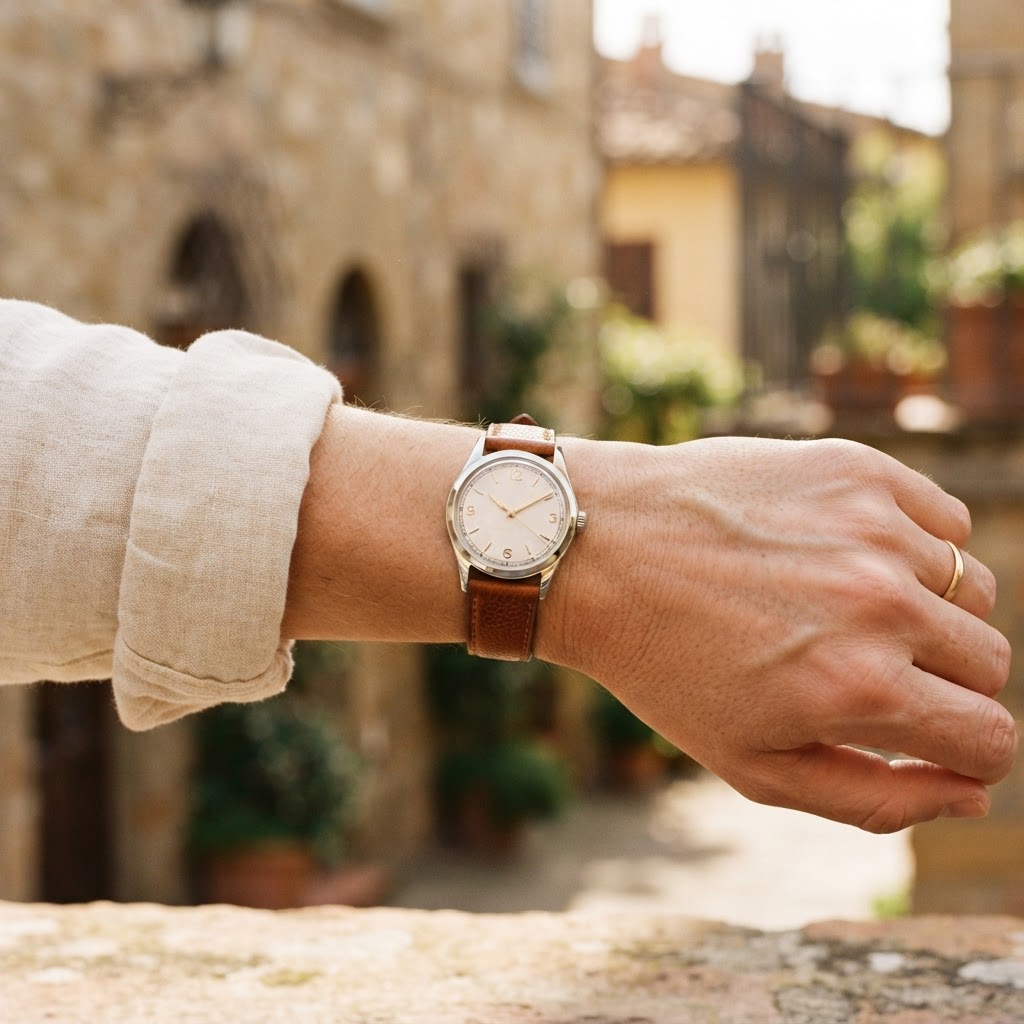
A watch asks to be noticed, wound, set, worn, and lived with. It records the weather of your days in small scratches and softened edges. The best ones do not just tell time; they gather it.
For beginners, this can feel surprising. The first serious watch purchase often begins with specifications, movement type, water resistance, or budget. Then something more personal happens. A Seiko 5 Sports or Citizen Promaster becomes the watch you wore on a trip, a promotion, a first date, or a long-awaited quiet weekend. Function opens the door, but feeling is what makes people stay.
The First Mechanical Watch Changes Your Eye
There is a particular shift that happens when someone buys their first mechanical watch. Suddenly, objects that once looked similar begin to reveal character. A matte dial feels different from glossy lacquer. Applied numerals catch light differently than printed markers. A hand-wound watch creates a relationship that an automatic does not. The difference between a Miyota 9039, a Sellita SW200-1, and a Seiko NH35 stops being trivia and starts becoming texture.
That is one of the joys of this hobby: it trains attention.
A newcomer may start with a reliable, accessible piece because it offers tremendous value. Seiko has built an empire on precisely that idea. So has Hamilton, whose field watches remain among the most convincing gateways into mechanical collecting. But curiosity has a way of expanding from the obvious toward the distinctive. One collector begins with a Tissot PRX and soon wonders about a Farer three-hander because the color feels more daring. Another discovers the elegance of the Baltic MR01 and realizes that a watch can be less about rugged utility and more about proportion, restraint, and mood.
This is why collecting is never only about ownership. It is about learning to see.
Taste, Identity, and the New Golden Age of Smaller Brands
The last decade has been especially exciting because watch culture has become more expressive. Enthusiasts no longer have to follow a narrow ladder of “serious” brands to build a meaningful collection. Today, the conversation is wider, smarter, and in many ways more fun.
Microbrands and independent-minded companies have helped drive that change. Formex has earned admiration not just for finishing, but for genuine engineering thought. Farer has become a reference point for collectors who want color used with confidence rather than gimmick. Venezianico has shown how design identity can feel specific and polished at accessible prices. Mitch Mason and NEUTRA speak to a generation of enthusiasts who appreciate vintage cues but expect contemporary execution.
This broader landscape has made collecting less rigid and more personal. There is less pressure to chase approval, and more room to build a collection that sounds like your own voice.
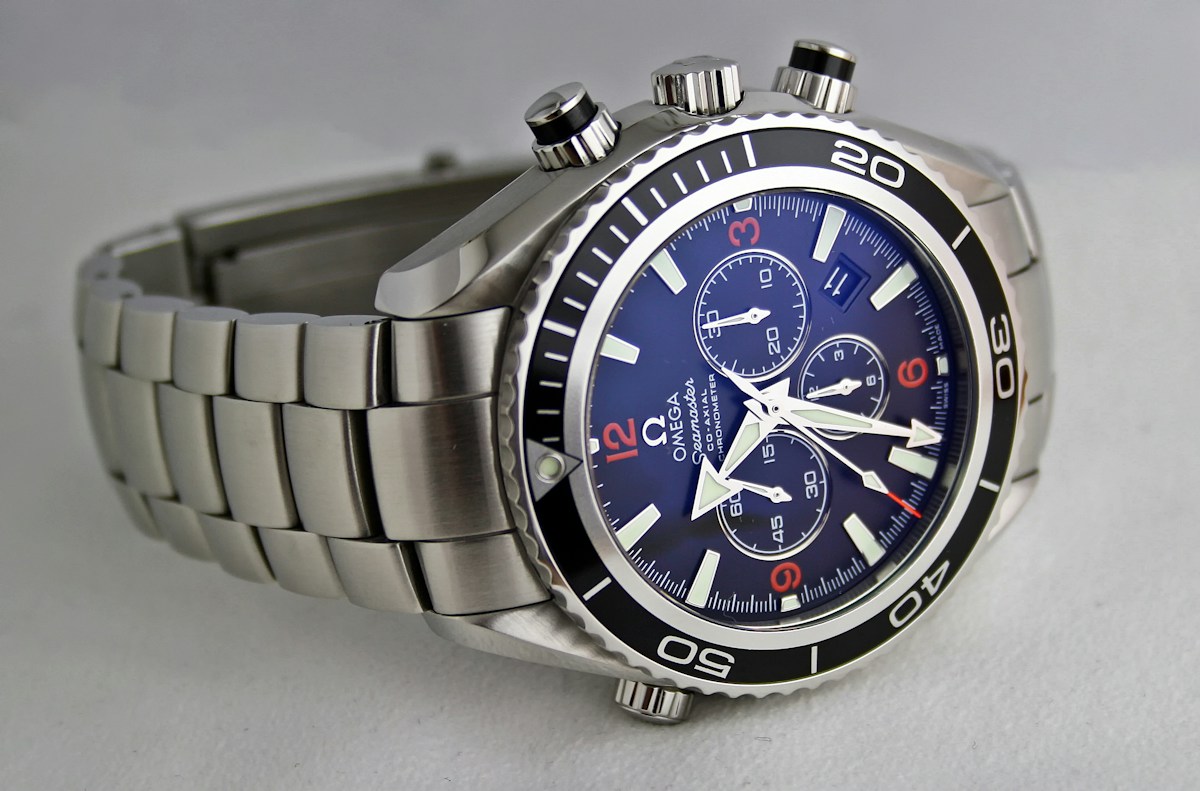
That matters, because watches are social objects. Even when worn privately, they communicate something. A black-dial diver might suggest clarity and discipline. A gold-tone dress piece can feel romantic or nostalgic. A hand-wound chronograph may signal love of mechanism, ritual, and old-school charm. Choosing a watch is often a quiet act of self-editing.
The seasoned collector understands that taste evolves, sometimes radically. The oversized sports watch that felt essential at 28 may give way to a slimmer, more restrained case at 38. A fixation on complications may mature into appreciation for a simple, beautifully resolved three-hander. Often, what lasts is not novelty but coherence.
What Experience Teaches the Collector
If there is wisdom in watch culture, it usually arrives through a few expensive or mildly humbling lessons.
The first is that photographs are persuasive liars. A watch that looks perfect online can feel lifeless on the wrist, while an overlooked reference can suddenly make complete sense the moment its proportions meet your arm. Case diameter is only part of the story; lug-to-lug length, thickness, dial opening, and bracelet taper matter just as much. A 39mm watch from one brand can wear dramatically larger than a 40mm watch from another.
The second lesson is that movements matter, but not always in the way beginners imagine. Reliability, serviceability, and regulation often shape long-term satisfaction more than romantic specifications. There is nothing unserious about a dependable Sellita or Miyota if the watch itself is well designed and well made. Plenty of collectors learn to respect humble workhorse calibers because they keep the watch in rotation instead of in a service pouch.
The third lesson is to buy for your life, not for an imagined version of it. If you spend your days moving between work, travel, and family obligations, a watch like a Seiko Alpinist, a Citizen Series 8, or a Formex Essence may bring more real joy than something too delicate or too precious to wear freely. The watches that become favorites are often the ones that fit naturally into ordinary days.
And finally: pace matters. The most satisfying collections are rarely assembled in a rush. They gather shape through pauses, mistakes, trade-offs, and changing taste. Selling a watch is not failure. Neither is keeping an affordable one longer than expected. A collection should reflect attention, not anxiety.