
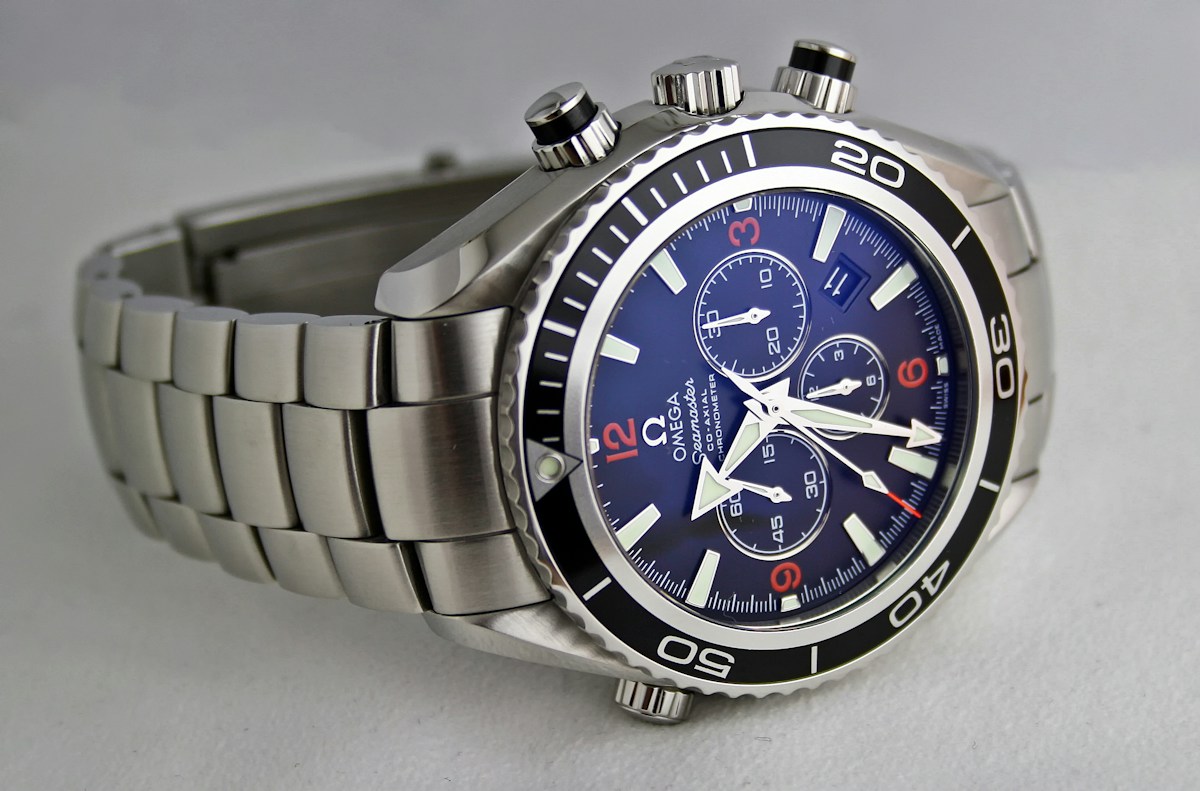
For many enthusiasts, the phrase watch investing inspires equal parts excitement and skepticism. We have all seen stories of steel sports watches appreciating overnight, auction results that defy logic, and social media feeds that make every new release seem like a guaranteed win. But serious collecting has always lived in a more nuanced space than hype.
A watch can be a financial asset, yes. It can also be a piece of industrial art, a marker of personal taste, and a small mechanical companion that records the seasons of your life. The most sensible approach to investment, then, is not to separate value from passion, but to understand how the two interact.
What watch investing really means
The first truth worth stating plainly is that most watches are not traditional investments in the same sense as index funds, bonds, or income-producing real estate. They do not generate cash flow, and many depreciate the moment they leave the boutique. Even highly respected brands are not immune. Buy a new watch carelessly, pay too much, neglect service history, or chase the wrong trend, and the market can be unforgiving.
Yet to dismiss watches as poor investments across the board would be equally simplistic. Certain references hold value remarkably well. A smaller number appreciate meaningfully. More importantly, a well-bought watch offers a form of return that other assets cannot: years of wear, study, enjoyment, and connection with a larger collecting culture.
In that sense, the best collector-investors think less like speculators and more like curators. They ask not only, “Will this watch go up?” but also, “Why does this piece matter?”
The qualities that support long-term value
Market value in watches tends to cluster around a few enduring factors: brand strength, design integrity, movement credibility, condition, originality, and scarcity that feels earned rather than manufactured.
Brand strength matters because reputation compounds over decades. Seiko is a perfect example. At the accessible end, models like the Seiko Alpinist and certain Prospex divers have earned loyal followings because they deliver genuine history and robust utility. Grand Seiko, meanwhile, has become a modern benchmark for finishing and movement innovation, with Spring Drive references increasingly appreciated by collectors who value technical distinction over hype.
Hamilton offers another instructive case. A Khaki Field Mechanical is not likely to make anyone rich, but it is often a wise purchase because it sits at the intersection of heritage, design clarity, and broad market respect. The same is true of many Citizen pieces, especially those combining practical engineering with a strong enthusiast base, from Promaster divers to select mechanical offerings.
Then there are the independents and microbrands. Baltic, Farer, Formex, NEUTRA, Venezianico, and Mitch Mason have all shown that thoughtful design and transparent value can create meaningful demand. The point here is not that every microbrand will become collectible. Most will not. But when a smaller maker demonstrates consistency, builds a clear visual language, uses proven calibers such as the Sellita SW200 or Miyota 9000 series intelligently, and develops trust with enthusiasts, its watches can maintain value surprisingly well.
Hype is not the same as durability
One of the most expensive mistakes a collector can make is confusing short-term heat with long-term significance. A waitlist, a limited edition, or a sudden burst of online attention may create a pricing spike, but spikes are not the same as foundations.
Durability in the market usually comes from watches that remain desirable after the conversation moves on. Consider why certain references endure. A watch with a balanced dial, a coherent case design, and a respected movement can continue to attract buyers years later even if it never trended online. A Formex Essence, for example, earns admiration not through manufactured exclusivity but through finishing, wearability, and technical thoughtfulness. A Baltic MR01 gained attention because it offered vintage-inflected elegance at a compelling price, but the reason people stayed interested was that the design felt considered.
Collectors with discipline learn to ask a few sober questions before buying into momentum. Does this watch have a place in the brand’s story? Would it still be attractive at retail if the resale chatter disappeared tomorrow? Is the demand organic, or mostly algorithmic?
Condition, completeness, and the quiet power of provenance
If you care about value, details matter enormously. Two identical references can trade at very different prices depending on condition, service history, originality, and whether they include box and papers. Among seasoned buyers, these factors are not cosmetic footnotes; they are central to value retention.
Unpolished cases, original dials, period-correct hands, and documented servicing all strengthen confidence. So does a full set, especially for contemporary luxury pieces. Even in the more affordable segment, collectors are increasingly selective. A clean Farer with full documentation or a carefully kept Seiko with all links and receipts is easier to sell, easier to trust, and easier to defend on price.
Provenance does not need to mean celebrity ownership. Sometimes it simply means clarity. Knowing where a watch came from, who serviced it, and how it was worn can be the difference between a confident purchase and a future headache.
Buy below the story, not above it
This may be the closest thing to a universal rule in watch investing: your purchase price matters more than your optimism. Great watches can be bad buys if acquired at inflated levels. Modest watches can become excellent holds if bought sensibly.
That is why patient collectors often do better in the secondary market than those who chase launches. Retail can still make sense, particularly for pieces you plan to keep long term, but there is wisdom in letting the first wave pass. Markets reveal their true shape after the excitement fades.
There is also a compelling case for looking slightly off center. Not every smart purchase wears the crown of consensus. Sometimes the overlooked references become the most satisfying acquisitions. A lesser-discussed Citizen, an older Hamilton, a discontinued Seiko Presage, or a carefully chosen microbrand from a company with rising credibility can offer better value than the obvious internet darling.
Build a collection, not a spreadsheet
The finest collections rarely look like portfolios assembled by committee. They have personality. They reflect curiosity, restraint, and a collector’s eye for narrative. One person may build around military-inspired field watches, from Hamilton to CWC. Another may focus on independent design, pairing Baltic with Farer and Formex. A third may collect Japanese watchmaking through Seiko, Citizen, and Grand Seiko.
This matters financially as well as emotionally. Watches that fit a coherent collecting thesis are easier to live with and often easier to trade intelligently. You become more knowledgeable within your lane. You notice pricing anomalies, understand what the market values, and develop taste that protects you from impulsive mistakes.
There is a broader lesson here. If a watch only makes sense as a flip, it may not be strong enough to own. If it still excites you after the market cools, you are probably closer to the kind of purchase that ages well.
The real return
A successful watch investment is not always the one with the highest percentage gain. Sometimes it is the watch that preserves value while delivering ten years of faithful wear. Sometimes it is the piece that teaches you how movements differ, how case finishing catches the light, or why one dial layout feels timeless while another feels merely fashionable.
Good collecting is a practice of attention. It rewards patience, study, and self-knowledge. The watches most likely to hold value over time are often the same watches that reward repeated looking: pieces with honest design, competent engineering, and enough soul to remain interesting after novelty fades.
In the end, the healthiest strategy is elegantly simple: buy the best example you can afford, from brands and references you genuinely understand, at prices that leave room for reality. Let enthusiasm lead, but let discipline edit. If appreciation comes, enjoy it. If it does not, you should still be left with something beautiful on the wrist.
And that, perhaps, is the most collector-minded form of return there is — one best sharpened in conversation, among people who understand why a watch can be both a passion and a patient store of value.