
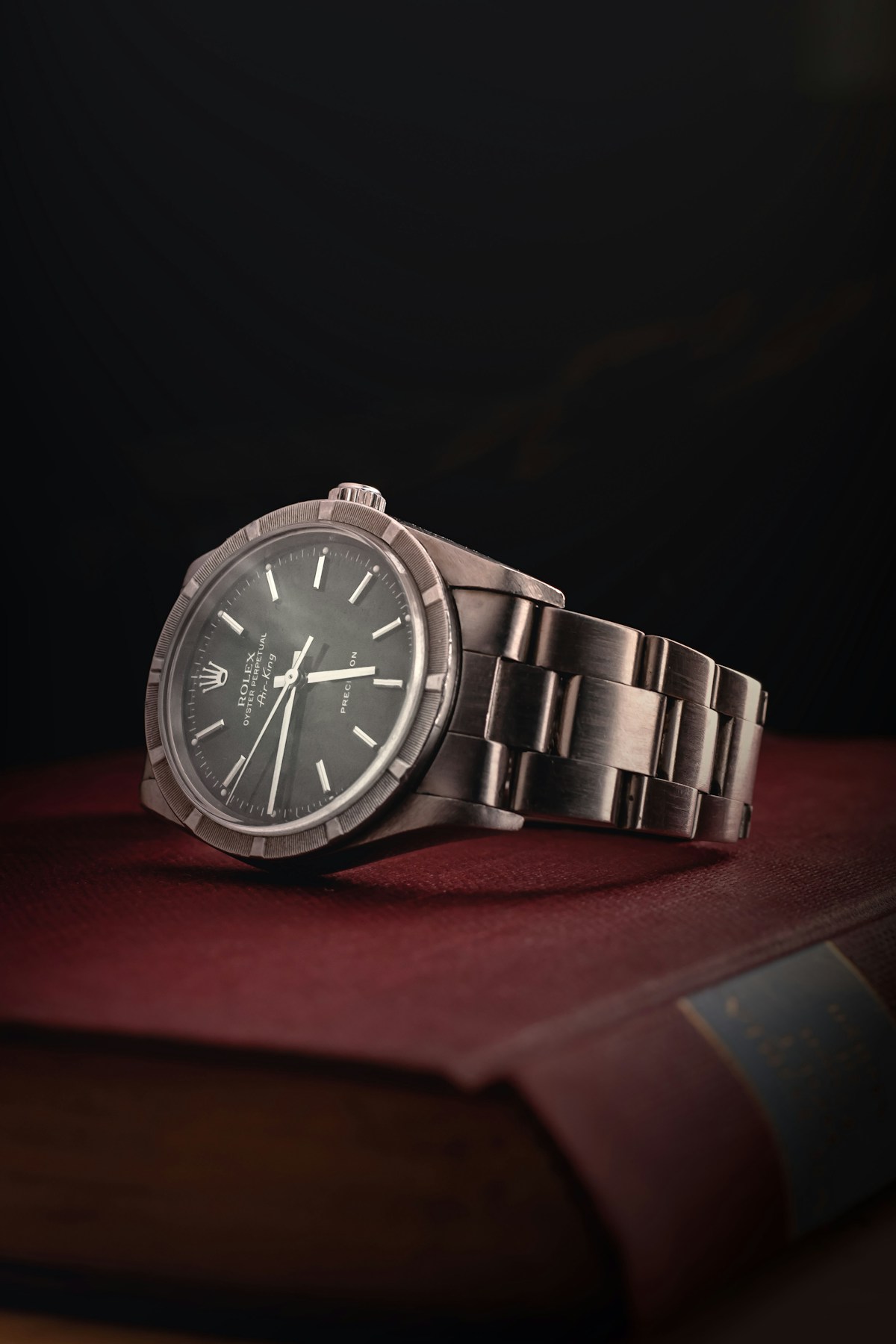
For most of us, collecting watches begins with emotion, not spreadsheets. A dial catches the light in a way we can’t forget. A case shape recalls a family heirloom. A movement’s heartbeat turns a simple object into something intimate and alive. Yet at some point, nearly every enthusiast asks a practical question: can a watch collection also hold its value over time?
The answer is yes — but not in the simplistic, hype-driven way social media often suggests. The strongest collections are rarely built by chasing whatever is hottest this quarter. They are built through knowledge, discipline, and a clear understanding of what makes certain watches endure while others fade into the background. In that sense, watch collecting as an investment is less about speculation and more about stewardship.
Value begins with desirability
A watch retains value when other people continue to want it, not just today but years from now. That sounds obvious, but it is the central principle behind every smart collecting decision.
Desirability can come from many places: design, brand heritage, movement quality, wearability, scarcity, cultural relevance, or simple honesty of execution. A Hamilton Khaki Field Mechanical, for example, is not rare, but it has enduring appeal because it offers genuine military-inspired design, a proven hand-wound movement, and an approachable price. The same is true of a Seiko Prospex diver or a Citizen Promaster. These are not speculative flips; they are watches with broad, lasting collector recognition.
The lesson is important for newer collectors. A watch does not need to be expensive to be investment-minded. It does need a reason to matter. Pieces that tell a coherent story tend to hold attention longer than watches built purely around trend.
Buy the best example you can afford
Condition remains one of the most powerful drivers of value. In the secondary market, two watches of the same reference can perform very differently based on polishing, dial integrity, bracelet stretch, service history, and completeness.
Collector wisdom is usually simple here: buy fewer, better watches. A clean, well-documented example of a Formex Essence or a Farer World Timer will often prove more satisfying — and more resilient — than three impulse purchases that never quite felt right.
This matters even more with independent and microbrand pieces. Brands like Baltic, Venezianico, Mitch Mason, and NEUTRA have earned loyal followings by offering thoughtful design and credible specifications. But because production runs can be smaller and secondary-market liquidity can be uneven, condition and full sets become even more important. Original box, warranty card, extra links, and purchase documentation all help preserve confidence for the next buyer.
For seasoned collectors, this is familiar territory. For beginners, it is one of the easiest ways to avoid expensive lessons.
Movements matter — but not always how people think
Collectors love movements for good reason. The caliber is the mechanical soul of the watch. But from an investment perspective, movement value is not just about decoration or exclusivity. Serviceability matters just as much.
Reliable, widely understood calibers often support long-term ownership better than exotic complexity. The ETA-based or Sellita-based movements found in many Hamilton, Farer, and Formex watches are attractive partly because competent watchmakers can service them without drama. Seiko’s 6R family and Citizen’s Miyota-based automatics occupy a similar space of practical collectibility.
That does not mean in-house is unimportant. It means that investment-minded collectors should think beyond the marketing language. A beautiful movement nobody wants to service can become an ownership burden. By contrast, a robust caliber with parts availability and a solid reputation may strengthen long-term confidence.
When evaluating a watch, ask not only “Is the movement impressive?” but also “Will this watch still be easy and sensible to maintain ten years from now?” That is a far more useful question.
Hype is loud. Staying power is quiet.
One of the great temptations in modern collecting is mistaking visibility for permanence. A model floods your feed, waitlists appear overnight, and suddenly the market seems to confirm its importance. Sometimes that enthusiasm proves justified. Often, it does not.
Watches with lasting value tend to reveal their strength more slowly. They are the pieces people keep wearing after the excitement passes. They appear in thoughtful collections, not just fast flips. They develop communities of appreciation rather than bursts of speculation.
This is why certain entry and mid-tier references can be surprisingly strong long-term holds. A well-bought Baltic Aquascaphe, a thoughtfully designed Venezianico Nereide, or a respected Seiko limited edition may never become auction-room legends, but they can remain highly desirable within their segment because they speak clearly to enthusiasts. They were bought to be worn, discussed, and enjoyed.
There is a useful discipline here: before buying, imagine how the watch will feel in five years, not five weeks. If the answer depends on market noise, step back.
Build a collection, not a portfolio fantasy
The phrase “investment watch” can be misleading because it encourages people to collect with someone else’s taste. Over time, that usually leads to a box full of watches that look sensible on paper but leave no emotional trace.
The best collections have an internal logic. Perhaps yours centers on field watches, from the Hamilton Khaki to vintage-inspired pieces from Serica or NEUTRA. Perhaps you focus on dive watches, comparing Seiko, Citizen, Baltic, and Formex through design eras and movement choices. Perhaps you love underappreciated microbrands that express genuine originality.
When a collection has a point of view, buying decisions get better. You become less vulnerable to hype and more sensitive to quality. Ironically, this often improves long-term value. Watches chosen with discernment tend to age well because they were never random to begin with.
In other words, the most rewarding investment strategy is not to collect what everyone is talking about. It is to understand why you are collecting at all.
The watches worth holding onto
In horology, long-term value is rarely just financial. The watches we remember best are often the ones that taught us something: how a case should fit, how a movement should feel when winding, how design and heritage intersect, how patience beats urgency.
Yes, some watches will appreciate. Many will simply hold value respectably. A few will disappoint. But if you buy with clarity — favoring strong design, honest engineering, sound condition, and real desirability — you give yourself the best chance of building a collection that is both emotionally rich and financially resilient.
That balance is where mature collecting lives. Not in frantic prediction, but in careful selection. Not in chasing the market, but in learning to recognize substance.
And, as every good collector eventually discovers, some of the best returns come from the conversations a watch starts — the shared observations, the hard-earned advice, and the sense of belonging that grows when your passion is understood by others who see the details too.