



The Quiet Ritual of Watch Care
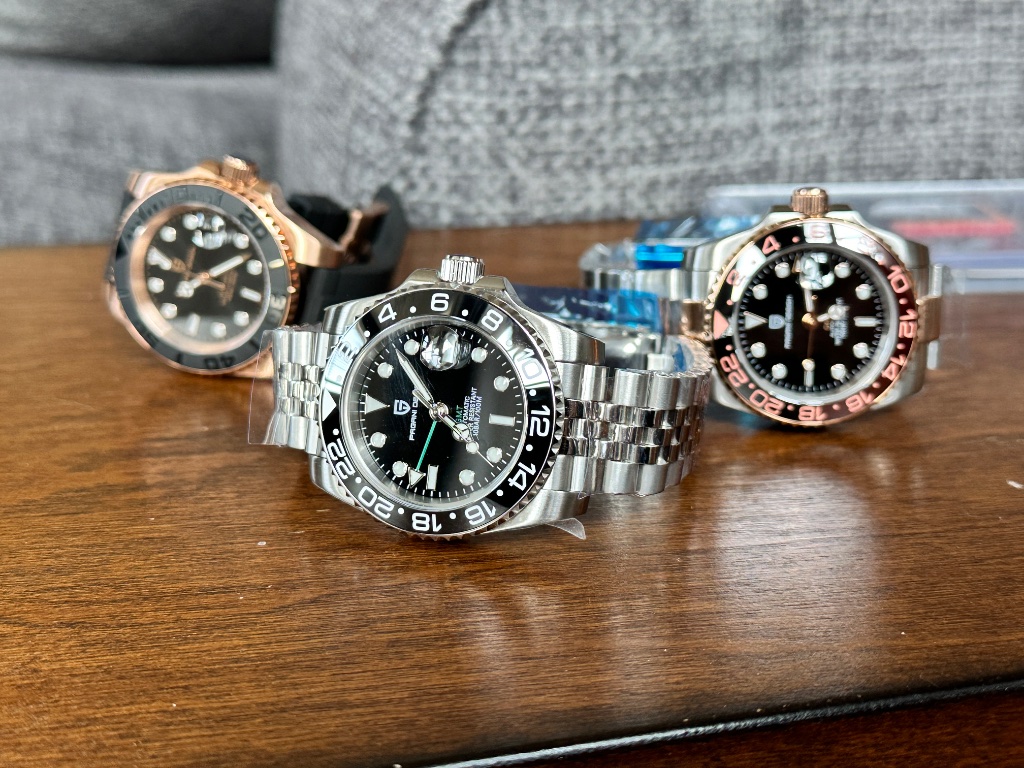
A well-kept watch has a presence you can feel before you can see it. The crown turns with satin precision; the bracelet lies clean and silent at the lugs; the dial glows evenly after dusk. Watch care and maintenance isn’t fussy housekeeping, it’s the craft that preserves both performance and provenance. Whether it’s a stalwart Hamilton Khaki Field, a Seiko Prospex diver with the 6R35, a Baltic Bicompax on calfskin, or a Formex Essence with an elaboré-grade Sellita SW200-1, the daily rituals we choose shape how these machines age with us.
Water Resistance: Ratings, Reality, and Routine
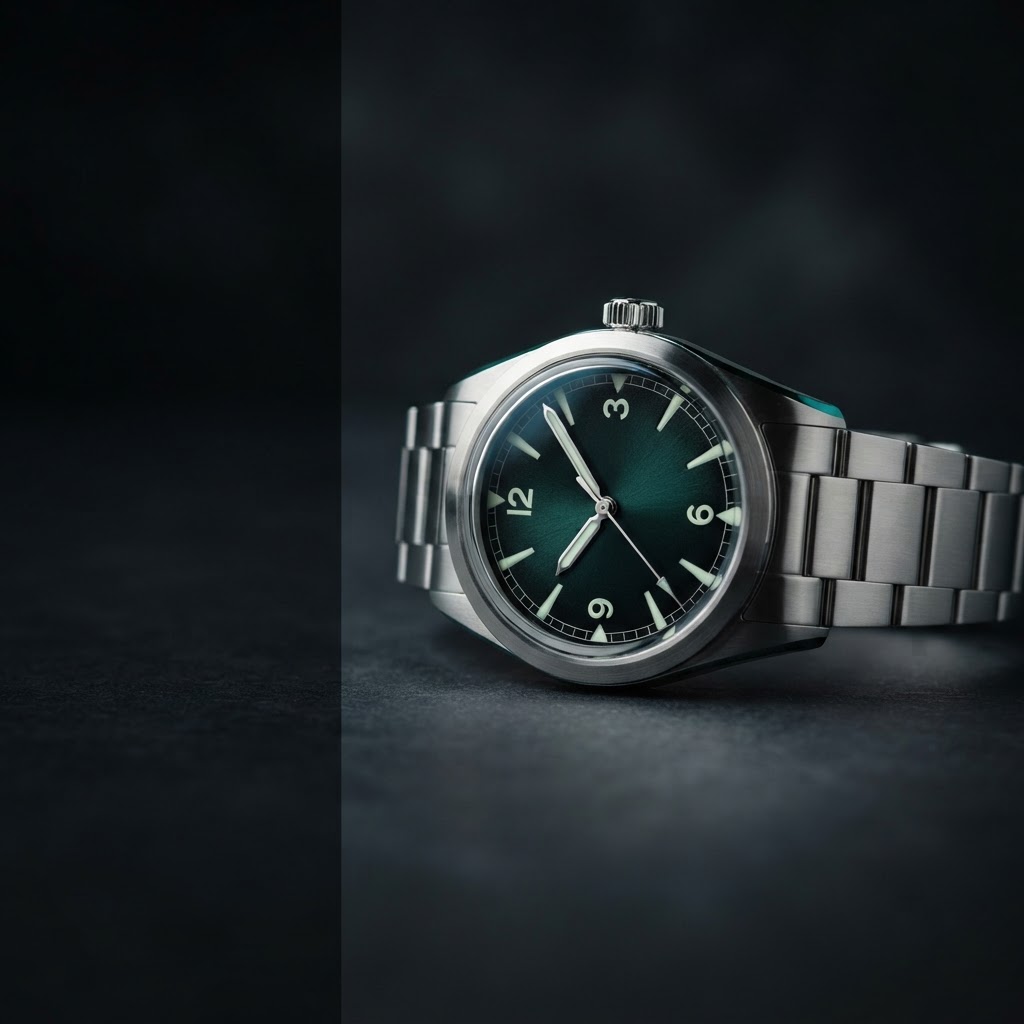
Water resistance is a moving target, not a static spec sheet. Gaskets compress, casebacks shift, and a single careless crown pull can undo the best engineering. If a watch sees water, pool laps with a Citizen Promaster, ocean spray on a Venezianico Nereide, or just a summer thunderstorm, treat an annual pressure test like an oil change. Especially after a battery swap on a quartz or a case opening for regulation, have a competent watchmaker replace and pressure-test gaskets.
Best practice after swimming: rinse immediately in fresh lukewarm water, then pat dry with a microfiber cloth. Salt and chlorine attack rubber and steel; a quick rinse avoids pitting and helps bracelets maintain that original luster. Remember, pushers are for dry land unless explicitly rated for underwater operation (think some modern dive chronographs); even then, err conservative.
Cleanliness and Materials: Steel, Leather, Rubber
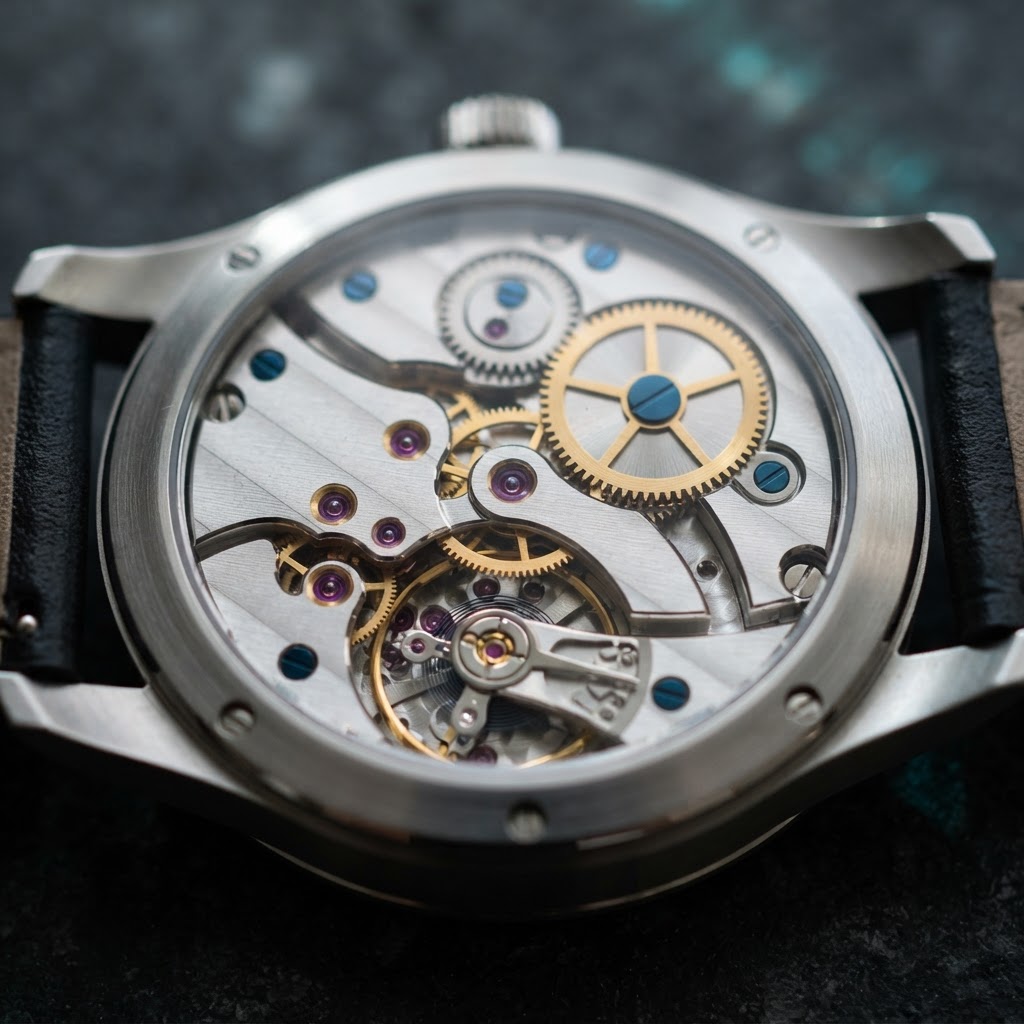
Regular cleaning does more than please the eye, it prevents abrasive grime from migrating into bezels, crowns, and end links. For steel and titanium bracelets, a soft brush with mild dish soap is perfect. Work gently around the clasp and under the end links. If the watch is vintage or sporting older tritium, keep moisture minimal and stay well clear of the crown stem and pushers. Ultrasonic cleaning is superb for bracelets, but remove the bracelet from the watch head and let a professional handle stubborn buildup.
Leather wants empathy, not soaking. A Baltic on quick-release calf, a Farer cushion-case with Barenia, or a Mitch Mason field watch on Horween will all appreciate a wipe with a barely damp cloth followed by a rest day away from heat or sunlight. Occasional leather conditioner, sparingly, is fine. If your lifestyle is humid or aquatic, rotate to FKM rubber or a NATO. Rubber can develop a light bloom over time; a gentle soap rinse restores the matte.
Spring bars are the unsung heroes. Invest in quality (Seiko’s “fat bars” have saved many a diver) and inspect them whenever you change straps. End links seated squarely, collars and pins accounted for on bracelets, these checks prevent the sickening thud of a dropped watch.
Magnets, Shocks, and the Accuracy Whisper
Running minutes fast per day? Before you blame the movement, suspect magnetism. Smartphones, tablet covers, handbags with magnetic clasps, and speaker grilles are common culprits. A simple compass test (the needle twitching near your watch) suggests magnetization. A demagnetizer is inexpensive and effective, but if you’re unsure, let your watchmaker handle it during a regulation check on a timegrapher.
Shocks are trickier. Modern calibers, from the Miyota 9039 to ETA 2824-2 and Sellita SW200-1, have shock protection, but they’re not built for a round of tennis or a mountain bike descent. Keep a G-Shock or a Citizen Promaster Tough for the rough-and-tumble. Mechanical watches are happiest when the impact is emotional, not physical.
Winding, Wear, and the Winder Debate
Manual-wind watches reward the hand and the ear. Wind at roughly the same time each day, with gentle, even turns. When resistance firms, stop; that soft wall is the mainspring at capacity. No need to force it, overwinding is less “myth” than “operator error.”
For automatics, wearing is winding. If a favorite Hamilton H-10 or NEUTRA daily loses steam on a desk-jockey schedule, give it 20–30 slow crown turns before strapping in. Winders? They’re tools, not talismans. Unless you own a perpetual calendar or moonphase you prefer not to reset, a winder is optional. If you do use one, match turns-per-day (TPD) and direction to your movement: many Swiss calibers (ETA/Sellita) are bi-directional and happy around 650–800 TPD; Seiko’s magic lever systems also wind both ways; Miyota 9-series often prefer clockwise. The goal is maintenance, not marathon, too much motion can advance wear.
Service Intervals and Choosing a Watchmaker

Manufacturer guidance ranges widely, Seiko often suggests service on condition; some Swiss houses recommend every 5–7 years. Reality: let accuracy, amplitude, and crown feel be your guide. If your Formex’s SW200 struggles to hold reserve, or your Seiko 6R35 drifts beyond its -15/+25 spec after a normal knock, it’s time to call in a pro.
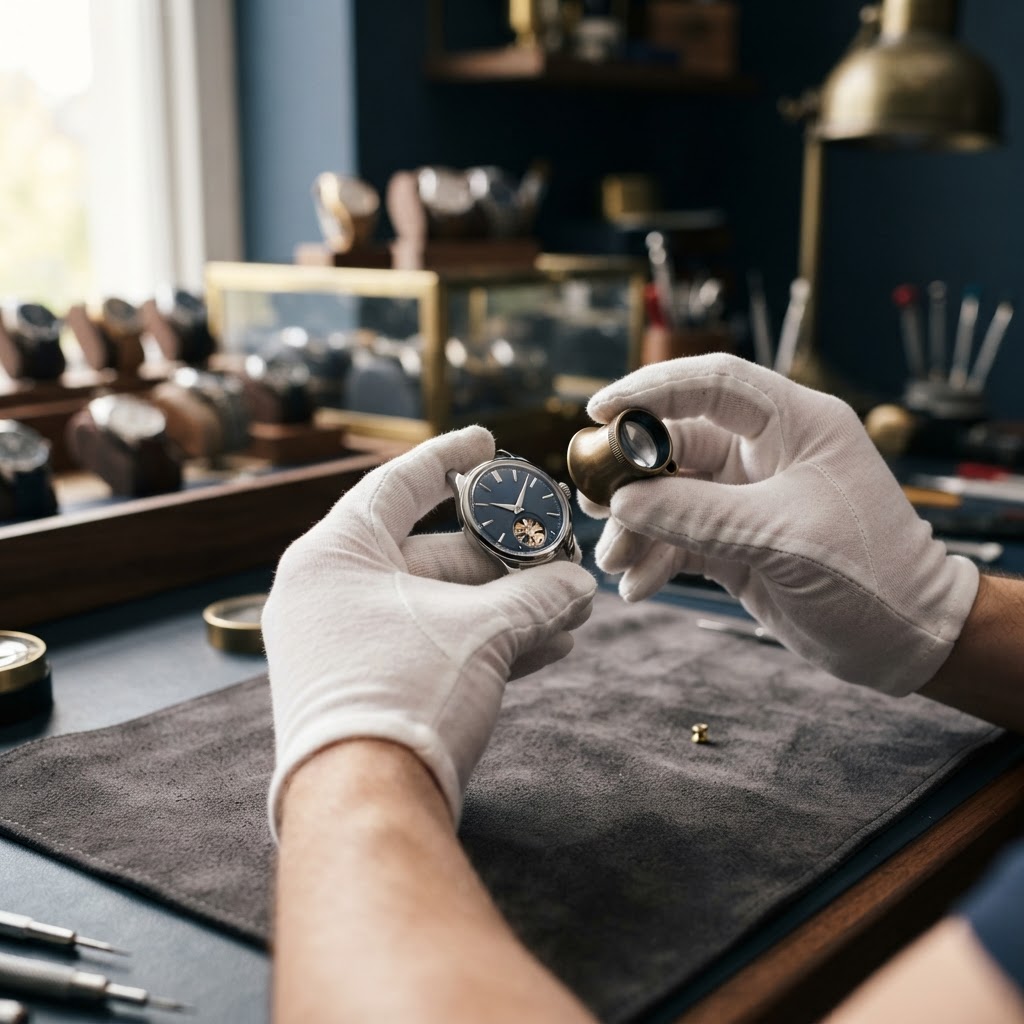
A good independent watchmaker is a treasure. Ask what parts access they have (especially for microbrands), whether they pressure test in-house, and if they provide before/after timing data. A full service should include disassembly, ultrasonic cleaning, reassembly with correct oils, regulation in multiple positions, and replacement of worn parts and gaskets. Polishing? Only if absolutely necessary and always with restraint; edges and case geometry are value.
Storage, Travel, and Peace of Mind

Storage is climate and stability. Keep watches away from direct sunlight and heat, and consider a desiccant pack in your watch box, silica gel swapped every few months keeps moisture honest. Travel rolls with individual compartments prevent bezel-on-case rash. If magnets haunt your desk, store watches a foot away from speakers and chargers.
Dust caps for display backs aren’t necessary, but a soft, clean surface is. Lay watches dial-up when possible; if a movement is known to run fast or slow in a given position, use that to your advantage overnight to fine-tune daily rate, a quiet trick many collectors employ with Sellita and ETA workhorses.
Insurance and documentation are part of care, too. Keep receipts, service records, and reference photos of serials. For pieces like a limited Baltic or an early Seiko “Sumo,” provenance enhances both resale and the story you tell.
The Last Turn of the Crown
Care is cumulative. None of these habits are heroic on their own, but together they preserve lubricants, safeguard seals, and keep tolerances honest. They also guard the intangible, the way a bezel clicks on a diver you’ve owned for a decade, the way a leather strap darkens along the curve of your wrist, the way a family member might one day feel that same quiet connection.
In our club conversations, someone always asks for the single best tip. Here’s ours: make care a ritual, not a reaction. Rinse the diver, wipe the crystal, check the crown, listen to the beat. The reward isn’t just fewer service bills, it’s watches that meet you at their best, every time you reach for them. And if you ever want to compare notes over coffee, you’ll find no shortage of friendly wrists and well-worn wisdom in The Keeper Box community.