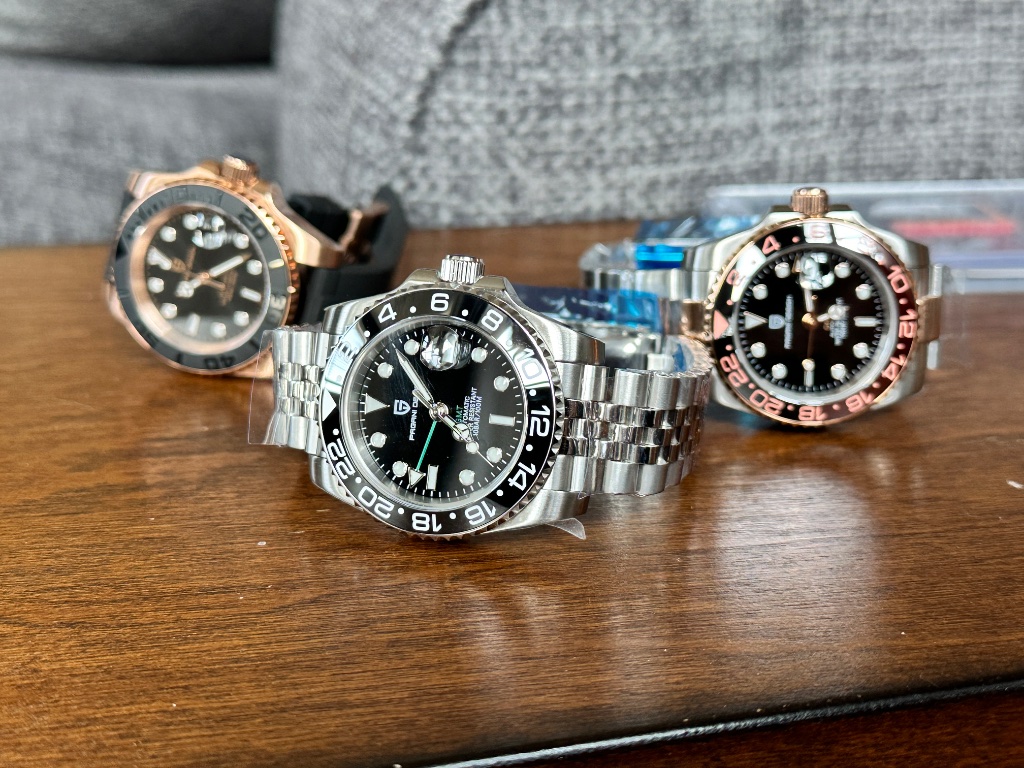

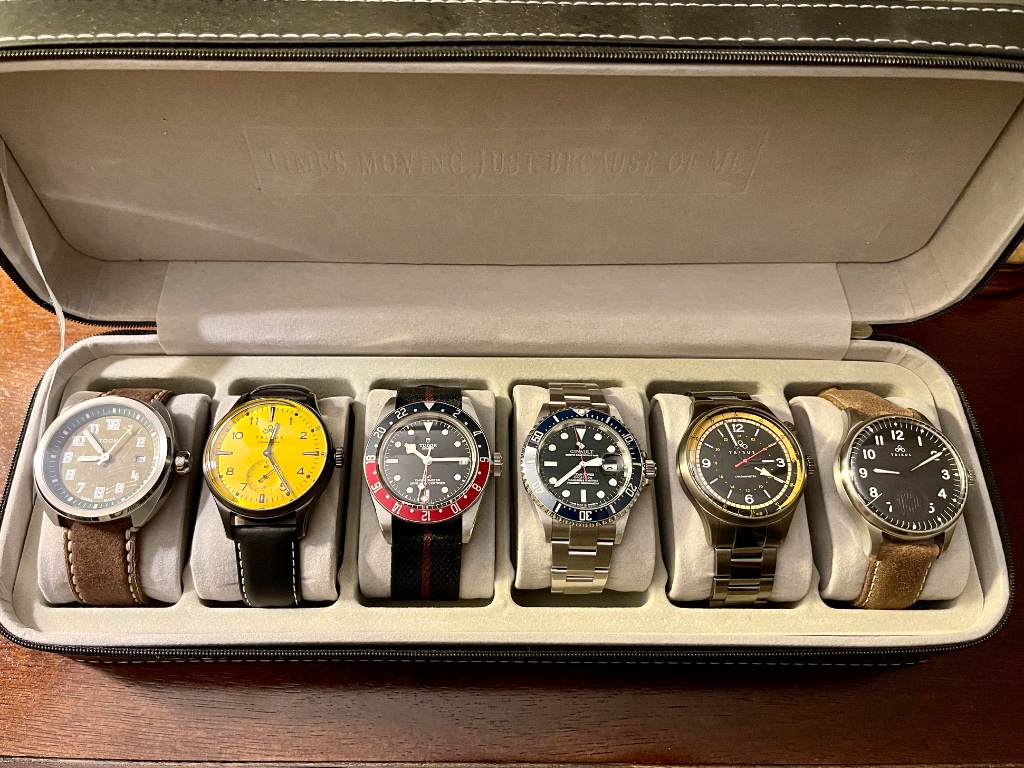


A great watch does more than tell time or signal taste. It changes the way an outfit settles on the body. It can sharpen a blazer, relax a knit polo, or give a simple white T-shirt and denim the quiet authority of intention. For collectors, that is part of the magic: watches live at the intersection of utility, design, and self-expression.
Yet watch style is often reduced to stale rules about matching shoes to straps or reserving dress watches for formalwear. Real life is more interesting than that. The most stylish collectors are not the ones following a rigid playbook; they are the ones who understand proportion, context, and personality. Whether your watch box holds a Hamilton Khaki Field Mechanical, a Baltic Aquascaphe, a Citizen Tsuyosa, or a carefully chosen microbrand like a Formex Essence 39 or a Venezianico Nereide, the question is the same: does the watch feel right on you, today?
Start with proportion, not price
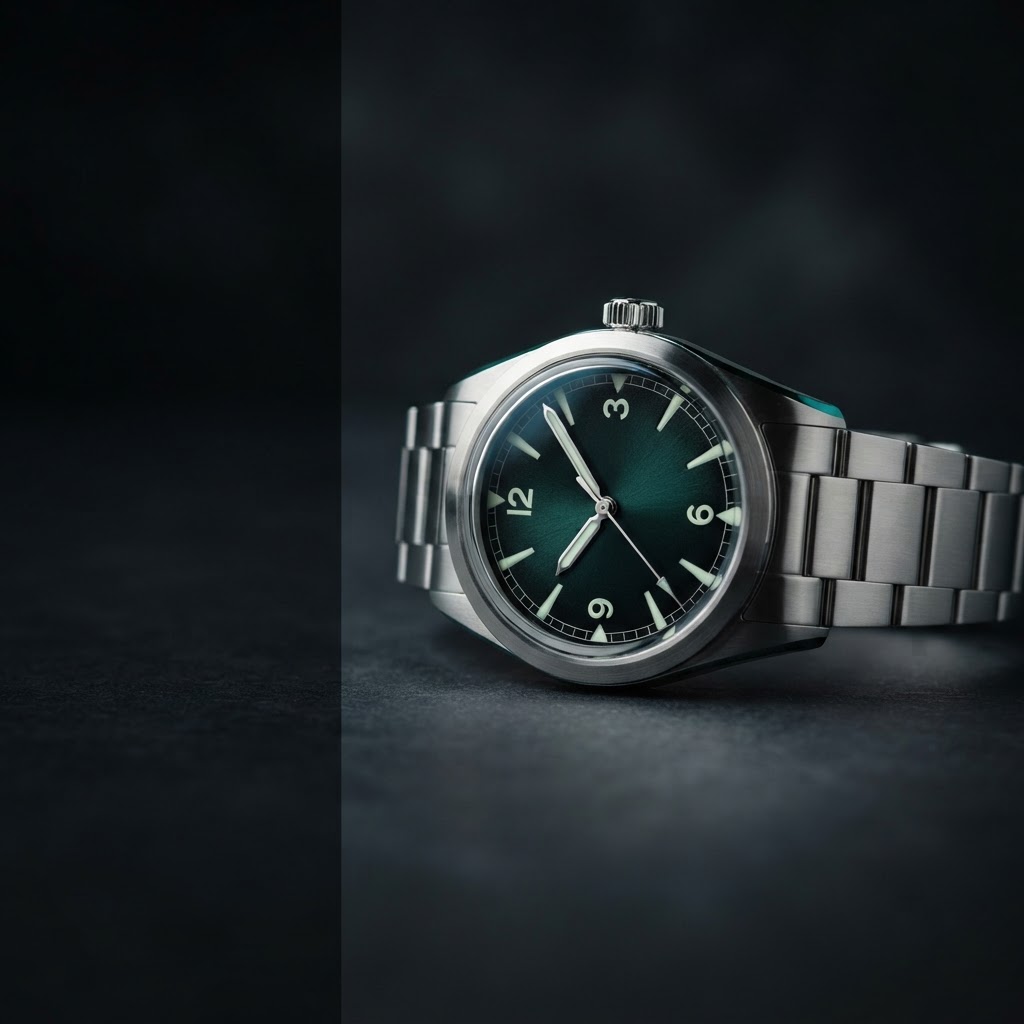
If there is one rule worth keeping, it is this: style begins with proportion. A modestly priced watch that fits beautifully will always look more refined than an expensive one that overwhelms the wrist.
Case diameter matters, but it is only part of the story. Lug-to-lug length, thickness, and dial opening all shape how a watch wears. The 38mm Hamilton Khaki Field Mechanical is beloved not just because it is handsome and historically grounded, but because its proportions are easy, balanced, and forgiving. By contrast, even a 40mm diver can feel large if the bezel is slim, the dial expansive, and the lugs long.
This is where seasoned collectors often develop an eye that beginners can borrow. A Formex Essence 39 wears clean and versatile because its dimensions are disciplined. A Seiko Alpinist, with its compact stance and rich dial texture, often feels more elegant than its sporty reputation suggests. The lesson is simple: choose the watch that complements your wrist and your frame, not the one that wins on paper.
Good style rarely announces itself through size. It reveals itself through balance.
Let the watch follow the texture of the day
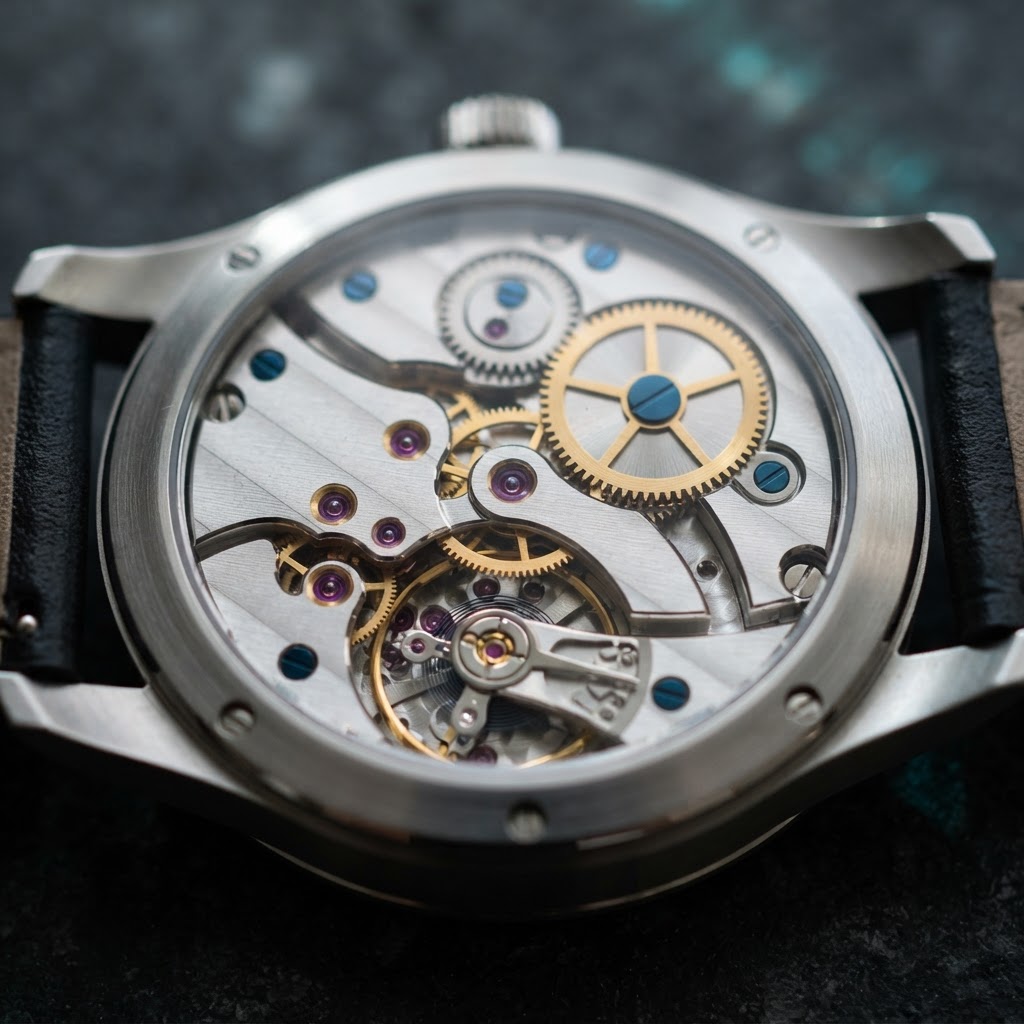
Clothing has texture, and watches do too. Brushed steel, glossy ceramic, distressed leather, polished bevels, matte dials, beads-of-rice bracelets, rubber straps, and woven NATOs all create mood before anyone notices a logo on the dial.
A field watch like the Hamilton Khaki or a NEUTRA timepiece with vintage military cues works beautifully with chambray, denim, overshirts, suede, and soft tailoring. Those watches have a grounded, tactile honesty. A Baltic MR01, on the other hand, belongs to finer textures: wool trousers, cashmere, an unstructured jacket, even a crisp poplin shirt with the sleeves rolled.
Divers are more flexible than people think. A Baltic Aquascaphe, Citizen Promaster, or Mitch Mason Maelstrom can bring welcome structure to casual clothes, especially in warmer months when outfits tend to simplify. A clean diver on bracelet with a polo and loafers can look far more considered than a dress watch worn out of obligation.
Straps matter enormously here. Collectors know that a strap change is often more transformative than buying a new watch. A black leather strap can make a Seiko feel restrained and urban. A tan suede strap can soften a Farer and make its color feel even more playful. Rubber adds modernity. A bracelet adds confidence. The wise collector learns to style the watch through the strap, not just the watch itself.
Color is the quiet flex
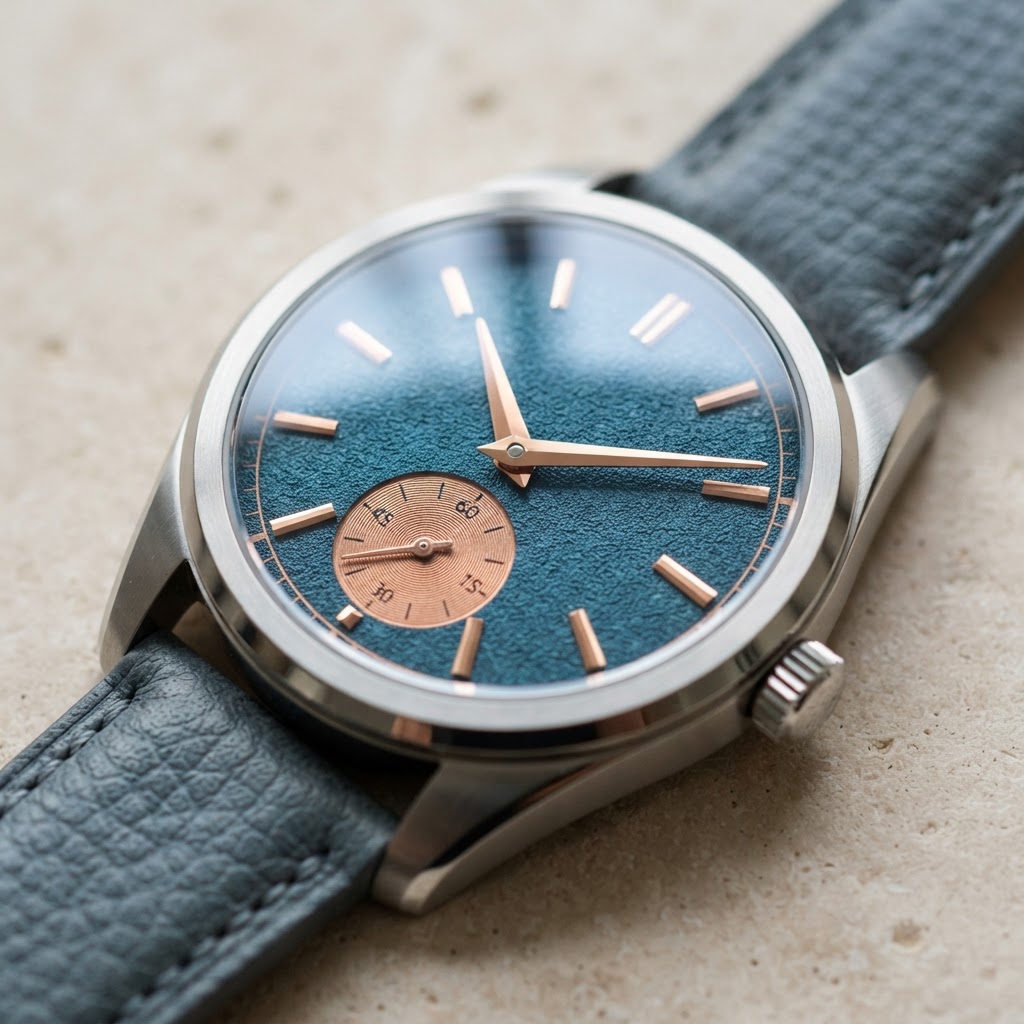
Most stylish watch choices are not about loud color matching. They are about harmony.
Black, silver, white, and navy remain the easiest dial colors because they act almost like neutrals. But the current era of watchmaking has made room for much more personality. Consider the teal and sea-blue confidence of some Farer models, the warm gilt accents on a Venezianico diver, or the textured greens now appearing across Seiko and Citizen. These watches can be incredibly wearable when the rest of the outfit gives them space.
A common beginner mistake is trying to match everything exactly. In practice, exact matching can look forced. A better approach is to stay within a family of tones. Earthy outfits welcome cream dials, bronze cases, brown leather, and gilt details. Cooler tailoring suits silver dials, steel bracelets, slate blues, and monochrome palettes. If you wear a lot of olive, navy, grey, or off-white, you already have an ideal backdrop for a wide range of watches.
Collectors also learn that a colorful watch should usually be the only colorful object doing real work. Let the dial speak. A salmon Baltic MR01 or a yellow-accented microbrand piece feels far more elegant when the rest of the look is restrained.
The movement matters more to you than to your outfit
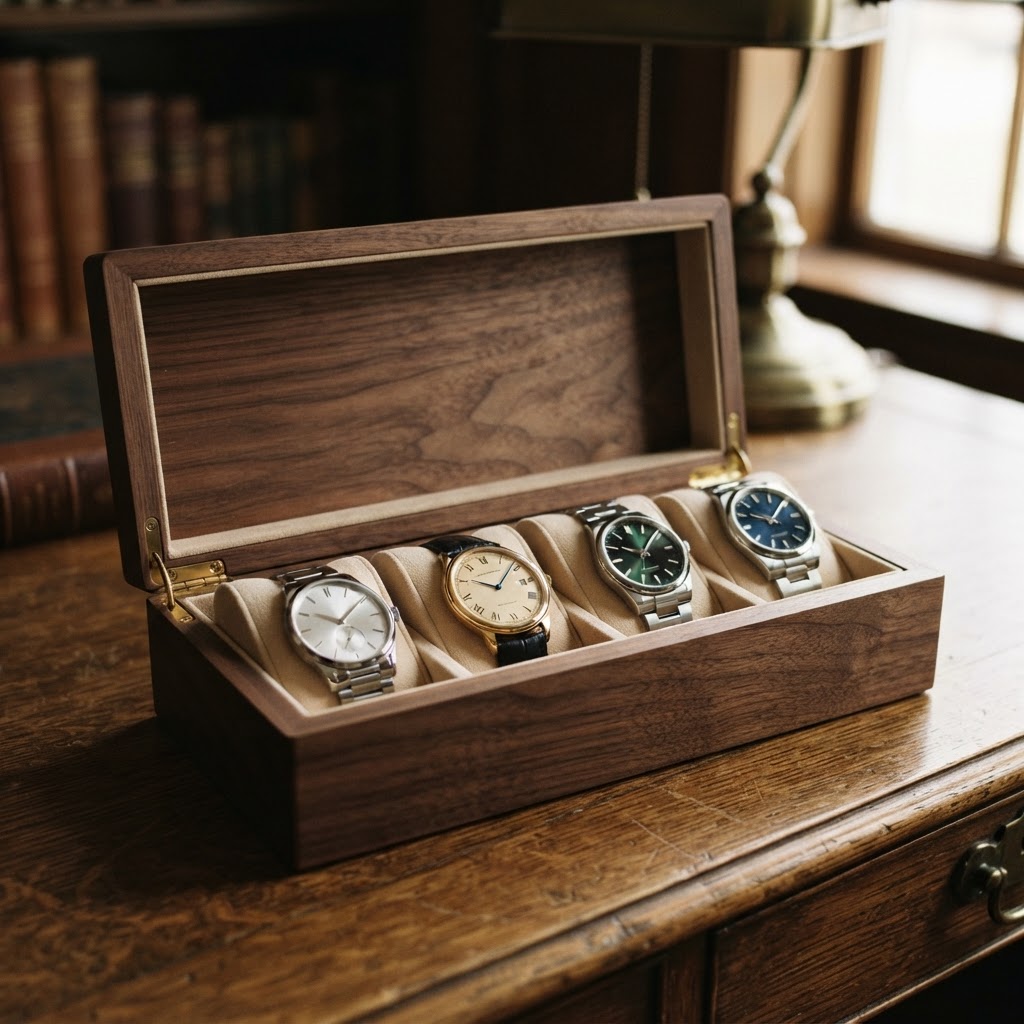
A style conversation should not ignore mechanics, because movements subtly shape how a watch feels on the wrist and in the life of its owner.
No one across the room will identify a Miyota 9039, a Sellita SW200-1, or Seiko's 6R35 by sight. But movement choice affects case thickness, crown feel, winding ritual, and the emotional rhythm of wear. A hand-wound Hamilton with the H-50 invites a slower, more intimate relationship. A slim automatic can disappear under a cuff with almost dress-watch ease. A quartz Citizen may be the most practical thing in the box for mornings when you want zero friction.
This is collector wisdom worth keeping: wearability is style. If a watch is too precious, too thick, too fussy to set, or too uncomfortable on its bracelet, it will not become part of your real wardrobe. It will remain an idea. The watches that become personal signatures are usually the ones that fit seamlessly into real routines.
Build a rotation around moments, not labels
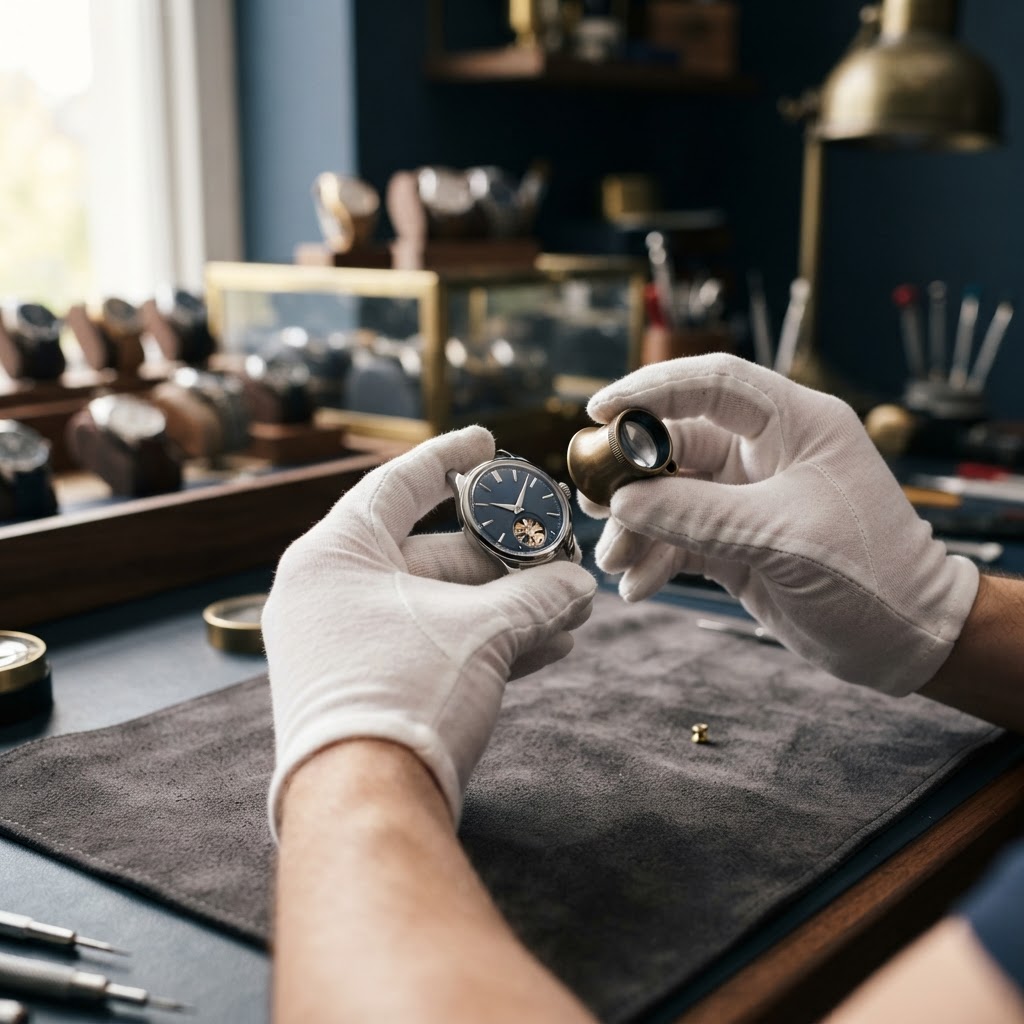
Many enthusiasts start by thinking in categories: dive watch, dress watch, field watch, chronograph. That is useful up to a point. But style gets better when you think in moments instead.
What do you reach for on a weekday morning when you want to feel put together without trying too hard? Maybe it is a Formex Essence 39 on bracelet. What works for a Saturday coffee run, bookstore stop, and late lunch? Perhaps a Khaki Field on worn leather. What feels right for dinner, a gallery opening, or an evening flight? A Baltic MR01, a refined Farer, or even a polished Citizen Tsuyosa can be unexpectedly excellent.
This approach also keeps a collection honest. You do not need five divers that solve the same styling problem. You need watches that earn their place by creating different moods. A three-watch rotation with real contrast often feels more stylish than a twenty-watch box filled with slight variations.
And for those drawn to microbrands, this is where the category shines. Brands like Mitch Mason, NEUTRA, Farer, Formex, and Venezianico often offer distinctive design language without the overfamiliarity of mainstream luxury. Worn thoughtfully, they can feel less like obvious status markers and more like signs of genuine taste.
Style, in the end, is conviction
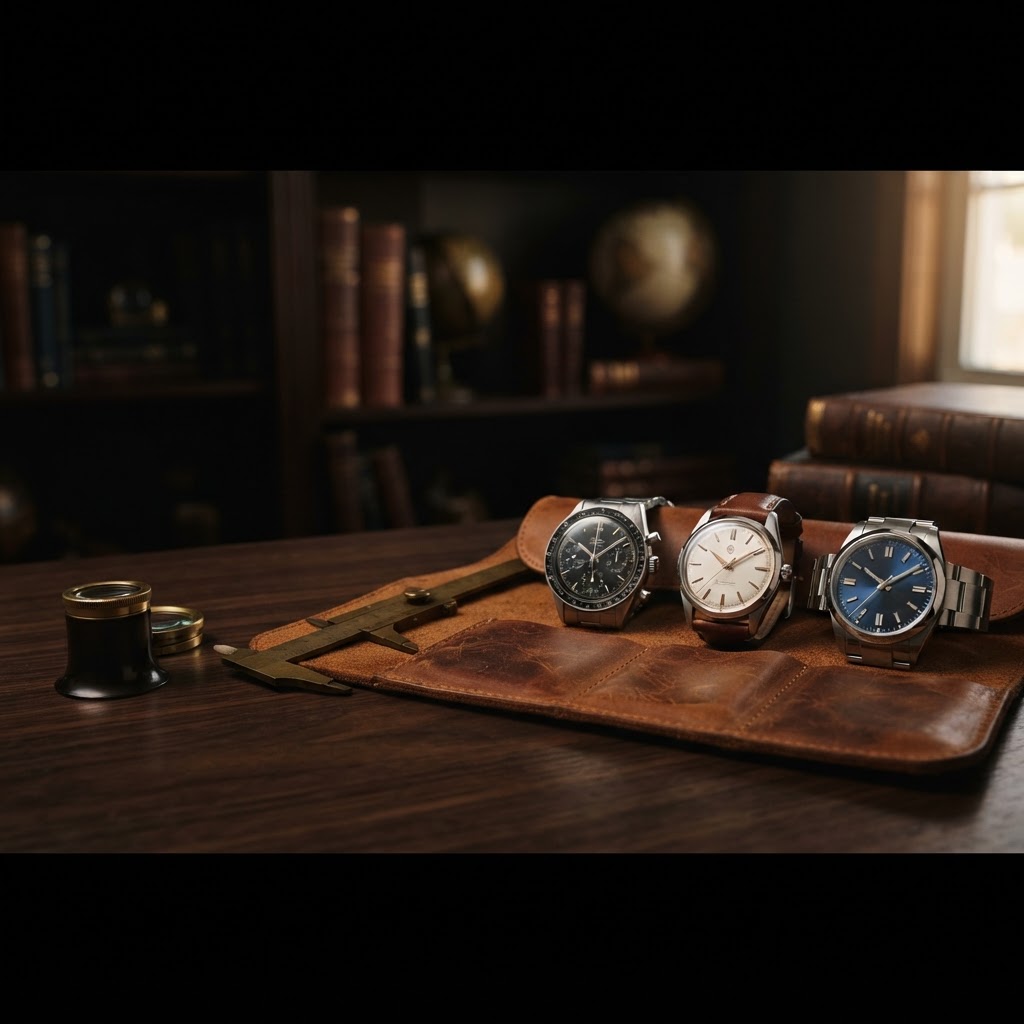
The best-dressed collectors do not wear watches like museum labels. They wear them like companions. A little patina on a leather strap, a few marks on a clasp, the easy habit of choosing one watch over another for reasons that are hard to explain but instantly felt, that is where personal style begins.
A watch should support who you are, not costume who you are. Learn your proportions. Pay attention to texture. Use color with confidence but restraint. Choose movements and straps that fit your life. Then wear the watch enough for it to become yours.
That is when style stops being a rulebook and starts becoming a point of view. And if you are lucky, it is also the kind of detail that sparks the best conversations among people who notice the difference, exactly the sort of exchange that makes a watch worth keeping.