

Two different starting points
Collecting and investing in watches both involve acquiring watches, but they start from different motivations and lead to different experiences.
Collecting is driven by personal interest — in design, mechanics, history, or the simple pleasure of wearing something well-made. A collector's decisions are guided by what they enjoy, what intrigues them, and what fits their evolving sense of taste.
Investing is driven by financial return. An investor's decisions are guided by market trends, brand demand, scarcity, and the likelihood of future price appreciation. The watch itself may be secondary to its position as a financial asset.
The enjoyment-first mindset
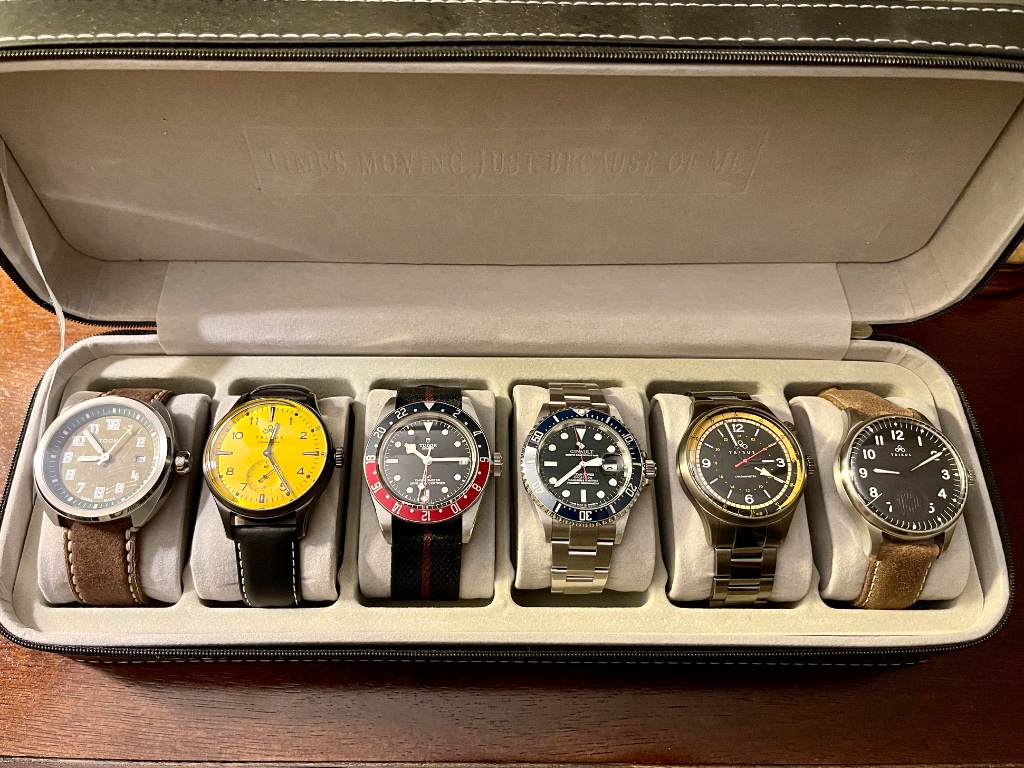
Enjoyment-first collectors buy watches to wear them. They value how a watch looks on the wrist, how the movement operates, and what the watch represents to them personally. They may collect across many price points and brands, guided by curiosity rather than market signals.
This approach tends to produce more diverse and personally meaningful collections. It also tends to be more accessible, because enjoyment-first collecting does not require expensive watches. A well-designed microbrand watch can bring as much satisfaction as a luxury piece.
The profit-first mindset
Profit-first collectors — more accurately described as investors — acquire watches they believe will appreciate in value. They track market trends, follow auction results, and make purchasing decisions based on potential return on investment. Some watch investors never wear their acquisitions, keeping them in original packaging to preserve value.
This approach can be financially rewarding, but it is also speculative. Watch markets are influenced by fashion cycles, brand strategy, and broader economic conditions. Watches that appreciate significantly are a small fraction of all watches produced. Most watches, including many expensive ones, depreciate.
Where overlap exists
The distinction between collecting and investing is not always clear-cut. Some collectors naturally gravitate toward watches that hold their value well. Some investors genuinely enjoy the watches they buy. And some people occupy a middle ground — buying watches they love to wear while being mindful of their potential resale value.
There is nothing wrong with this overlap. Problems arise when investment thinking distorts the collecting experience — when someone buys a watch they don't enjoy wearing because it might appreciate, or avoids wearing a watch they love because doing so might reduce its value. These compromises work against the fundamental pleasure that draws most people to watches in the first place.
Common misconceptions
- "Expensive watches are always good investments." Most watches depreciate after purchase, including many luxury models. The watches that appreciate significantly are exceptions, not the rule.
- "Microbrands have no resale value." While microbrand watches typically don't appreciate, many hold a reasonable portion of their value within enthusiast communities, especially limited-edition models.
- "Collecting and investing are mutually exclusive." They are not. Many experienced collectors consider both enjoyment and value retention. The key is which factor drives the decision.
- "You should only buy watches that hold their value." This advice, if followed strictly, would restrict collecting to a handful of brands and models, eliminating much of the variety and discovery that makes the hobby rewarding.
Where The Keeper Box stands
The Keeper Box Watch Club is designed for enjoyment-first collectors. The membership model — which encourages trying, wearing, and experiencing a variety of watches — is fundamentally about personal discovery and pleasure, not financial return. Members are encouraged to keep watches they love wearing, trade watches that don't suit them, and explore brands they haven't heard of before.
This does not mean financial considerations are irrelevant. The club offers member pricing, and its trading platform facilitates fair exchanges. But the platform is not designed for speculation, and it does not position watches as financial assets.
The most satisfying collections are usually built around genuine interest. When you buy what you enjoy wearing, your collection tells a story about you — not about the market.