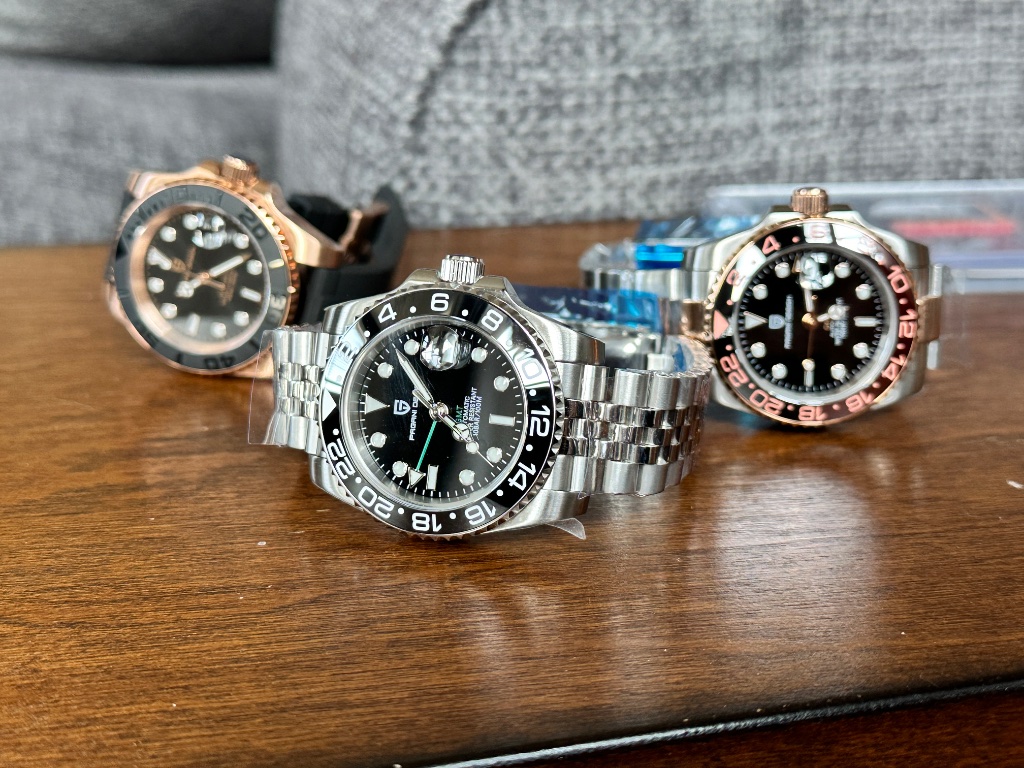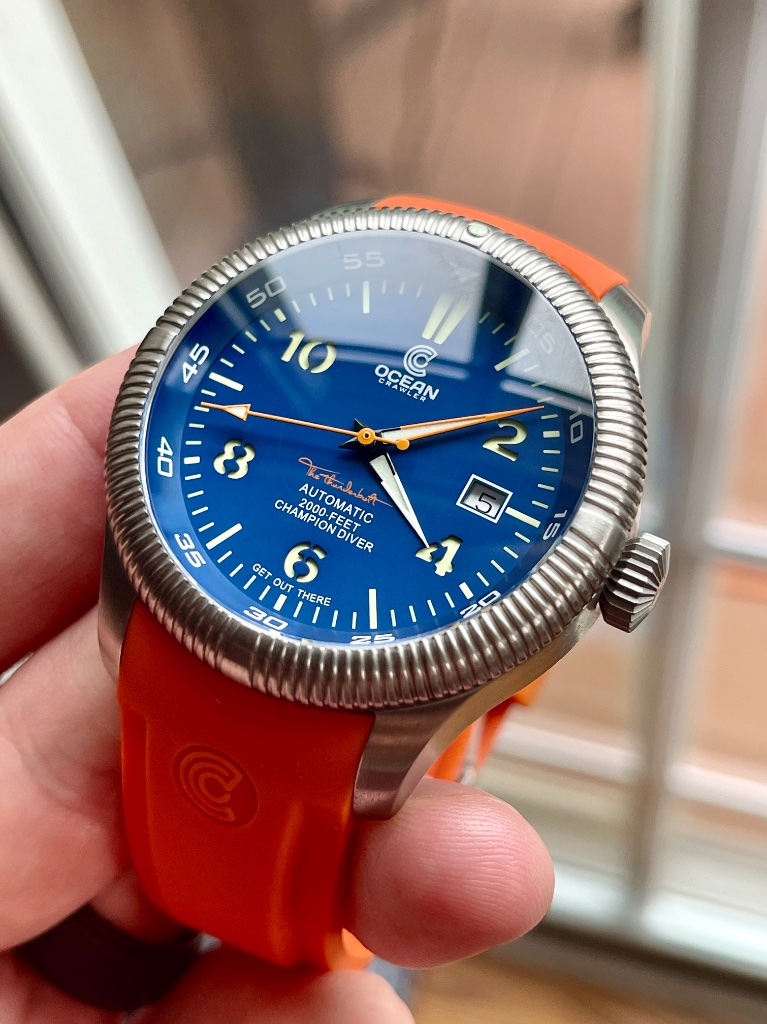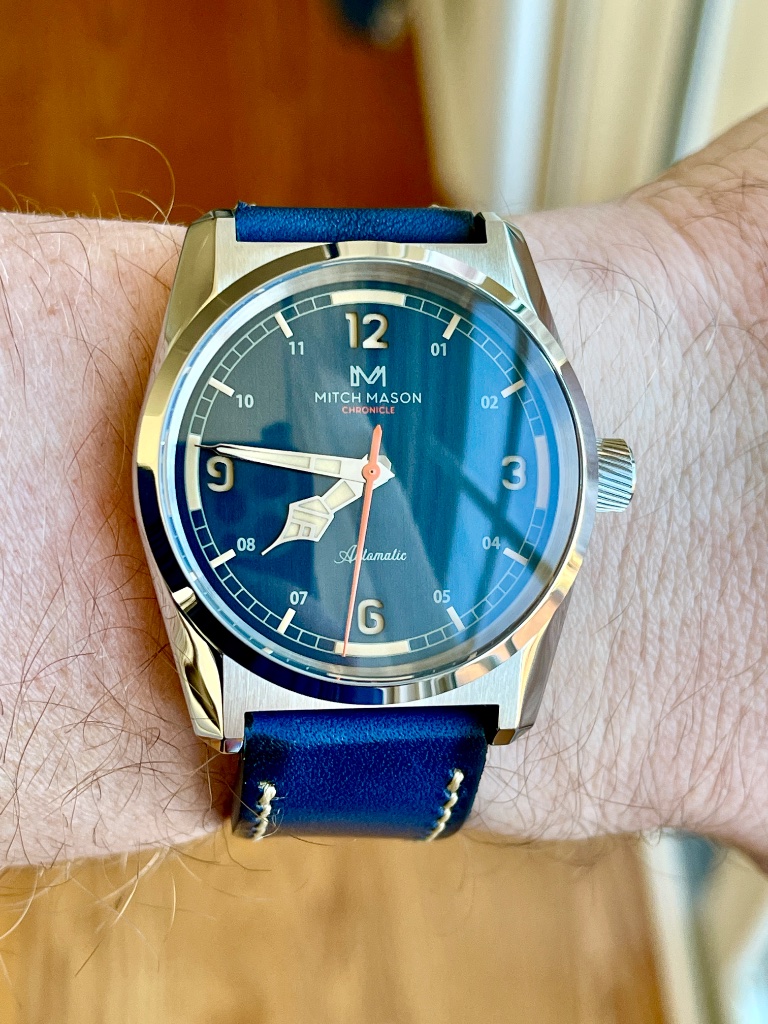

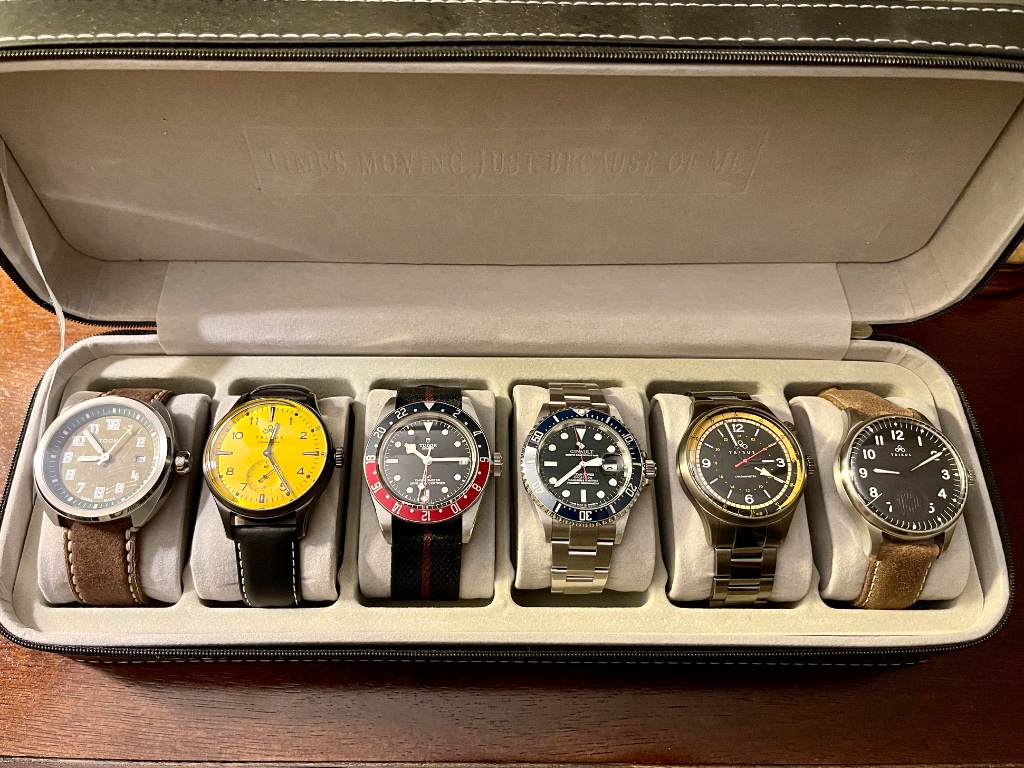
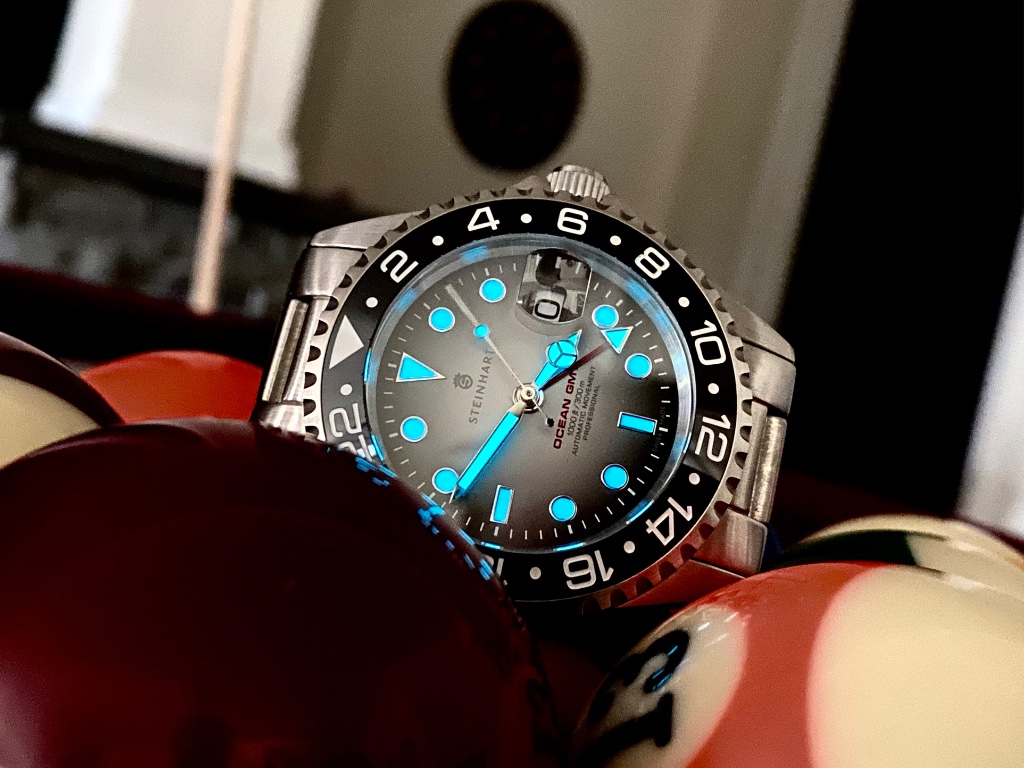

There's a moment every collector remembers. You're browsing, maybe a little aimlessly, scrolling through yet another feed of Submariners and Speedmasters, and then something stops you cold. A dial you've never seen. A case shape that feels fresh. A brand name you can't quite pronounce. You click. You read. And somewhere between the sapphire crystal specs and the founder's story, something shifts.
That's the microbrand moment. And in 2026, it's happening to more collectors than ever before.
What Exactly Is a Microbrand?
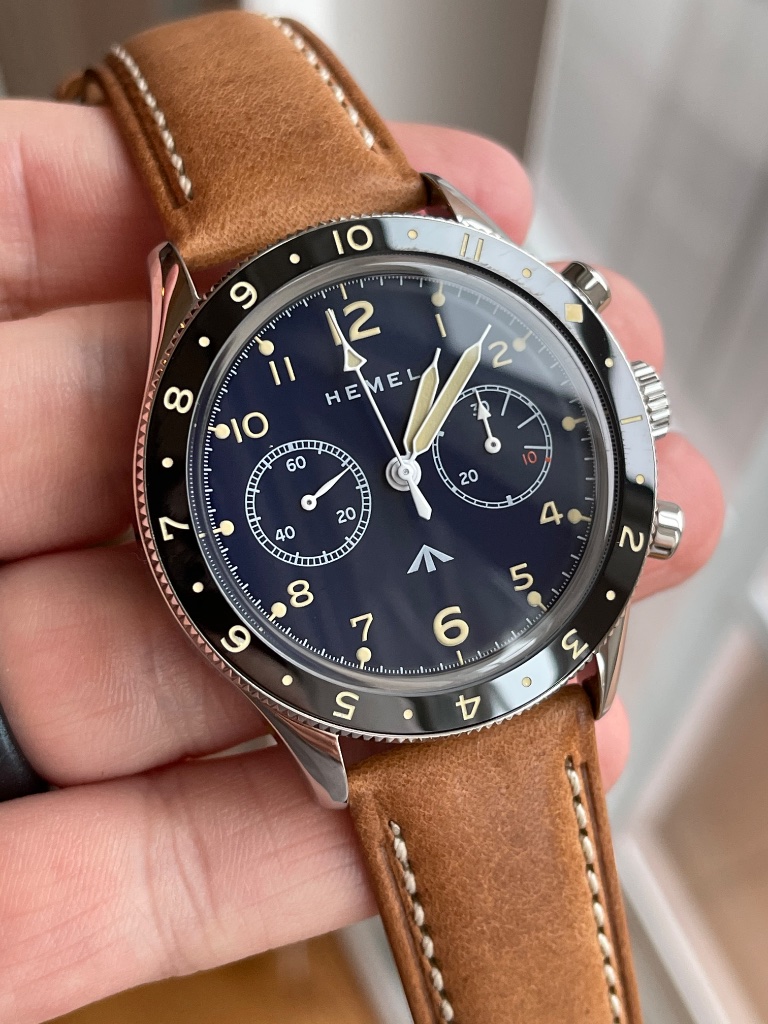
Let's clear the air. A microbrand isn't just a small company, it's a philosophy. These are watchmakers who typically operate with lean teams (sometimes just one person), sell direct-to-consumer, and pour every dollar into the product rather than marketing budgets or retail markup.
Think of brands like Lorier, Zelos, Baltic, Halios, Nodus, Gruppo Gamma, and Helson. They don't have flagship boutiques on Fifth Avenue. They don't sponsor Formula 1 teams. What they have is something arguably more valuable: a direct, honest relationship with the people who wear their watches.
The Founder Effect
One of the most compelling aspects of microbrands is accessibility to the creator. Many founders are active in forums, respond to emails personally, and genuinely incorporate community feedback into future designs. When you buy a microbrand watch, you're not just purchasing a product, you're supporting a vision and often becoming part of its story.
Why Microbrands Are Thriving Right Now
1. Value That Actually Makes Sense
Here's the uncomfortable truth about mainstream luxury watches: a significant portion of what you pay goes toward marketing, distribution, and brand prestige, not the physical watch on your wrist.
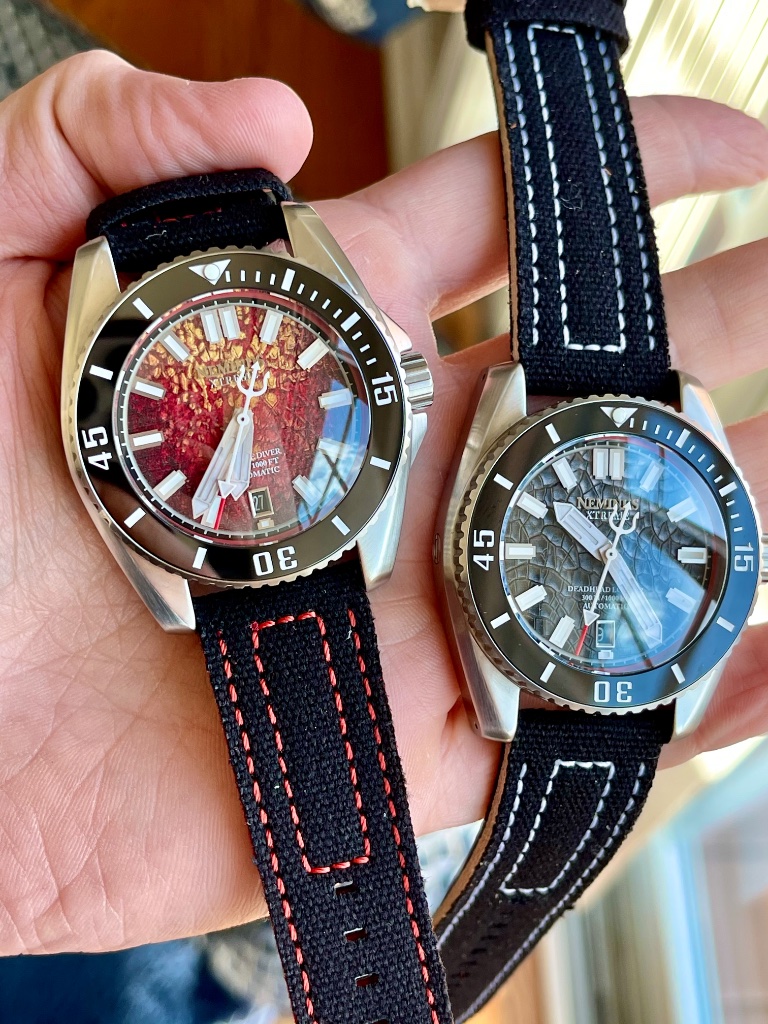
Microbrands flip this equation. A $400 microbrand diver might feature:
- A Miyota 9039 or Seiko NH35 automatic movement
- Sapphire crystal with AR coating
- 200m water resistance
- Solid end-link bracelet with micro-adjust
- Fully lumed bezel and dial
To get comparable specs from a mainstream brand, you'd often be looking at $1,200-$2,000+. The math speaks for itself.
2. Design Freedom
Without shareholders to appease or heritage constraints to honor, microbrand founders can take creative risks that larger houses simply won't. This is where you find truly original dial textures, unconventional case proportions, unexpected color combinations, and complications that serve function over tradition.
Baltic's retro-inspired chronographs. Zelos' meteorite and Damascus steel dials. Lorier's perfectly proportioned vintage divers. These aren't derivative designs, they're expressions of genuine creative passion, informed by horological history but not imprisoned by it.
3. Community-First Culture
The microbrand ecosystem thrives on community. Founders post prototyping updates, run polls on dial colors, and share the messy, beautiful reality of building a watch brand from scratch. For collectors who crave connection and authenticity, this transparency is intoxicating.
At Keeperbox Watch Club, we've seen this firsthand. Some of our most-requested watches in the rotation aren't the biggest names, they're the microbrands that members discovered through the club and fell in love with. The excitement of unboxing a watch from a brand you've never heard of, then realizing it punches way above its weight class? That's the magic of curated discovery.
The Investment Angle: Can Microbrands Hold Value?
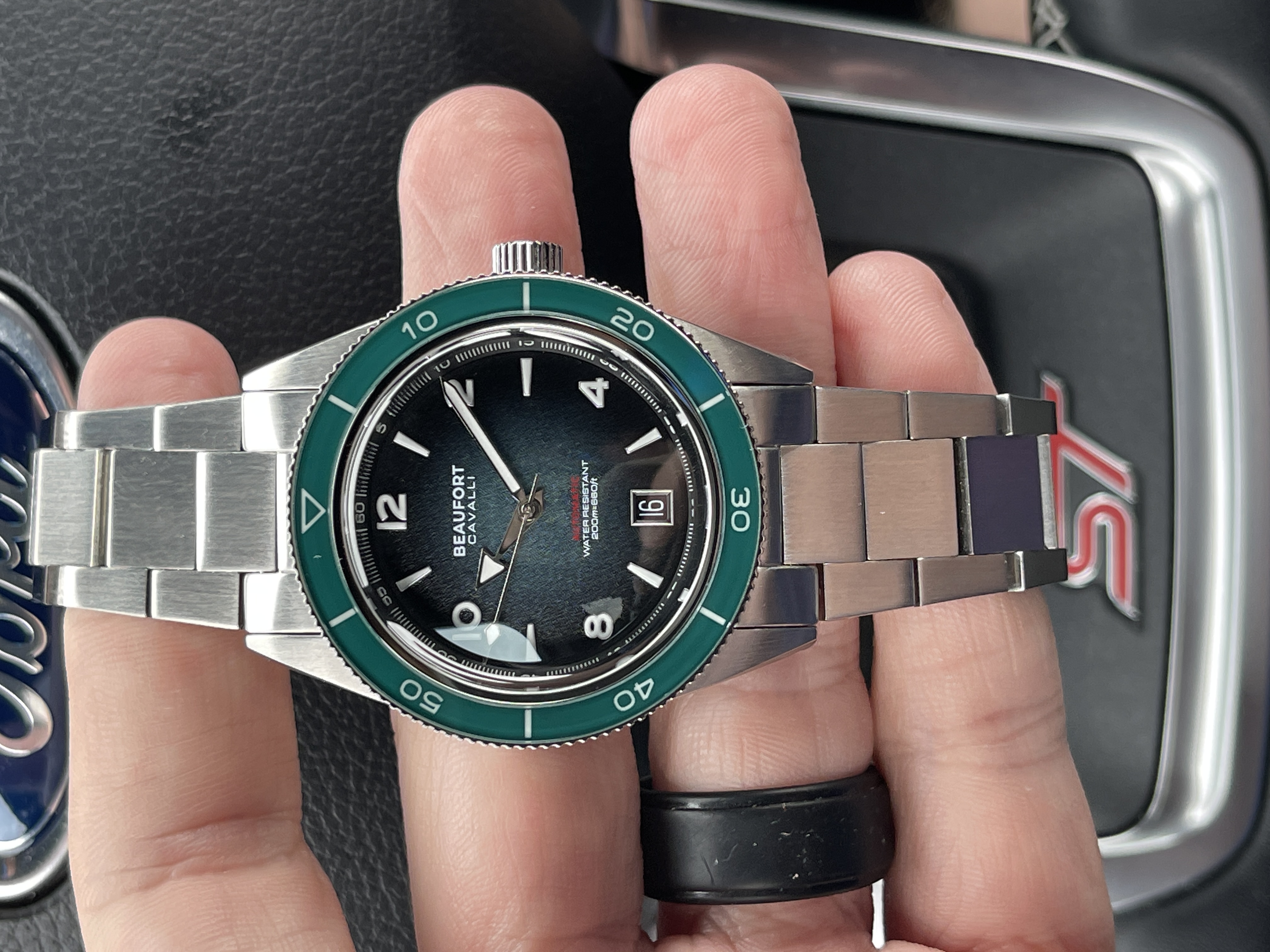
Let's be honest, most microbrands aren't investment pieces in the traditional sense. You won't see a Nodus or a Helson appreciating like a Rolex Daytona. But here's the nuance:
Limited runs create genuine scarcity. Many microbrands produce watches in batches of 100-500 units. Once they're gone, they're gone. Certain references from brands like Halios and Lorier now trade above their original retail prices on the secondary market.
The emotional ROI is real. A $350 watch that you wear every day, that makes you smile, that sparks conversations, that's value you can't chart on a spreadsheet.
They're gateway pieces. Many serious collectors trace their journey back to a microbrand that lit the fire. That first Seiko mod, that first Baltic chronograph, these are the watches that turned curiosity into obsession.
How to Navigate the Microbrand Landscape
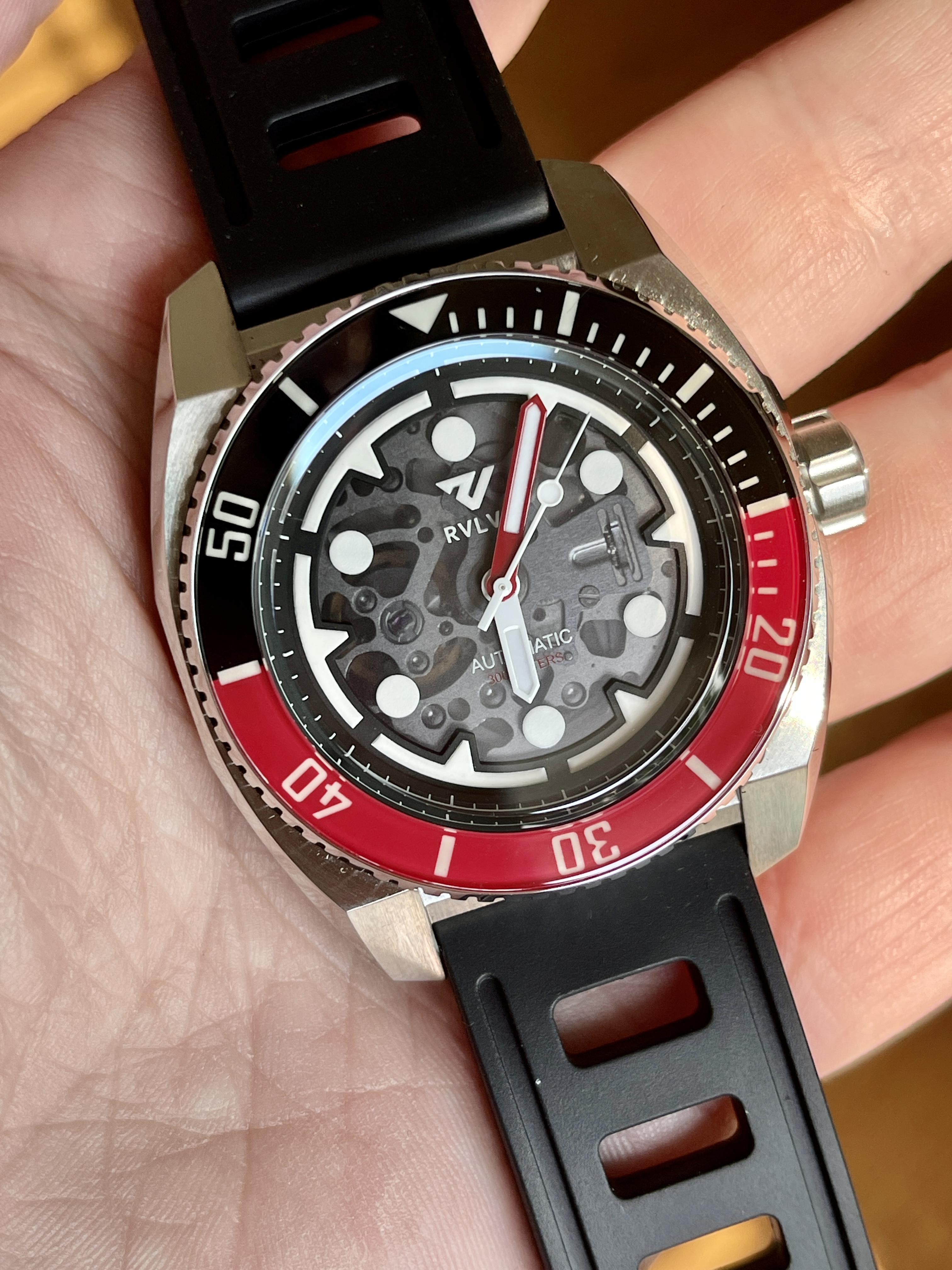
With hundreds of microbrands launching every year, quality varies wildly. Here's how to separate the gems from the noise:
Do Your Homework
- Check the movement. Reputable microbrands are transparent about what's inside. Miyota, Seiko (NH/4R series), and Sellita are solid choices. Be wary of brands that are vague about their calibers.
- Read real reviews. Not sponsored content, actual owner reviews on forums like Watchuseek, Reddit's r/watches, and YouTube channels focused on independents.
- Examine the details. Lume quality, bracelet finishing, crown feel, bezel action, these are where cheap brands cut corners and quality brands shine.
Start With the Proven Names
If you're new to microbrands, start with established players who've earned their reputation over multiple releases:
- Lorier, Vintage-inspired perfection at accessible prices
- Baltic, French design sensibility meets honest value
- Zelos, Bold materials and exotic dials
- Halios, Canadian precision and understated elegance
- Nodus, Stellar quality control and wearable designs
- Christopher Ward, Technically a step above micro, but embodies the same ethos
Try Before You Commit
One of the beauties of a service like Keeperbox is that you can experience microbrands without the commitment of a blind purchase. Our concierge team curates pieces from both established names and rising microbrands, giving members the chance to discover watches they might never have found on their own.
The Bigger Picture
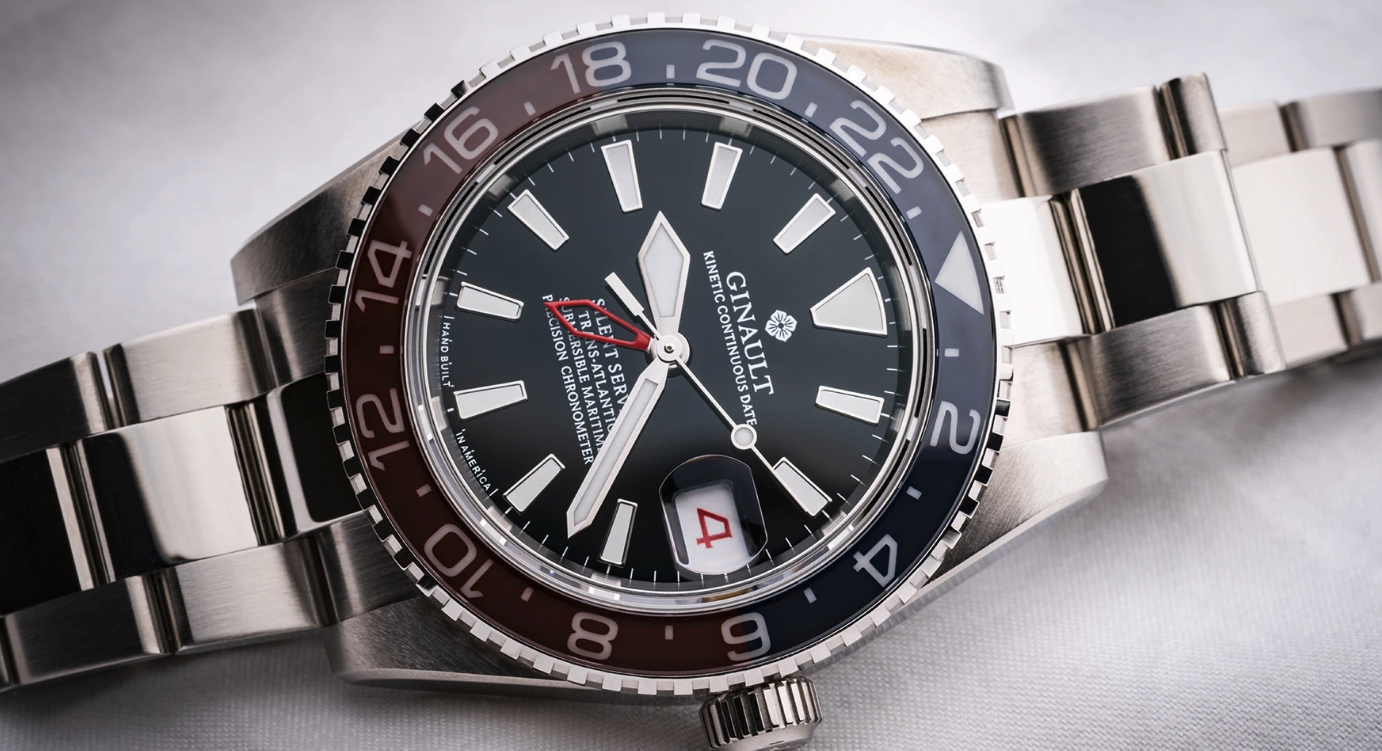
The rise of microbrands isn't just a trend, it's a correction. For too long, the watch industry operated on the assumption that prestige required exclusivity, and quality required a four-figure price tag. Microbrands have proven that neither is true.
They've democratized quality watchmaking. They've shown that a founder in a home office can create something that rivals, and sometimes surpasses, the output of century-old maisons. And they've reminded us what collecting should really be about: the pure, uncomplicated joy of a beautiful watch on your wrist.
Your Next Discovery Awaits
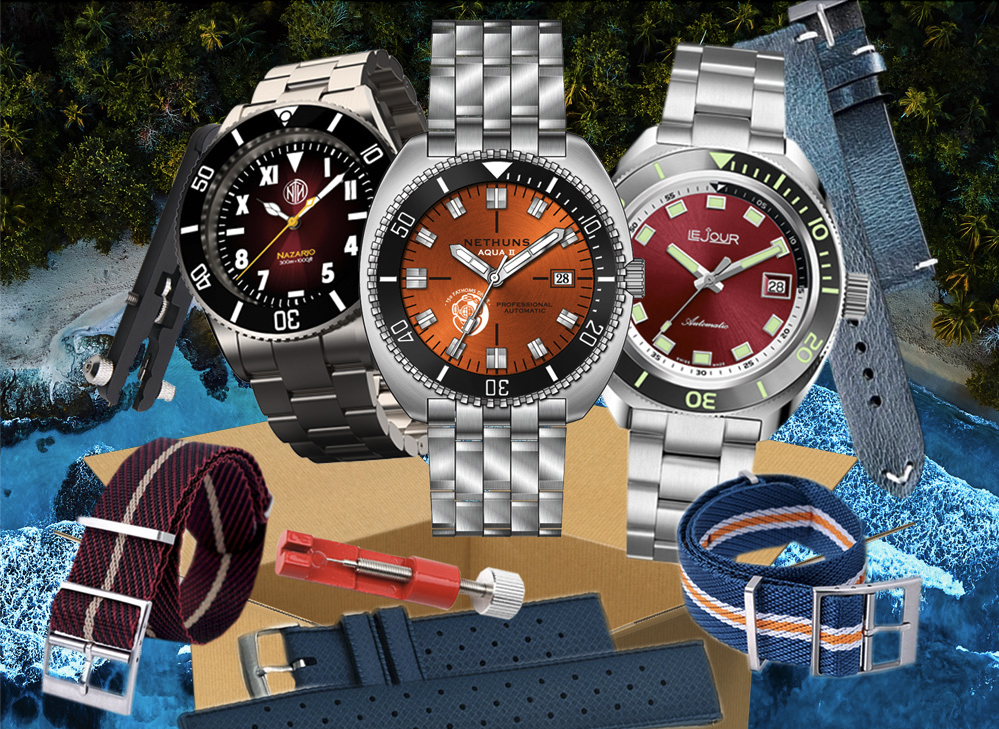
Whether you're a seasoned collector looking for your next conversation piece or a newcomer trying to understand what all the fuss is about, microbrands offer something the mainstream market often doesn't: surprise, authenticity, and value that respects your intelligence.
The next time you're tempted to buy another homage from a big brand, take a detour. Explore the independents. Read the founder's story. Look at the specs. You might just find your new favorite watch, and a whole new corner of the hobby to explore.
Curious what kind of collector you are? Take our free 2-minute Style Quiz and get personalized watch recommendations based on your taste.