

The independent spark that won’t fade
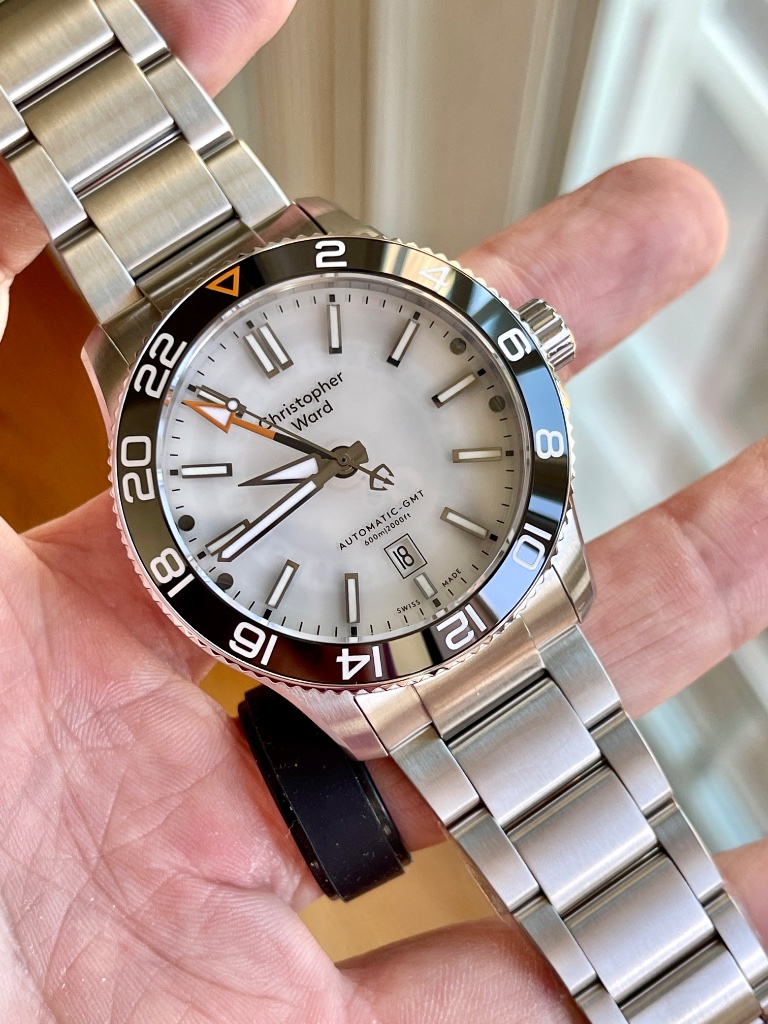
Spend time around watch people and you’ll notice a quiet refrain: the most memorable wrist time often comes from the unexpected. That’s where microbrand watches live. Freed from corporate committees and regional quotas, independent founders are shipping compelling design, solid engineering, and a candid, human voice straight to our doorsteps. They do not replace the icons from Seiko, Citizen, or Hamilton; rather, they fill the spaces in between with creativity and character.
Definitions vary, but a microbrand is typically a small, founder-led company with limited production and a direct-to-consumer model. The promise is simple: more watch for the money and a closer relationship with the people who build it. The best of them deliver exactly that, without feeling like a compromise.
Beyond homage: distinct ideas at approachable prices
The microbrand landscape matured rapidly. Early on, homages were plentiful; today, the leaders bring point-of-view. Baltic’s Aquascaphe put the Parisian brand on the map with a lithe, vintage-leaning diver that wears like a 60s original but feels modern on the wrist. Its sibling, the MR01, brings a micro-rotor romance to the entry-luxury tier, proof that aspiration and attainability can overlap.
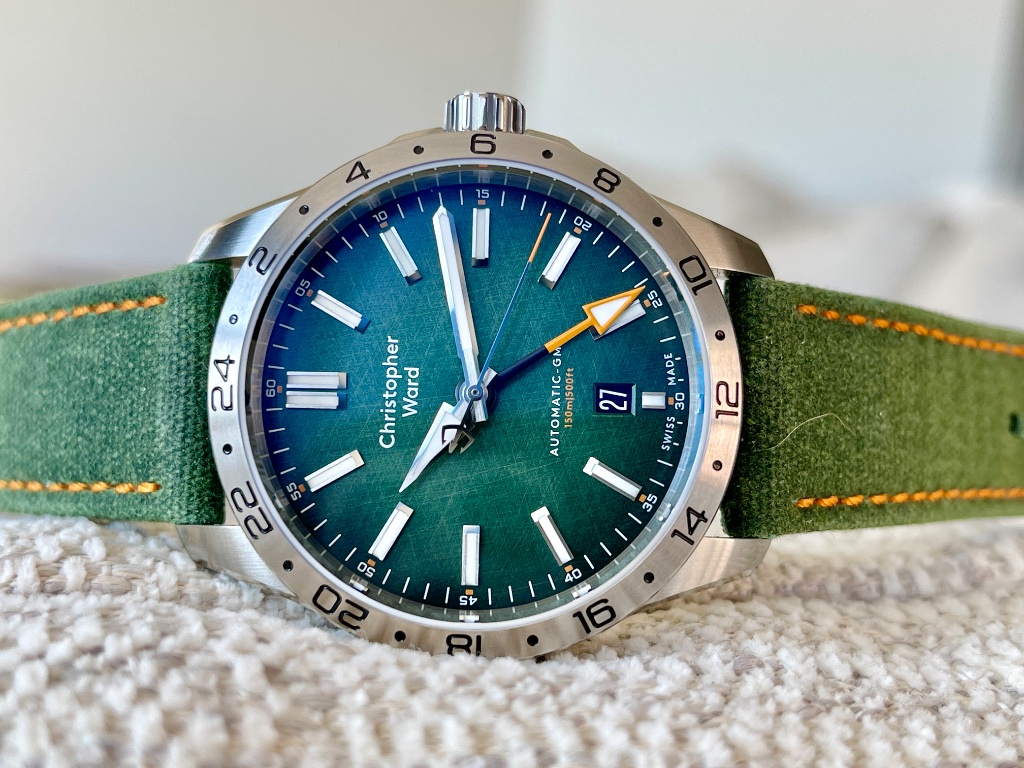
Formex leans the other direction: Swiss engineering, COSC-certified calibers, and obsessive ergonomics. The Reef diver and Essence line are case studies in how thoughtful finishing and tool-free micro-adjust bracelets raise the daily-wear game. Farer injects joyful color and cartographic spirit into classically proportioned designs; look to the Lander GMT, powered by a Swiss Sellita SW330-2, for an example of tasteful adventure that doesn’t shout.
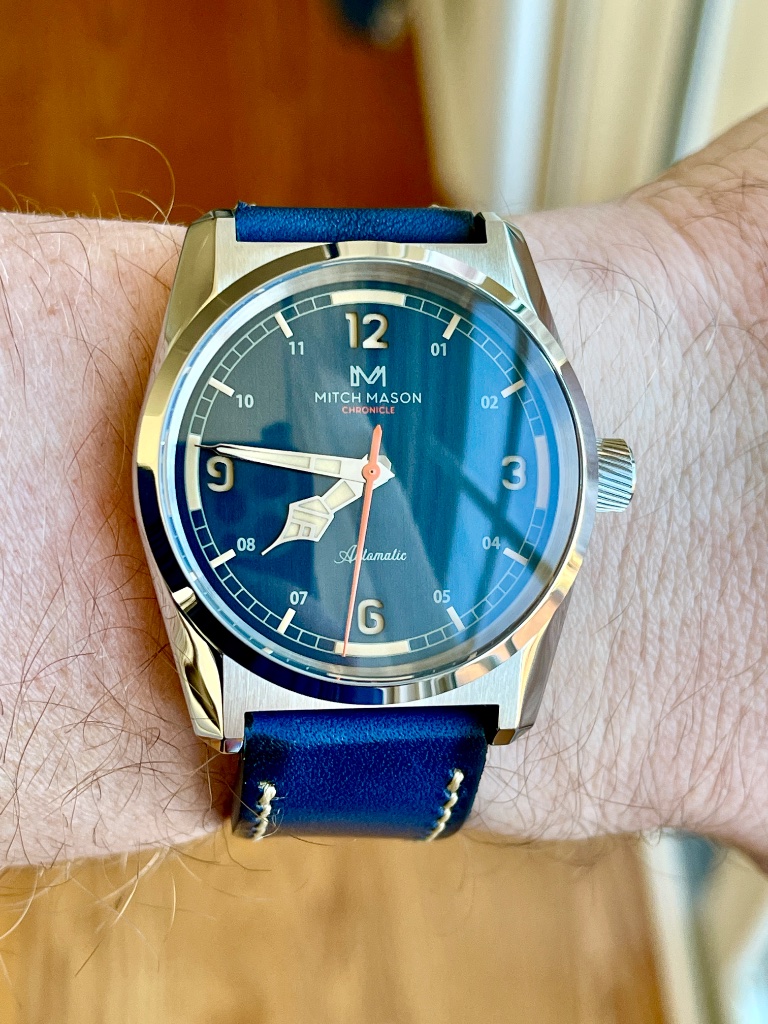
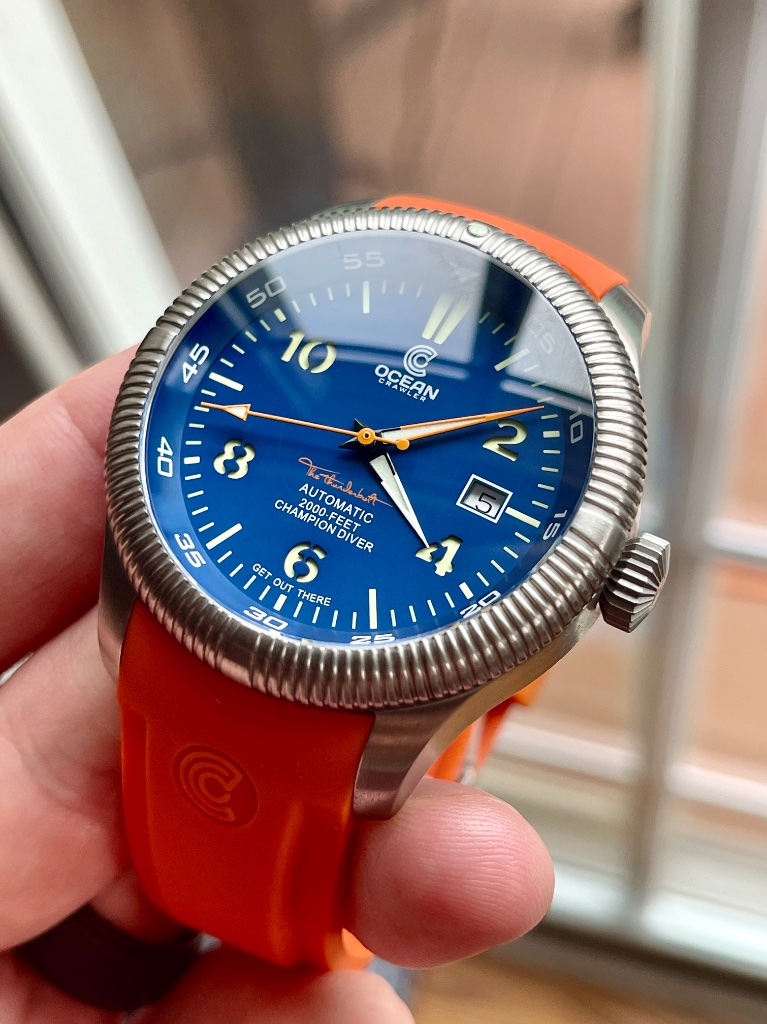
Then there’s character from unexpected quarters: Venezianico channels the poetry of the Venetian Lagoon into bold, faceted divers, while Mitch Mason rethinks the compact field watch with crisp brushing and purposeful proportions. NEUTRA, with its architectural sensibility, shows how a minimalist dial can still offer depth through texture and light play.
Movements that make sense
Movement choice is the most practical lever a microbrand can pull. The reliable Seiko NH35 shows up everywhere for good reason: easy to service, generously specced, and cost-effective. Miyota’s 9015 and dateless 9039 offer a thinner profile and a snappier hand-wind; if you crave a traveler’s GMT, the Miyota 9075 has made true local-jump functionality attainable for independents. On the Swiss side, Sellita’s SW200 and SW300, as well as La Joux‑Perret’s G100, provide accuracy, parts availability, and long-term serviceability.
For collectors, the lesson is not that one caliber is universally superior, but that the watch should be honest about what it is. A well-regulated NH35 inside a carefully machined case can be more satisfying than a fancier movement smothered by poor ergonomics. Ask about regulation standards, spare parts policies, and service pathways. The right answers are as reassuring as Geneva stripes.
Fit, finish, and the joy of small details
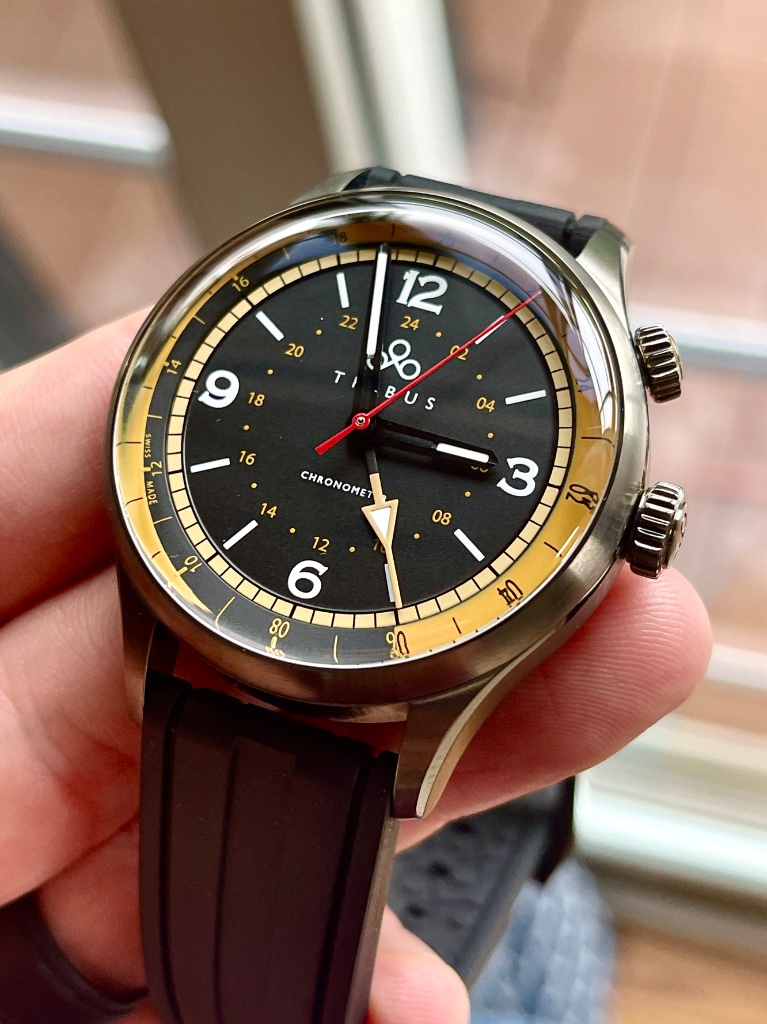
Microbrands win when they sweat the basics. Case geometry matters as much as diameter: lug-to-lug length, chamfers that break up visual mass, and a svelte midcase often decide whether a watch feels like a daily companion or a clumsy guest. Formex’s clasp with on-the-fly micro-adjust is more than a party trick, it’s the difference between ‘nice’ and ‘I’ll wear this on a cross-country flight.’
Dials are where indie voices sing. Farer’s restrained use of color and applied indices reads thoughtful rather than trendy. Baltic’s sector layouts and gilt accents are love letters to mid-century charm without turning into pastiche. Even the bolder Venezianico Nereide finds discipline in its symmetry and typography. Look closely at printing crispness, lume uniformity, and how the hands clear each other; these are tells of a brand that respects your wrist time.
Straps and bracelets are quietly transformative. Quick-release spring bars, fitted end links, and drilled lugs make rotation painless. A smart microbrand will include a bracelet and a strap option, not to pad the spec sheet, but because the watch truly changes character between steel and leather. That versatility adds real value.
Value is more than a price tag
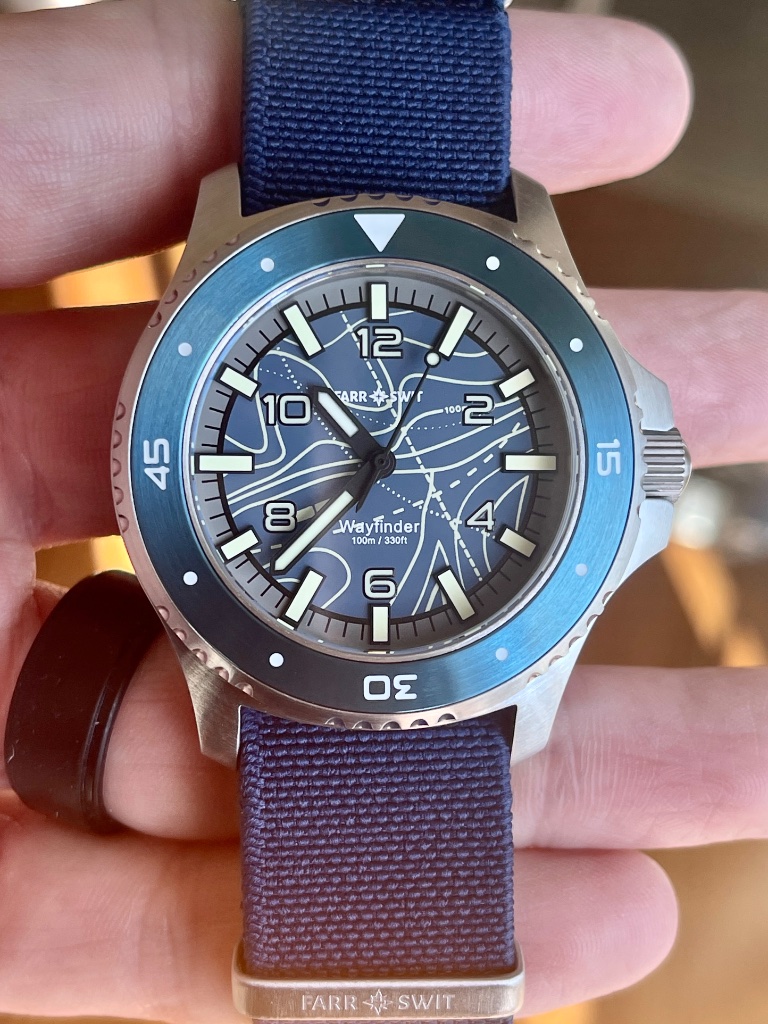
A frequent debate in clubs and forums: is a $700 microbrand diver better value than a $1,000 Seiko Prospex or a $600 Hamilton Khaki? The honest answer is conditional. Seiko brings a century of manufacturing depth, in-house calibers, and a service network; Hamilton offers the credibility of the Swatch Group and evergreen designs. A microbrand counters with direct-to-customer pricing, unique aesthetics, and founder-level accountability.
Consider the full ownership arc. Will the watch be comfortable for eight hours? Does the bracelet actually fit your wrist in hot and cold weather? Can you get a crown tube replaced in five years? If a microbrand has documented QC processes, publishes tolerances (water resistance testing, regulation ranges), and communicates candidly when issues arise, that brand is treating you like a partner. In the indie world, transparency is a currency as valuable as sapphire crystal.
How to buy microbrands wisely
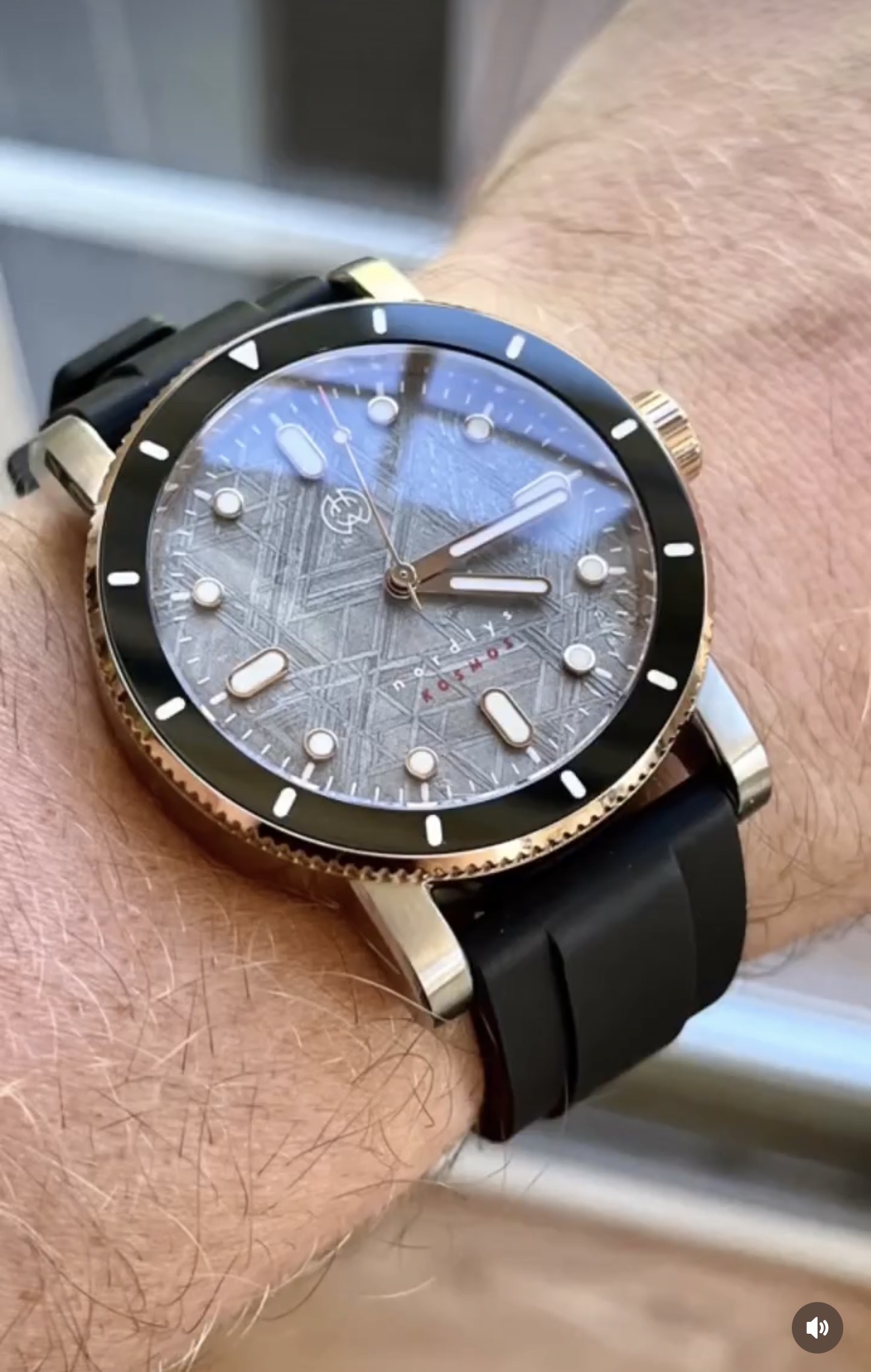
- Research the movement and ask about regulation. A published range (e.g., ±10 seconds/day) indicates care.
- Read the return policy and warranty in plain language. One year is common; two is better; responsiveness is best of all.
- Study wrist shots and lug-to-lug numbers, not just diameter. A 38 mm watch with a 48 mm span can wear larger than expected.
- Beware of perpetual preorders. Delays happen, but healthy brands explain timelines and provide production photos.
- Factor shipping and taxes. An appealing price can balloon at checkout.
- Join communities. Hearing real-world experiences often reveals more than polished marketing.
Resale and the idea of a keeper
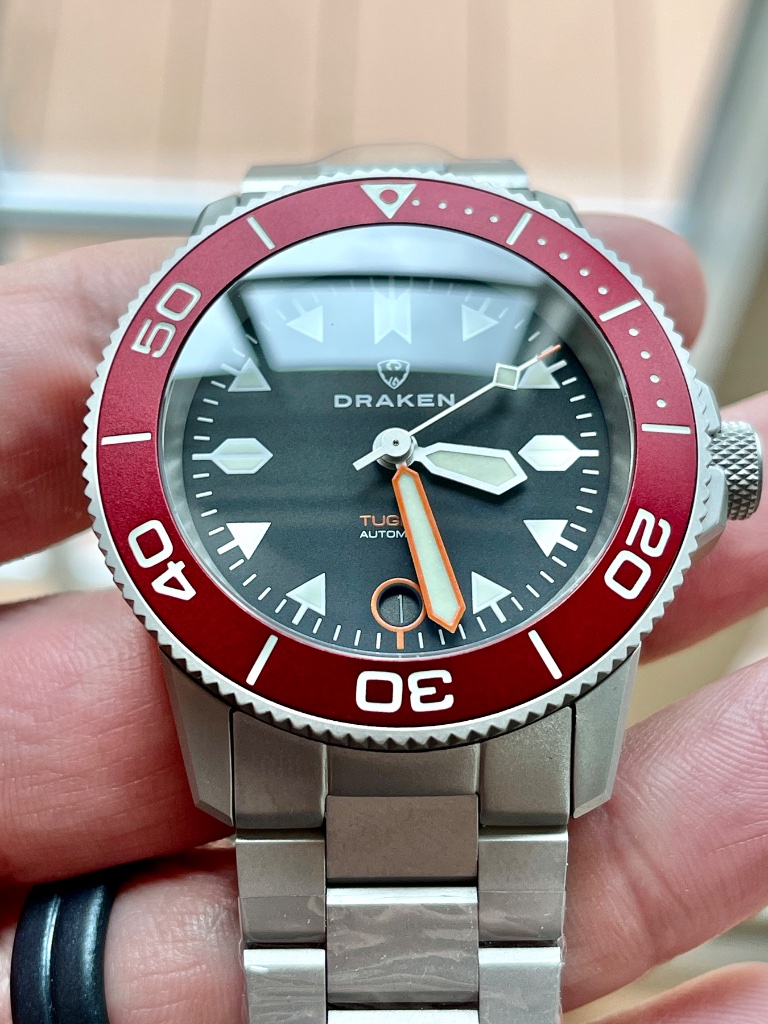
Most microbrands do not hold value like Rolex, few watches do. But that shouldn’t be the yardstick. The smarter lens is opportunity cost: can this piece deliver a year of joy while you save for the next grail? Well-chosen independents often become ‘keepers’ because of story and relationship. The email from the founder after you asked about lug holes, the production photo with your dial in a tray, those intangibles stick around longer than a hype cycle.
Still, be practical. If resale matters, look for models with steady demand, Baltic divers, Formex Essence and Reef variants, or colorful Farer GMTs tend to move predictably on the secondary market. Keep boxes, cards, and extra links; document any regulation or service.
The quiet superpower: community
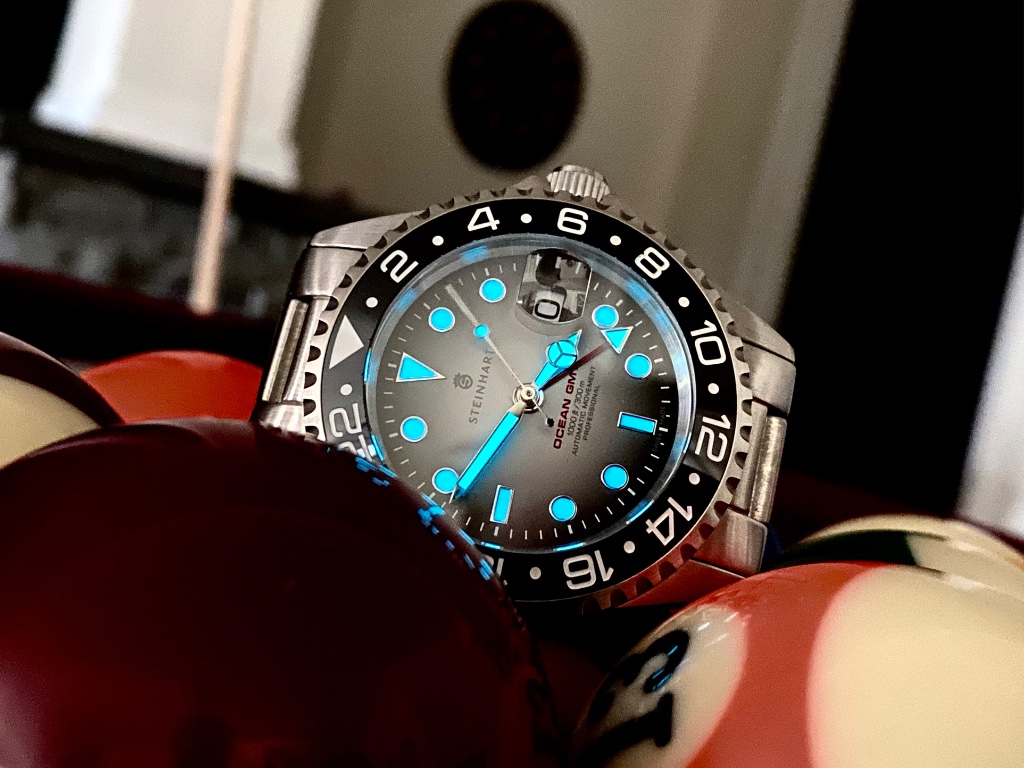
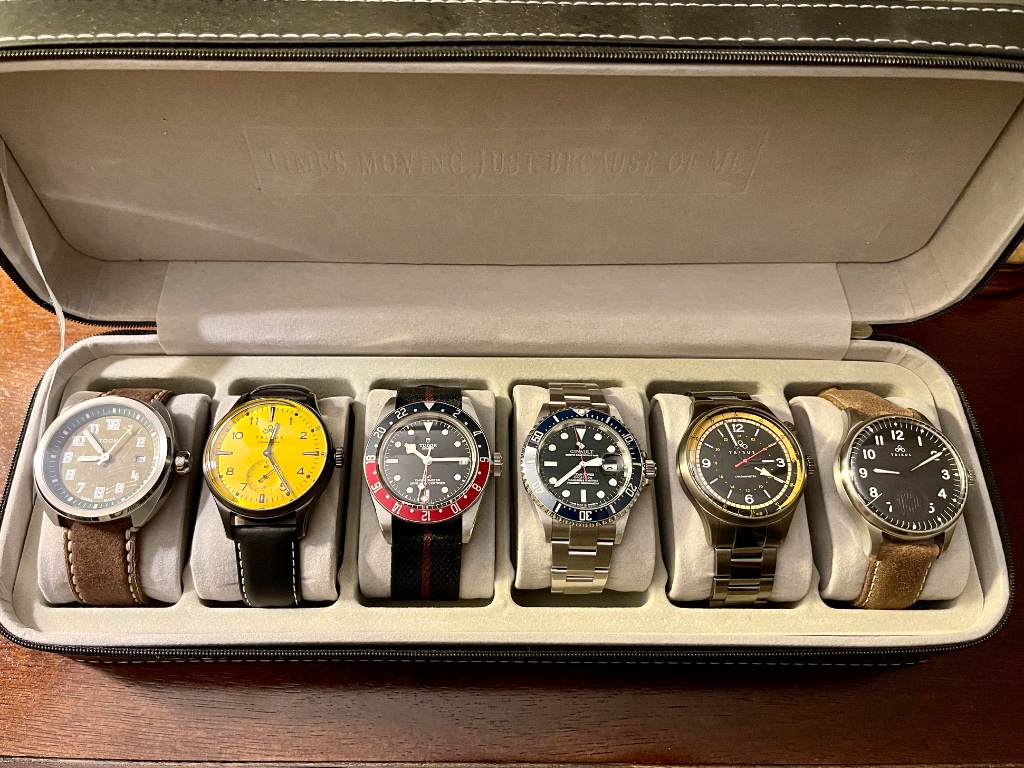
Watches are tactile; pixels can only go so far. The best way to know whether a microbrand belongs in your rotation is to handle it, talk to people who live with it, and compare notes across wrists and tastes. That’s where clubs earn their keep. In a room where someone has a Mitch Mason Chronicle alongside a Citizen Promaster and a Hamilton Khaki Field Mechanical, context takes shape. You start to see the edges of your own preferences, and sometimes you discover they’ve changed.
In the end, microbrands thrive because they make collecting feel personal again. When a founder’s design sketch turns into the click of your bezel or the glow of your lume, you’re not just buying a watch, you’re joining a conversation. At The Keeper Box, we love that part most: hands-on try-ons, candid swap-table wisdom, and the shared grin when a sleeper hit becomes someone’s new daily. See you at the next meetup.